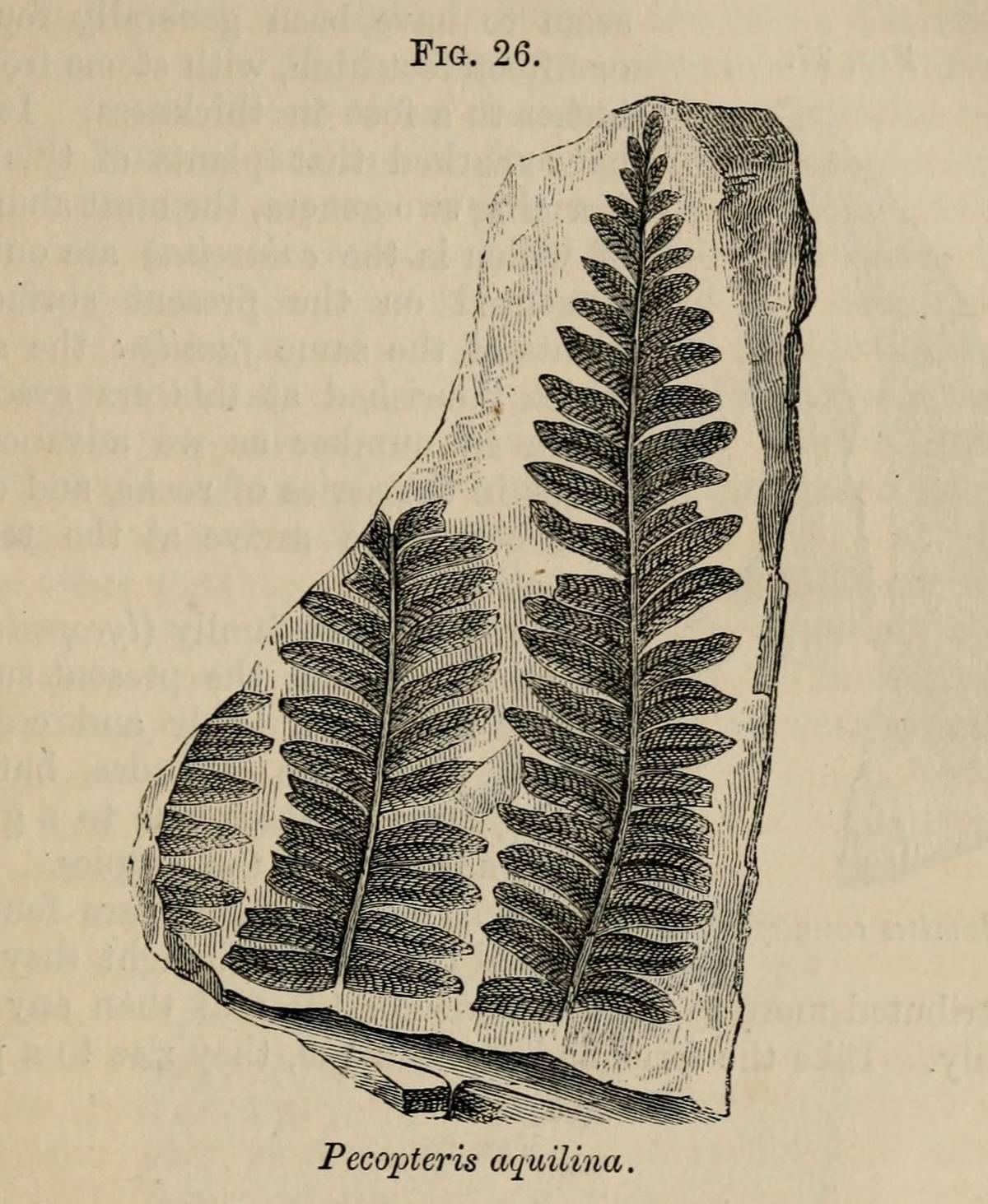
Fern fossils appear as detailed carbonaceous imprints of prehistoric fronds preserved within fine-grained sedimentary rock. Collectors should look for distinct, sharp venation patterns on the split surfaces of ironstone nodules or dark shales. These are most commonly found in Carboniferous-aged coal measure environments.
Is this fern fossil?
3-step field checkRun through these checks against the specimen in your hand. The more boxes tick, the more confident the ID.
- 1Name the organismDecide what left the fossil before worrying about the rock. Organism: Ferns. Age: Fern crown group from about 423 million years ago (late Silurian).
- 2Read the lusterHold the specimen under a strong light. Luster: dull.
- 3Match the color rangeCompare against the expected color range: black, brown, gray, tan.
Often found alongside fern fossil
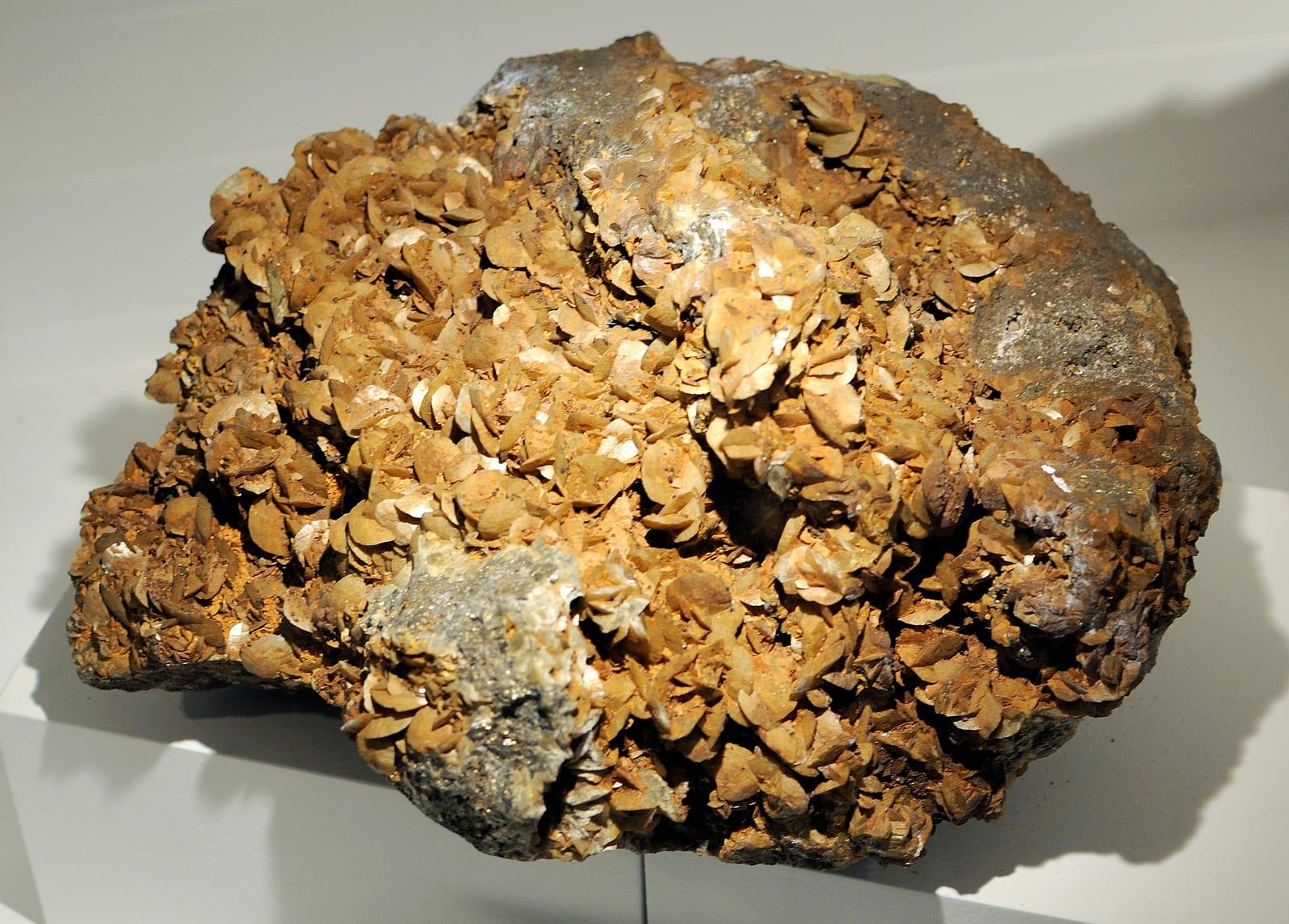
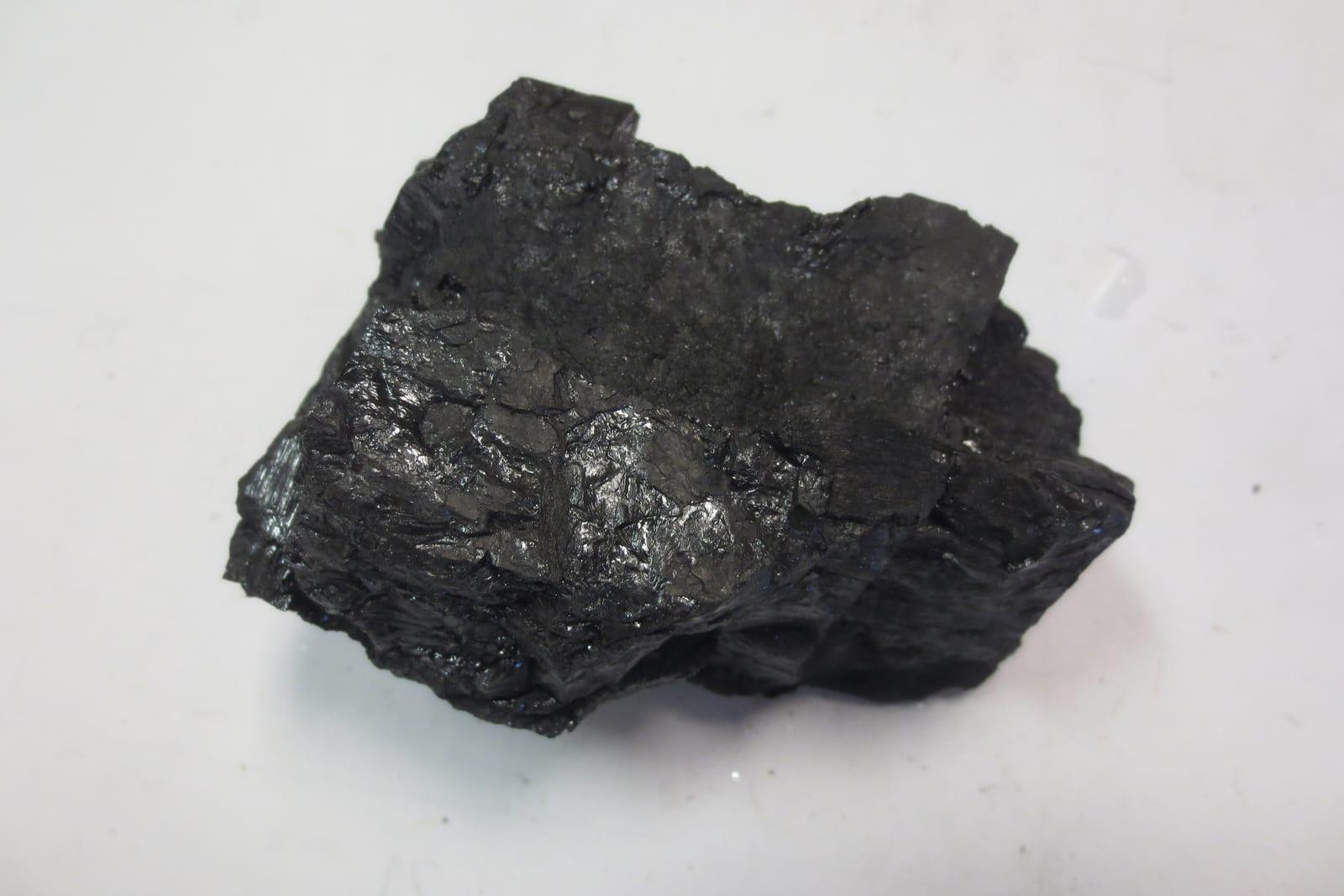
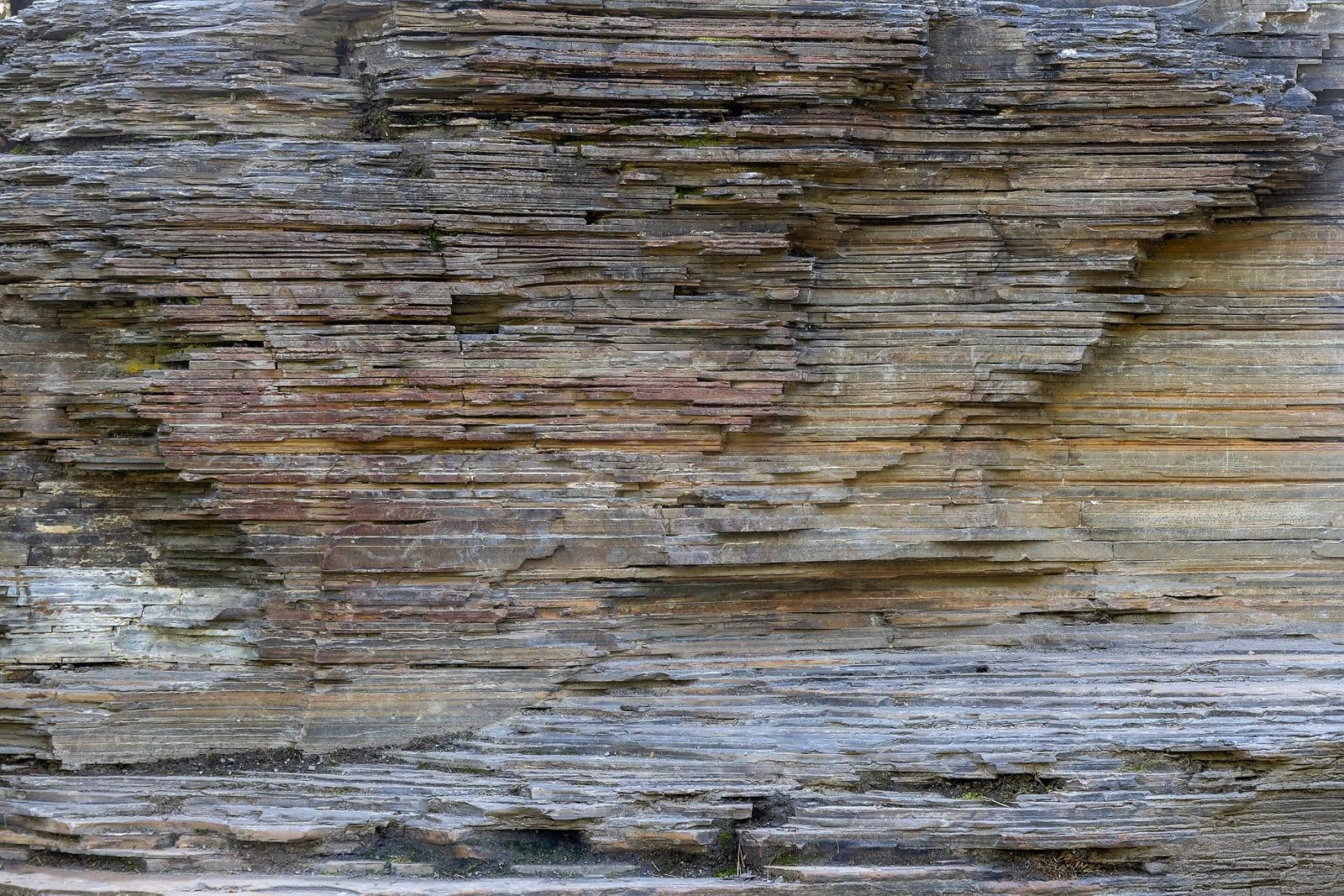
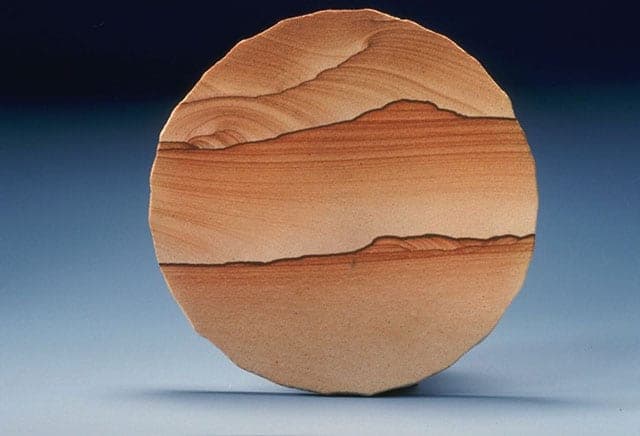
Minerals reported to co-occur with fern fossil. Spotting these in float or country rock is a strong cue you are in the right ground.
All properties
- Luster
- Dull
- Transparency
- Opaque
- Rarity
- Common
- Uses
- Collector, Educational
- Host rock
- sedimentary shale or siltstone
- Organism
- Ferns
- Age
- Fern crown group from about 423 million years ago (late Silurian)
Where rockhounds find fern fossil
1 mapped spotsClassic worldwide localities
- Mazon Creek, USA
- Joggins, Canada
- Saint-Etienne, France
- Shanxi, China
Field-hunting tip
Where it forms: sedimentary shale or siltstone. If you start seeing siderite, coal, shale in float, you are in the right ground. In the U.S., the densest reported localities are in Illinois. Start trip planning there.
More fern fossil photos
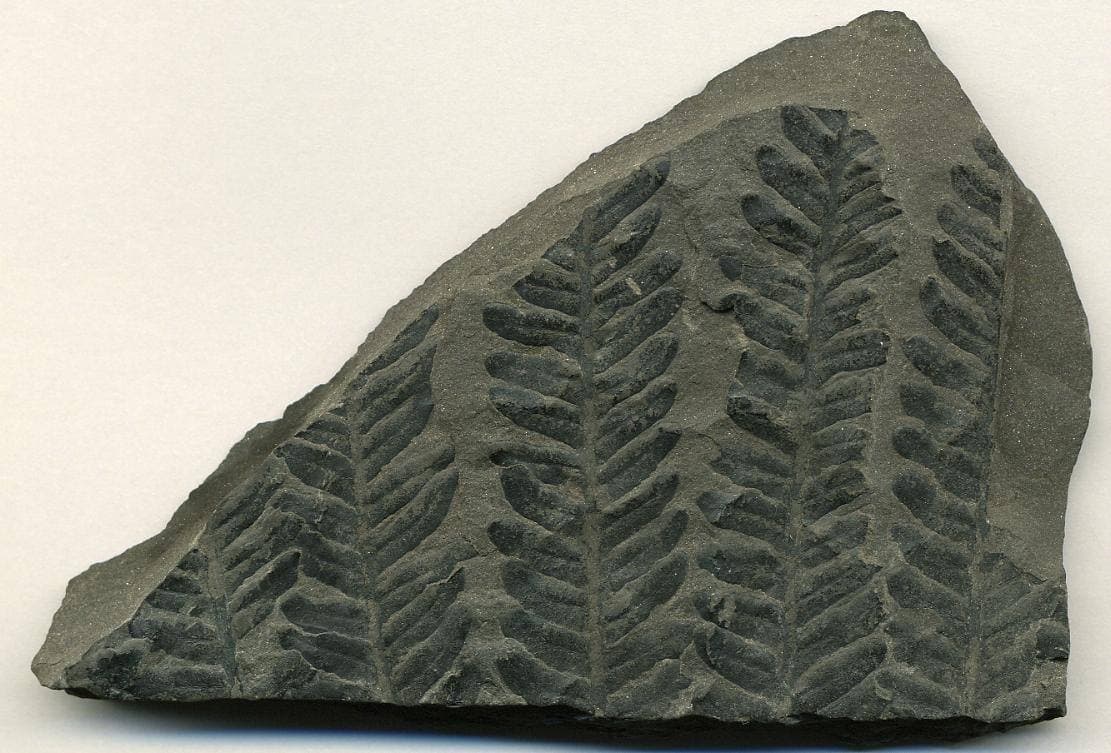
Common questions
How do you identify fern fossil?+
Where is fern fossil found?+
Can I find fern fossil in the United States?+
What minerals are found with fern fossil?+
What kind of rock does fern fossil form in?+
What is fern fossil used for?+
Find fern fossil on the map
RockHoundR shows mapped rockhounding spots, access rules, and lets you log every find.