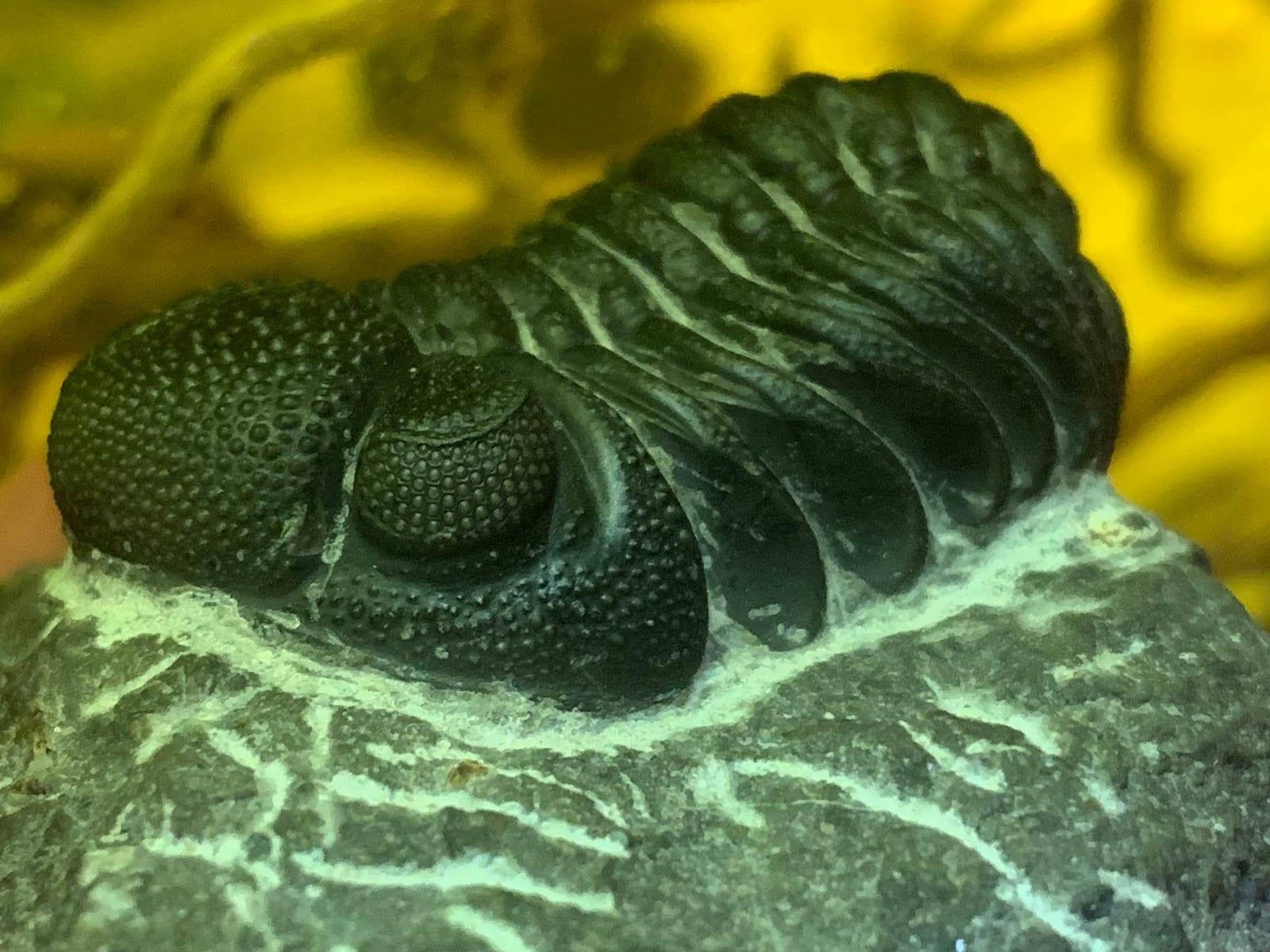
Calymene is a genus of trilobites commonly found in Silurian and Ordovician marine sedimentary rocks. They are highly prized by collectors for their ability to enroll into a ball-like shape as a defense mechanism, which is frequently preserved in fossil specimens.
Is this calymene?
2-step field checkRun through these checks against the specimen in your hand. The more boxes tick, the more confident the ID.
- 1Name the organismDecide what left the fossil before worrying about the rock. Organism: Trilobite (genus Calymene). Age: Mainly Silurian.
- 2Match the color rangeCompare against the expected color range: gray, brown, tan, black.
Often confused with
Calymene vs. its common look-alikes, and how to tell them apart in the field.
Often found alongside calymene
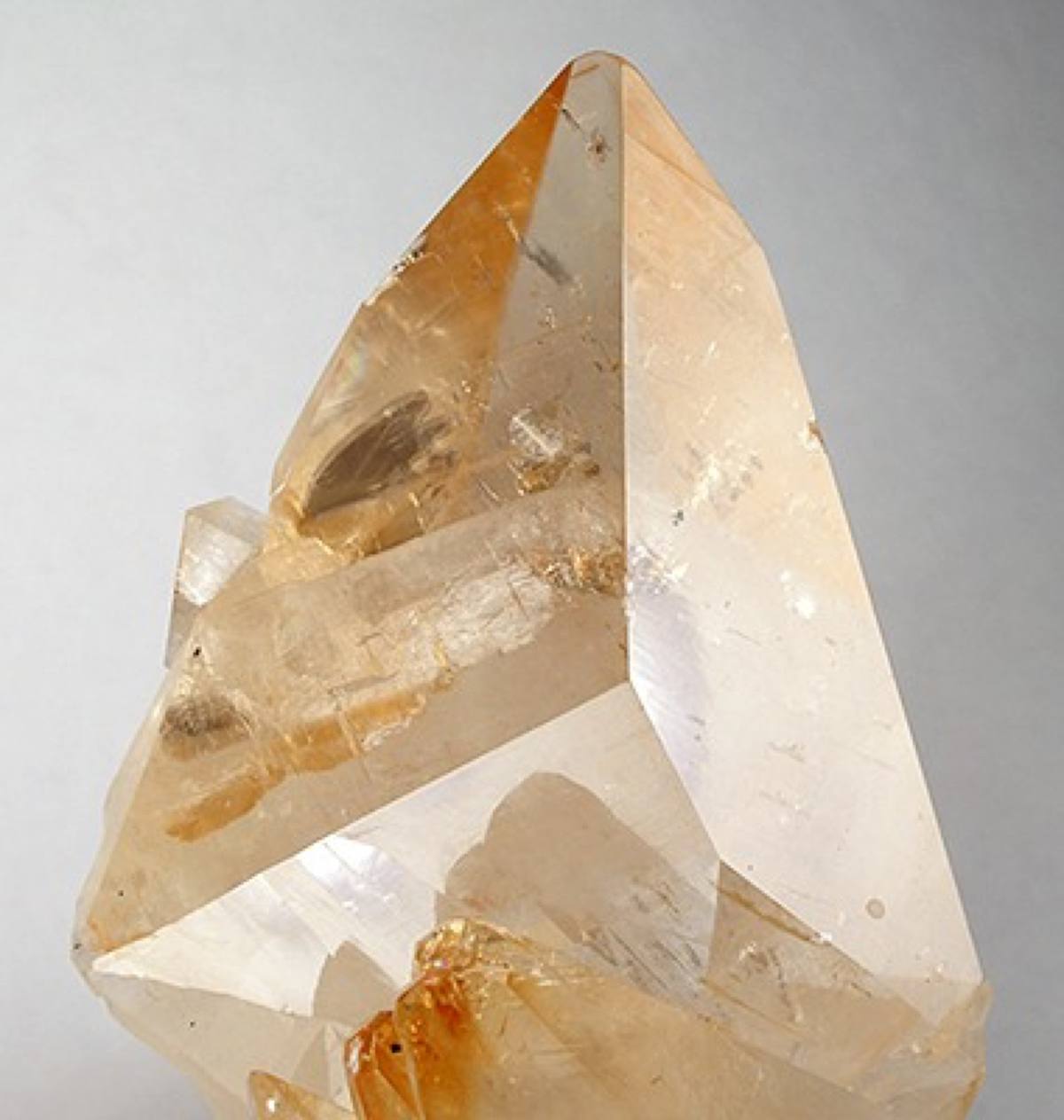
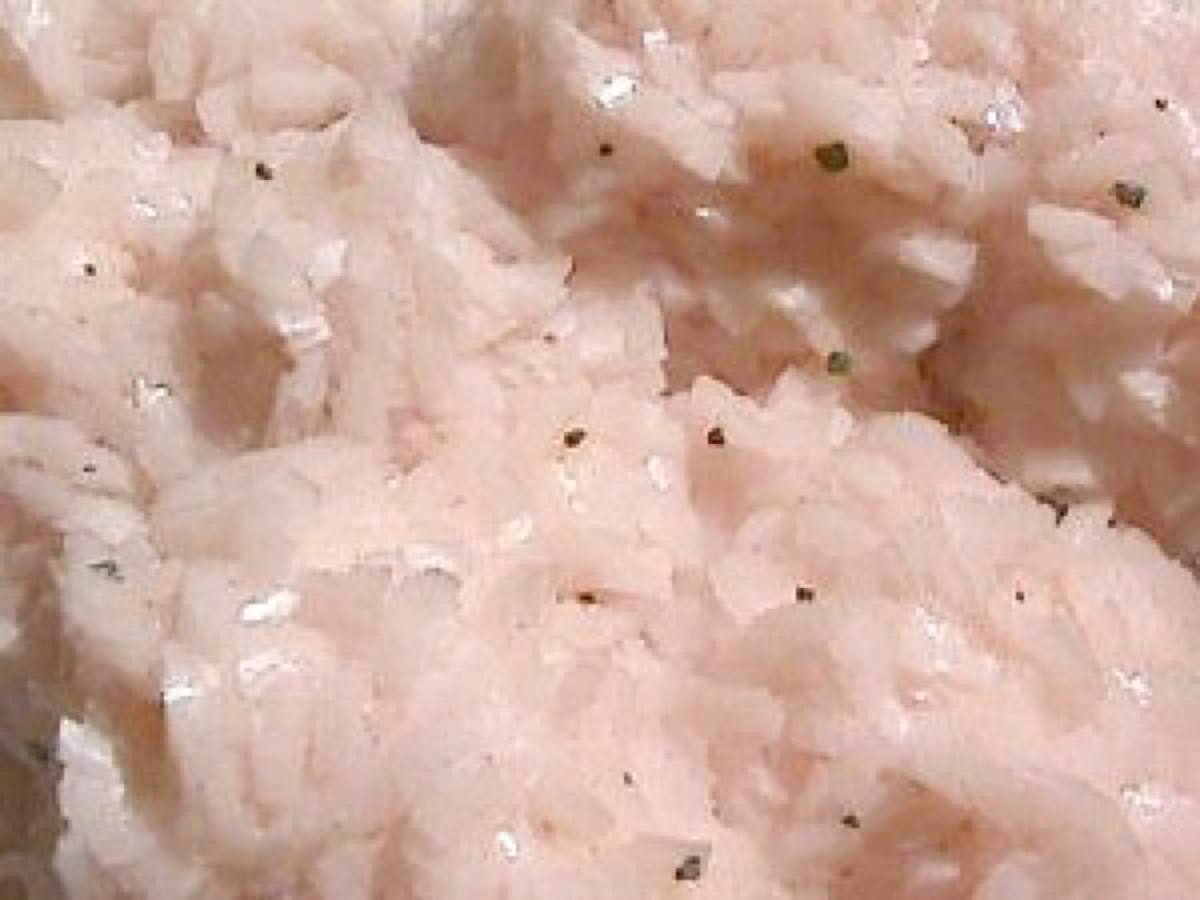
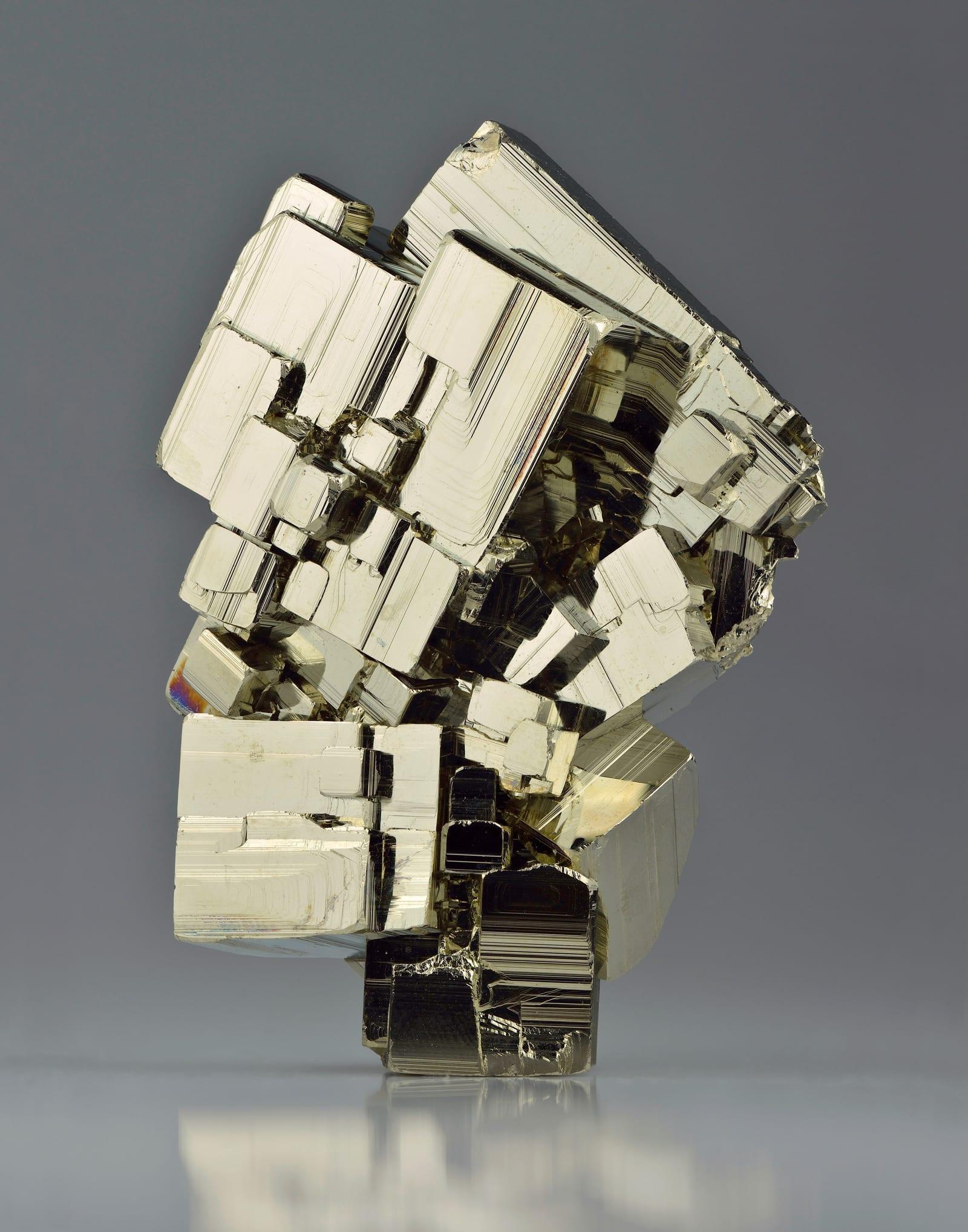
Minerals reported to co-occur with calymene. Spotting these in float or country rock is a strong cue you are in the right ground.
All properties
- Rarity
- Common
- Uses
- Collector, Educational, Display
- Host rock
- sedimentary shale and limestone
- Organism
- Trilobite (genus Calymene)
- Age
- Mainly Silurian
Where rockhounds find calymene
Classic worldwide localities
- USA (Ohio)
- USA (Indiana)
- United Kingdom (Dudley)
- Canada (Ontario)
- Morocco
Field-hunting tip
Where it forms: sedimentary shale and limestone. If you start seeing calcite, dolomite, pyrite in float, you are in the right ground.
Common questions
Where is calymene found?+
What rocks look like calymene?+
What minerals are found with calymene?+
What kind of rock does calymene form in?+
What is calymene used for?+
Find calymene on the map
RockHoundR shows mapped rockhounding spots, access rules, and lets you log every find.