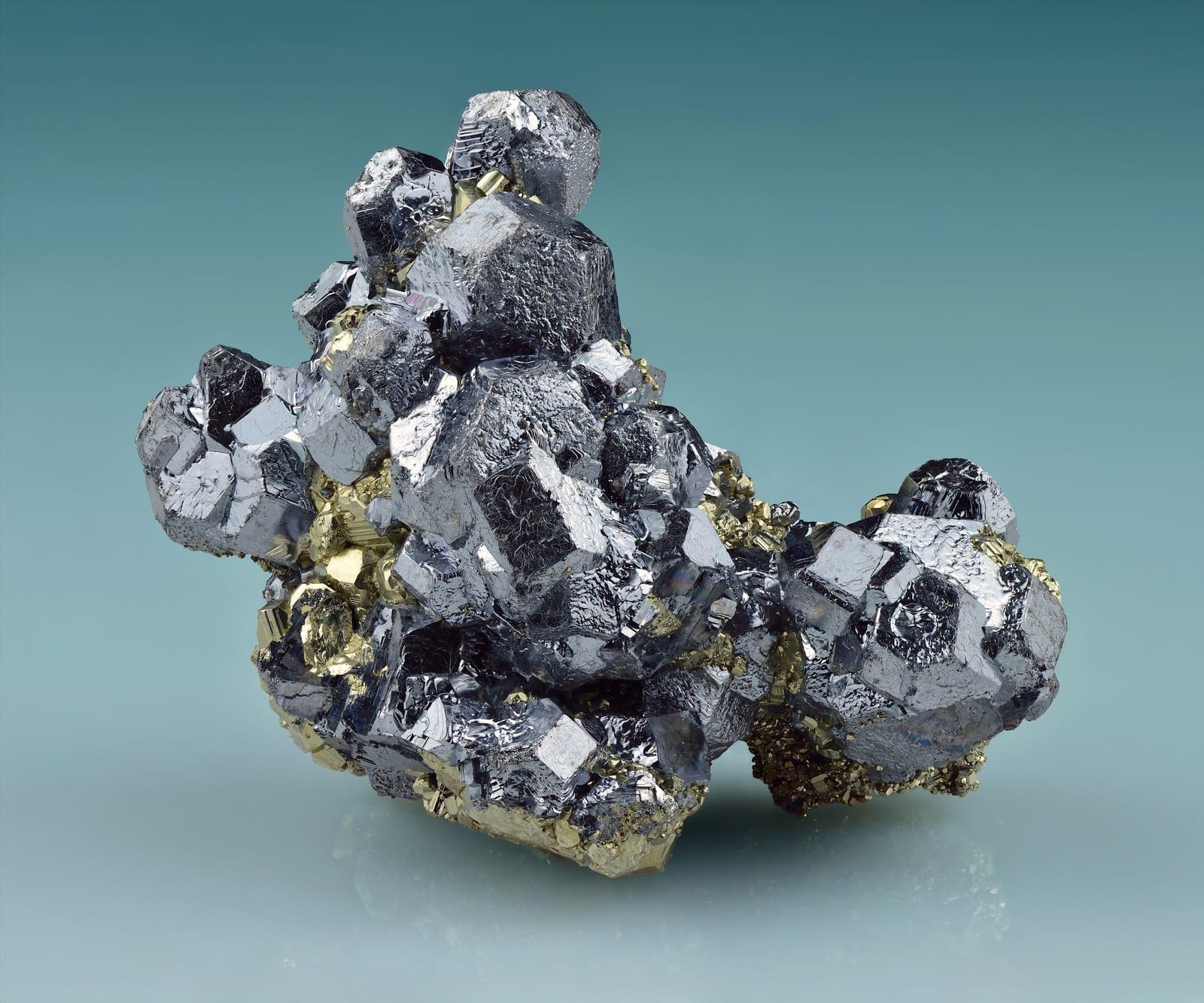
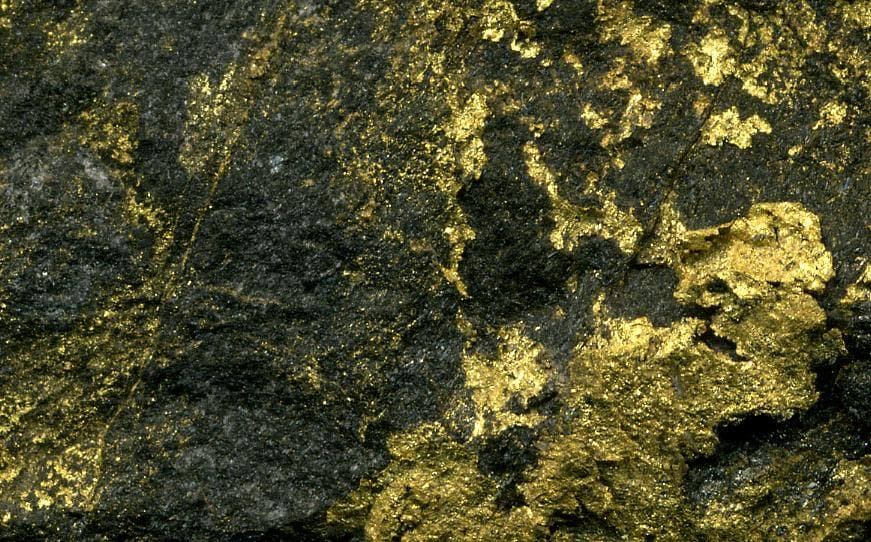
Pyrite is widely known as 'Fool's Gold' due to its bright metallic luster and pale brass-yellow color, which mimics native gold. It is easily distinguished by its cubic crystal habit, greater hardness compared to gold, and greenish-black streak. It is a common accessory mineral in a vast variety of geologic settings worldwide.
Spotting pyrite in the field
Field marks- 1
Brassy metallic yellow, forming cubes with striated faces
- 2
Brittle: it shatters under a pin rather than denting
- 3
Leaves a greenish black streak on a porcelain plate
Pyrite is fool's gold and telling the two apart is the first real skill a prospector learns. Three tests, any one of which is decisive: pyrite shatters where gold dents, pyrite darkens in shadow where gold stays bright yellow, and pyrite leaves a black streak where gold leaves gold. It also forms cubes, which gold never does. It occurs almost everywhere, in veins, in shales and in coal measures.
Before you collect
Pyrite in humid storage can break down through pyrite decay, producing sulfuric acid that destroys the specimen and damages labels and nearby minerals. Store it dry, and isolate any specimen that starts to smell sulfurous or grow white powder.
Straight answers
- Is it worth cutting?
- Rarely cut. Pyrite is a specimen mineral, and pyrite suns from Illinois coal mines are a distinctive flat radiating form worth seeking out.
- What is it really worth?
- Inexpensive. Sharp Spanish cubes from Navajún and Illinois pyrite suns carry real collector prices.
- Can you legally keep it?
- Ordinary personal-use collecting rules apply. Coal mine dumps are private property.
Often confused with
Pyrite vs. its common look-alikes, and how to tell them apart in the field.
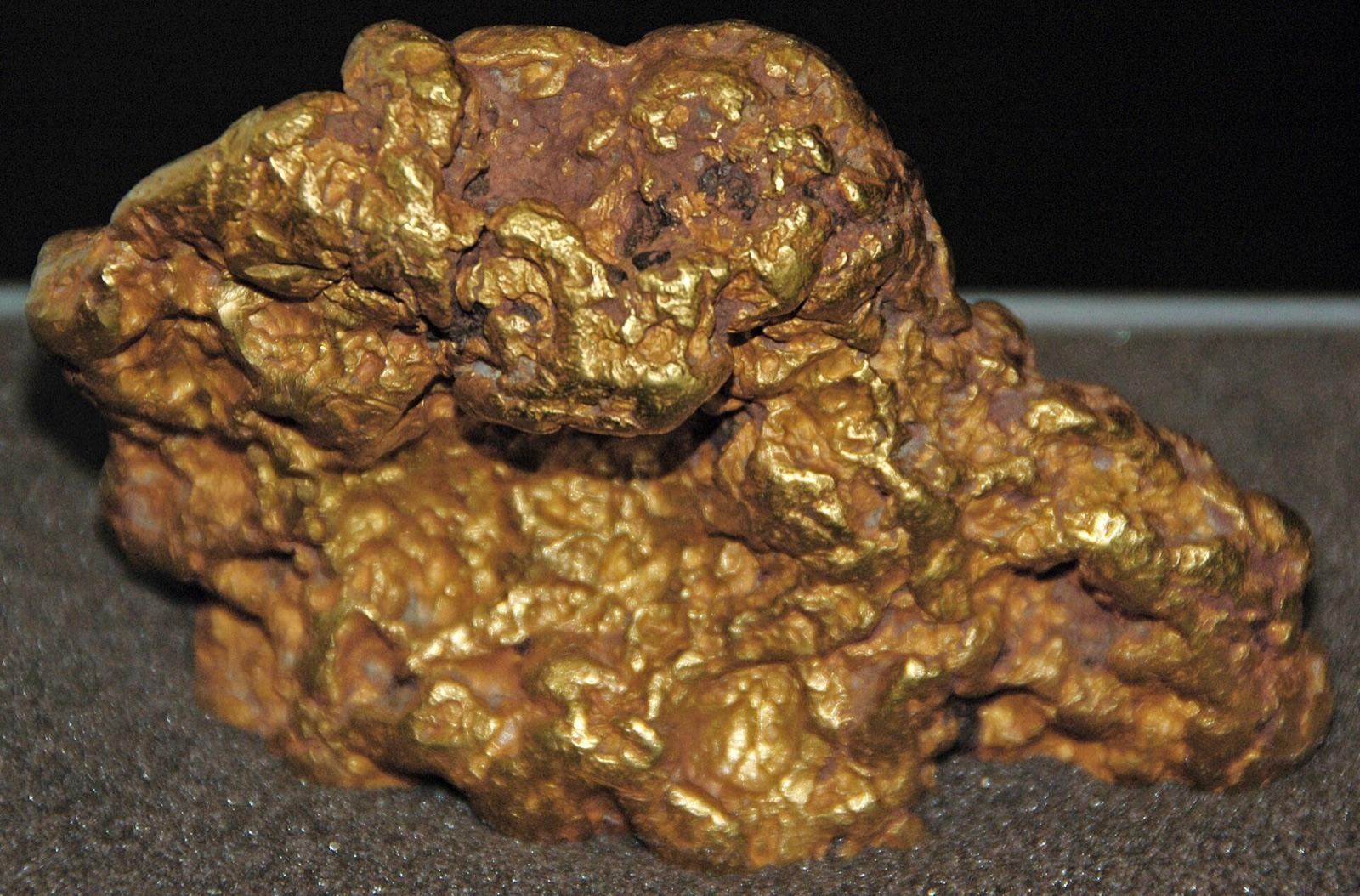
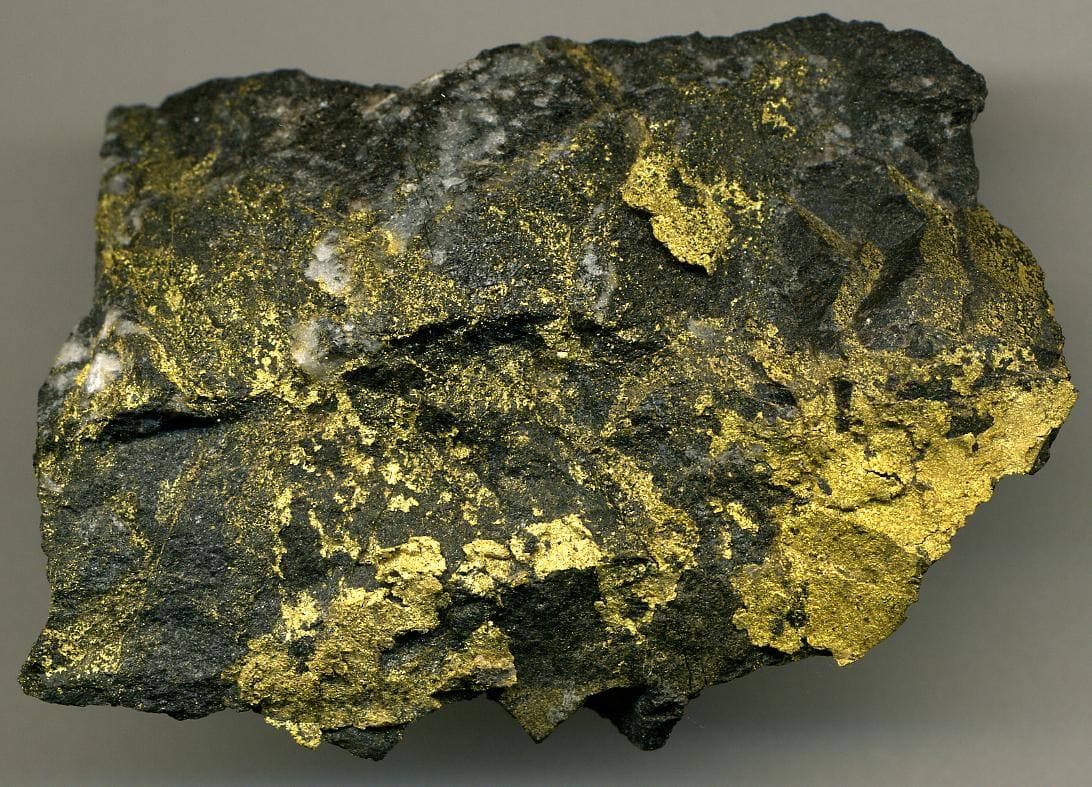
How to tell apart: The classic. Gold is malleable, heavy, stays yellow in shadow and streaks gold. Pyrite is brittle, lighter, dulls in shade and streaks black.
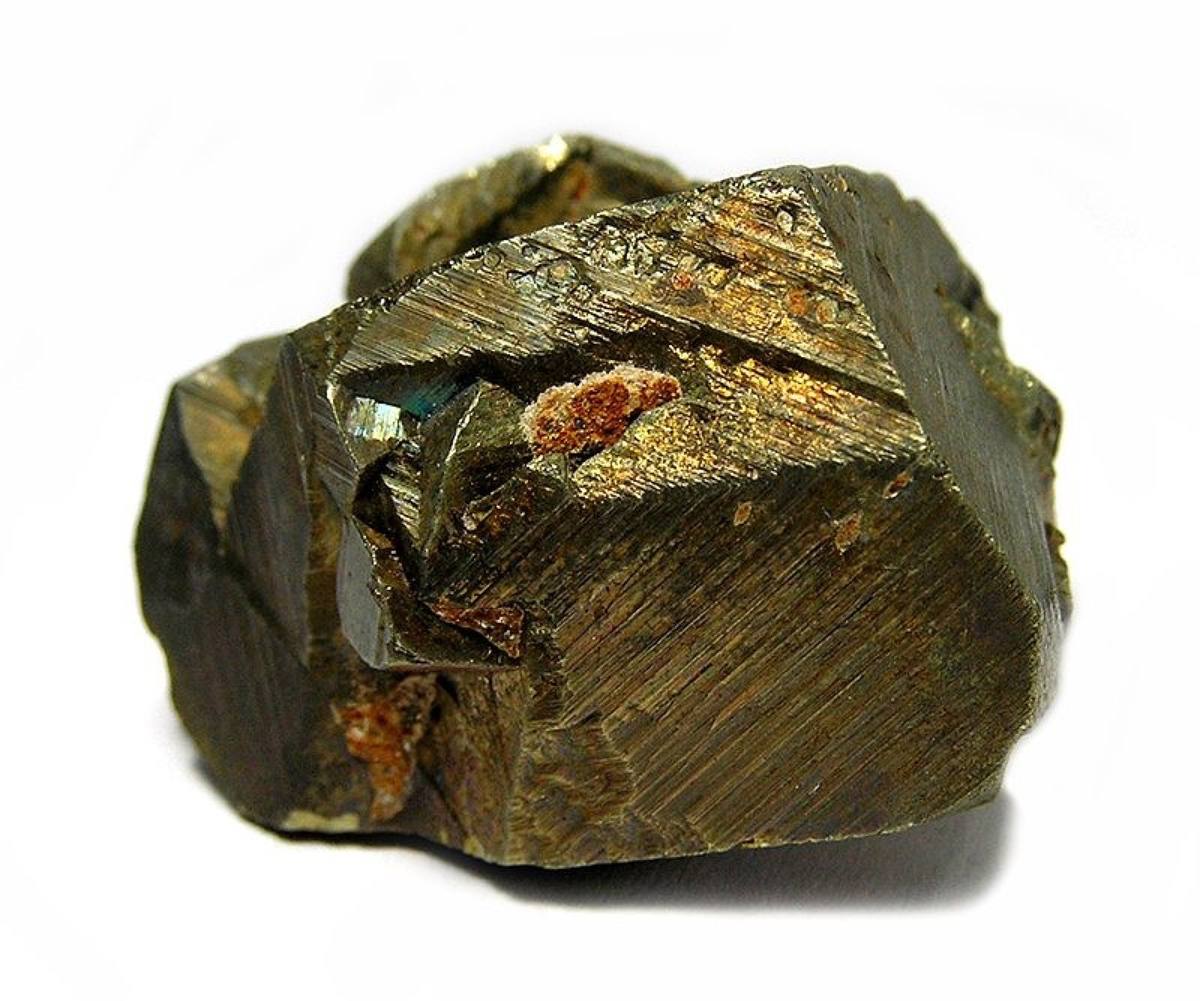
How to tell apart: Chalcopyrite is a deeper brassy gold, often iridescent, and is softer at 3.5 to 4 where pyrite is 6 to 6.5.
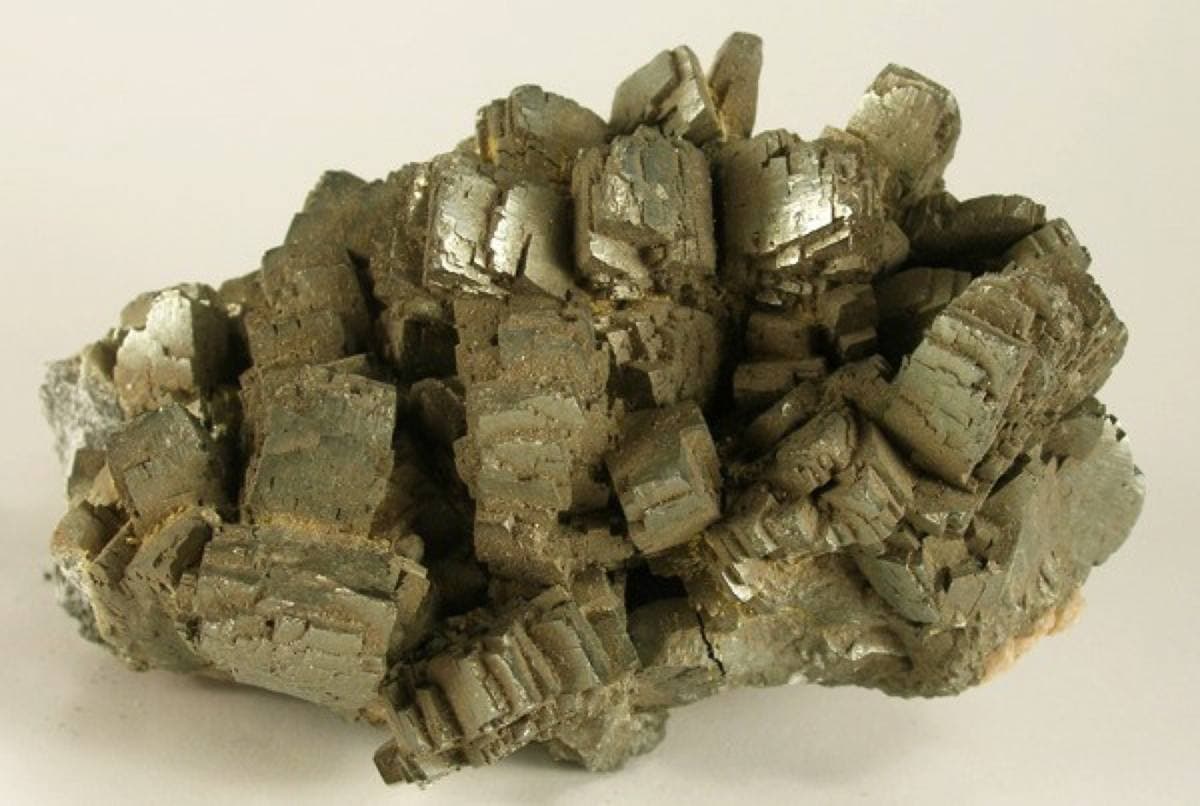
How to tell apart: Same chemistry, different structure. Marcasite is paler and much less stable, decomposing over time in a collection.
Often found alongside pyrite
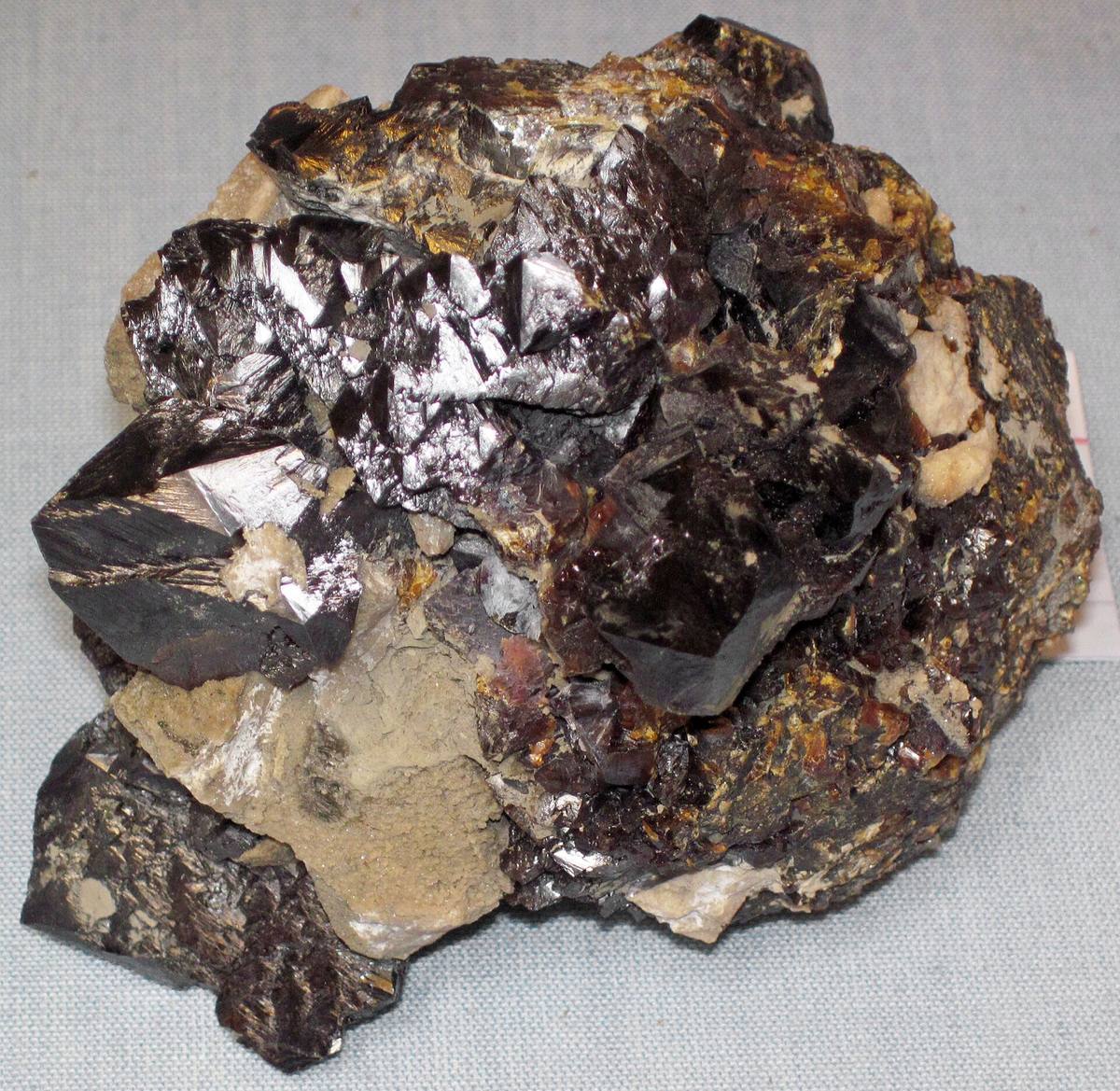
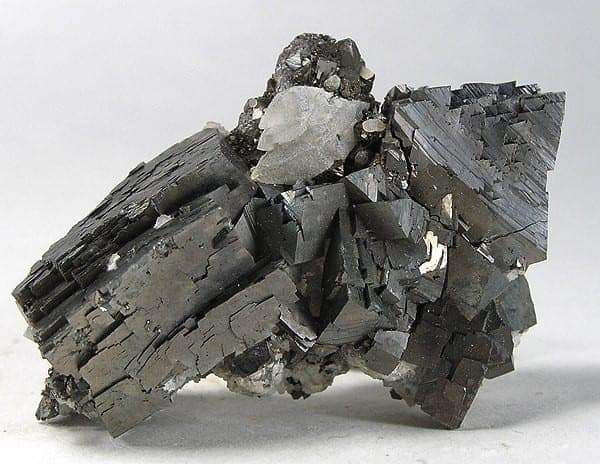
Minerals reported to co-occur with pyrite. Spotting these in float or country rock is a strong cue you are in the right ground.
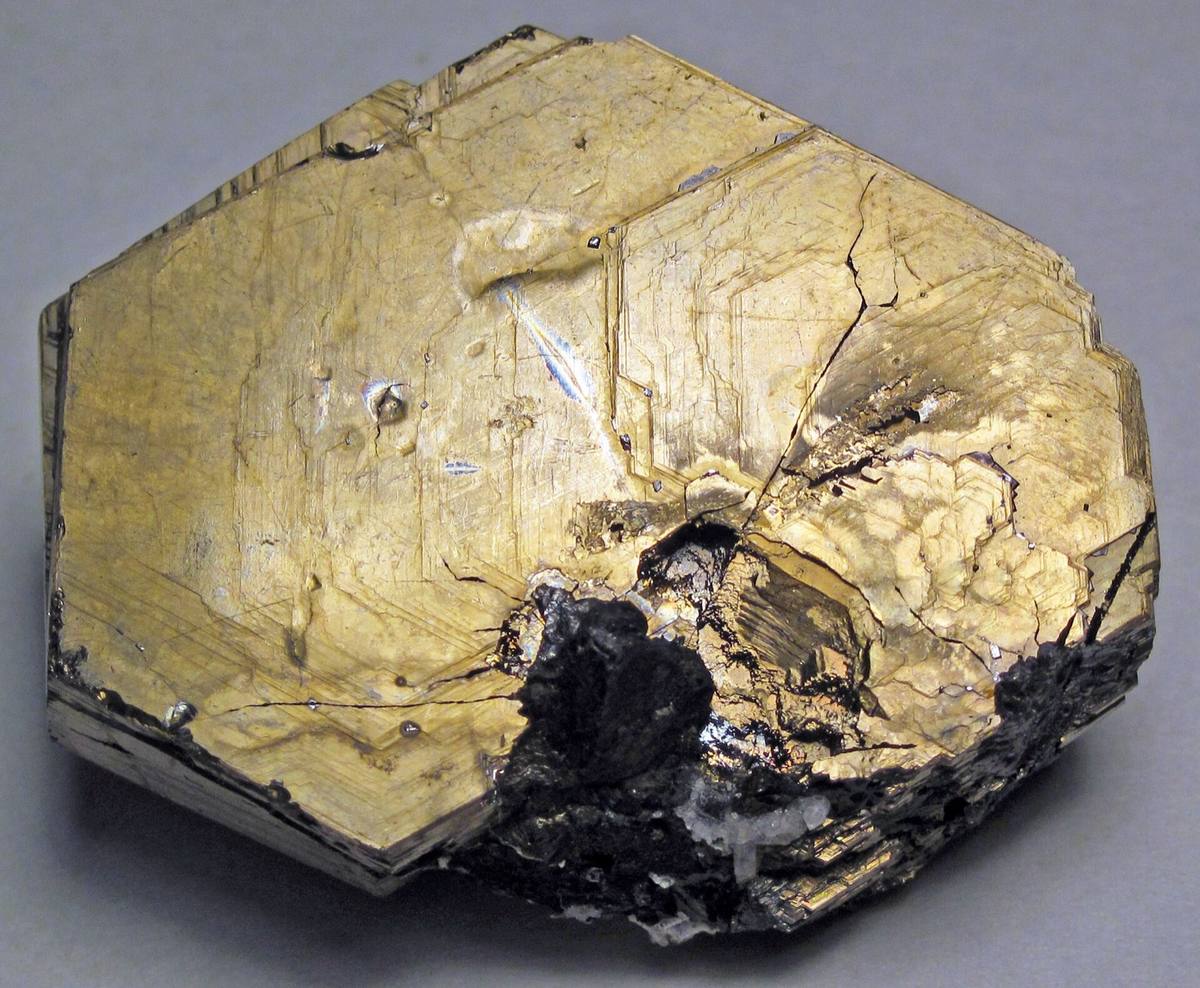
All properties
- Chemical formula
- FeS₂
- Mohs hardness
- 6-6.5
- Density
- 5.018 g/cm³
- Colors
- Streak
- Greenish black to brownish black
- Luster
- Metallic, splendent
- Transparency
- Opaque
- Crystal system
- Cubic
- Crystal habit
- Cubes, pyritohedrons, octahedrons, massive, granular
- Cleavage
- Indistinct on {001}; partings on {011} and {111}, indistinct
- Rarity
- Common
- Uses
- Collector, Decorative, Industrial
- Host rock
- Formed under a wide variety of conditions
Where rockhounds find pyrite
277 mapped spotsClassic worldwide localities
- Ibex mine, Leadville, Lake Co., Colorado, USA
- Santo Niño mine, near Duquesne, Santa Cruz Co., Arizona, USA
- Pennsylvania, at the French Creek mines, Chester Co., and in the Carleton talc mine, Chester, Windsor Co., Vermont, USA
- Butte, Silver Bow Co., Montana, USA
- Rio Marina, on Elba, and at Traversella, Piedmont, Italy
- Ambasaguas and Navajun, Logroño Province, Spain
U.S. states with pyrite
Each link opens a state-specific list of mapped rockhounding spots that produce pyrite.
- Utah53 spots
- Missouri36 spots
- North Carolina14 spots
- Pennsylvania12 spots
- Tennessee10 spots
- Virginia10 spots
- Ohio9 spots
- New York8 spots
Field-hunting tip
Where it forms: Formed under a wide variety of conditions. If you start seeing pyrrhotite, marcasite, galena in float, you are in the right ground. Typical habit: cubes, pyritohedrons, octahedrons, massive, granular. Train your eye for that shape before scanning the outcrop. In the U.S., the densest reported localities are in Utah, Missouri, North Carolina. Start trip planning there.
More pyrite photos
Common questions
How do you identify pyrite?+
Where is pyrite found?+
Can I find pyrite in the United States?+
What rocks look like pyrite?+
What minerals are found with pyrite?+
What kind of rock does pyrite form in?+
What is pyrite used for?+
Find pyrite on the map
RockHoundR shows mapped rockhounding spots, access rules, and lets you log every find.