
Fossil insects are biological specimens preserved within amber or fine-grained sedimentary rock. Collectors should inspect specimens for authenticity, as modern resin fakes are frequently sold as genuine fossils.
Hardness
1-3
Mohs
Luster
Resinous
Transparency
Translucent
Is this fossil insect?
4-step field checkRun through these checks against the specimen in your hand. The more boxes tick, the more confident the ID.
- 1Test the hardnessTry to scratch fossil insect with a known reference. Fossil Insect sits at Mohs 1-3, softer than the next harder reference, harder than the previous one.
- 2Name the organismDecide what left the fossil before worrying about the rock. Organism: Insects. Age: Oldest proposed insect fossil about 400 million years old (Devonian).
- 3Read the lusterHold the specimen under a strong light. Luster: resinous.
- 4Match the color rangeCompare against the expected color range: brown, amber, black, yellow.
Often found alongside fossil insect
Minerals reported to co-occur with fossil insect. Spotting these in float or country rock is a strong cue you are in the right ground.
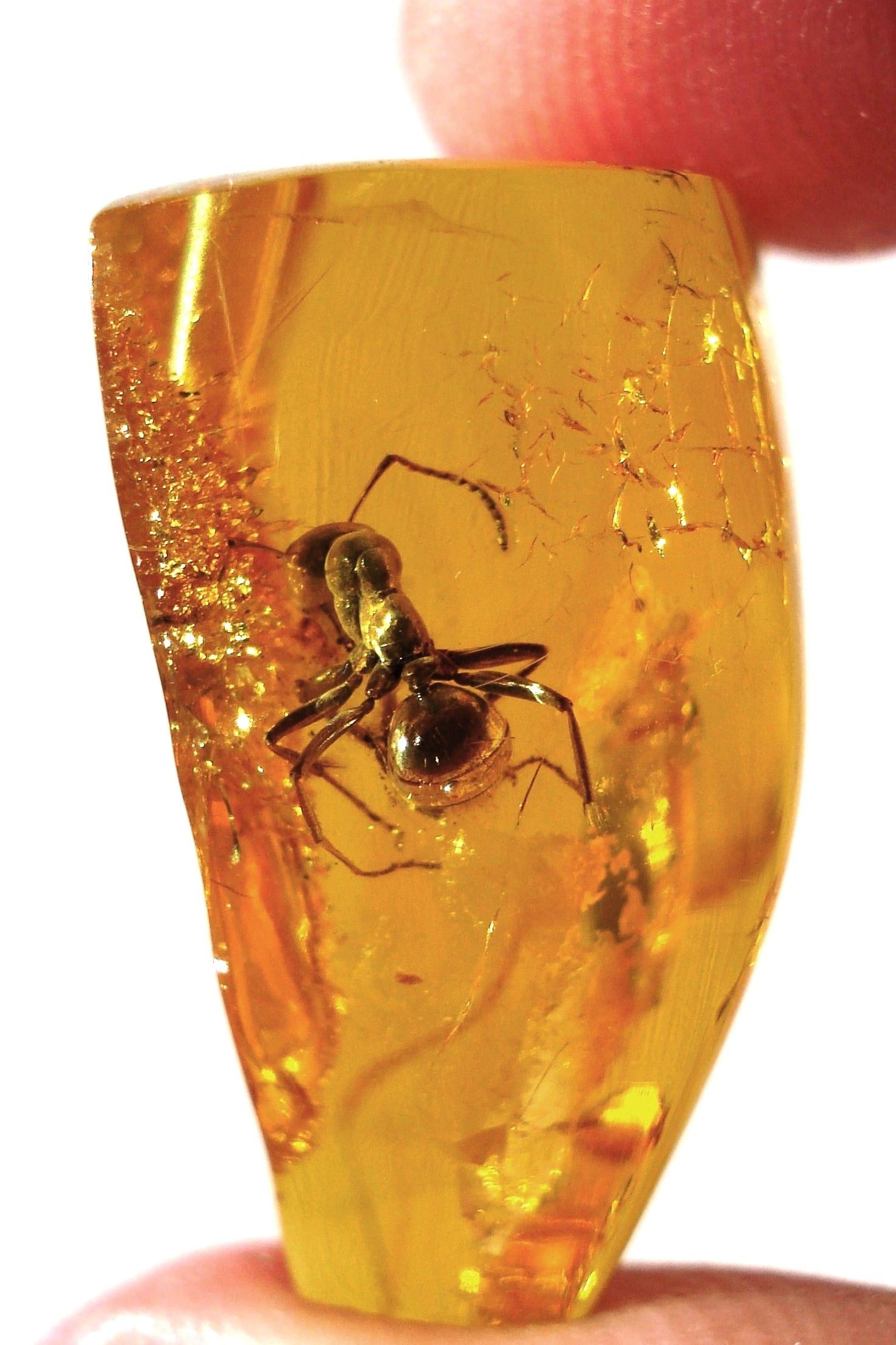
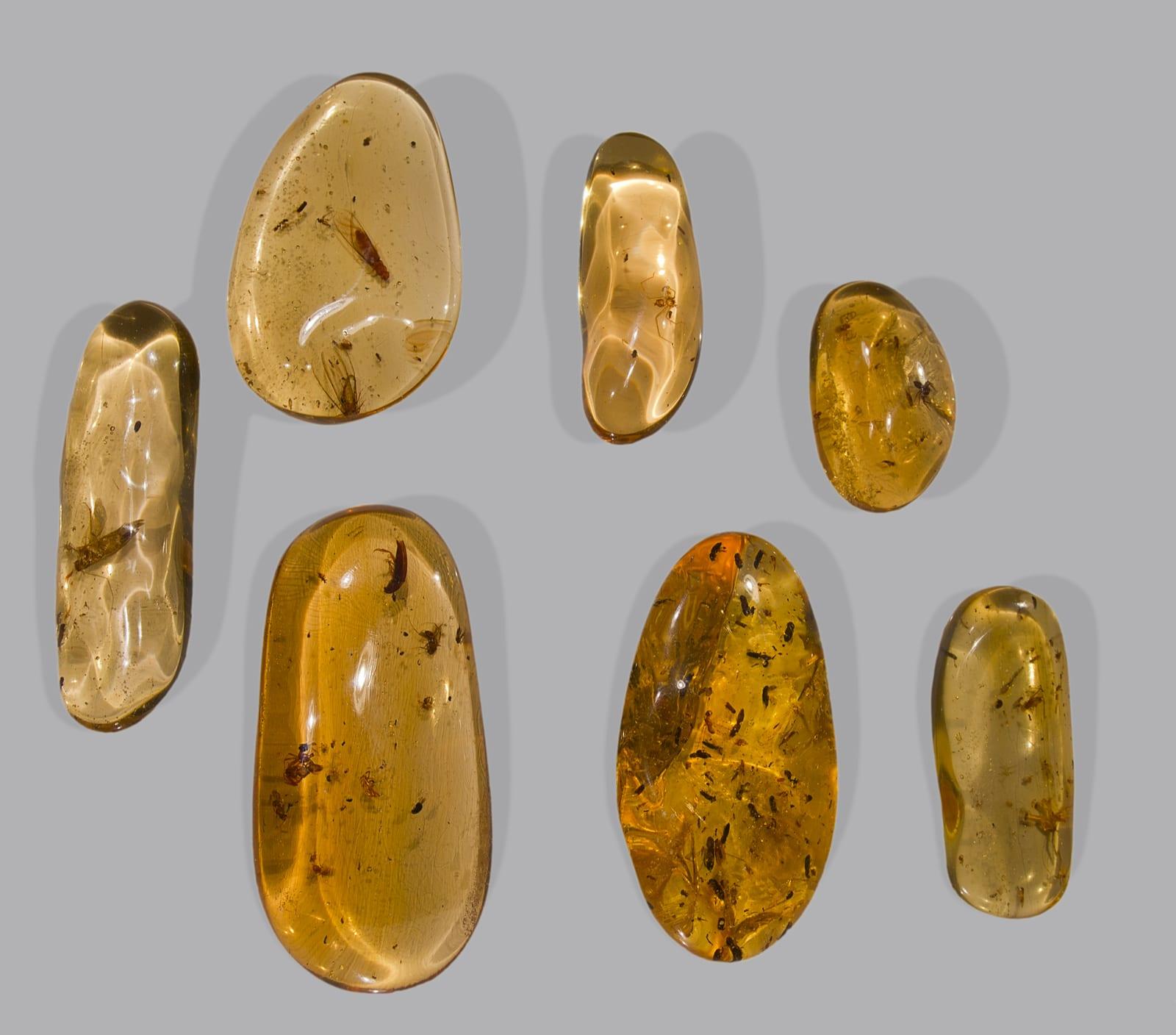
All properties
- Mohs hardness
- 1-3
- Density
- 1.0-2.5 g/cm³
- Luster
- Resinous
- Transparency
- Translucent
- Rarity
- Uncommon
- Uses
- Collector, Scientific research, Museum display
- Host rock
- amber, bituminous coal, sedimentary siltstone
- Organism
- Insects
- Age
- Oldest proposed insect fossil about 400 million years old (Devonian)
Where rockhounds find fossil insect
Classic worldwide localities
- Baltic Sea region
- Dominican Republic
- Myanmar
- New Jersey, USA
Field-hunting tip
Where it forms: amber, bituminous coal, sedimentary siltstone. If you start seeing amber, copal, sedimentary shale in float, you are in the right ground.
Common questions
How do you identify fossil insect?+
Mohs hardness is 1-3. Organism: Insects. Luster: resinous. Common colors include brown, amber, black, yellow.
Where is fossil insect found?+
Notable localities include Baltic Sea region; Dominican Republic; Myanmar; New Jersey, USA.
What minerals are found with fossil insect?+
Fossil Insect commonly co-occurs with amber, copal, sedimentary shale. Spotting any of these in float or country rock is a useful trip signal.
What kind of rock does fossil insect form in?+
Where it forms: amber, bituminous coal, sedimentary siltstone. Working float back to the host body is the standard way to chase a fresh occurrence.
What is fossil insect used for?+
Fossil Insect is used in collector, scientific research, museum display.
Find fossil insect on the map
RockHoundR shows mapped rockhounding spots, access rules, and lets you log every find.

