Mercury is a rare liquid metallic element that occurs naturally as small, spherical, silvery-white droplets within hydrothermal deposits. It is most commonly found associated with cinnabar, which is its primary ore. Due to its toxicity and high density, collectors must handle samples with extreme caution and ensure they are properly encapsulated.
Is this mercury?
4-step field checkRun through these checks against the specimen in your hand. The more boxes tick, the more confident the ID.
- 1Test the hardnessTry to scratch mercury with a known reference. Mercury sits at Mohs 0, softer than the next harder reference, harder than the previous one.
- 2Read the lusterHold the specimen under a strong light. Luster: metallic, brilliant.
- 3Match the color rangeCompare against the expected color range: tin white, gray white.
- 4Look at form & habitCrystal system: trigonal. Typical habit: liquid.
Often found alongside mercury
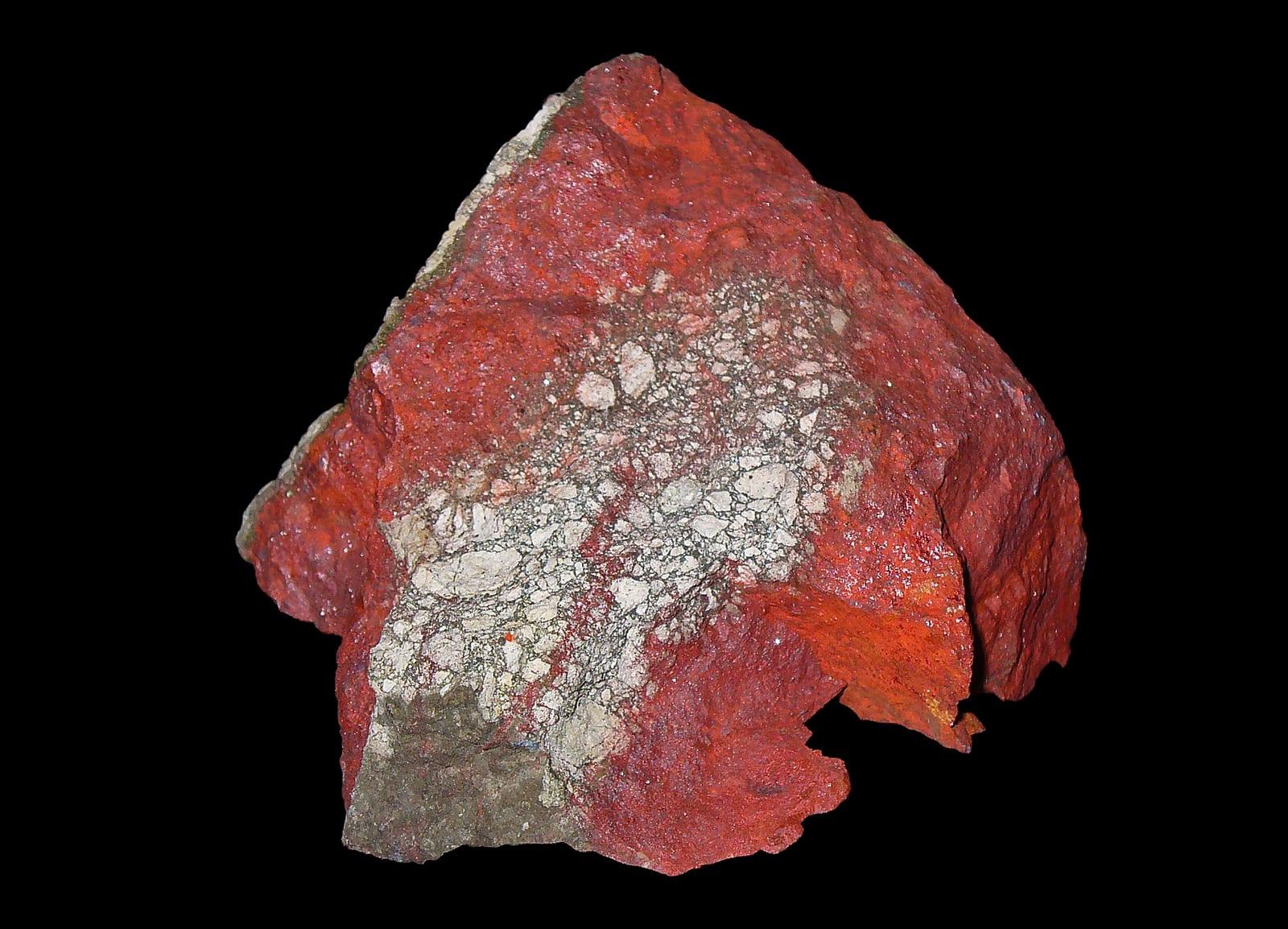
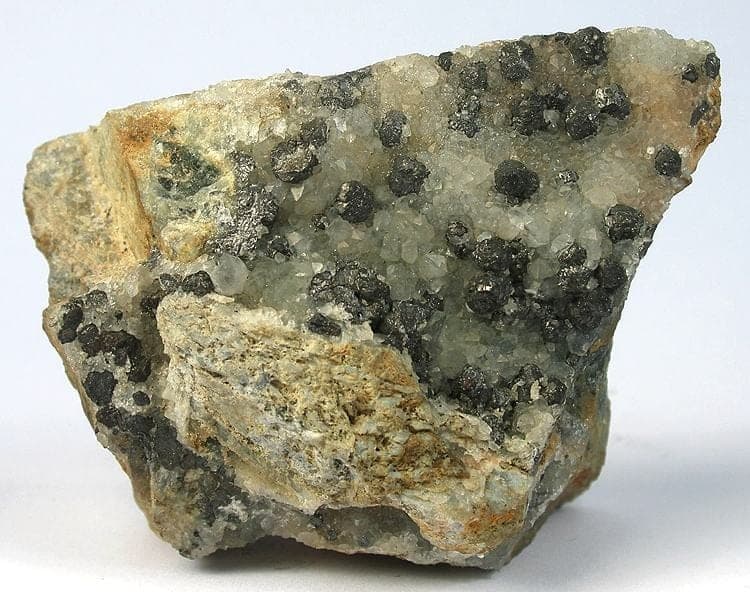
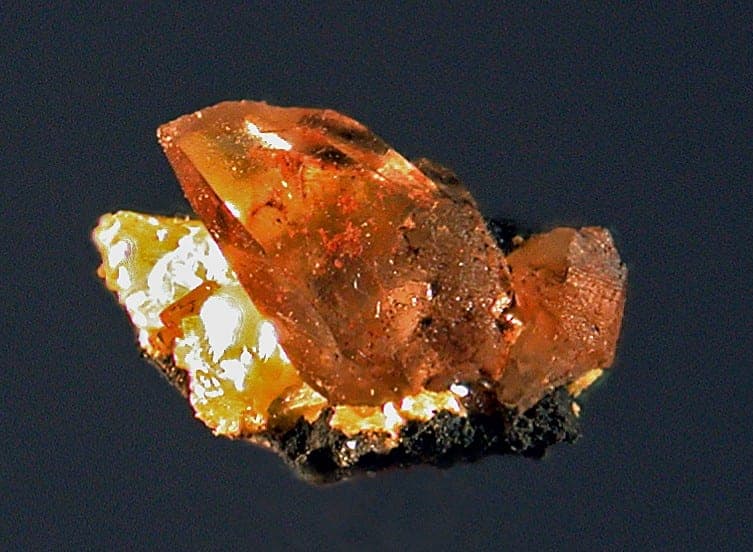
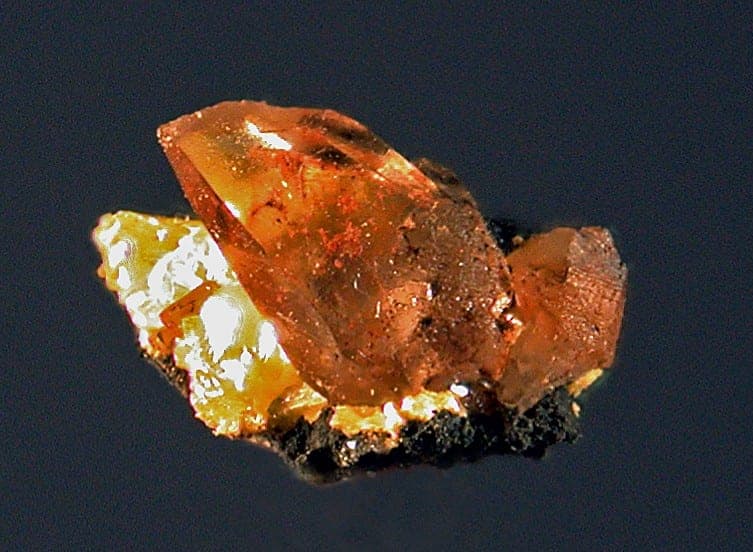
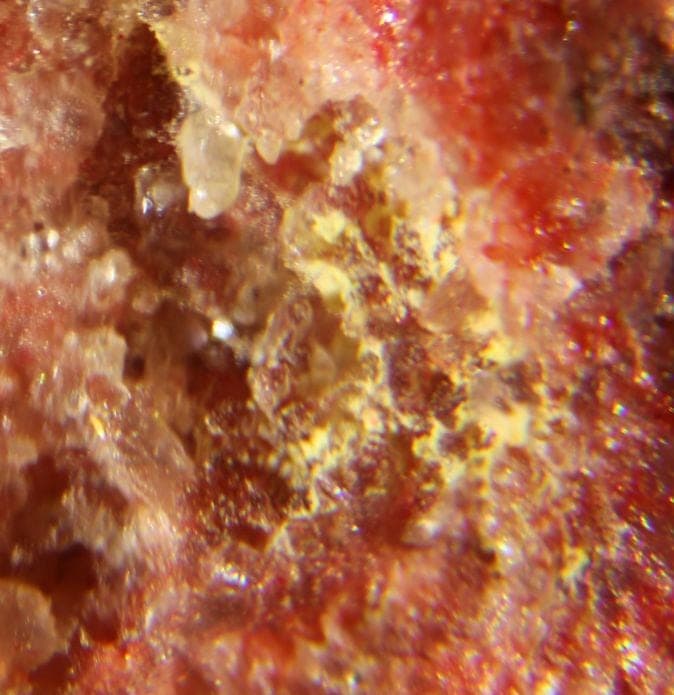
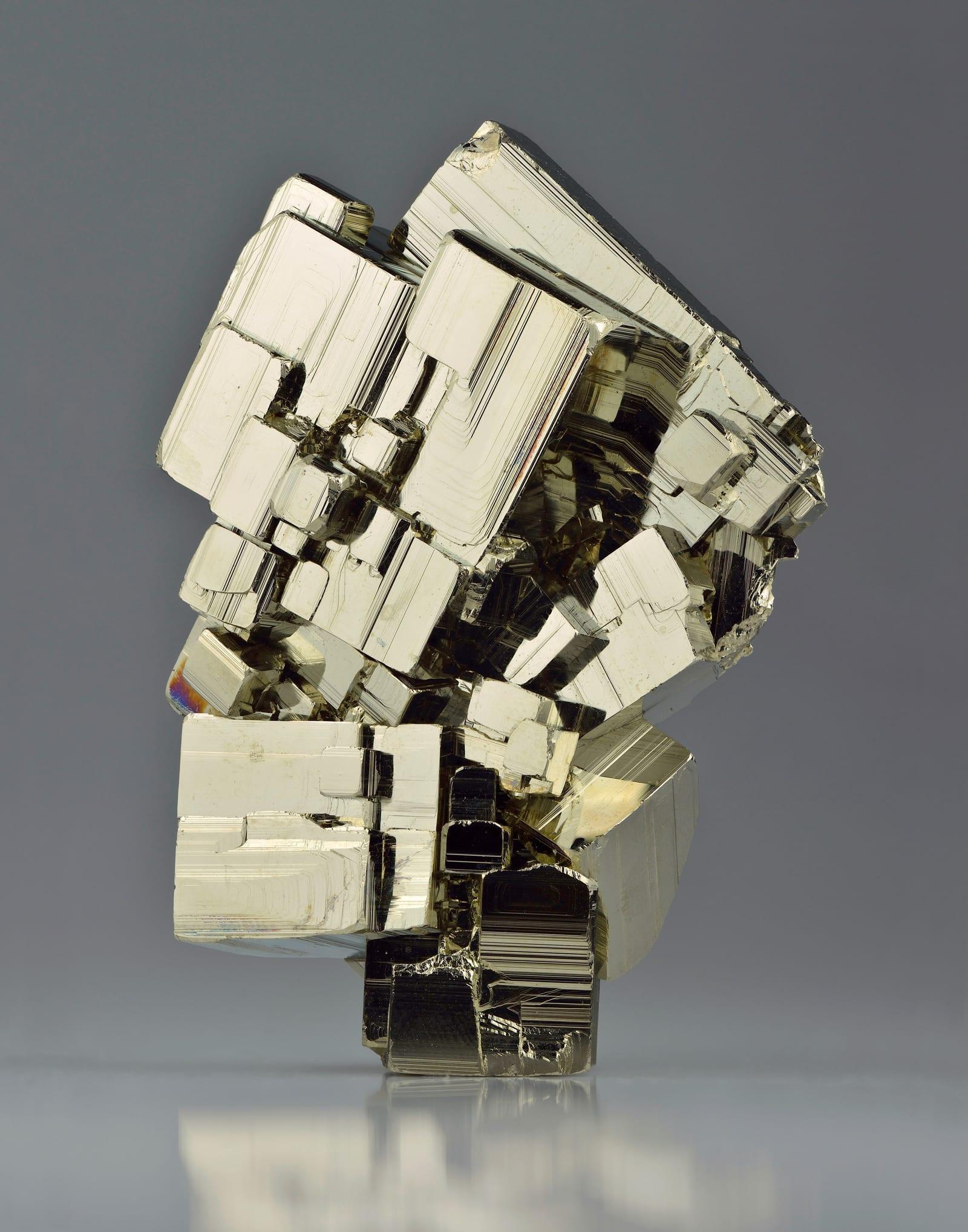
Minerals reported to co-occur with mercury. Spotting these in float or country rock is a strong cue you are in the right ground.
All properties
- Chemical formula
- Hg
- Mohs hardness
- 0
- Density
- 13.596 g/cm³
- Colors
- Luster
- Metallic, brilliant
- Transparency
- Opaque
- Crystal system
- Trigonal
- Crystal habit
- Liquid
- Cleavage
- None
- Rarity
- Rare
- Uses
- Scientific instrument, Industrial, Historical specimen
- Host rock
- In hydrothermal deposits formed at low temperature and associated with hot springs
Where rockhounds find mercury
11 mapped spotsClassic worldwide localities
- New Almaden, Santa Clara Co., and Mt. Diablo, Contra Costa Co., California, USA
- Terlingua, Brewster Co., Texas, USA
- A noted locality at Almadén, Ciudad Real Province, Spain
- Mount Avala, near Belgrade, Serbia
- Idrija (Idria), Slovenia
- Landsberg, near Obermoschel, Rhineland-Palatinate, Germany
Field-hunting tip
Where it forms: In hydrothermal deposits formed at low temperature and associated with hot springs. If you start seeing cinnabar, metacinnabar, calomel in float, you are in the right ground. Typical habit: liquid. Train your eye for that shape before scanning the outcrop. In the U.S., the densest reported localities are in Nevada, Texas. Start trip planning there.
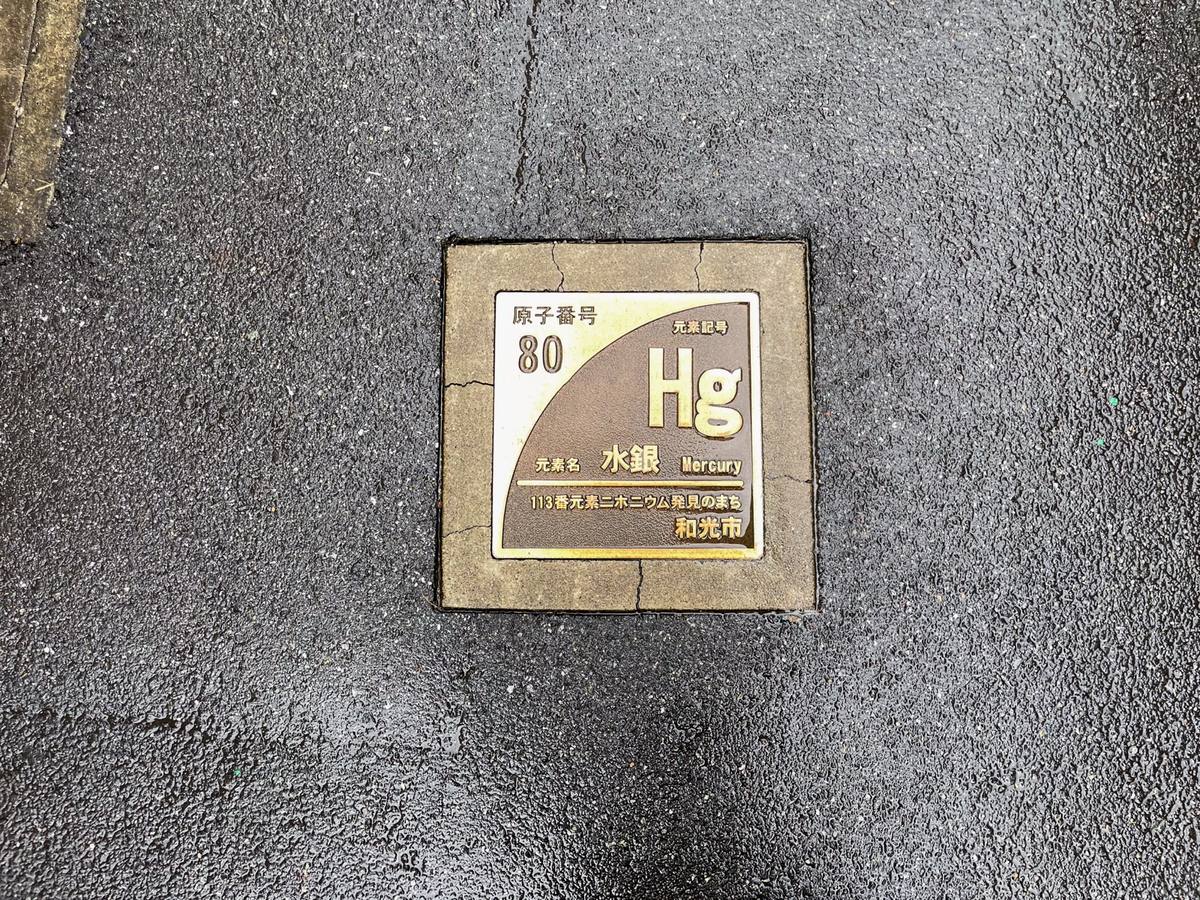
More mercury photos

Common questions
How do you identify mercury?+
Where is mercury found?+
Can I find mercury in the United States?+
Is mercury safe to handle?+
What minerals are found with mercury?+
What kind of rock does mercury form in?+
What is mercury used for?+
Find mercury on the map
RockHoundR shows mapped rockhounding spots, access rules, and lets you log every find.