Brachiopods are marine invertebrates that lived in shells composed of two unequal valves, often found preserved in Paleozoic limestone and shale deposits. Collectors should look for their distinct bilateral symmetry, which helps distinguish them from bivalves, as their internal anatomical structure creates a unique hinge mechanism. They are frequently discovered as fossils in marine sedimentary sequences worldwide, often associated with crinoids and bryozoans.
Spotting brachiopod in the field
Field marks- 1
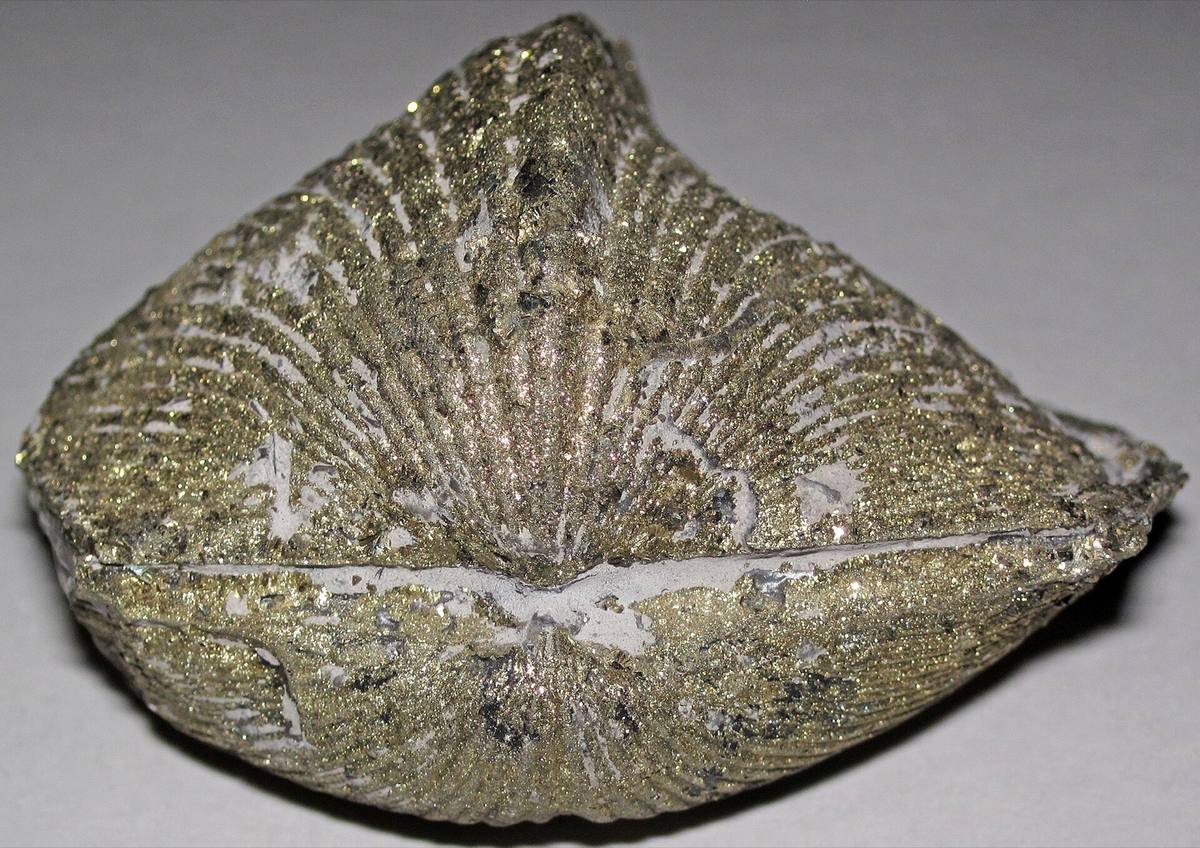
Two shells of unequal size, with a mirror line running down the middle of each valve
- 2
Often ribbed radially, fan-shaped or rounded, thumbnail to palm sized
- 3
Many have a small beak with an opening where a fleshy stalk emerged
The symmetry rule sorts brachiopods from clams instantly and it is worth committing to memory: a brachiopod's two valves are different sizes but each valve is symmetrical about the midline, while a clam's two valves match each other but each one is asymmetric. They are among the most abundant fossils on Earth in Paleozoic limestone and shale, so almost any limestone road cut in the eastern half of the country will produce them.
Straight answers
- Is it worth cutting?
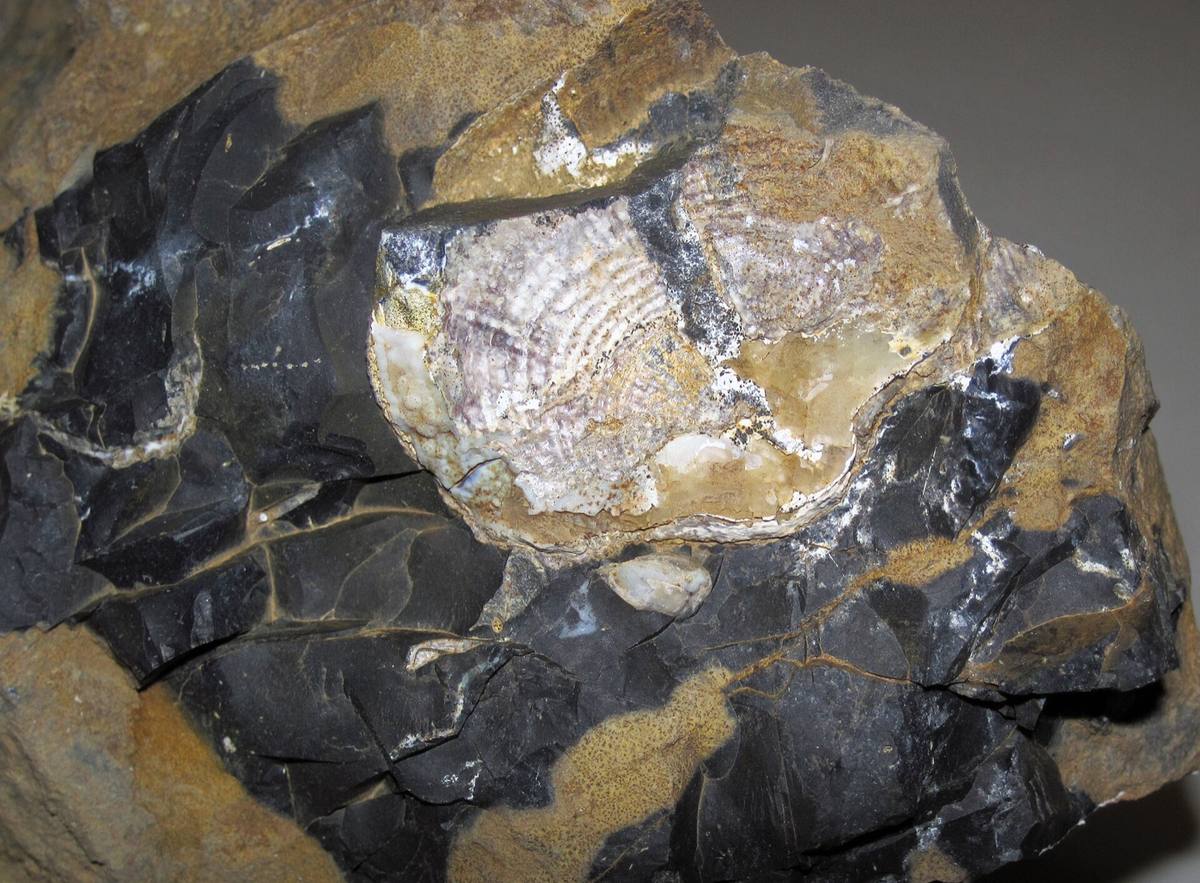
- Not cut. Cleaned and displayed, or left in a matrix plate showing a fossil assemblage.
- What is it really worth?
- Effectively none for common species, which is exactly what makes them the best fossils to learn on and the best to give to a kid.
- Can you legally keep it?
- Invertebrates, so reasonable personal-use collecting is permitted on BLM and Forest Service land without a permit, with no sale of the material.
Often confused with
Brachiopod vs. its common look-alikes, and how to tell them apart in the field.
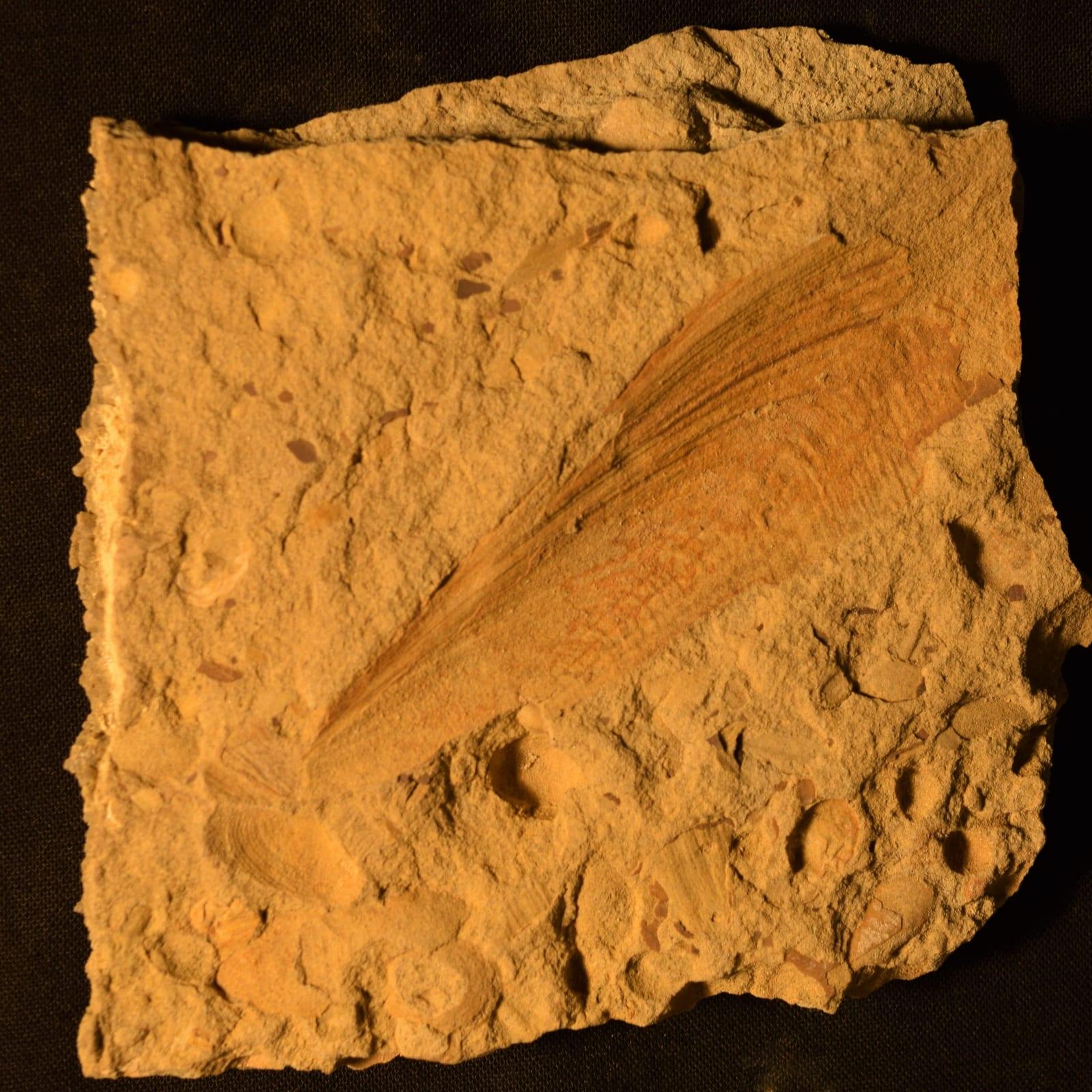
Often found alongside brachiopod
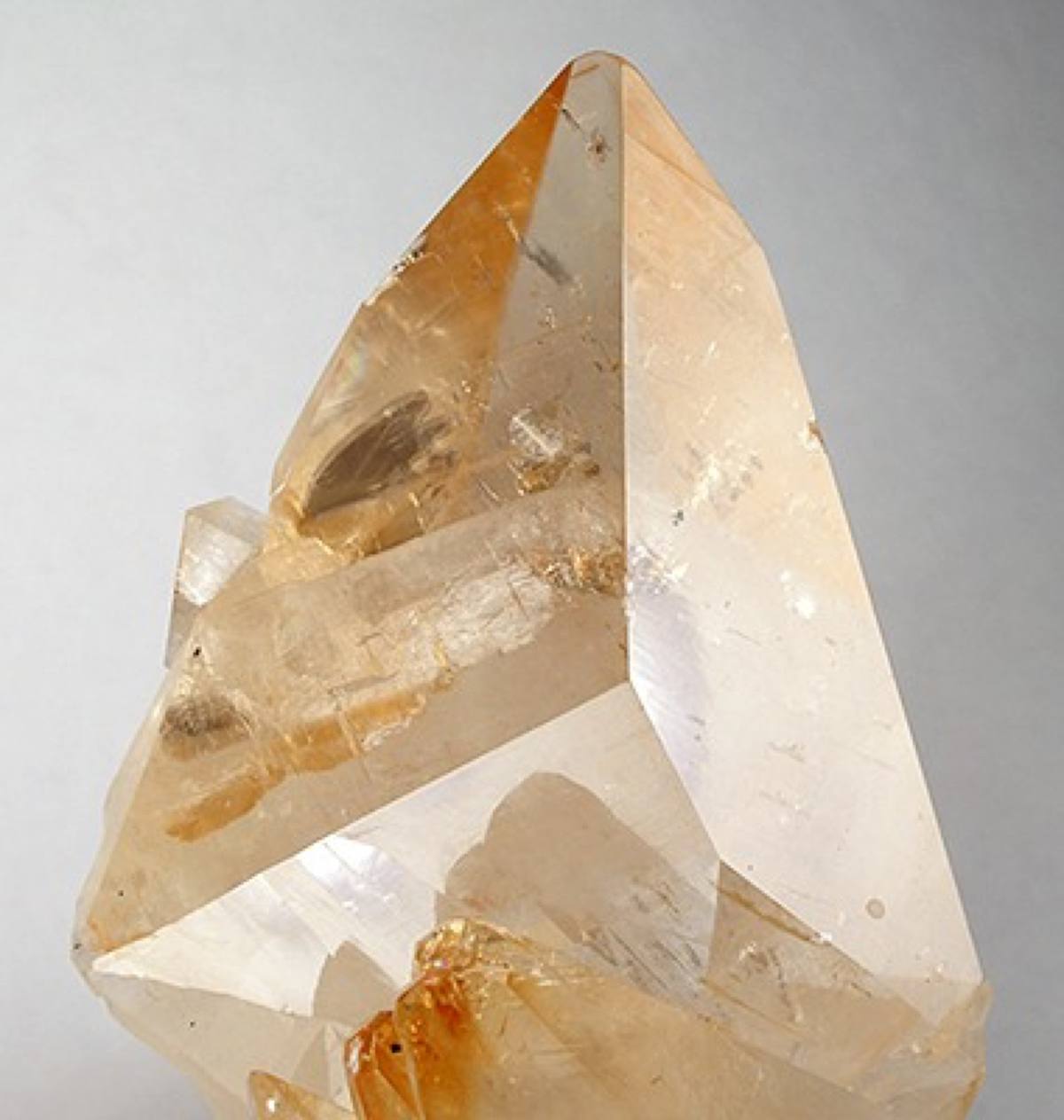
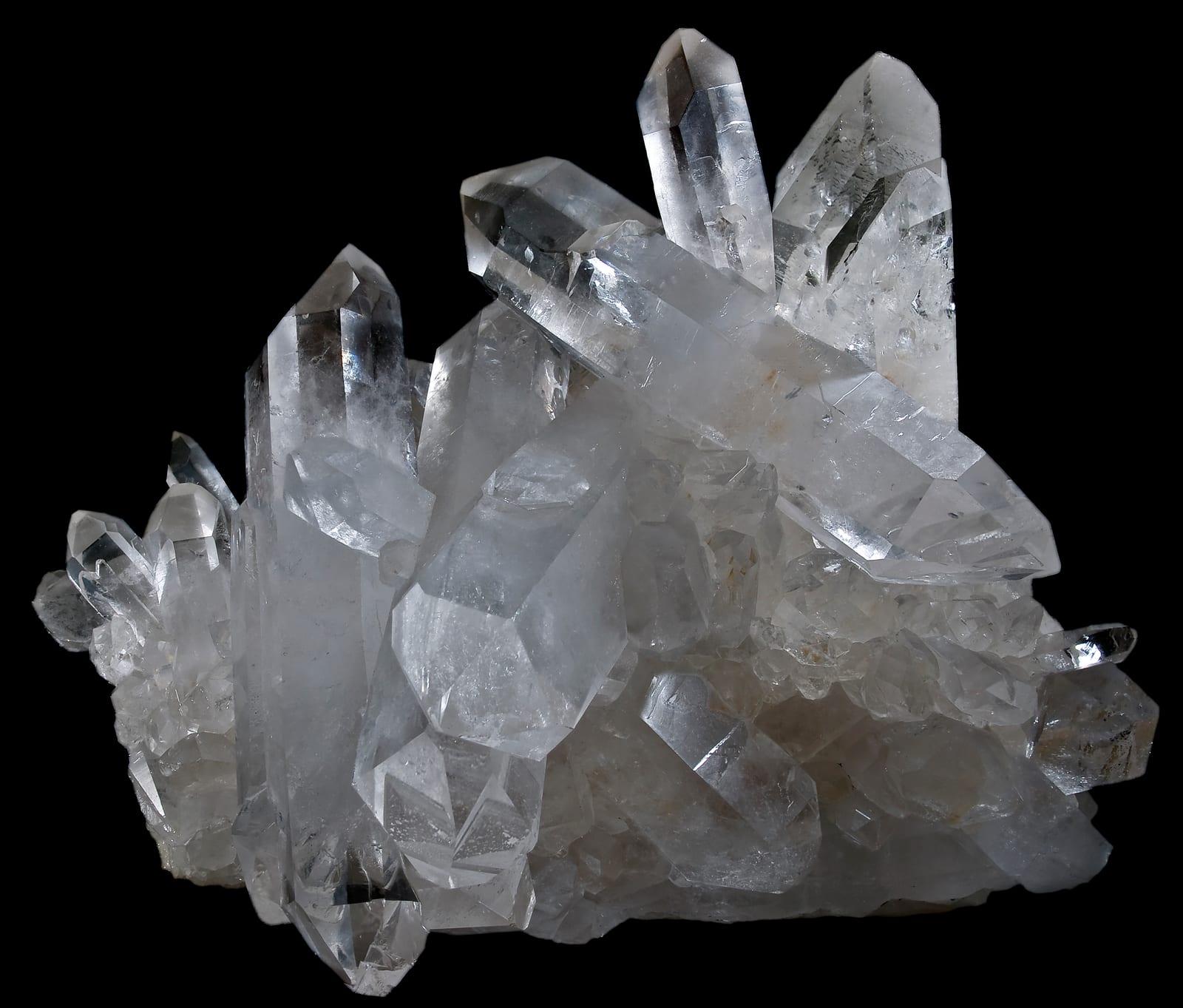
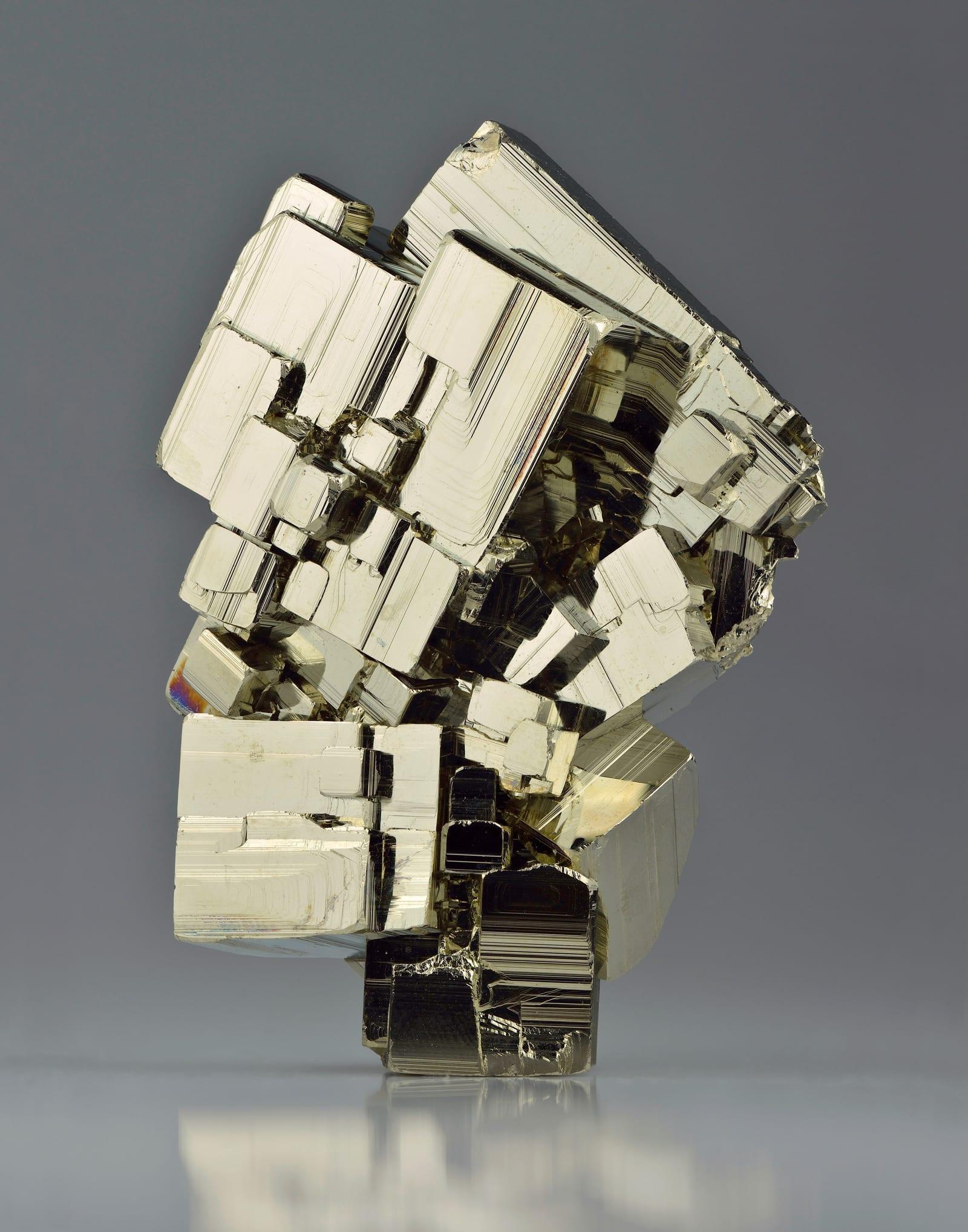
Minerals reported to co-occur with brachiopod. Spotting these in float or country rock is a strong cue you are in the right ground.
All properties
- Rarity
- Common
- Uses
- Collector, Educational, Paleontological
- Host rock
- sedimentary
- Organism
- Brachiopods (lamp shells)
- Age
- Early Cambrian to recent; most diverse in the Paleozoic
Where rockhounds find brachiopod
17 mapped spotsClassic worldwide localities
- United Kingdom
- United States
- Canada
- China
- Morocco
U.S. states with brachiopod
Each link opens a state-specific list of mapped rockhounding spots that produce brachiopod.
Field-hunting tip
Where it forms: sedimentary. If you start seeing calcite, quartz, pyrite in float, you are in the right ground. In the U.S., the densest reported localities are in Michigan, Ohio, Illinois. Start trip planning there.
More brachiopod photos
Common questions
Where is brachiopod found?+
Can I find brachiopod in the United States?+
What rocks look like brachiopod?+
What minerals are found with brachiopod?+
What kind of rock does brachiopod form in?+
What is brachiopod used for?+
Find brachiopod on the map
RockHoundR shows mapped rockhounding spots, access rules, and lets you log every find.