
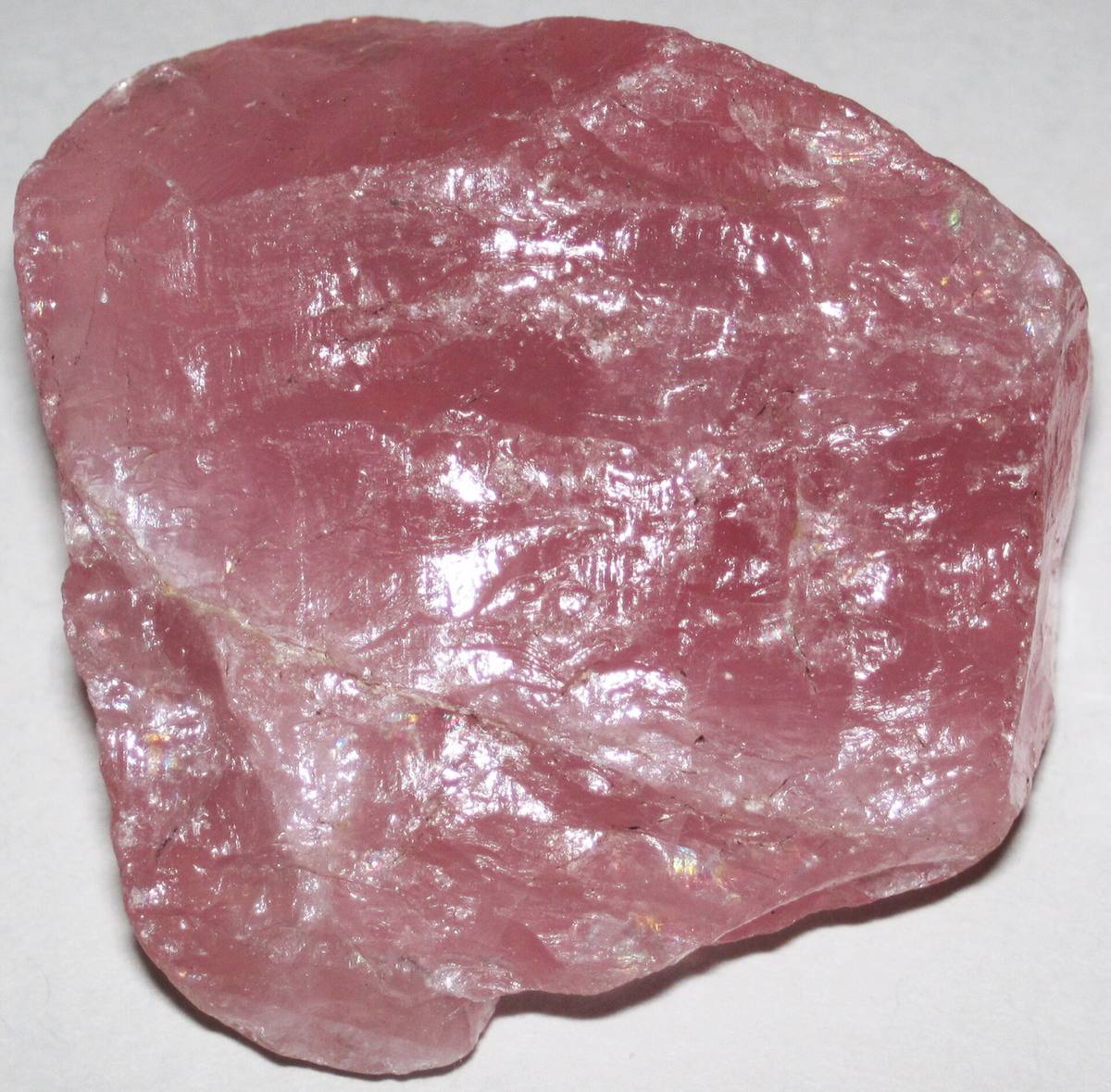
Quartz is one of the most abundant minerals on Earth, occurring in nearly every geological environment. It is easily identified by its hardness of 7, lack of cleavage, and characteristic glassy luster on crystal faces. Collectors often look for well-formed hexagonal prismatic crystals, which can grow to immense sizes in pegmatite pockets.
Spotting quartz in the field
Field marks- 1
Six-sided prisms ending in a pyramid point where there was room to grow
- 2
Glassy, not waxy, and breaks in curved shells rather than flat plates
- 3
Hardness 7: it scratches glass and a steel knife will not mark it
Quartz is the most common mineral you will ever pick up, and the skill is not finding it but judging whether a given piece is worth carrying out. Look for pockets and vugs in granite, pegmatite and quartz veins, where crystals had open space to form faces. A milky vein running through a hillside is worth following uphill to where it widens, because that is where pockets tend to sit. The single most useful habit is checking terminations: a crystal with an undamaged point is worth ten with chipped tips.
Straight answers
- Is it worth cutting?
- Massive quartz tumbles fine but is rarely interesting. Well-formed crystals are worth more left alone than cut, so clean them rather than cutting them.
- What is it really worth?
- Effectively free as common material. Clean, undamaged, well-terminated crystals and unusual habits are what carry value, not size alone.
- Can you legally keep it?
- Collecting on BLM and most national forest land is allowed for personal use in reasonable amounts, without power equipment. National parks are closed. Arkansas has both free public digging on parts of the Ouachita National Forest and long-established pay-to-dig mines.
Where it is worth going
- Mount Ida and JessievilleOuachita Mountains, Arkansas
The best-known clear quartz in the United States. A mix of free national forest collecting areas and commercial fee-dig mines.
Often confused with
Quartz vs. its common look-alikes, and how to tell them apart in the field.
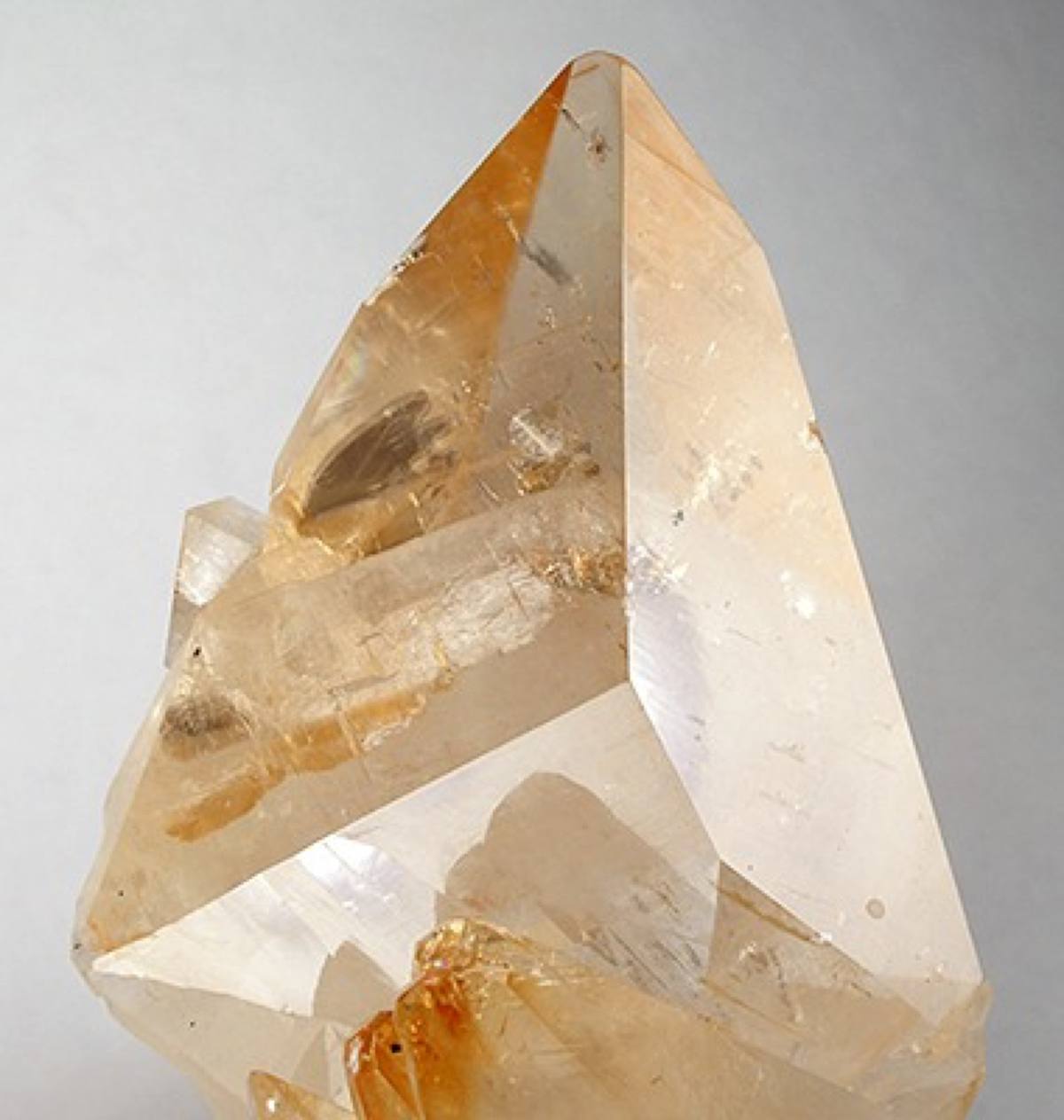
How to tell apart: Calcite is hardness 3 and a knife marks it easily. It also fizzes in dilute acid and breaks along flat rhombic planes, while quartz breaks in curved shells.
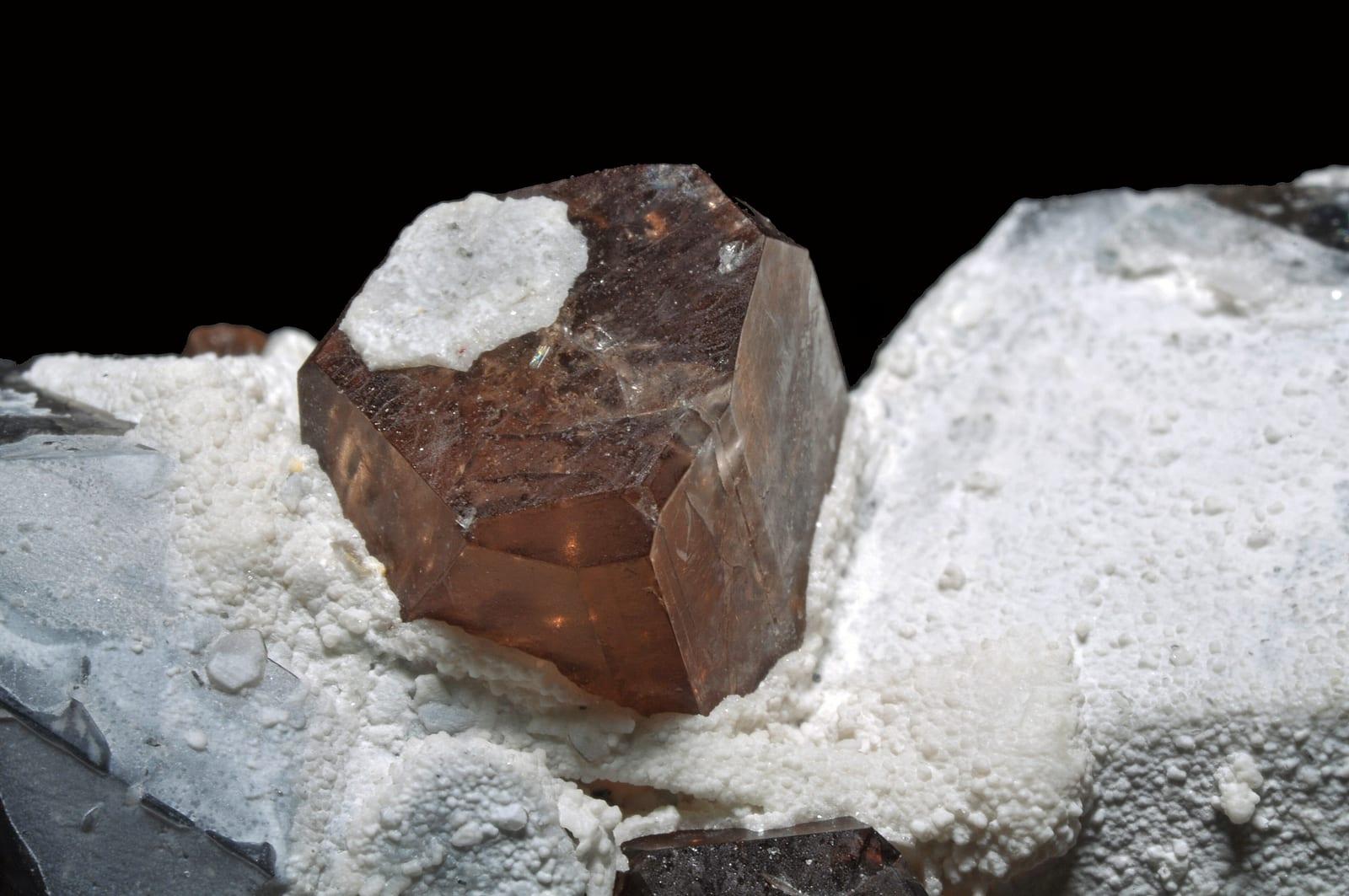
How to tell apart: Topaz is heavier for its size and has one perfect basal cleavage, so it can split cleanly across the crystal. Quartz has no cleavage at all.
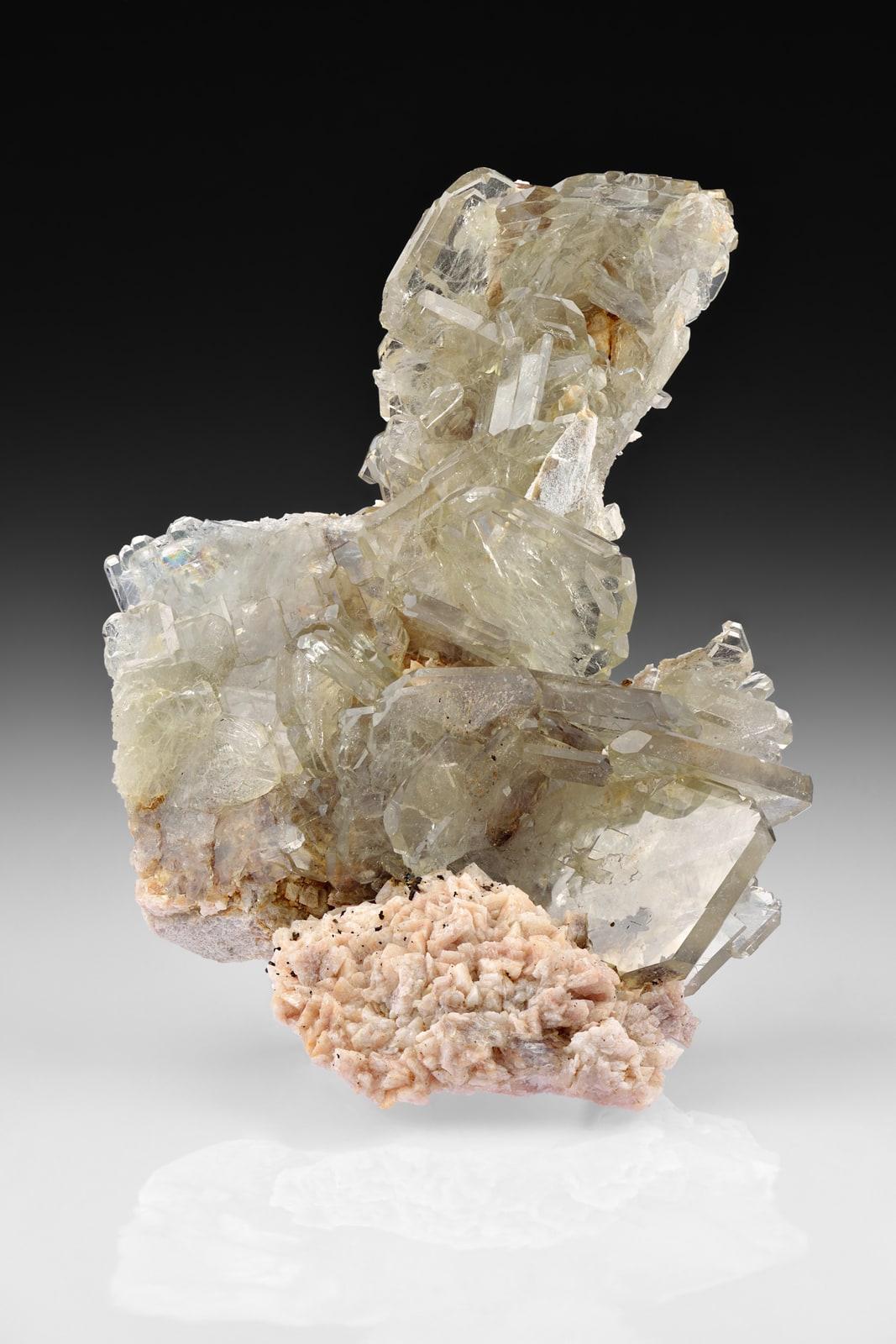
How to tell apart: Barite is strikingly heavy for a pale mineral and is soft at 3 to 3.5. If it feels too heavy and marks with a knife, it is not quartz.
Often found alongside quartz
Minerals reported to co-occur with quartz. Spotting these in float or country rock is a strong cue you are in the right ground.
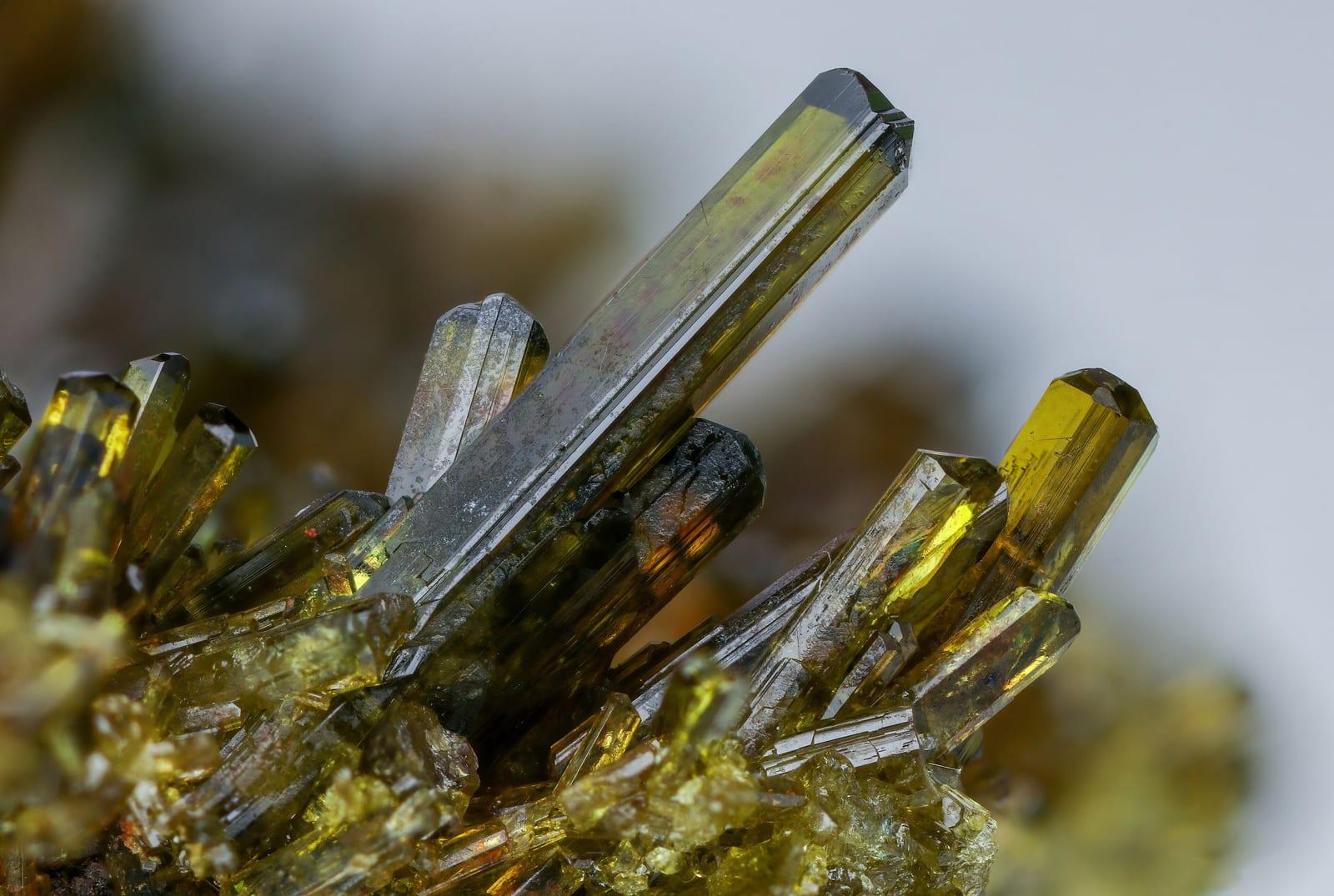
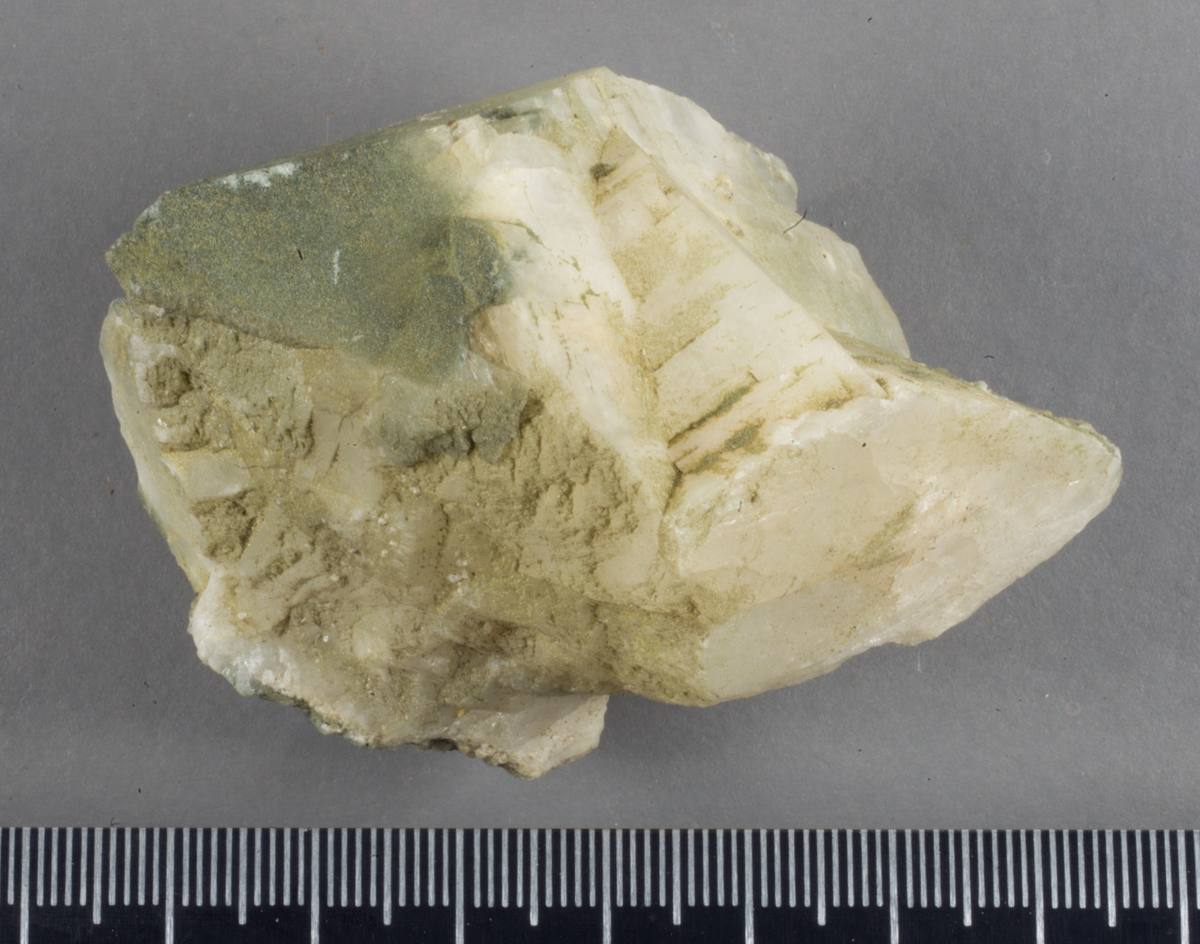
All properties
- Chemical formula
- SiO₂
- Mohs hardness
- 7
- Density
- 2.65 g/cm³
- Streak
- White
- Luster
- Vitreous; waxy to dull when massive
- Transparency
- Transparent to nearly opaque
- Crystal system
- Trigonal
- Crystal habit
- Prismatic crystals with pyramidal terminations, massive, granular
- Cleavage
- Rarely observable, poor on {1011}, {0111}, {1010}, some others; rhombohedral parting
- Fluorescence
- Yellow-orange under SW and LW UV
- Rarity
- Common
- Uses
- Gemstone, Lapidary, Industrial, Collector
- Host rock
- In hydrothermal veins, epithermal to alpine; characteristic of granites and granite pegmatites; in sandstones and quartzites, less abundant in other rock types; in hydrothermal metal deposits
Where rockhounds find quartz
529 mapped spotsClassic worldwide localities
- Mt. Ida to Hot Springs, Ouachita Mountains, Arkansas, USA
- Middleville, Herkimer Co., New York, USA
- Alexander and Lincoln Cos., North Carolina, USA
- Pala and Mesa Grande districts, San Diego Co., California, USA
- Carrara, Tuscany, Italy
- Mursinka, Ural Mountains, in the Dodo mine, about 100 km west-northwest of Saranpaul, Subpolar Ural Mountains, Russia
U.S. states with quartz
Each link opens a state-specific list of mapped rockhounding spots that produce quartz.
- North Carolina57 spots
- Utah34 spots
- Pennsylvania33 spots
- Michigan32 spots
- Virginia28 spots
- Oregon23 spots
- Missouri22 spots
- New Jersey21 spots
Field-hunting tip
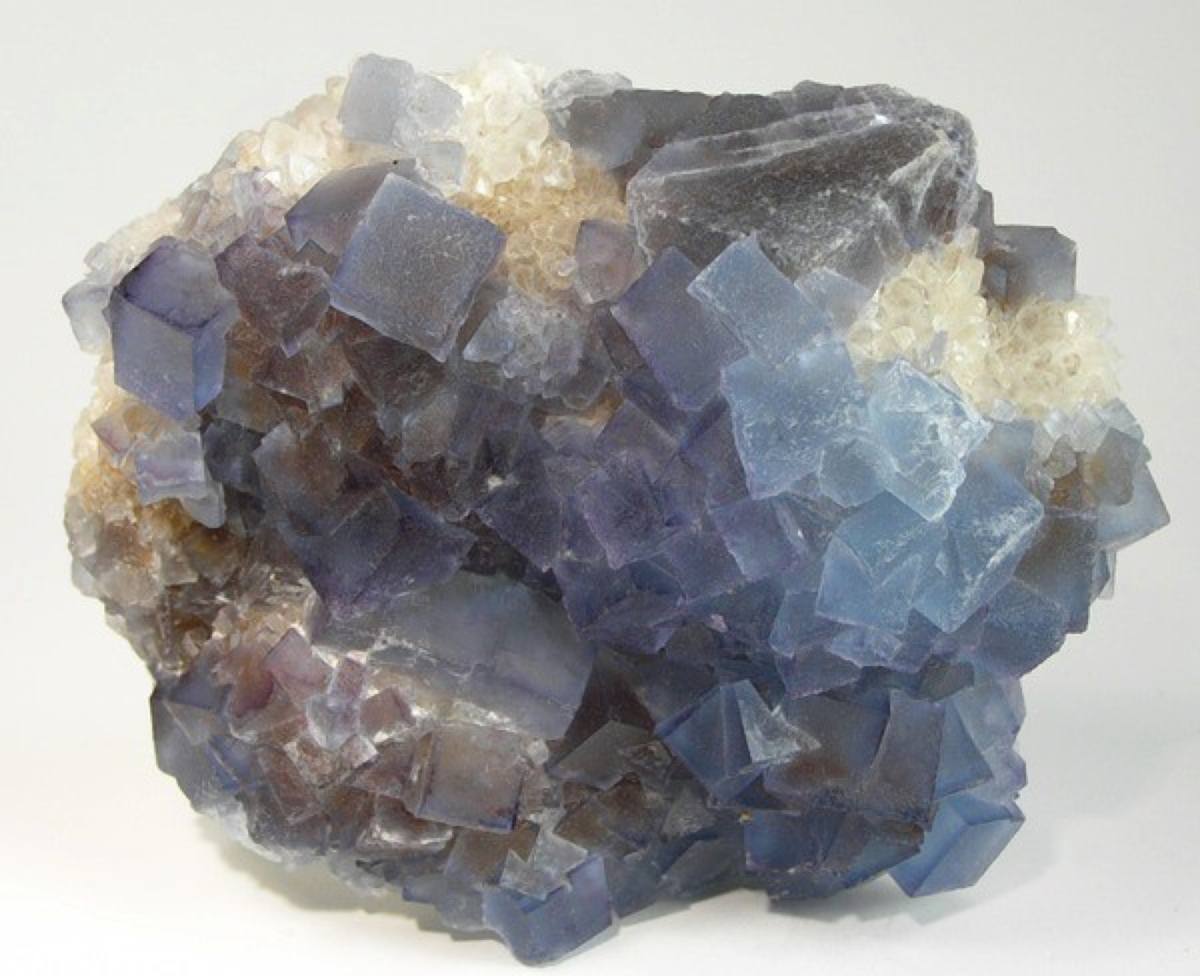
Where it forms: In hydrothermal veins, epithermal to alpine; characteristic of granites and granite pegmatites; in sandstones and quartzites, less abundant in other rock types; in hydrothermal metal deposits. If you start seeing calcite, fluorite, feldspars in float, you are in the right ground. Typical habit: prismatic crystals with pyramidal terminations, massive, granular. Train your eye for that shape before scanning the outcrop. In the U.S., the densest reported localities are in North Carolina, Utah, Pennsylvania. Start trip planning there.
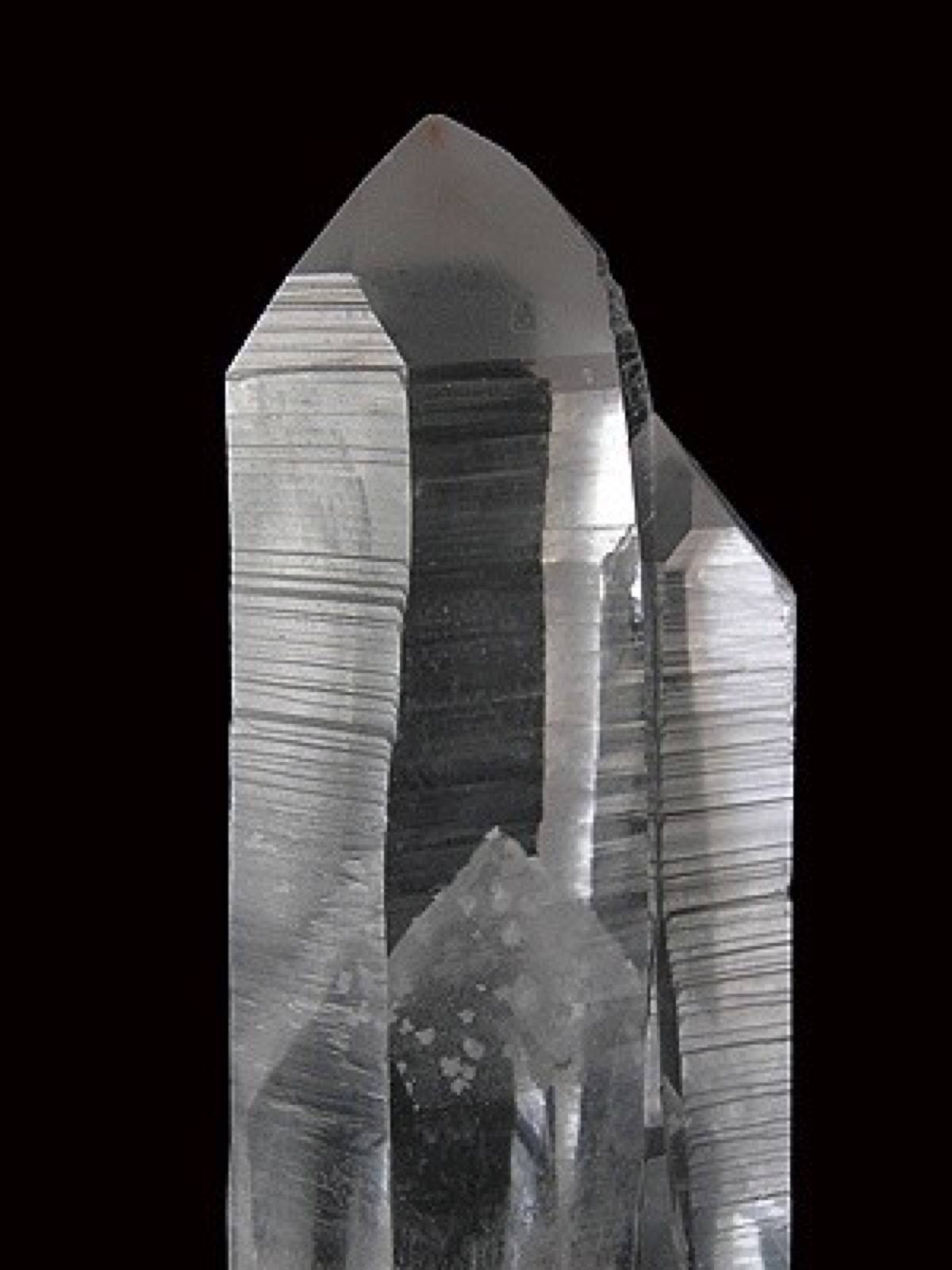
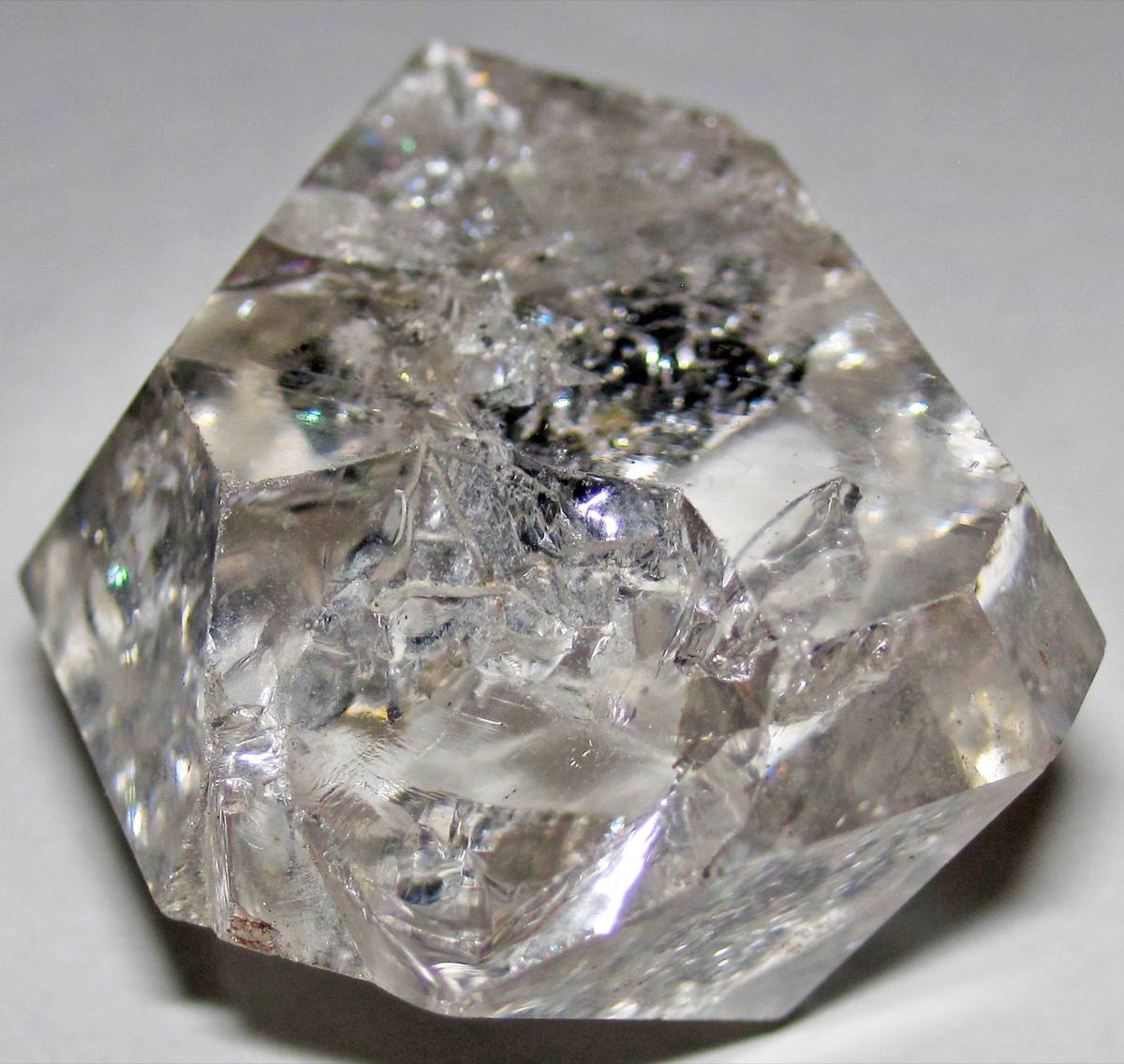
More quartz photos
Common questions
How do you identify quartz?+
Where is quartz found?+
Can I find quartz in the United States?+
What rocks look like quartz?+
What minerals are found with quartz?+
What kind of rock does quartz form in?+
What is quartz used for?+
Find quartz on the map
RockHoundR shows mapped rockhounding spots, access rules, and lets you log every find.

