Dinosaur teeth are highly prized fossils often found in riverbed or flood plain sedimentary deposits. They typically exhibit distinct enamel preservation and serrated edges in carnivorous species, helping collectors identify the specific type of animal. These specimens are often found loose in matrix or weathered out of fossiliferous rock formations.
Is this dinosaur tooth?
4-step field checkRun through these checks against the specimen in your hand. The more boxes tick, the more confident the ID.
- 1Test the hardnessTry to scratch dinosaur tooth with a known reference. Dinosaur Tooth sits at Mohs 3-5, softer than the next harder reference, harder than the previous one.
- 2Name the organismDecide what left the fossil before worrying about the rock. Organism: Dinosaurs. Age: Triassic to the end of the Cretaceous.
- 3Read the lusterHold the specimen under a strong light. Luster: dull to waxy.
- 4Match the color rangeCompare against the expected color range: brown, black, gray, tan.
Often found alongside dinosaur tooth
Minerals reported to co-occur with dinosaur tooth. Spotting these in float or country rock is a strong cue you are in the right ground.
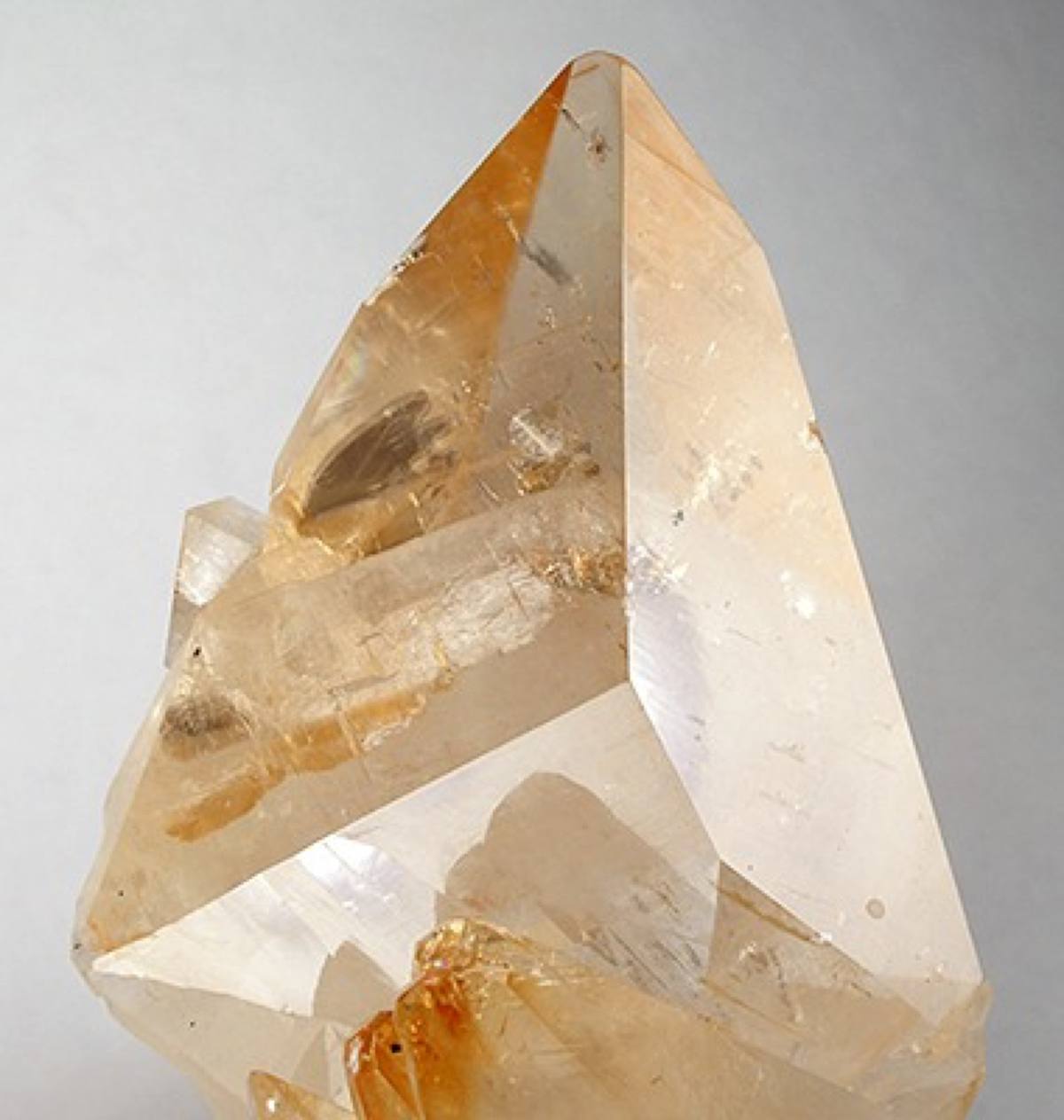
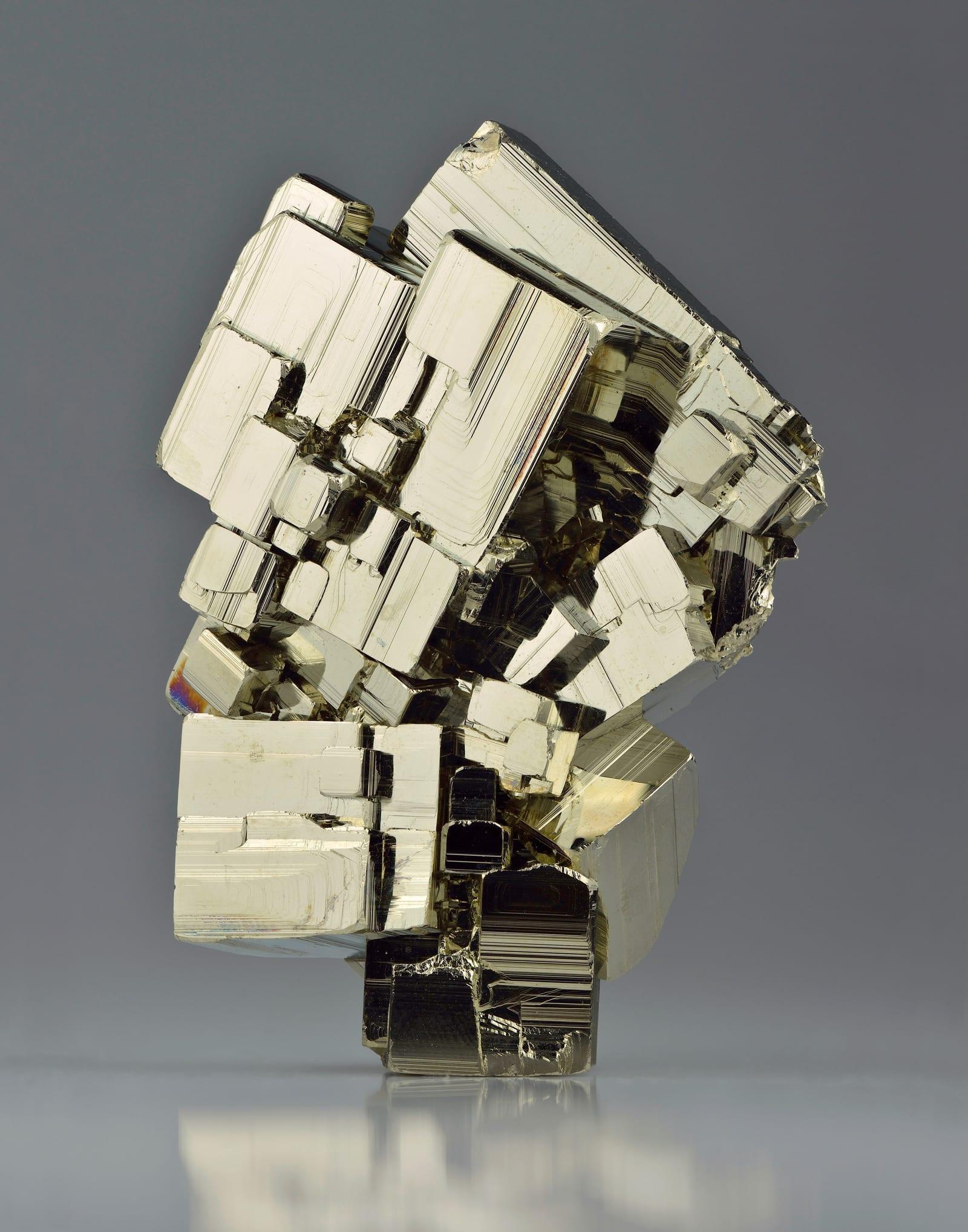
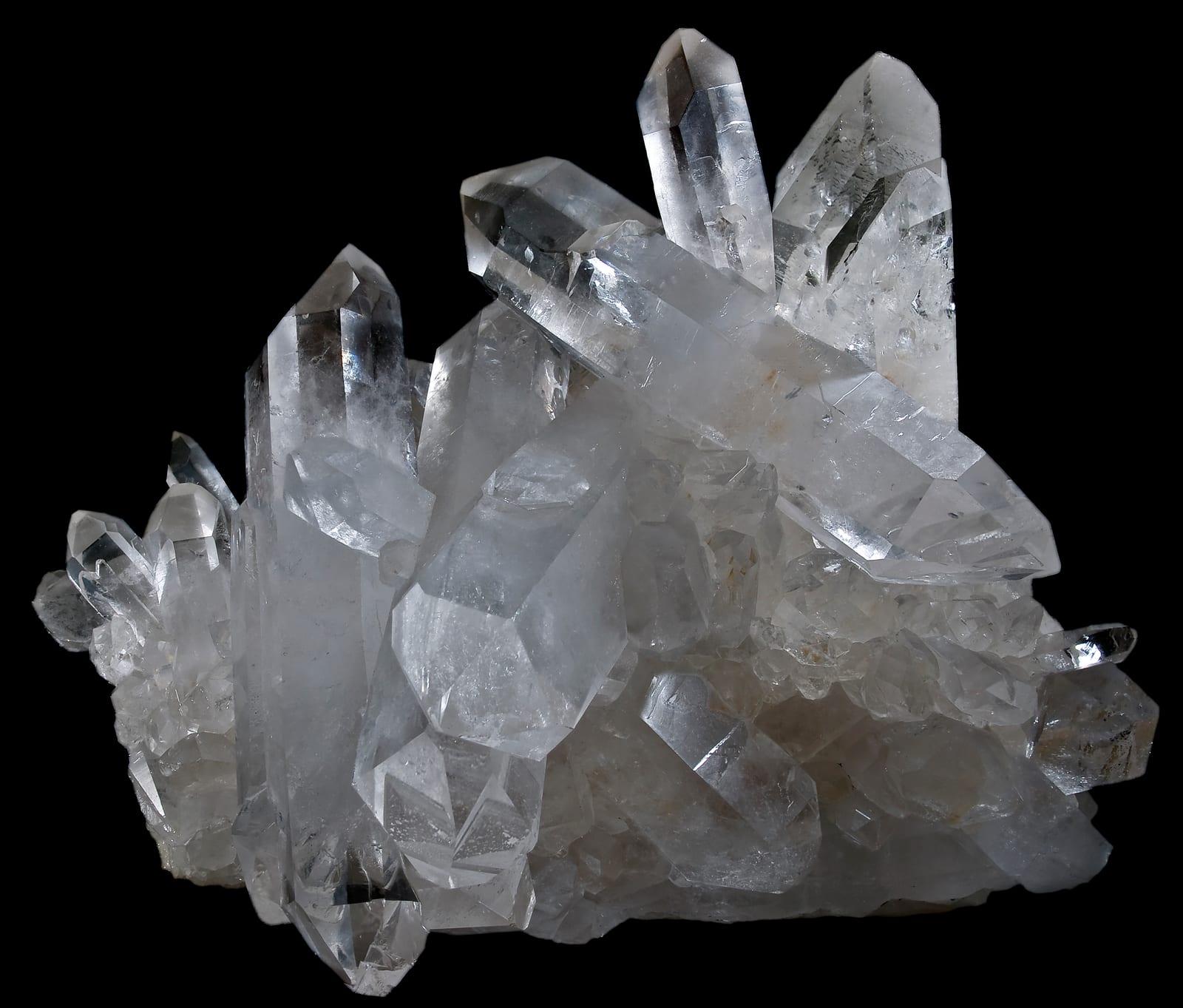
All properties
- Mohs hardness
- 3-5
- Density
- 2.5-3.0 g/cm³
- Luster
- Dull to waxy
- Transparency
- Opaque
- Rarity
- Common
- Uses
- Collector, Display
- Host rock
- sedimentary strata
- Organism
- Dinosaurs
- Age
- Triassic to the end of the Cretaceous
Where rockhounds find dinosaur tooth
Classic worldwide localities
- Morrison Formation (USA)
- Hell Creek Formation (USA)
- Kem Kem Group (Morocco)
- Dinosaur Provincial Park (Canada)
Field-hunting tip
Where it forms: sedimentary strata. If you start seeing calcite, pyrite, quartz in float, you are in the right ground.
Common questions
How do you identify dinosaur tooth?+
Where is dinosaur tooth found?+
What minerals are found with dinosaur tooth?+
What kind of rock does dinosaur tooth form in?+
What is dinosaur tooth used for?+
Find dinosaur tooth on the map
RockHoundR shows mapped rockhounding spots, access rules, and lets you log every find.