Knightia is an extinct genus of clupeid bony fish commonly found as exceptionally well-preserved fossils in the Green River Formation of Wyoming. Collectors prize these specimens for their distinctively articulated skeletons and intact scales, which are typically found within laminated limestone slabs.
Is this knightia?
3-step field checkRun through these checks against the specimen in your hand. The more boxes tick, the more confident the ID.
- 1Name the organismDecide what left the fossil before worrying about the rock. Organism: Freshwater herring-like fish (genus Knightia). Age: Paleocene and Eocene; Knightia eocaena is Early Eocene (Green River Formation).
- 2Check the preservationPreservation: Articulated skeletons. That controls the weight, the hardness and how the piece takes a polish.
- 3Match the color rangeCompare against the expected color range: tan, brown, gray, black.
Often found alongside knightia
Minerals reported to co-occur with knightia. Spotting these in float or country rock is a strong cue you are in the right ground.
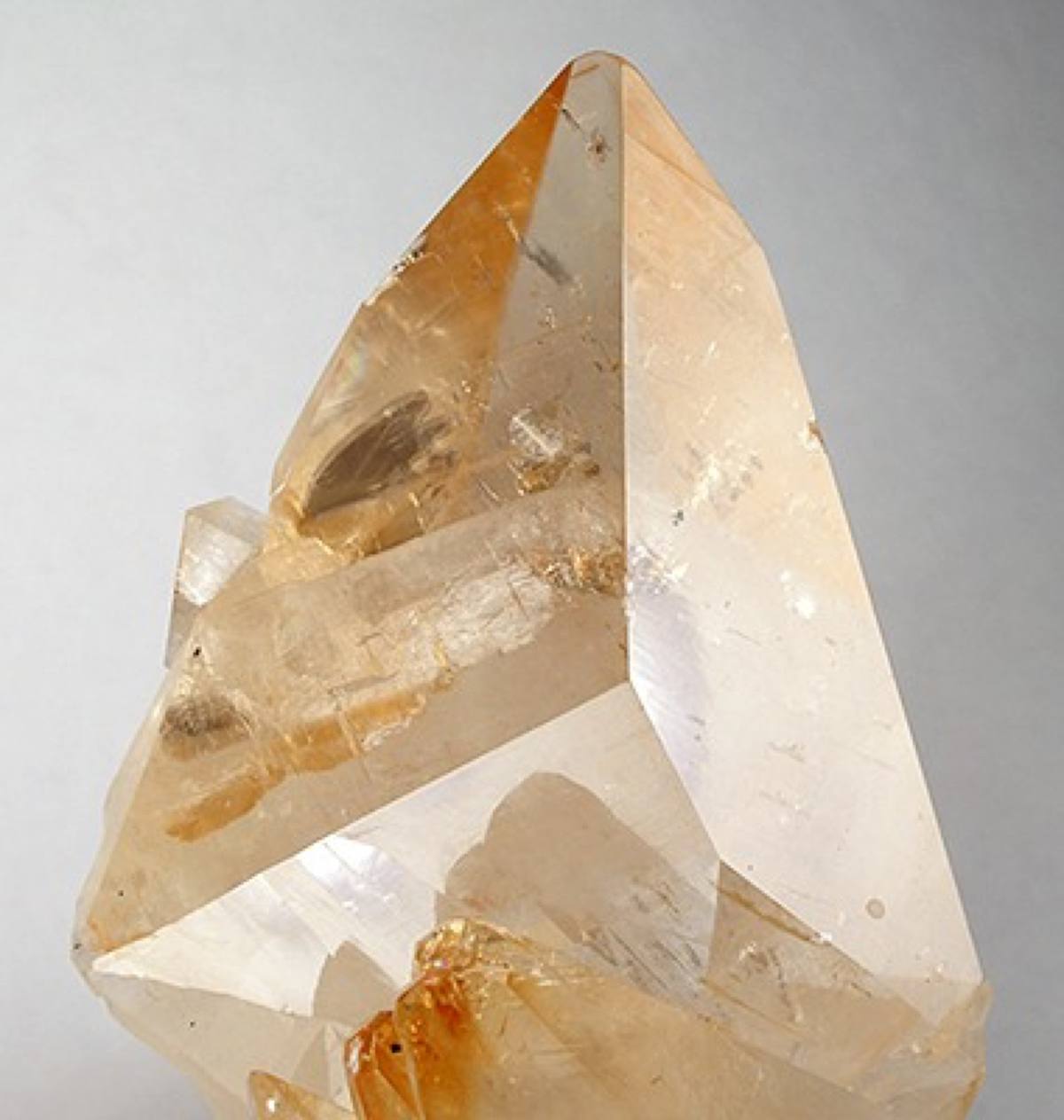
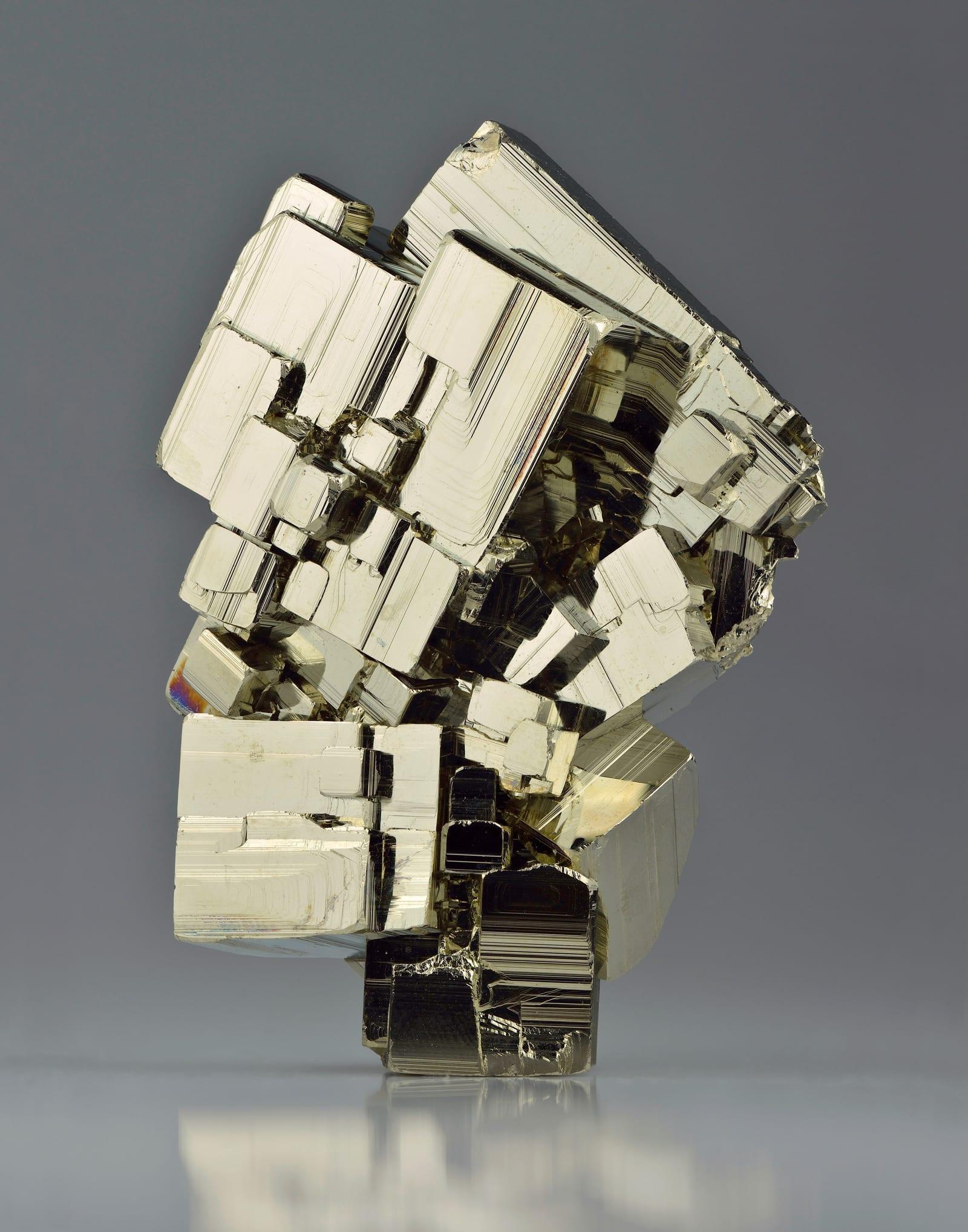
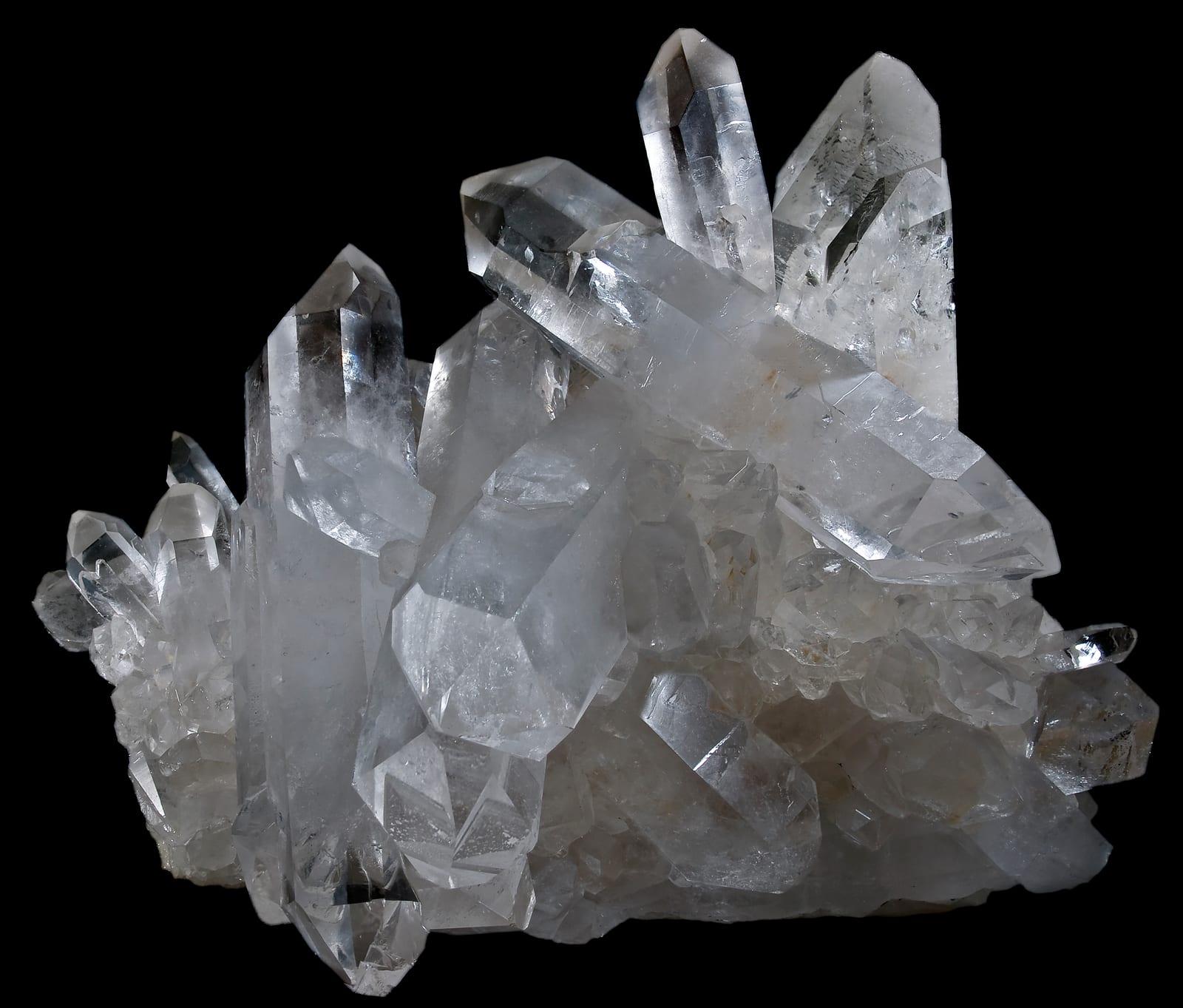
All properties
- Rarity
- Common
- Uses
- Collector, Decorative, Scientific research
- Host rock
- sedimentary limestone and shale
- Organism
- Freshwater herring-like fish (genus Knightia)
- Age
- Paleocene and Eocene; Knightia eocaena is Early Eocene (Green River Formation)
- Preservation
- Articulated skeletons
Where rockhounds find knightia
Classic worldwide localities
- Green River Formation, Wyoming, USA
- Fossil Lake, Wyoming, USA
Field-hunting tip
Where it forms: sedimentary limestone and shale. If you start seeing calcite, pyrite, quartz in float, you are in the right ground.
Common questions
Where is knightia found?+
What minerals are found with knightia?+
What kind of rock does knightia form in?+
What is knightia used for?+
Find knightia on the map
RockHoundR shows mapped rockhounding spots, access rules, and lets you log every find.