Trilobites are extinct marine arthropods characterized by their distinct three-lobed body structure and calcified exoskeleton. Collectors look for fully articulated specimens preserved in shale or limestone, often extracted with delicate tools to reveal intricate details like eyes and appendages. They are widely distributed in Paleozoic marine deposits across the globe.
Spotting trilobites in the field
Field marks- 1
Three lengthwise lobes, which is where the name comes from, not three body sections
- 2
Distinct head shield, segmented middle and tail plate
- 3
Usually found as flat impressions or raised casts on a split shale surface
Trilobites split out of shale, so this is a hammer-and-chisel hunt rather than a walking one. Work a bedding plane: place a chisel along the layering and split sheets rather than smashing blocks, and check both faces of every split, since you get a mold on one and a cast on the other. Most finds are partial, because trilobites molted and the pieces separated. Complete articulated specimens with the head attached are the goal and they are much less common than the display cases suggest.
Straight answers
- Is it worth cutting?
- Not cut. Preparation is the craft here, using air scribes and fine picks to expose the specimen from the matrix.
- What is it really worth?
- Common species like Elrathia are genuinely cheap. Complete, well-preserved, prepared specimens of rarer species climb steeply, as do enrolled examples and those with preserved spines.
- Can you legally keep it?
- Invertebrate fossils, so reasonable personal-use collecting is allowed on BLM and Forest Service land without a permit, and the material may not be sold. Utah's commercial quarries operate on private and leased ground.
Where it is worth going
- Wheeler Shale quarriesNear Delta, Millard County, Utah
Cambrian shale with abundant Elrathia kingii. Commercial dig-your-own quarries charge by the day and supply tools.
Often confused with
Trilobites vs. its common look-alikes, and how to tell them apart in the field.
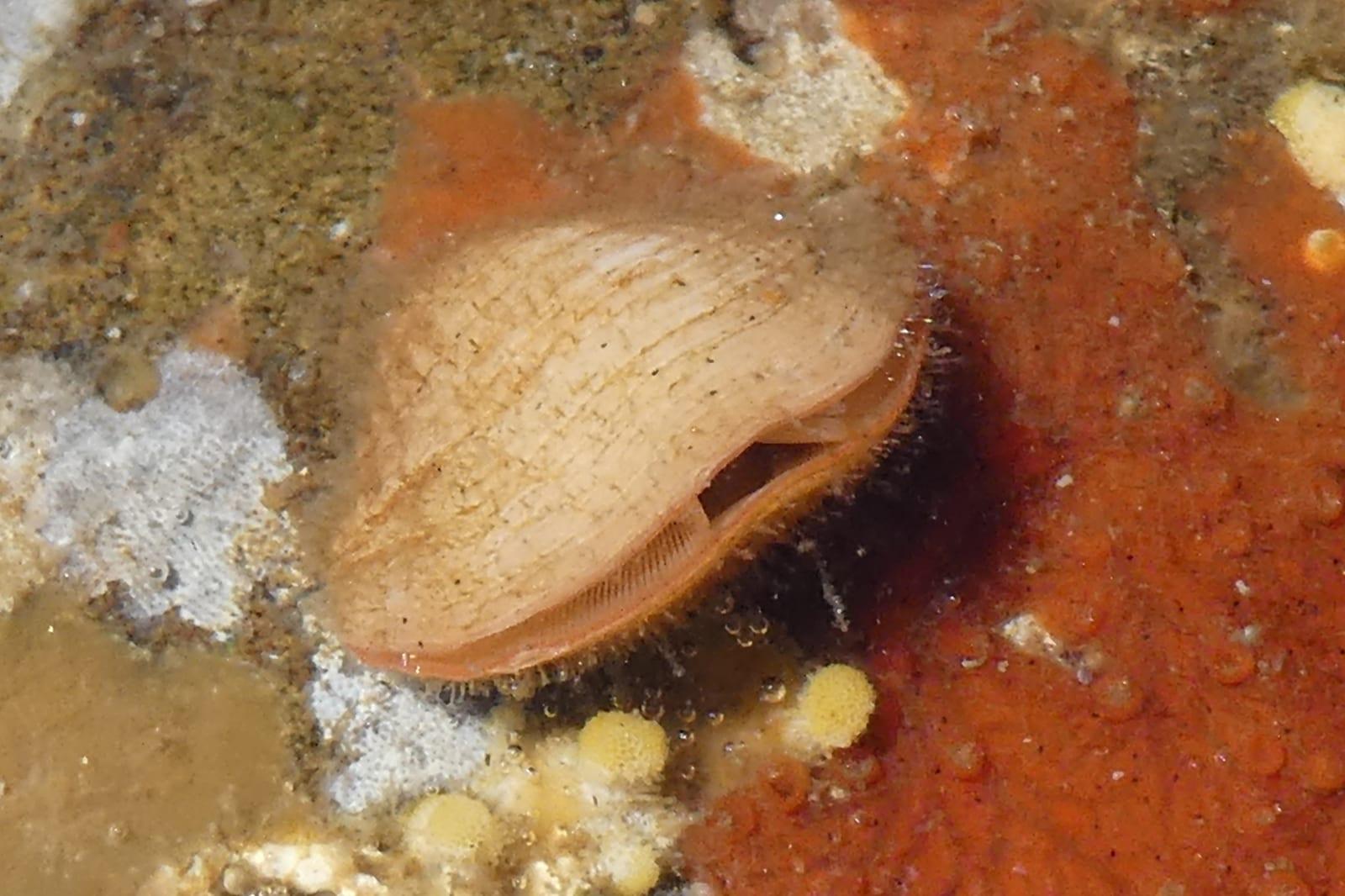
Often found alongside trilobites
Minerals reported to co-occur with trilobites. Spotting these in float or country rock is a strong cue you are in the right ground.
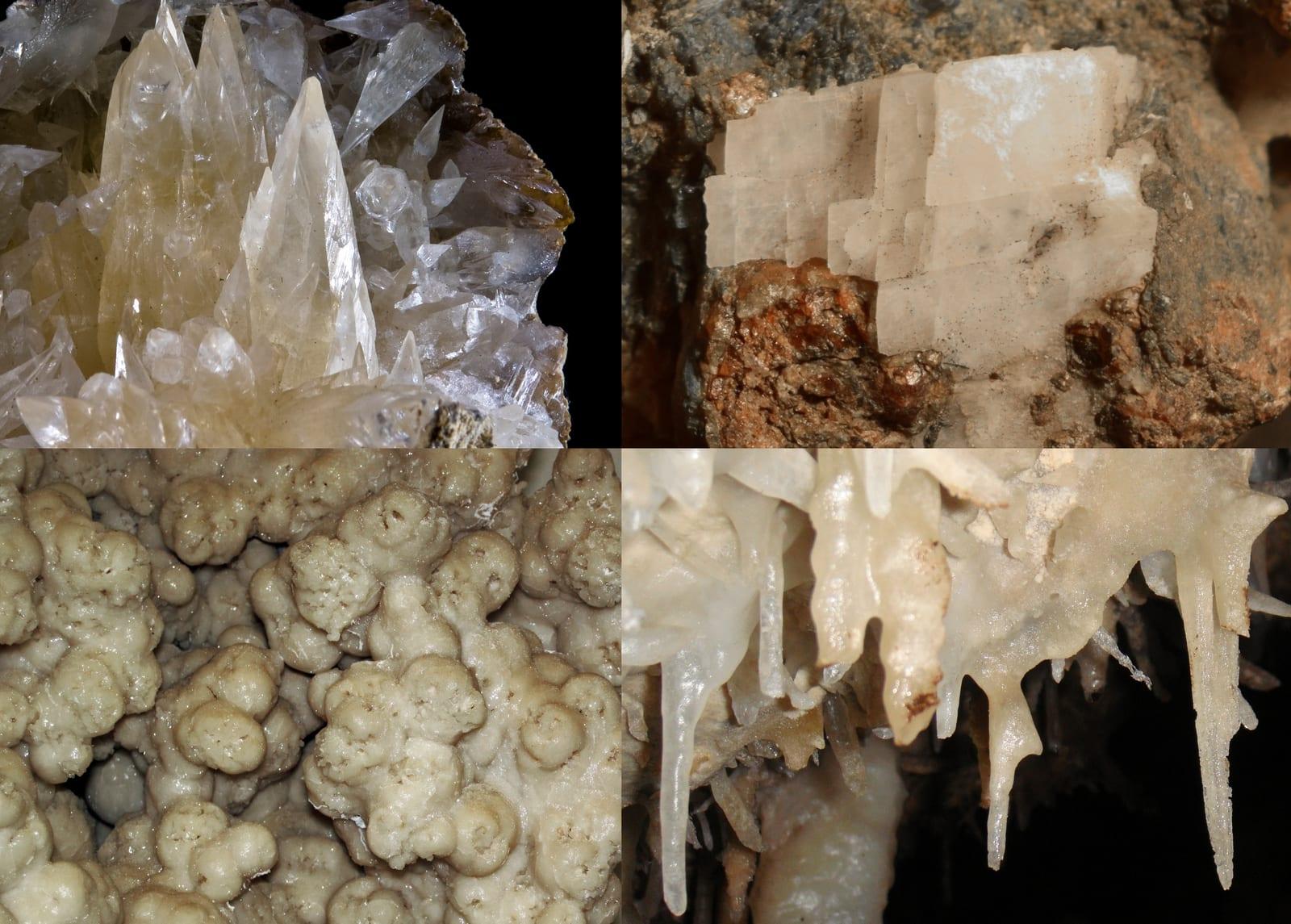
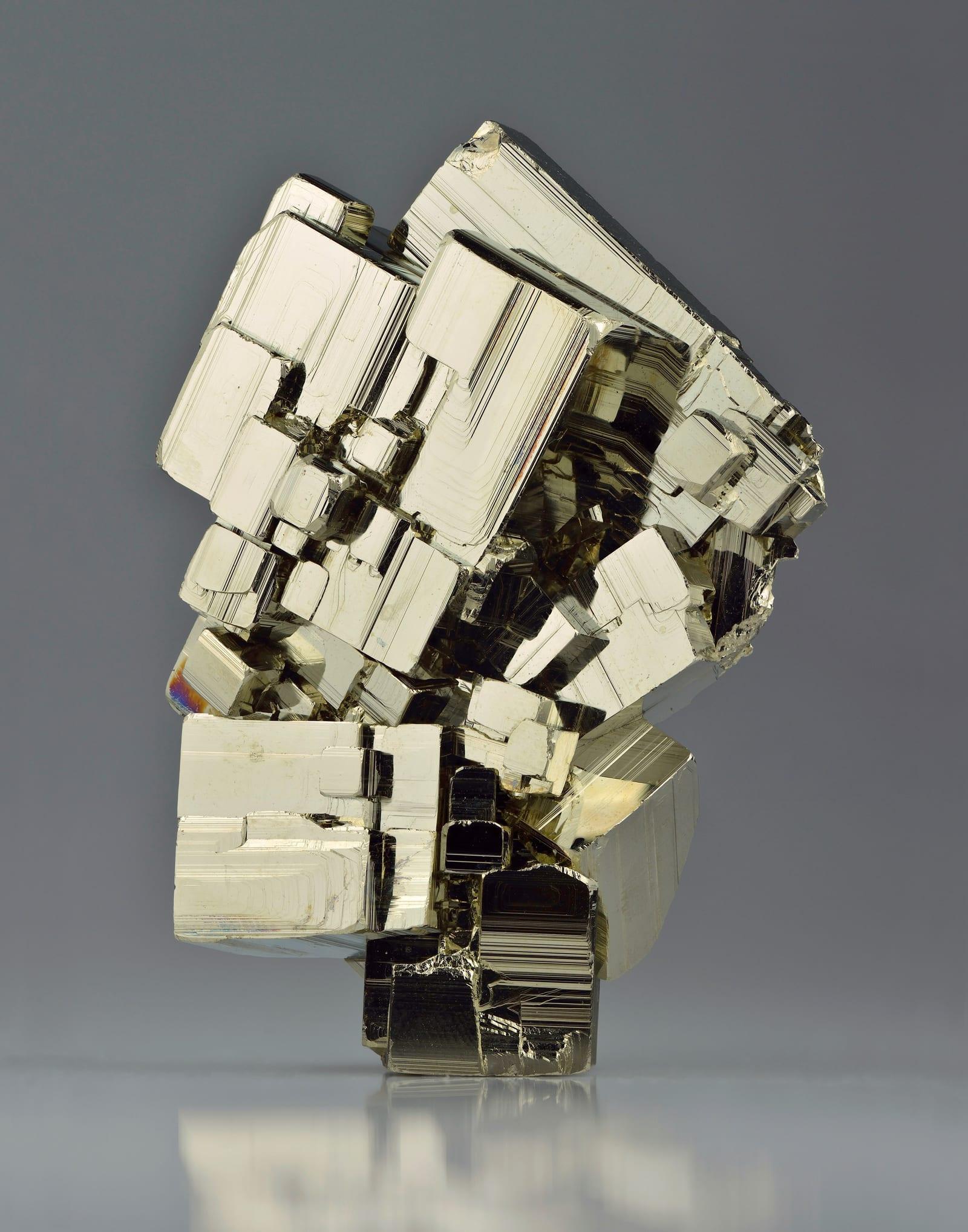
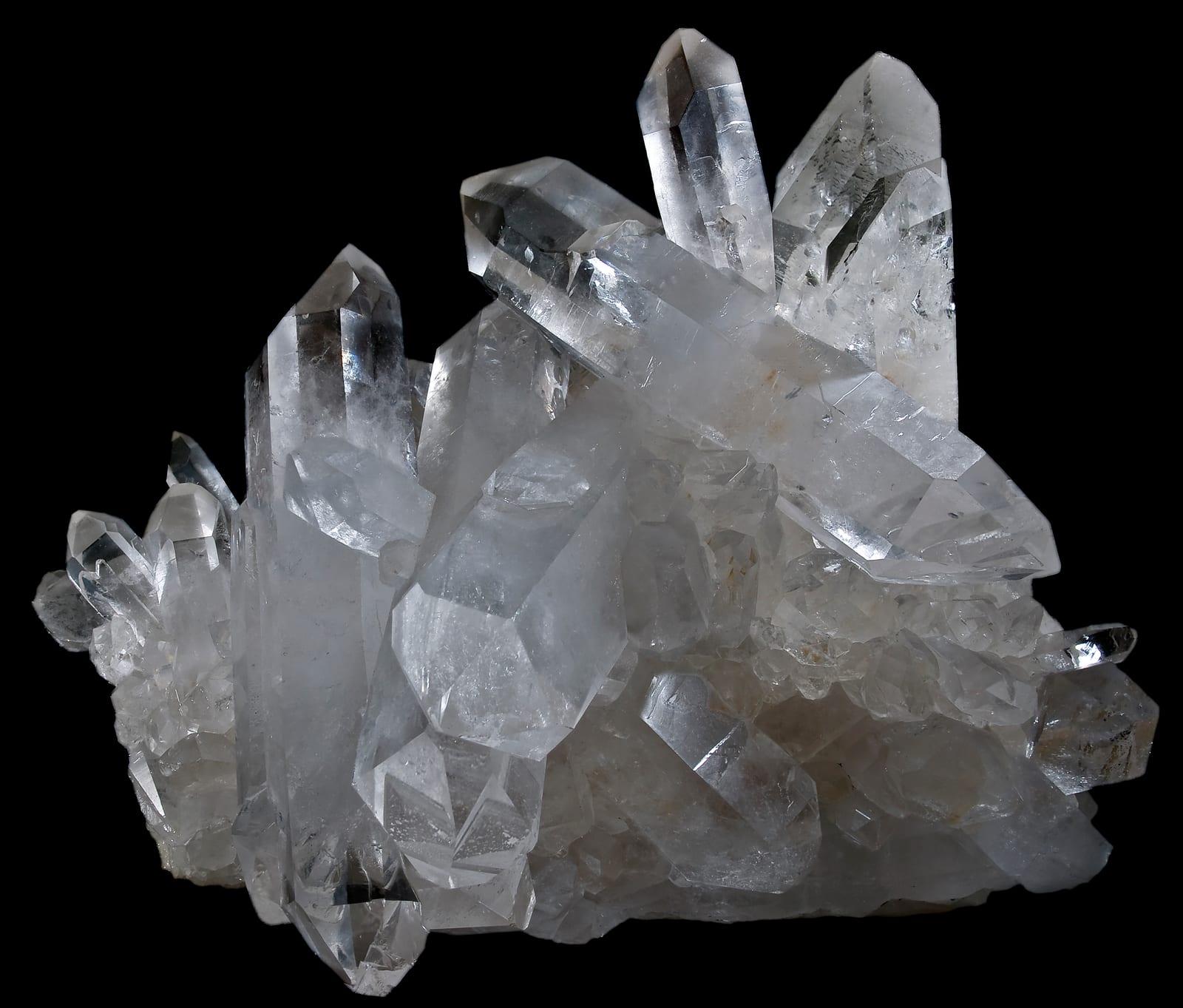
All properties
- Rarity
- Common
- Uses
- Collector, Decorative, Educational
- Host rock
- Sedimentary Rocks Like Shale and Limestone
- Typical price
- $5-50 common specimens, $100-5000+ for rare or large prepared specimens
Where rockhounds find trilobites
6 mapped spotsClassic worldwide localities
- Morocco
- USA (Utah)
- USA (Ohio)
- Russia
- Canada (British Columbia)
Field-hunting tip
Look in sedimentary rocks like shale and limestone country, the host setting where trilobites typically forms. If you start seeing calcite, pyrite, quartz in float, you are in the right ground. In the U.S., the densest reported localities are in Ohio, Indiana, New York. Start trip planning there.
Common questions
Where is trilobites found?+
Can I find trilobites in the United States?+
How much is trilobites worth?+
What rocks look like trilobites?+
What minerals are found with trilobites?+
What kind of rock does trilobites form in?+
What is trilobites used for?+
Find trilobites on the map
RockHoundR shows mapped rockhounding spots, access rules, and lets you log every find.