Volcanic ash consists of fine particles of pulverized rock, minerals, and volcanic glass expelled during an eruption. It is typically found as loose, unconsolidated sediment or cemented into tuff and is identified by its gritty, microscopic texture. Collectors often seek it out as part of volcanic debris kits or historical eruption specimens.
Is this volcanic ash?
4-step field checkRun through these checks against the specimen in your hand. The more boxes tick, the more confident the ID.
- 1Read the textureLook at a fresh break with a hand lens. Grain size: Under 2 mm.
- 2Pick out the mineralsComposition: Fragments of rock, mineral crystals and volcanic glass. Identify the two or three most abundant grains.
- 3Read the lusterHold the specimen under a strong light. Luster: dull.
- 4Match the color rangeCompare against the expected color range: gray, brown, black, white.
Often found alongside volcanic ash
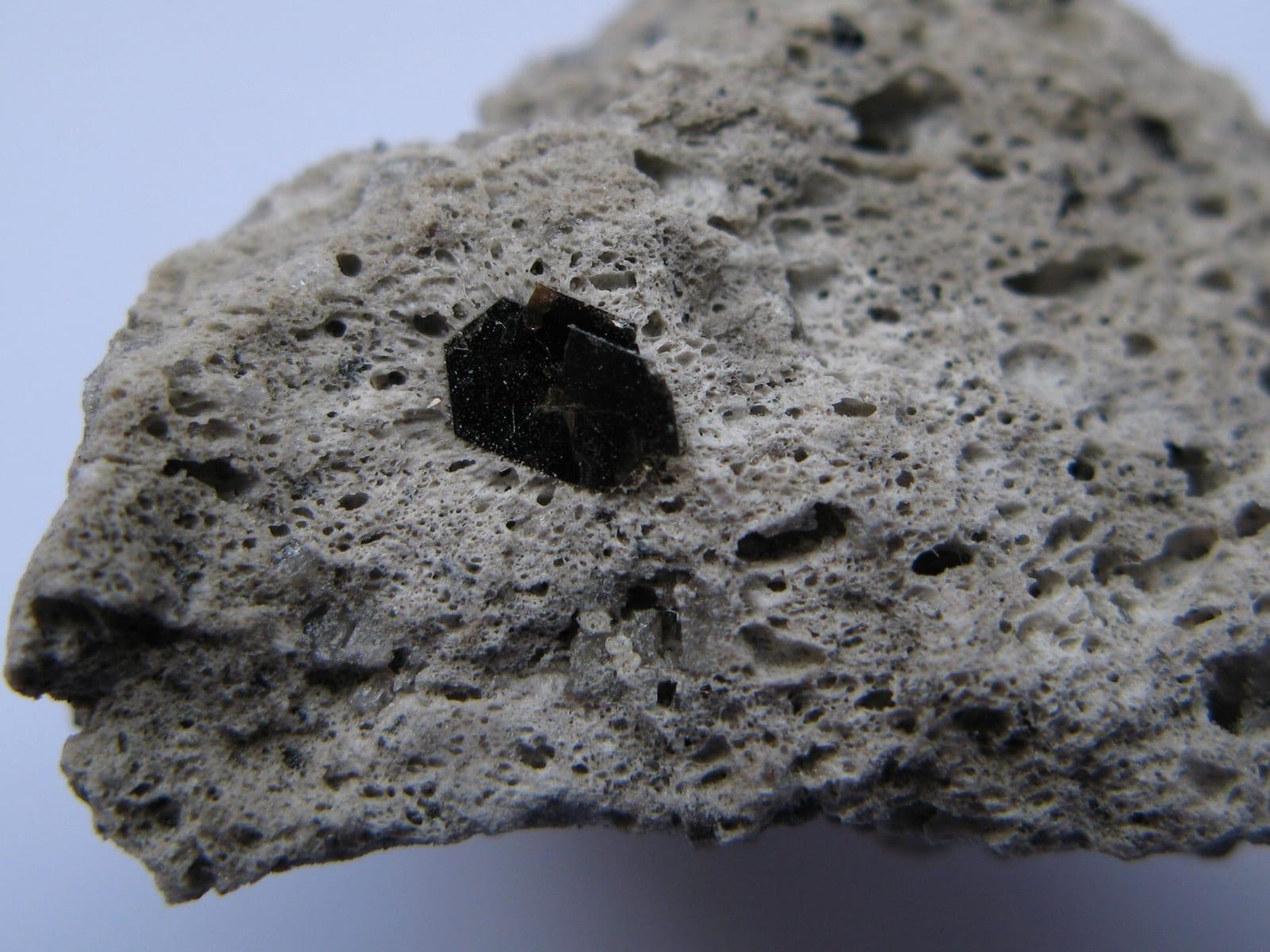
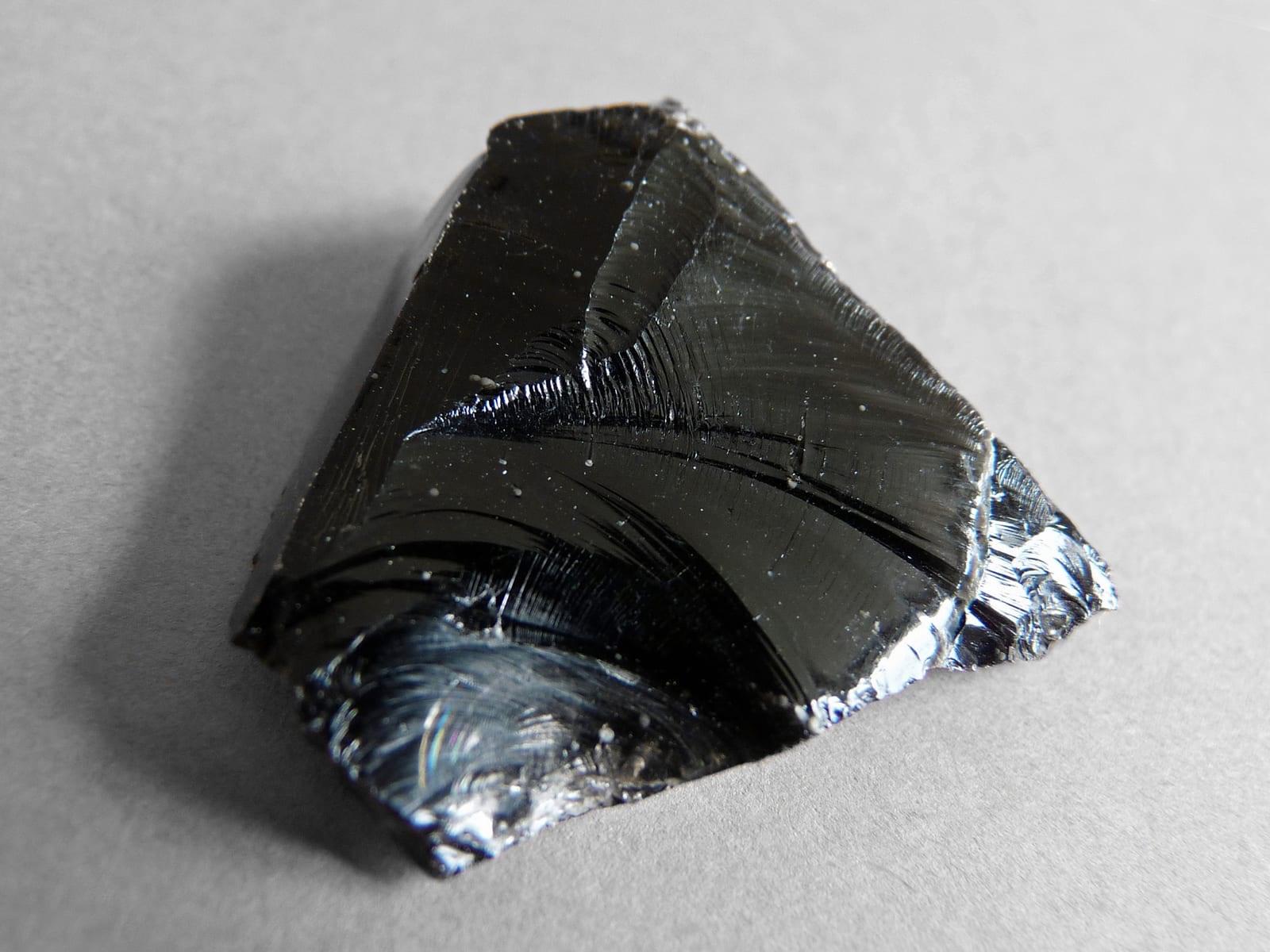
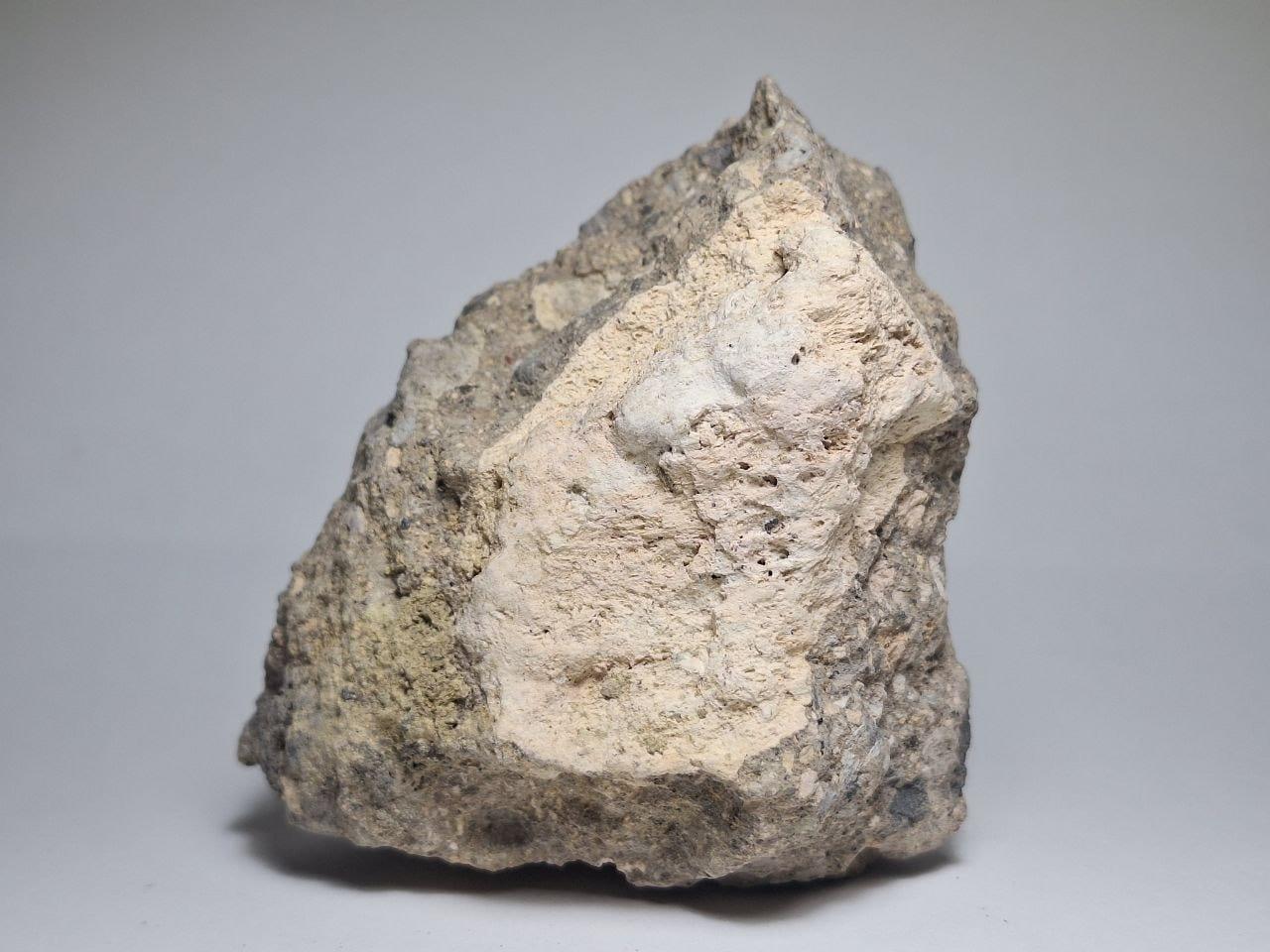
Minerals reported to co-occur with volcanic ash. Spotting these in float or country rock is a strong cue you are in the right ground.
All properties
- Luster
- Dull
- Transparency
- Opaque
- Rarity
- Common
- Uses
- Industrial, Research, Geological study
- Host rock
- volcanic vents and fallout zones
- Grain size
- Under 2 mm
- Composition
- Fragments of rock, mineral crystals and volcanic glass
Where rockhounds find volcanic ash
2 mapped spotsClassic worldwide localities
- Italy
- Iceland
- Japan
- Indonesia
- United States
Field-hunting tip
Where it forms: volcanic vents and fallout zones. If you start seeing pumice, obsidian, tuff in float, you are in the right ground. In the U.S., the densest reported localities are in Kansas. Start trip planning there.
Common questions
How do you identify volcanic ash?+
Where is volcanic ash found?+
Can I find volcanic ash in the United States?+
What minerals are found with volcanic ash?+
What kind of rock does volcanic ash form in?+
What is volcanic ash used for?+
Find volcanic ash on the map
RockHoundR shows mapped rockhounding spots, access rules, and lets you log every find.