
Obsidian is a naturally occurring volcanic glass formed when felsic lava cools rapidly with minimal crystal growth. It is famous for its conchoidal fracture, creating extremely sharp edges that have been used for cutting tools since antiquity.
Spotting obsidian in the field
Field marks- 1
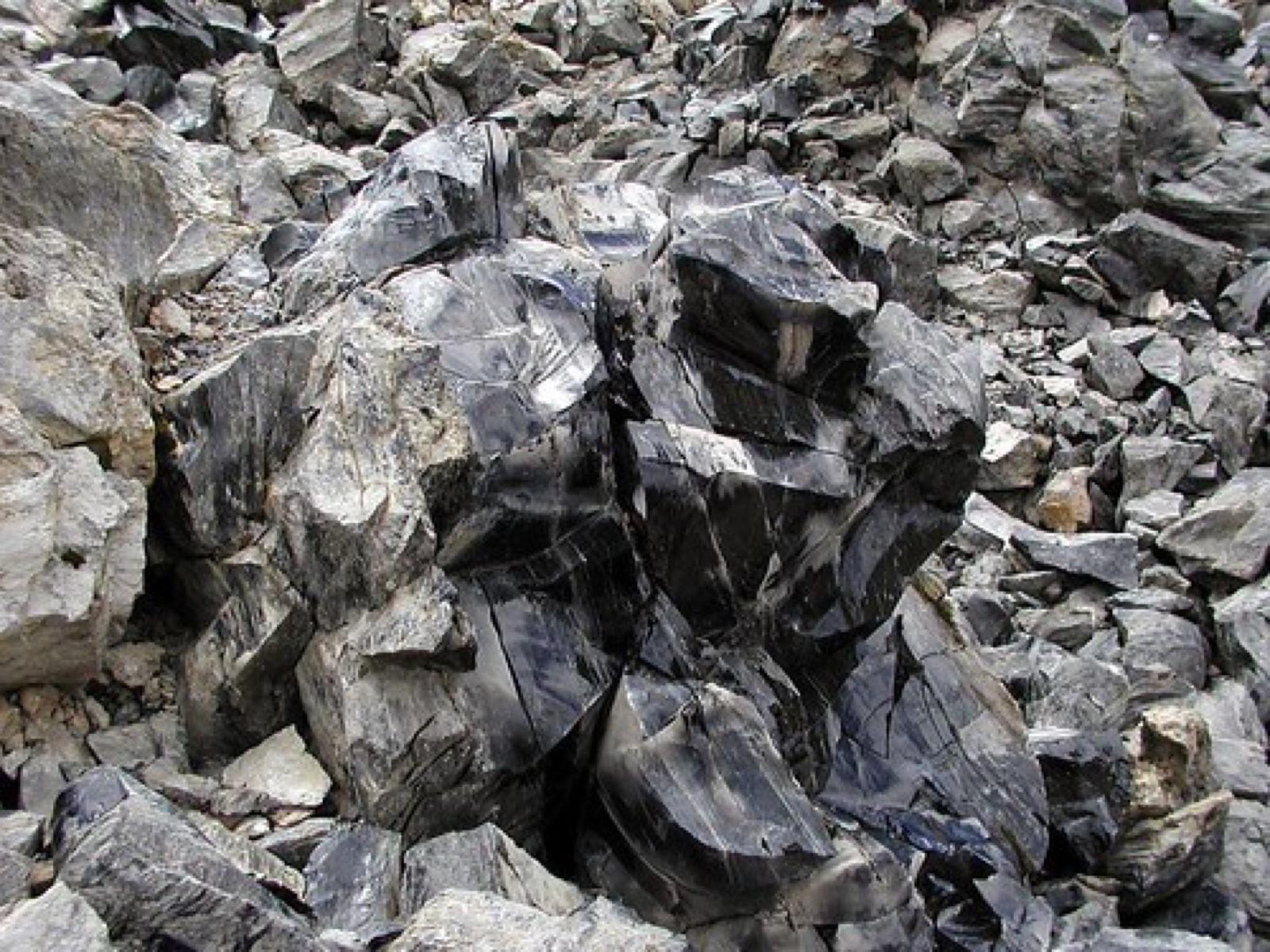
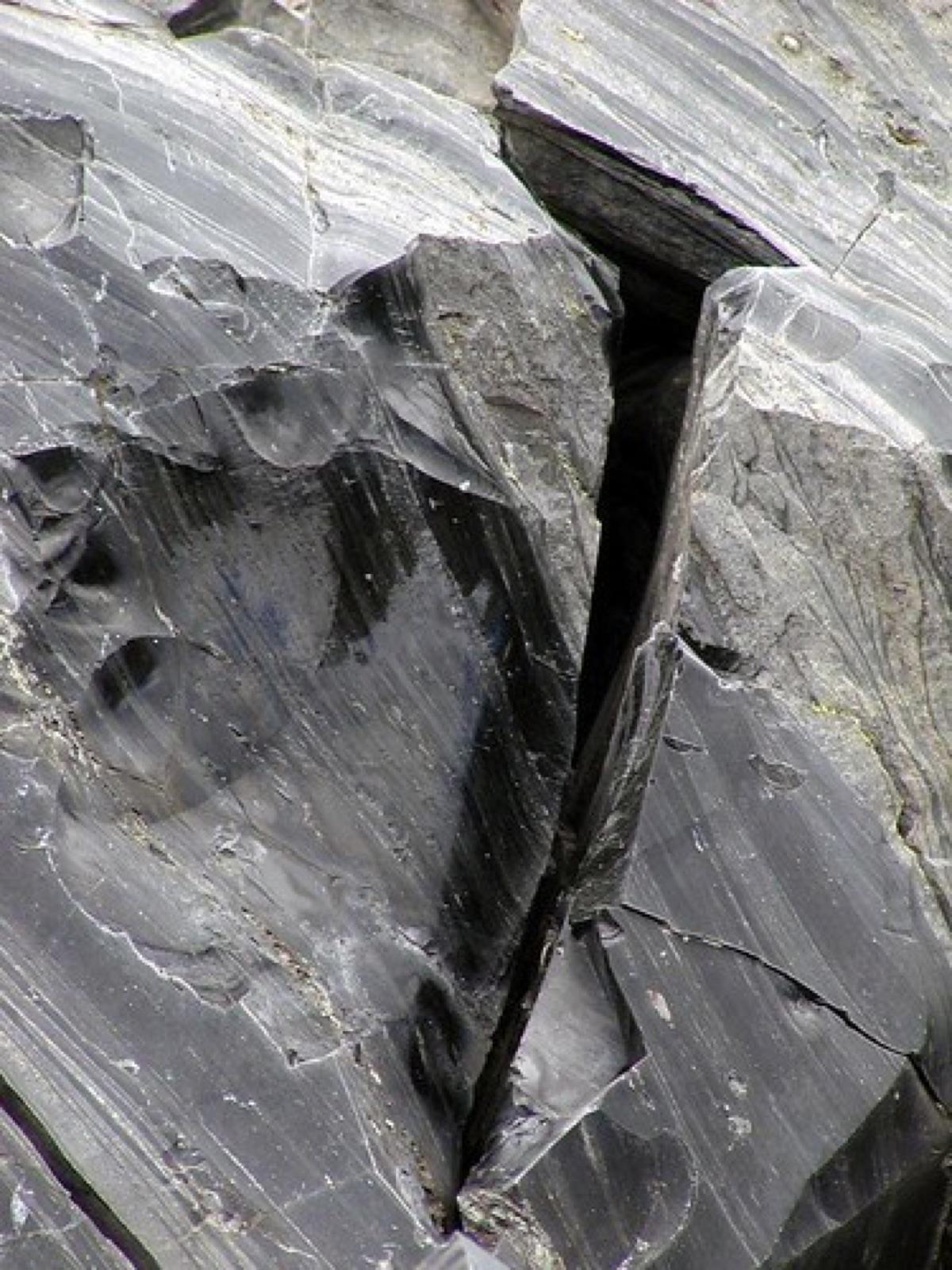
Glassy, not crystalline, with a bright reflective break
- 2
Conchoidal fracture producing shell-shaped surfaces and edges sharper than a scalpel
- 3
Light in the hand for a black rock, and warm rather than cold to the touch
Obsidian is volcanic glass that cooled too fast to crystallize, and it is abundant enough in the West that whole hillsides are made of it. Glass Buttes in Oregon is the great collecting destination, producing black, mahogany, rainbow, fire and midnight lace from one area on BLM land, free to collect. Handle it carefully from the moment you pick it up, because a fresh edge will open your hand before you feel it.
Before you collect
Fresh obsidian edges are surgically sharp and cause deep cuts that are hard to see and slow to stop. Wear gloves when breaking it, carry a proper first aid kit, and never put a flake in a pocket. Obsidian was also the prime material for stone tools, so worked pieces on federal land are protected artifacts that must be left in place.
Straight answers
- Is it worth cutting?
- Cuts and polishes easily and quickly, which makes it a good learning material, but it is brittle and heat-sensitive and will crack if you push it. Use light pressure and keep it cool.
- What is it really worth?
- Effectively free. Rainbow and fire obsidian with strong sheen, and well-patterned snowflake and lace material, carry modest premiums.
- Can you legally keep it?
- Glass Buttes is BLM land open to free personal-use collecting. Obsidian Cliff in Yellowstone is a National Historic Landmark inside a national park and is absolutely closed. Newberry National Volcanic Monument also restricts collecting.
Where it is worth going
- Glass ButtesLake and Deschutes counties, Oregon
Free BLM collecting. Many varieties in one area, reached from Highway 20 on rough roads.
Often confused with
Obsidian vs. its common look-alikes, and how to tell them apart in the field.
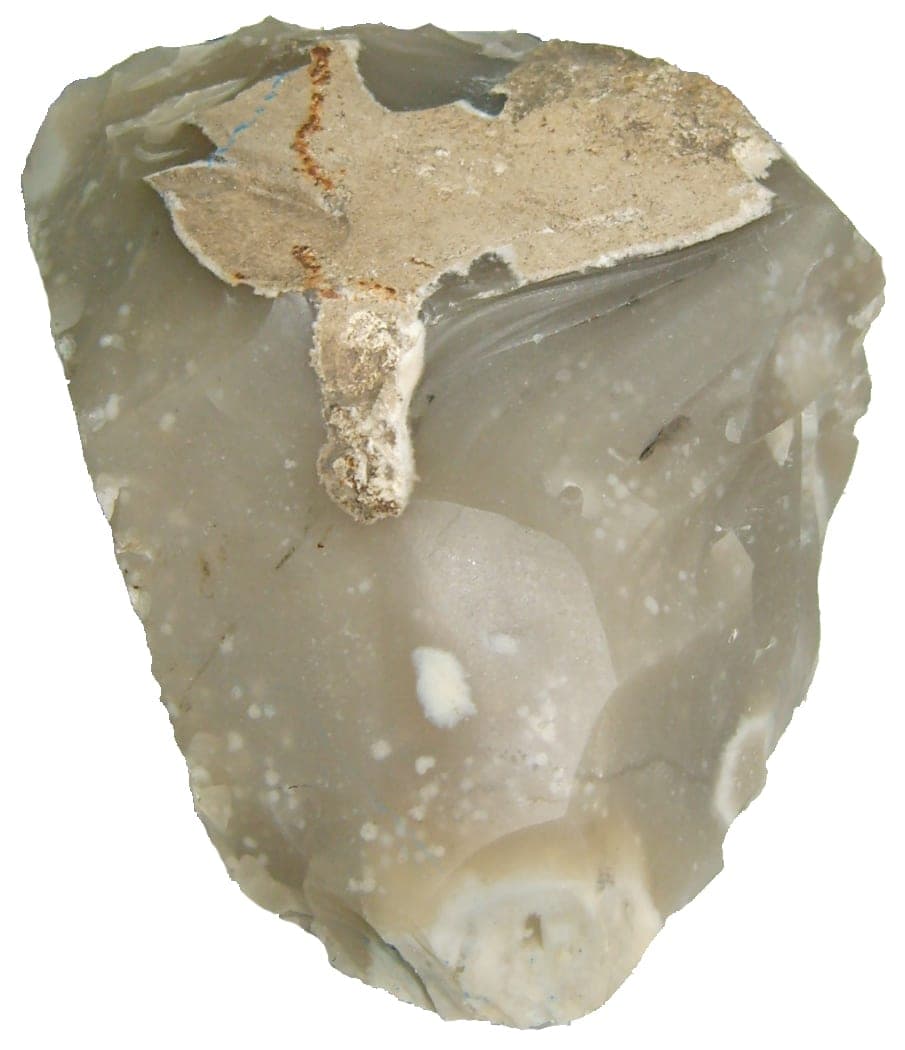
Often found alongside obsidian
Minerals reported to co-occur with obsidian. Spotting these in float or country rock is a strong cue you are in the right ground.
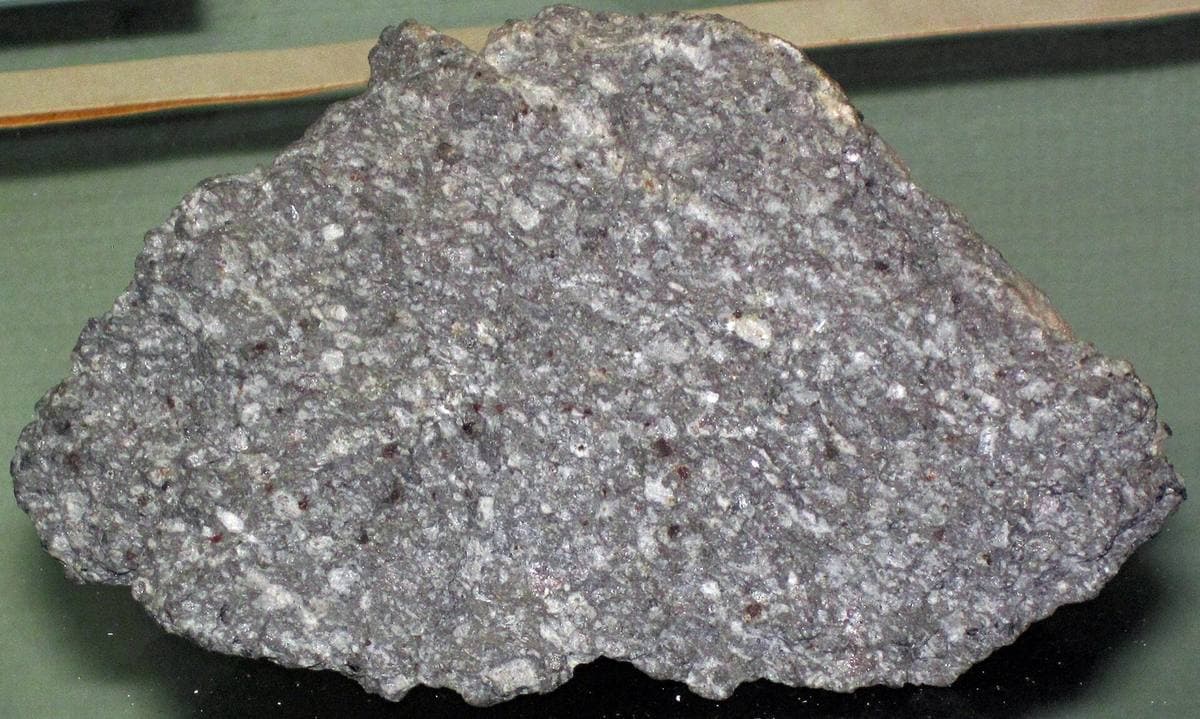
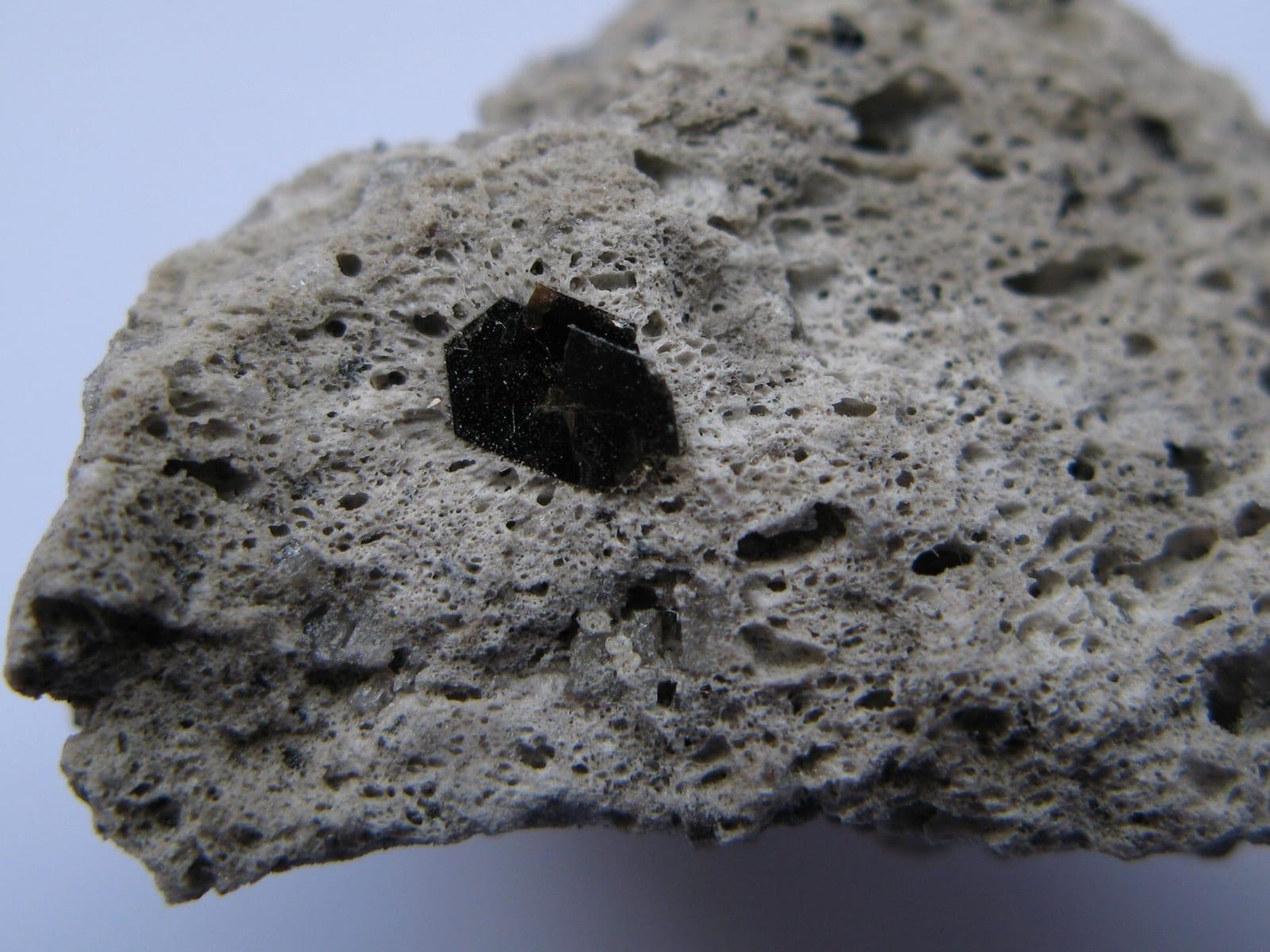
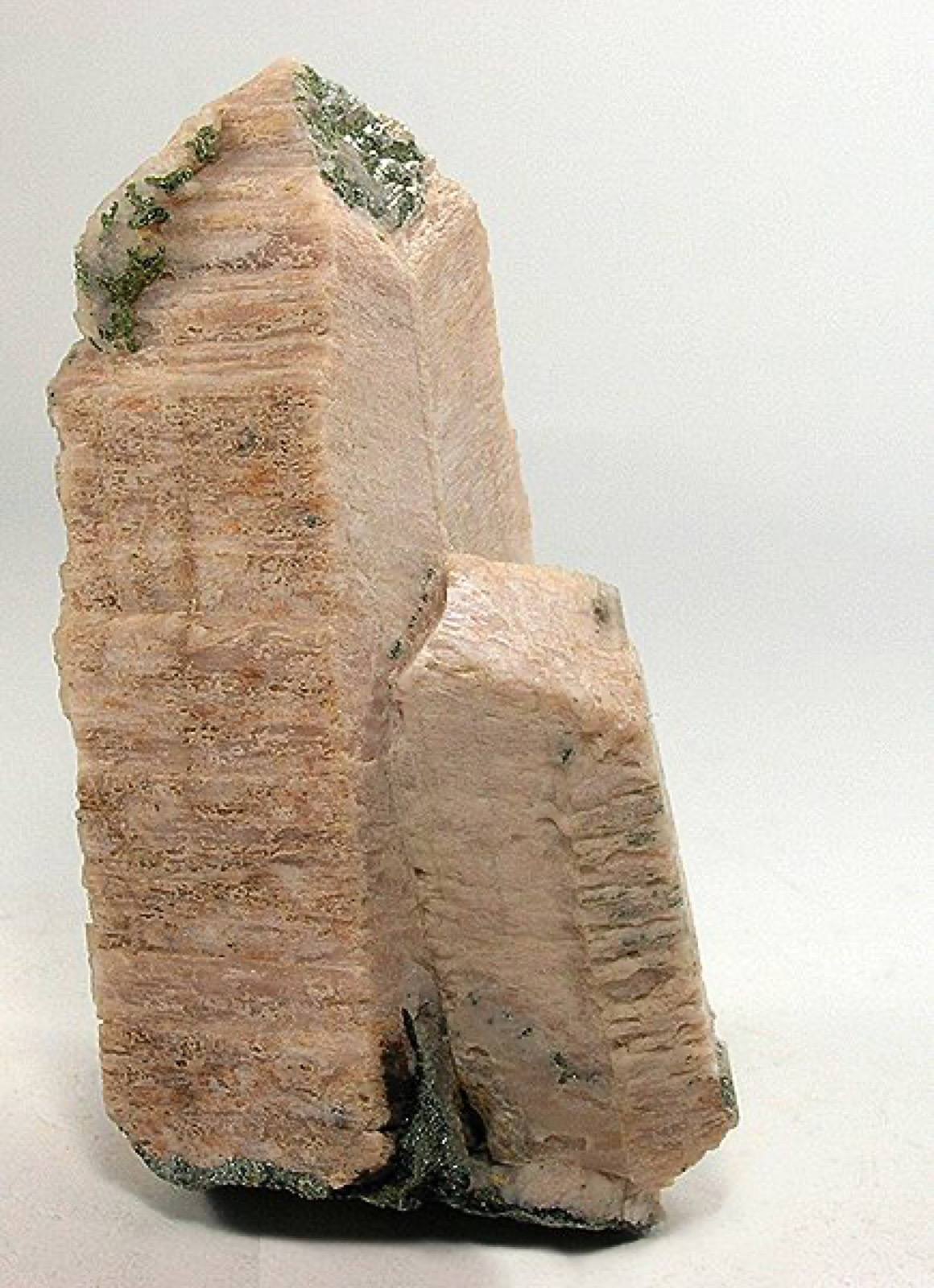
All properties
- Mohs hardness
- 5-6
- Density
- 2.3-2.6 g/cm³
- Colors
- Streak
- White
- Luster
- Vitreous
- Transparency
- Translucent
- Cleavage
- None; conchoidal fracture
- Rarity
- Common
- Uses
- Lapidary, Ornamental, Collector
- Host rock
- volcanic rhyolitic lava flows
- Texture
- Volcanic glass with minimal crystal growth
- Grain size
- Glassy
- Composition
- Mainly silica (usually 70 percent or more), with oxides of aluminium, iron, potassium, sodium and calcium
Where rockhounds find obsidian
19 mapped spotsClassic worldwide localities
- Mexico
- USA
- Iceland
- Italy
- Japan
U.S. states with obsidian
Each link opens a state-specific list of mapped rockhounding spots that produce obsidian.
Field-hunting tip
Where it forms: volcanic rhyolitic lava flows. If you start seeing rhyolite, pumice, feldspar in float, you are in the right ground. In the U.S., the densest reported localities are in Nevada, California, New Mexico. Start trip planning there.
More obsidian photos
Common questions
How do you identify obsidian?+
Where is obsidian found?+
Can I find obsidian in the United States?+
What rocks look like obsidian?+
What minerals are found with obsidian?+
What kind of rock does obsidian form in?+
What is obsidian used for?+
Find obsidian on the map
RockHoundR shows mapped rockhounding spots, access rules, and lets you log every find.

