Blueschist is a distinct metamorphic rock defined by its high-pressure, low-temperature metamorphic facies, often formed in ancient subduction zones. It is characterized by its signature blue coloration, typically derived from high concentrations of the mineral glaucophane. Rockhounds typically find it in sheared, foliated masses with a fine-grained texture.
Is this blueschist?
3-step field checkRun through these checks against the specimen in your hand. The more boxes tick, the more confident the ID.
- 1Read the textureLook at a fresh break with a hand lens. Texture: Schistose, lepidoblastic or nematoblastic. Grain size: Rarely coarse.
- 2Pick out the mineralsComposition: Glaucophane with lawsonite or epidote, plus possible jadeite, albite, chlorite, garnet or muscovite. Identify the two or three most abundant grains.
- 3Match the color rangeCompare against the expected color range: blue, bluish-gray, blue-green.
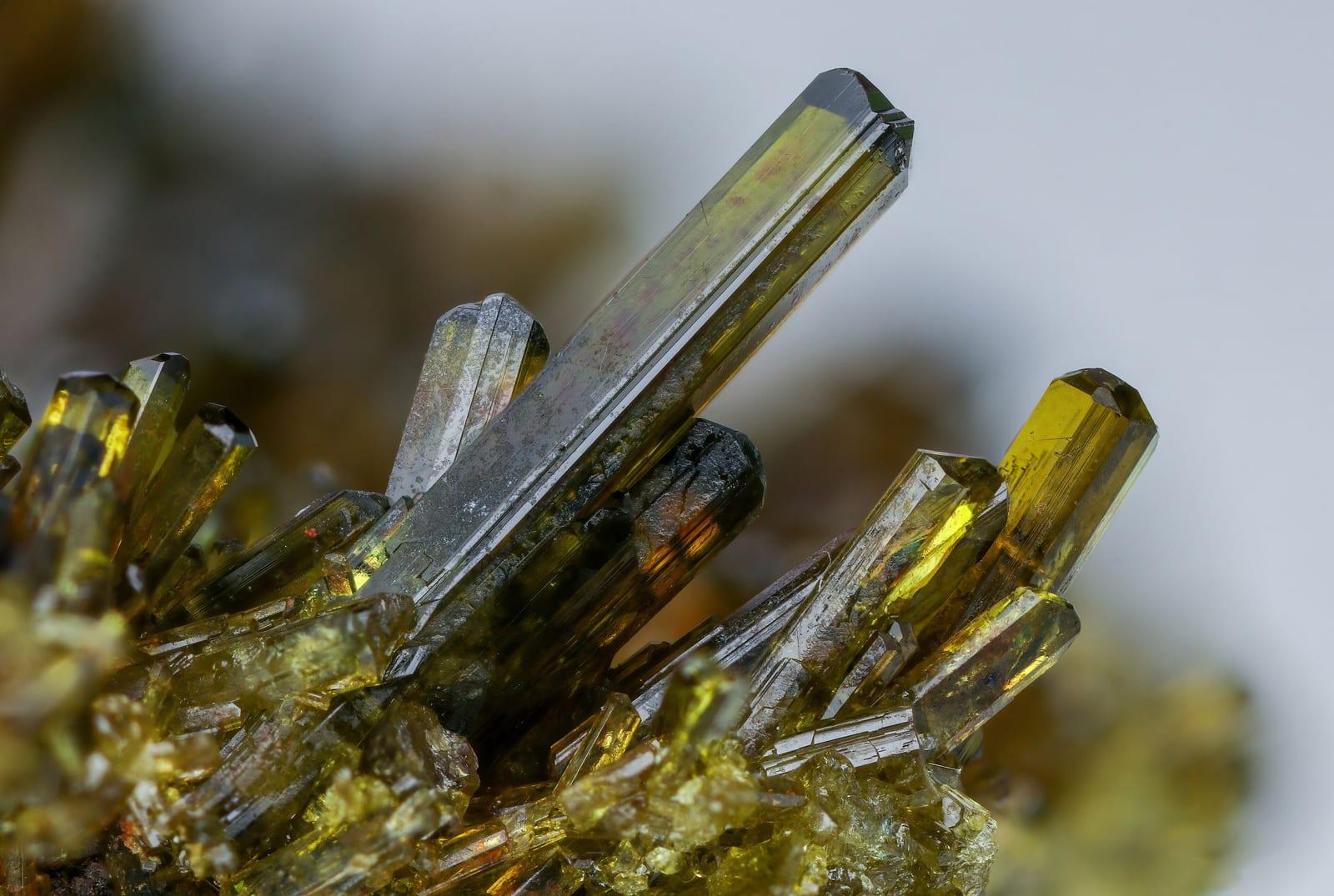
Often found alongside blueschist
Minerals reported to co-occur with blueschist. Spotting these in float or country rock is a strong cue you are in the right ground.
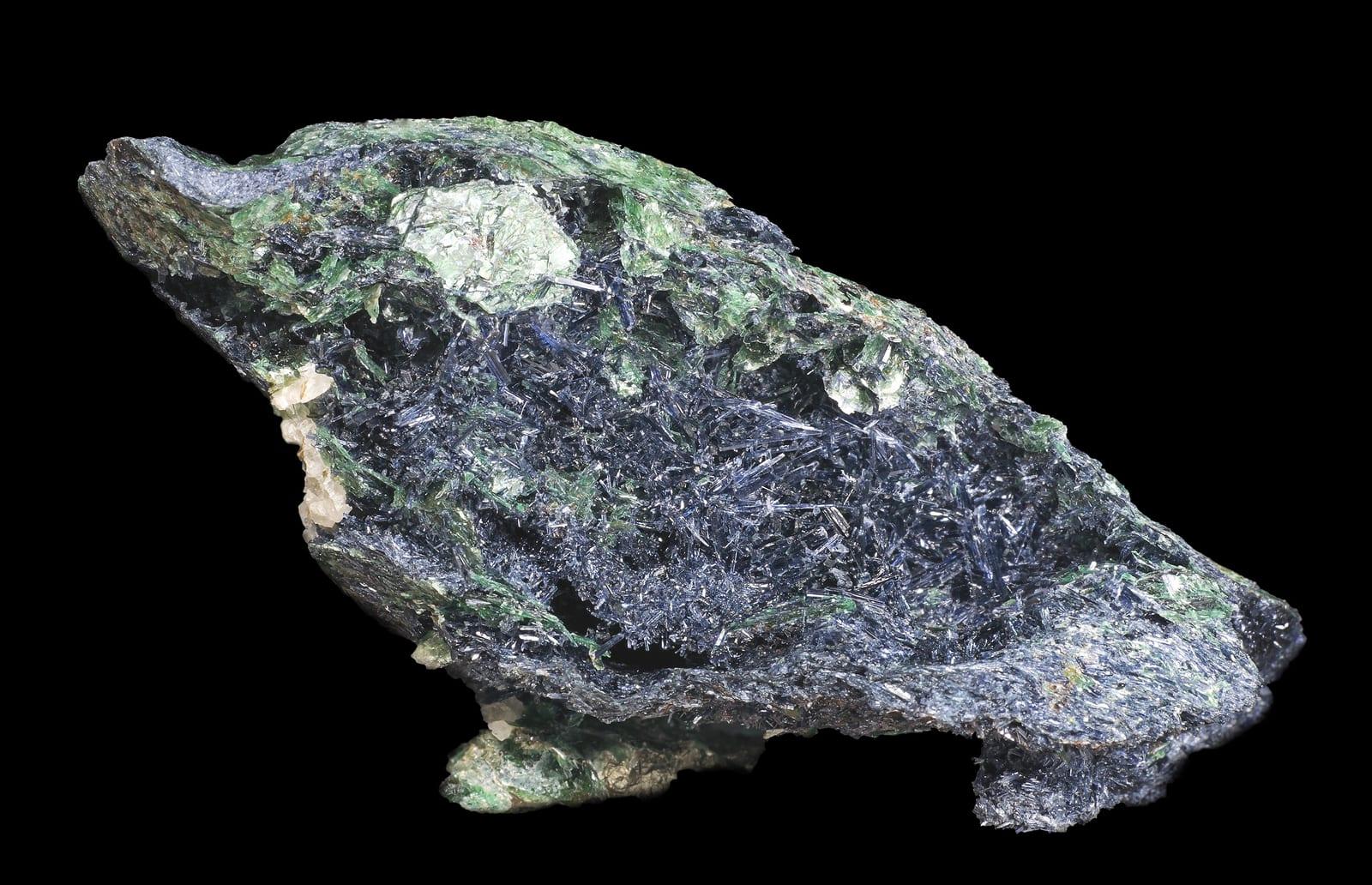
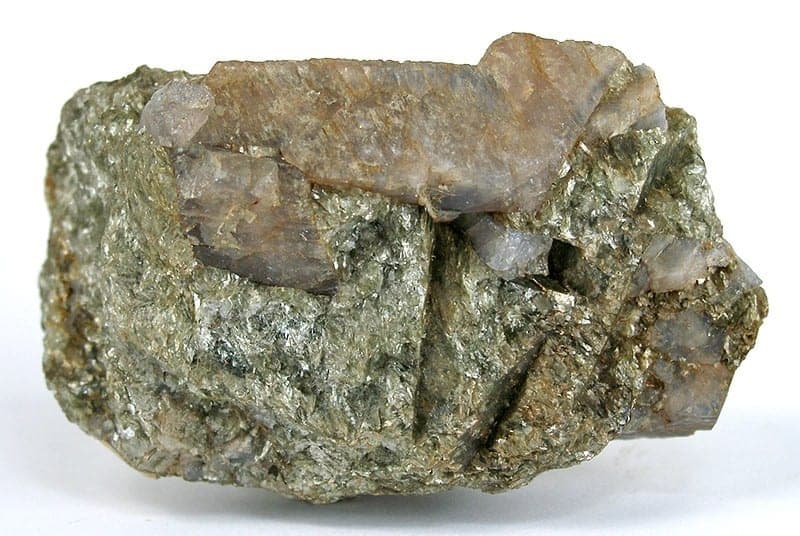
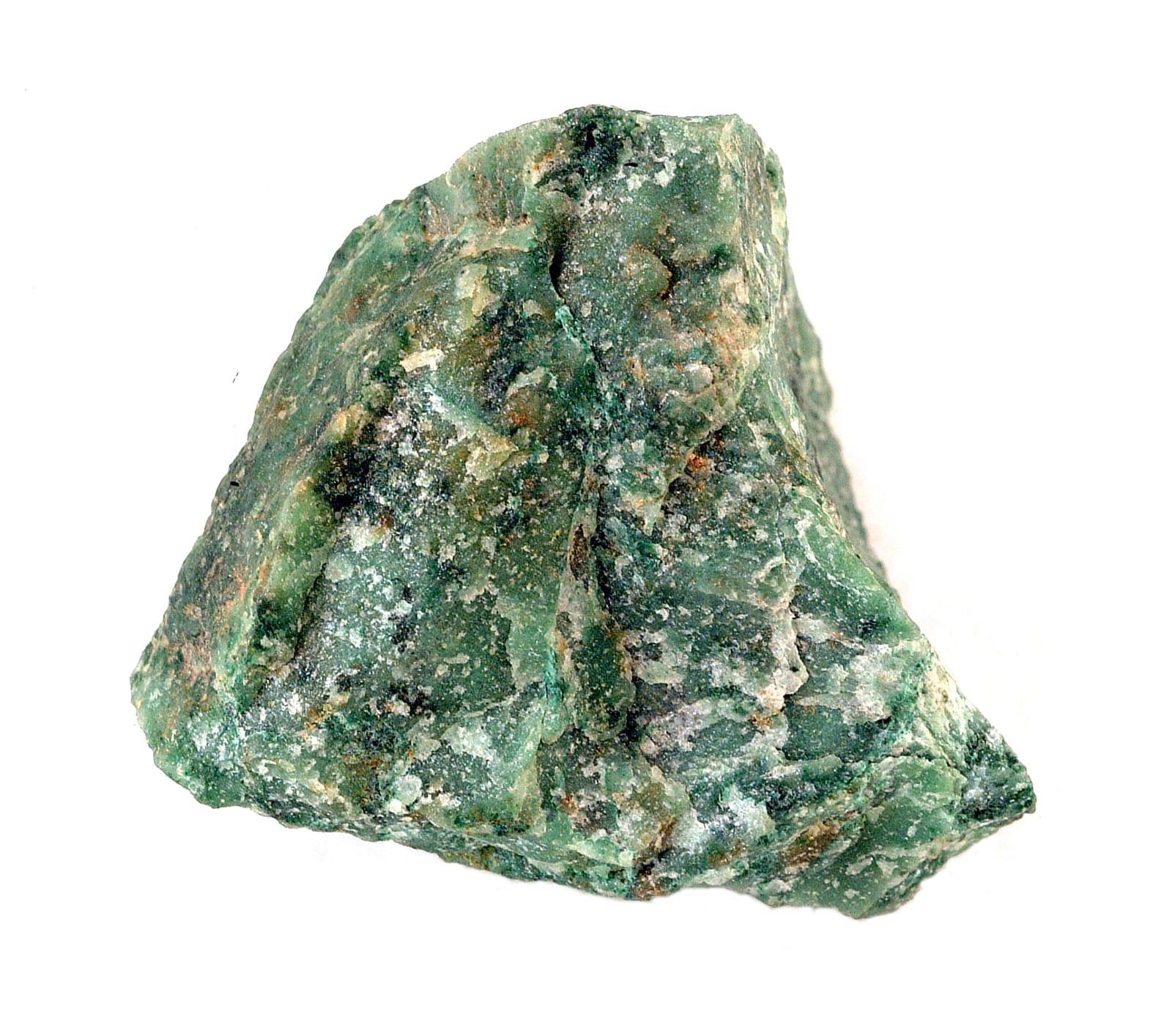
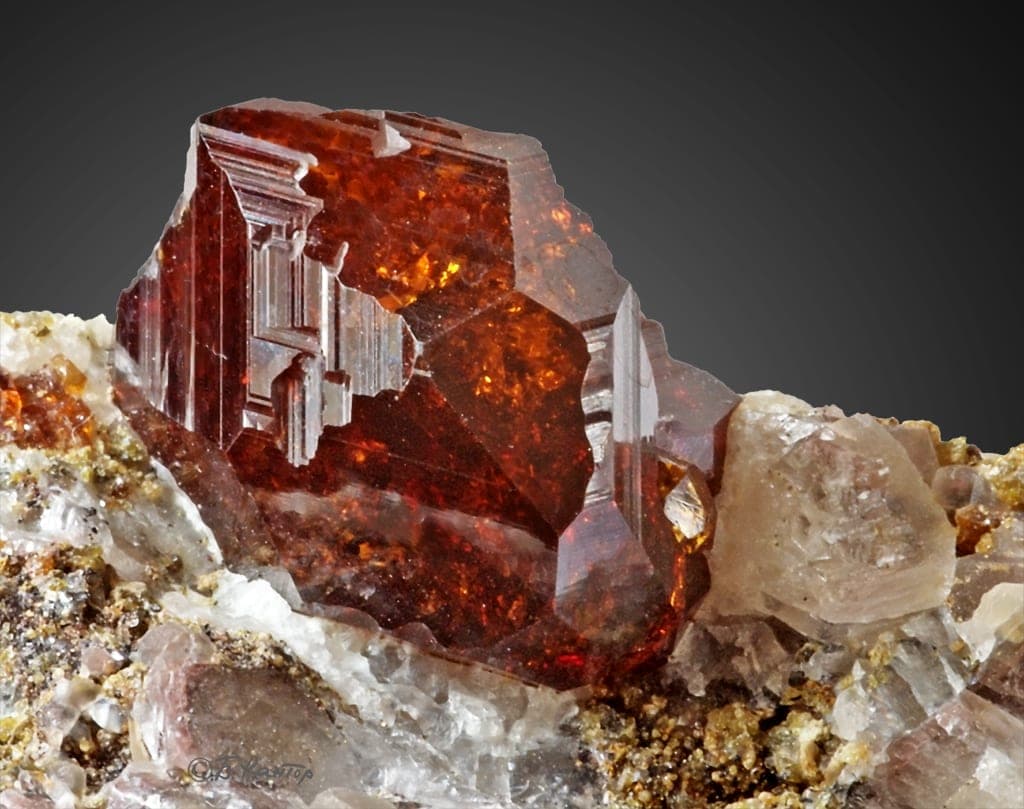
All properties
- Density
- 2.8-3.0 g/cm³
- Transparency
- Opaque
- Rarity
- Common
- Uses
- Educational, Collector
- Host rock
- subduction zone metamorphic complexes
- Texture
- Schistose, lepidoblastic or nematoblastic
- Grain size
- Rarely coarse
- Composition
- Glaucophane with lawsonite or epidote, plus possible jadeite, albite, chlorite, garnet or muscovite
Where rockhounds find blueschist
Classic worldwide localities
- California, USA
- Greece
- Japan
- New Caledonia
- Turkey
Field-hunting tip
Where it forms: subduction zone metamorphic complexes. If you start seeing glaucophane, lawsonite, jadeite in float, you are in the right ground.
Common questions
Where is blueschist found?+
What minerals are found with blueschist?+
What kind of rock does blueschist form in?+
What is blueschist used for?+
Find blueschist on the map
RockHoundR shows mapped rockhounding spots, access rules, and lets you log every find.