
Garnet refers to a large group of nesosilicate minerals that share a common crystal structure and general chemical formula. They are most easily identified by their characteristic dodecahedral or trapezohedral crystal forms and occur in a wide variety of metamorphic and igneous environments worldwide.
Spotting garnet in the field
Field marks- 1
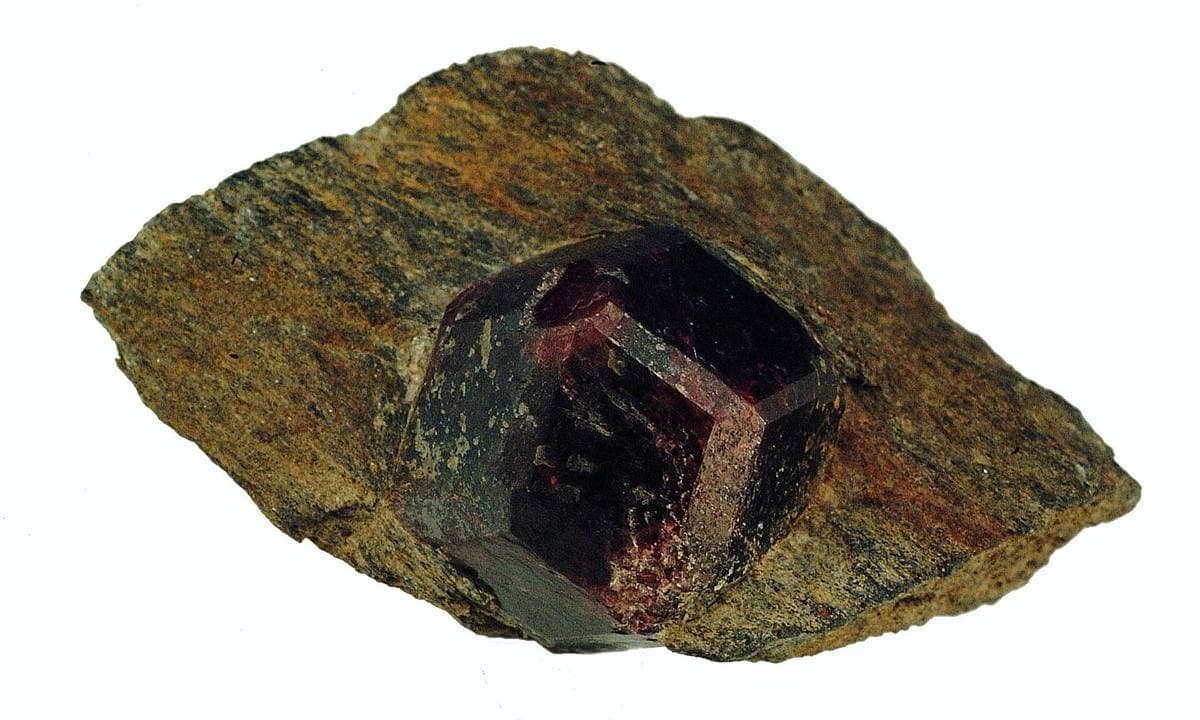
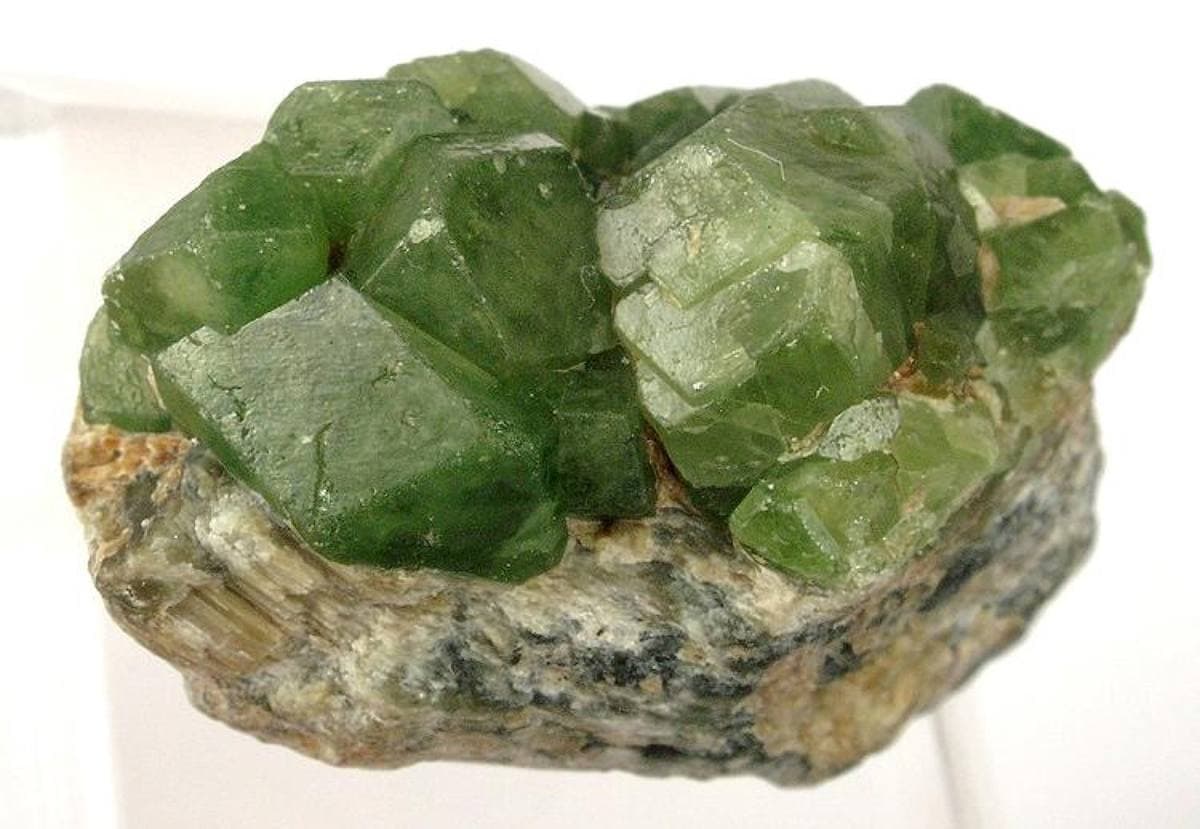
Well-formed 12 or 24-sided ball-like crystals, often nearly spherical
- 2
No cleavage, so broken pieces have curved conchoidal surfaces
- 3
Hard at 6.5 to 7.5 and noticeably heavy for its size
Garnet is a group rather than one mineral, and the crystal shape is the family signature: those rounded many-faced balls are unmistakable once you have seen a few. It is a metamorphic mineral above all, so schist, gneiss and skarn are the ground to work, along with the stream gravels below them where garnet concentrates because it is hard and heavy. Weathered schist gives them up freely, and a screen in the creek below an outcrop is often more productive than hammering the rock.
Straight answers
- Is it worth cutting?
- Cuts and facets well, and the harder species take a fine polish. Its hardness and lack of cleavage make it a forgiving stone to learn faceting on.
- What is it really worth?
- Common almandine is cheap. Demantoid, tsavorite and fine spessartine are genuinely valuable.
- Can you legally keep it?
- Widely collectible on public land under ordinary personal-use rules. Some famous localities are commercial operations.
Often confused with
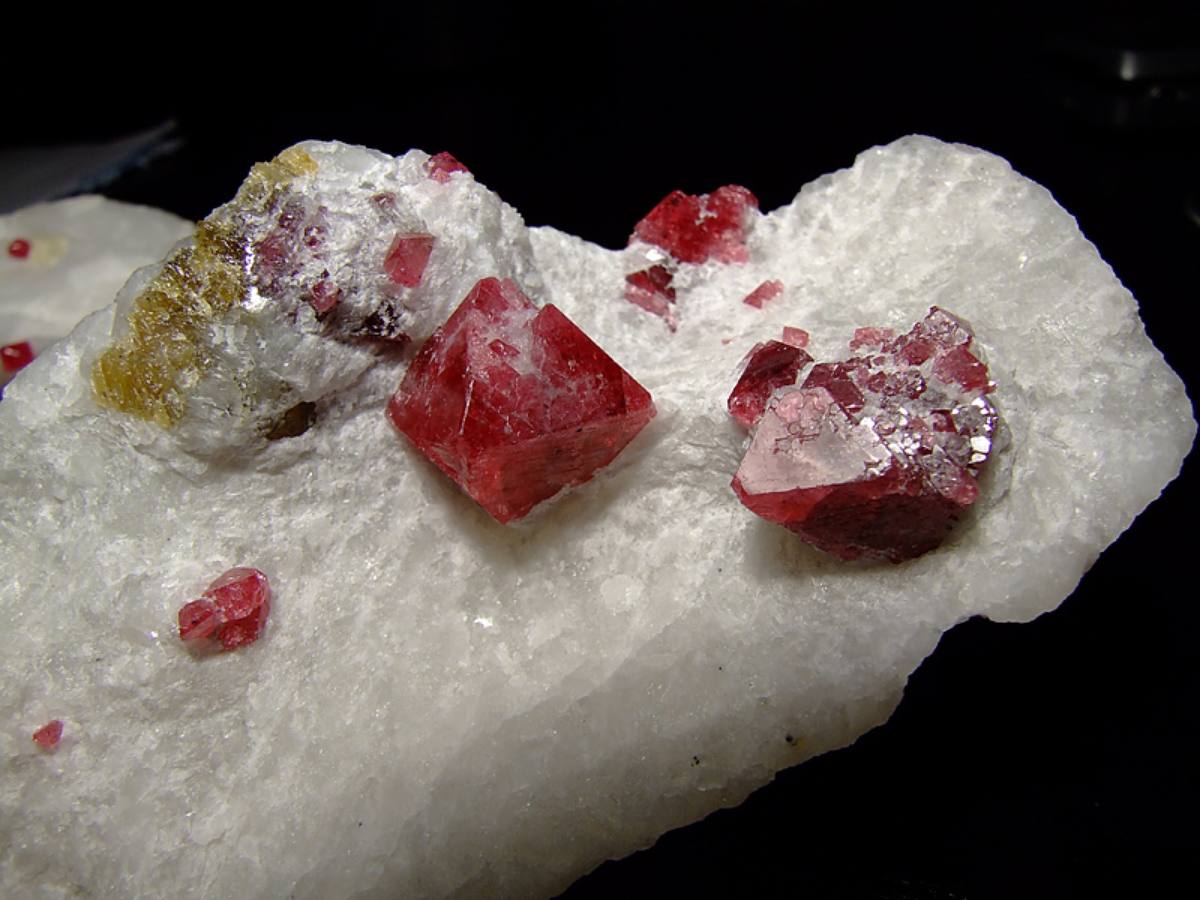
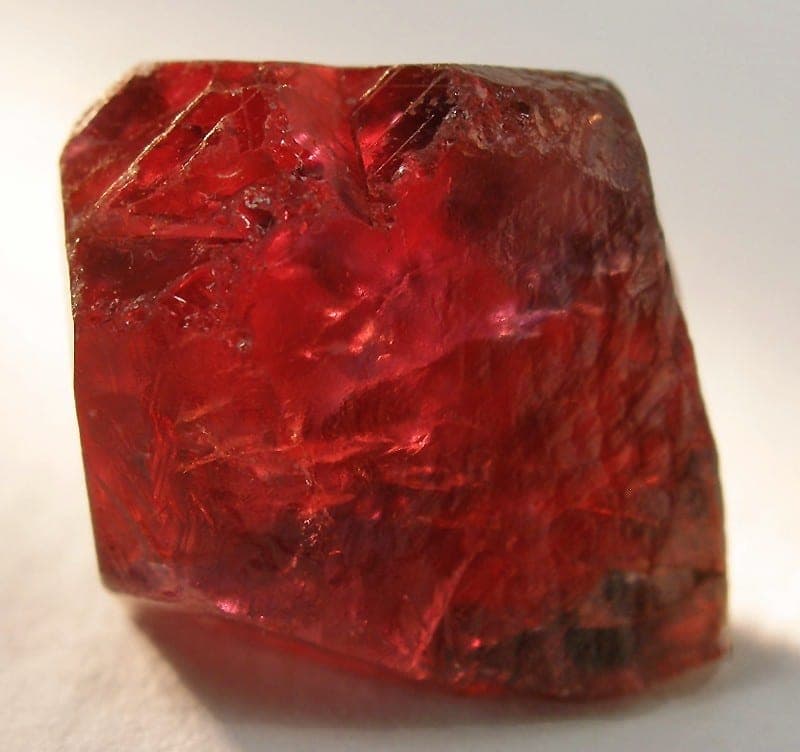
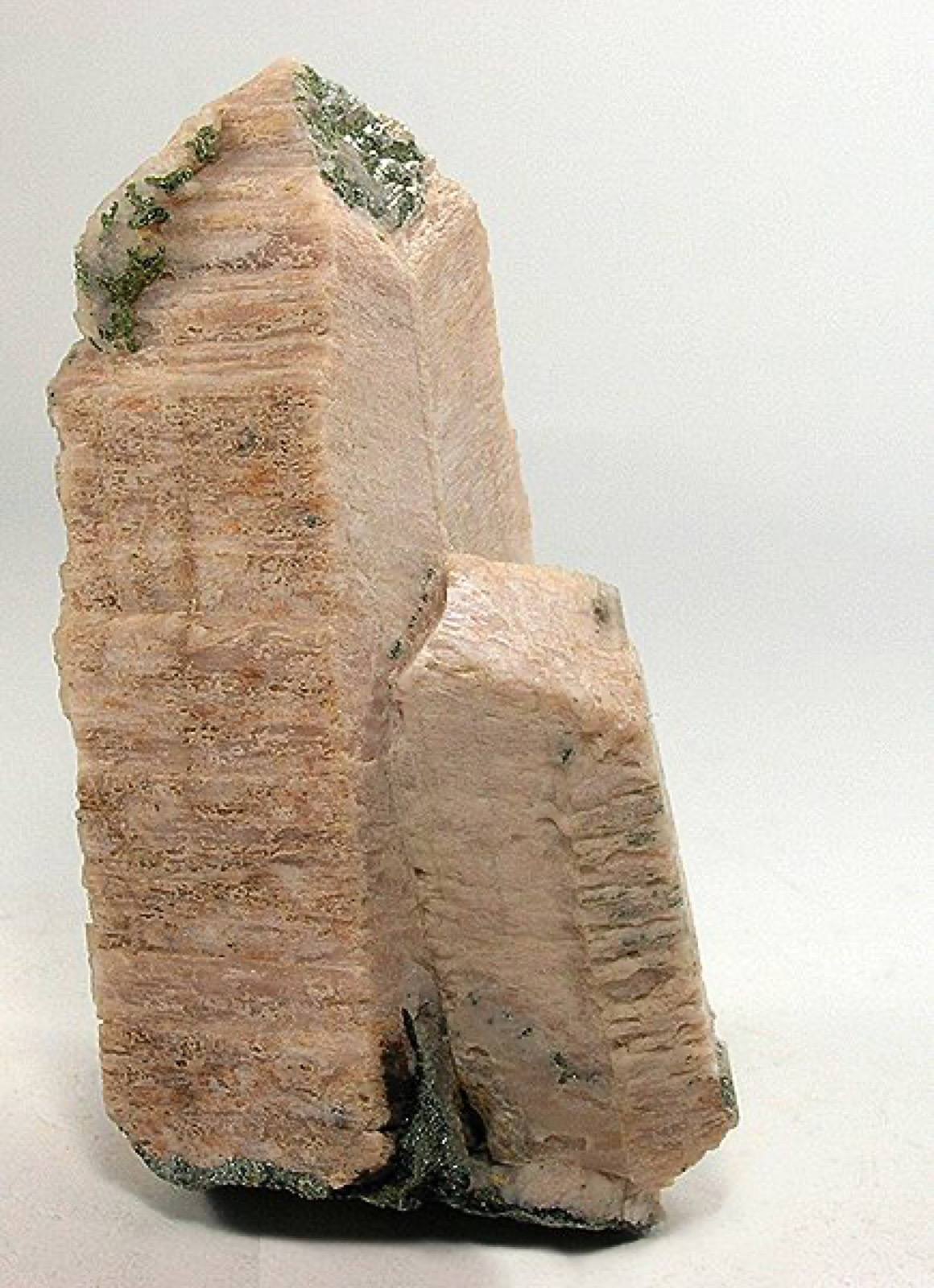
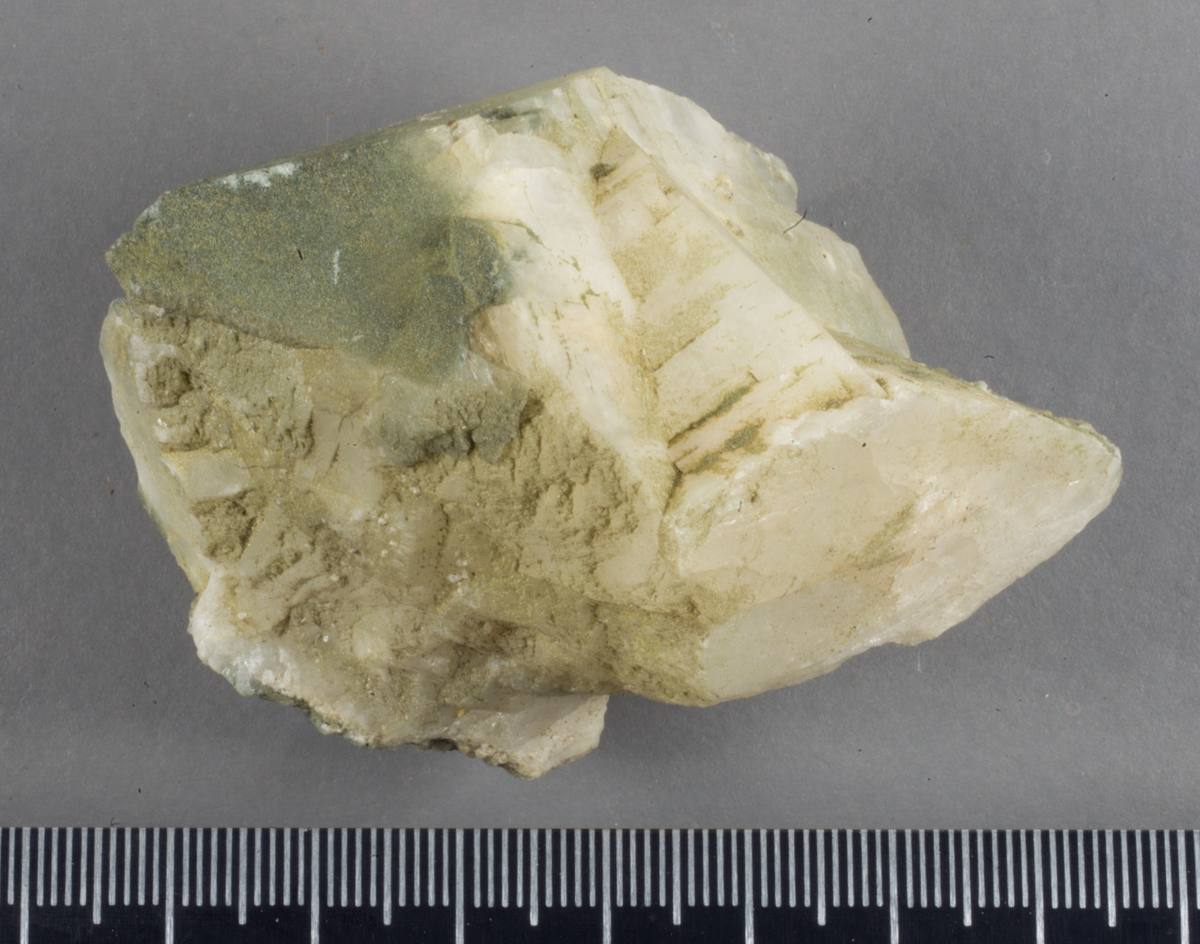
Garnet vs. its common look-alikes, and how to tell them apart in the field.
Often found alongside garnet
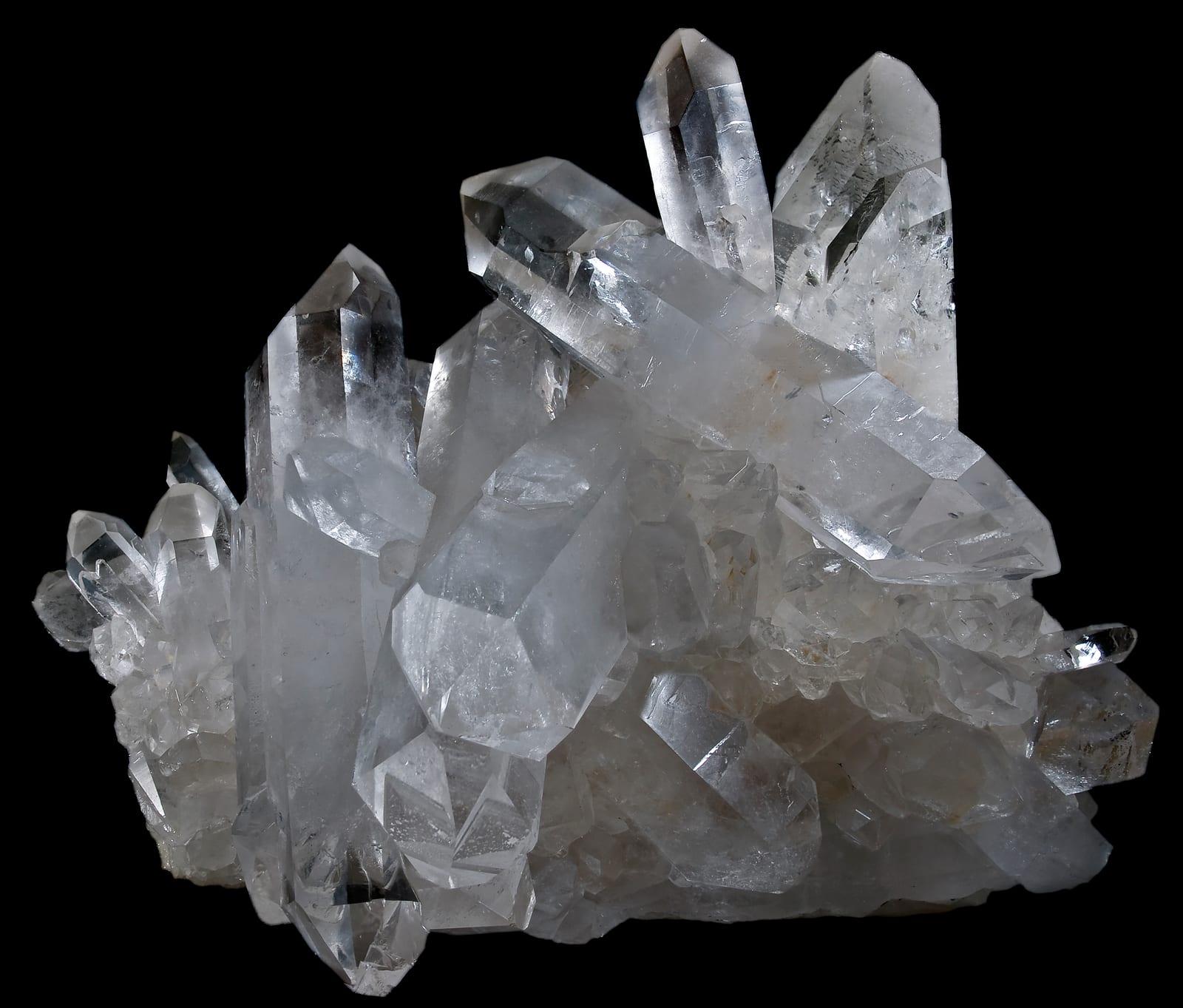
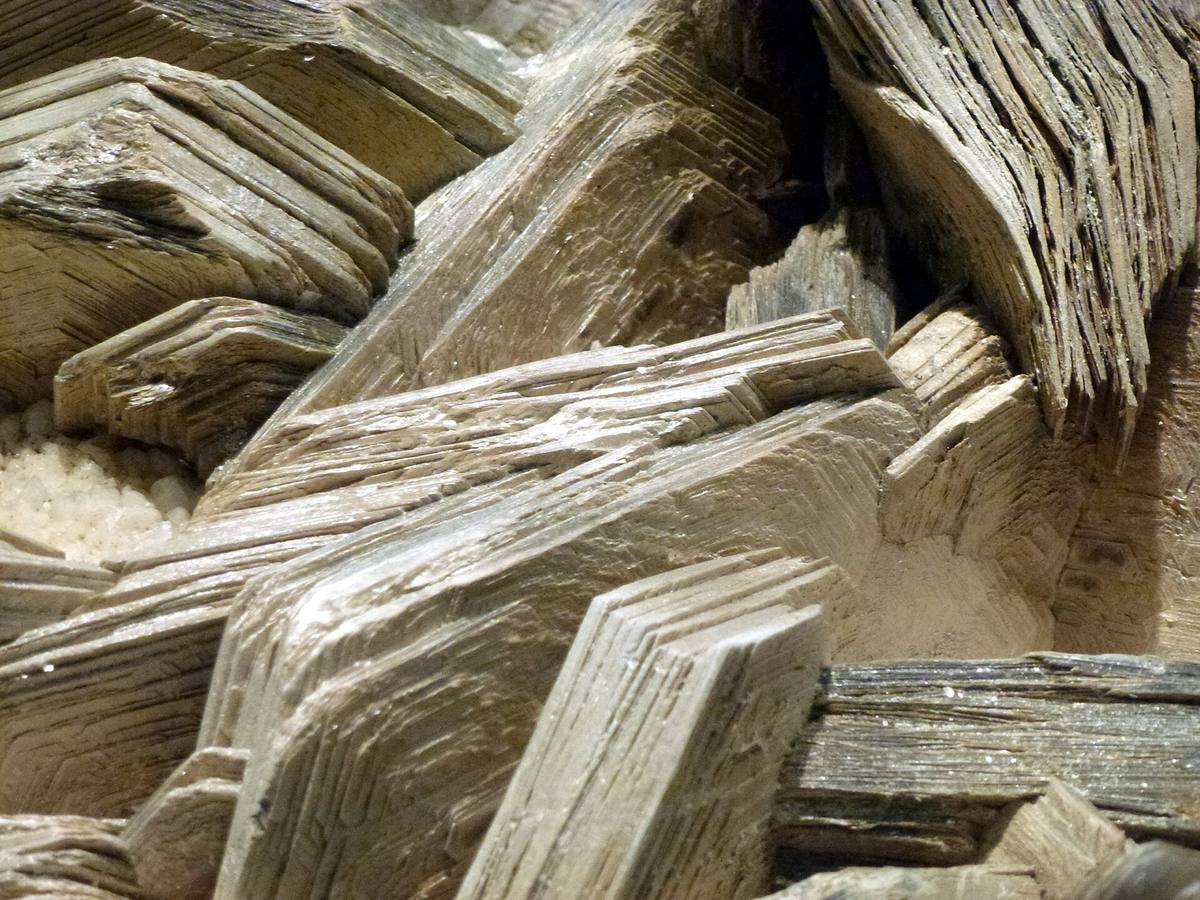
Minerals reported to co-occur with garnet. Spotting these in float or country rock is a strong cue you are in the right ground.
All properties
- Chemical formula
- X₃Y₂(SiO₄)₃
- Mohs hardness
- 6.5-7.5
- Density
- 3.5-4.3 g/cm³
- Streak
- White
- Luster
- Vitreous
- Transparency
- Transparent
- Crystal system
- Cubic
- Crystal habit
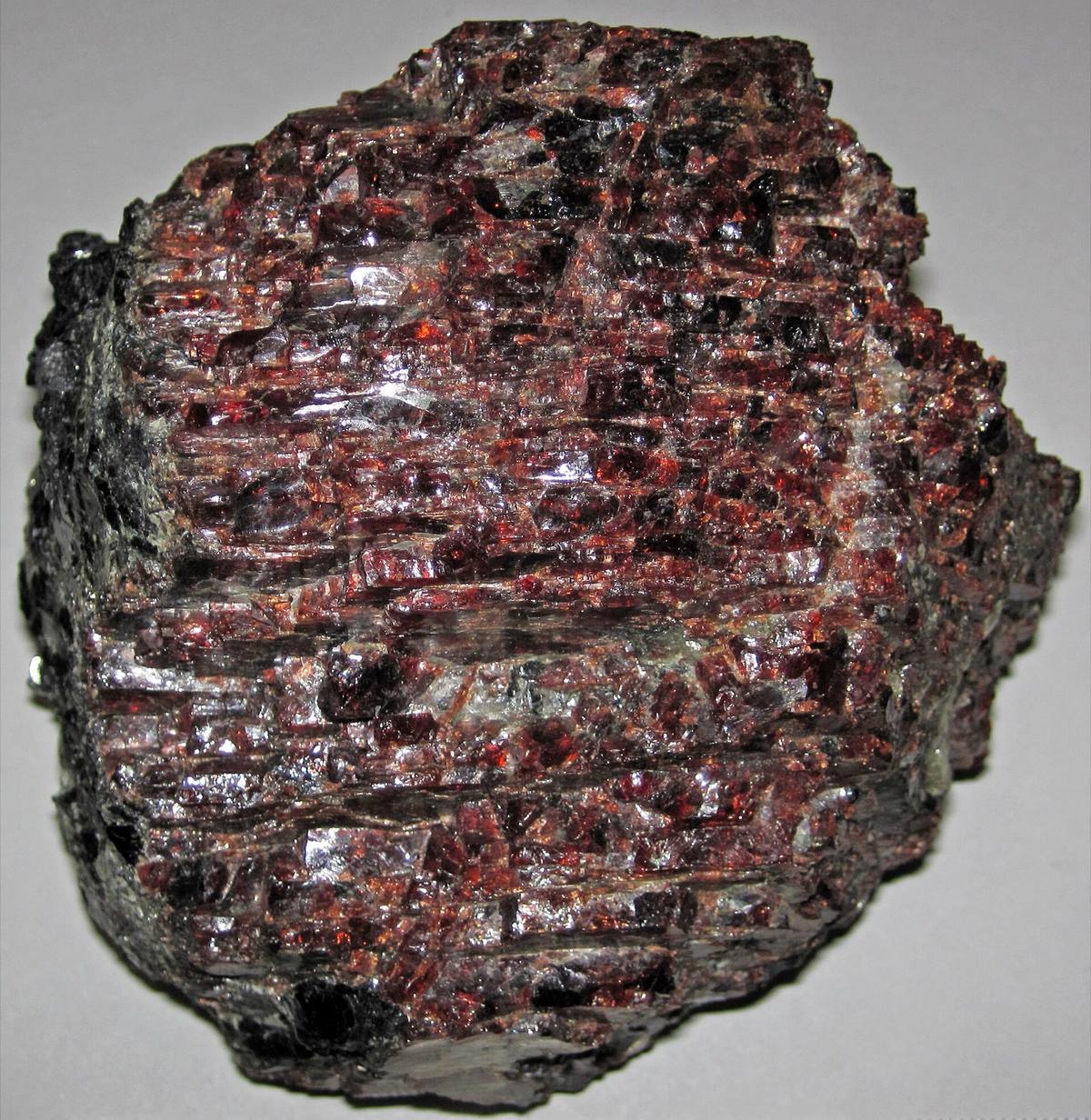
- Dodecahedral and trapezohedral crystals, massive
- Cleavage
- None
- Rarity
- Common
- Uses
- Gemstone, Abrasive, Collector
- Host rock
- metamorphic rocks like schist and gneiss, sometimes igneous rocks
Where rockhounds find garnet
208 mapped spotsClassic worldwide localities
- USA
- India
- Madagascar
- Tanzania
- Brazil
- Czech Republic
U.S. states with garnet
Each link opens a state-specific list of mapped rockhounding spots that produce garnet.
- North Carolina46 spots
- Utah25 spots
- Georgia10 spots
- Virginia9 spots
- Idaho8 spots
- Maine8 spots
- Maryland8 spots
- Alabama7 spots
Field-hunting tip
Where it forms: metamorphic rocks like schist and gneiss, sometimes igneous rocks. If you start seeing quartz, mica, feldspar in float, you are in the right ground. Typical habit: dodecahedral and trapezohedral crystals, massive. Train your eye for that shape before scanning the outcrop. In the U.S., the densest reported localities are in North Carolina, Utah, Georgia. Start trip planning there.
More garnet photos
Common questions
How do you identify garnet?+
Where is garnet found?+
Can I find garnet in the United States?+
What rocks look like garnet?+
What minerals are found with garnet?+
What kind of rock does garnet form in?+
What is garnet used for?+
Find garnet on the map
RockHoundR shows mapped rockhounding spots, access rules, and lets you log every find.

