Jadeite is a dense, tough pyroxene mineral that forms the most prized variety of jade. Collectors often identify it by its waxy to vitreous luster and characteristic granular or fibrous texture, frequently found in metamorphic subduction zone environments.
Spotting jadeite in the field
Field marks- 1
Green, lavender, white or orange, with a slightly granular sugary texture under magnification
- 2
Very tough and harder than nephrite at 6.5 to 7
- 3
Higher density than nephrite, noticeably heavy in the hand
Jadeite is the rarer and more valuable of the two true jades, forming only in high-pressure low-temperature subduction settings, which is why it comes from so few places on Earth. Myanmar dominates the gem trade, with Guatemala the other significant source. In the United States, San Benito County in California has the notable occurrence. The sugary granular texture under a loupe separates it from nephrite's fibrous felt.
Straight answers
- Is it worth cutting?
- Tough and slow to work, and it takes an exceptional polish. Imperial jadeite is usually cut to preserve weight rather than to a standard shape.
- What is it really worth?
- Fine imperial green jadeite is among the most valuable gem materials in the world. Treatment is rampant: bleached and polymer-impregnated jadeite is called B jade and dyed material is C jade, and both must be disclosed.
- Can you legally keep it?
- Myanmar jadeite is subject to trade restrictions and is tied to serious human rights concerns, so provenance genuinely matters here. Guatemalan material is a cleaner alternative.
Often confused with
Jadeite vs. its common look-alikes, and how to tell them apart in the field.
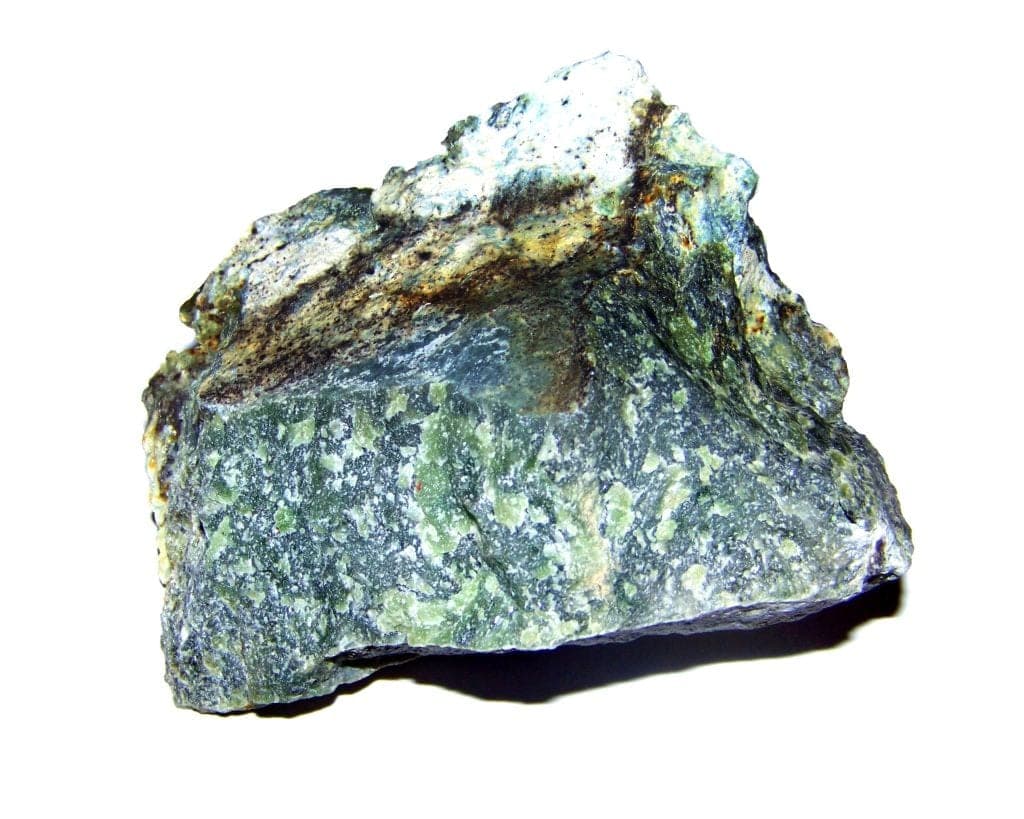
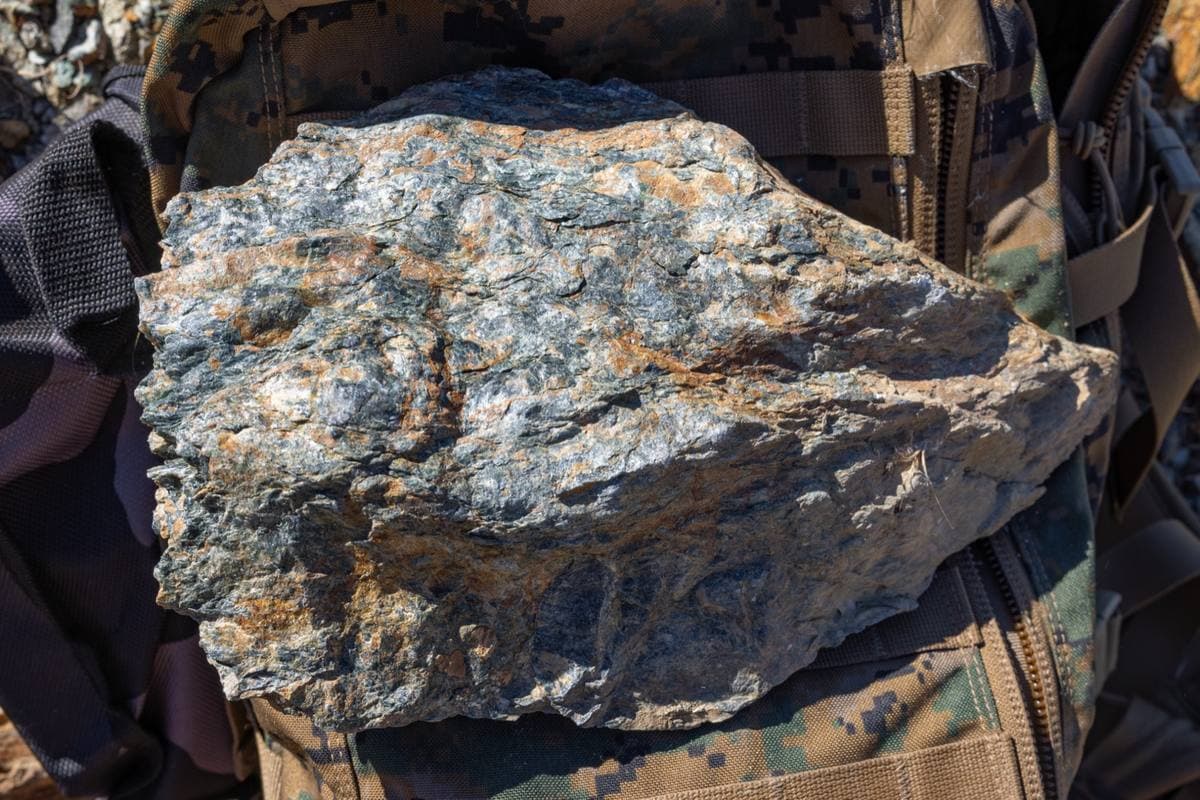
Often found alongside jadeite
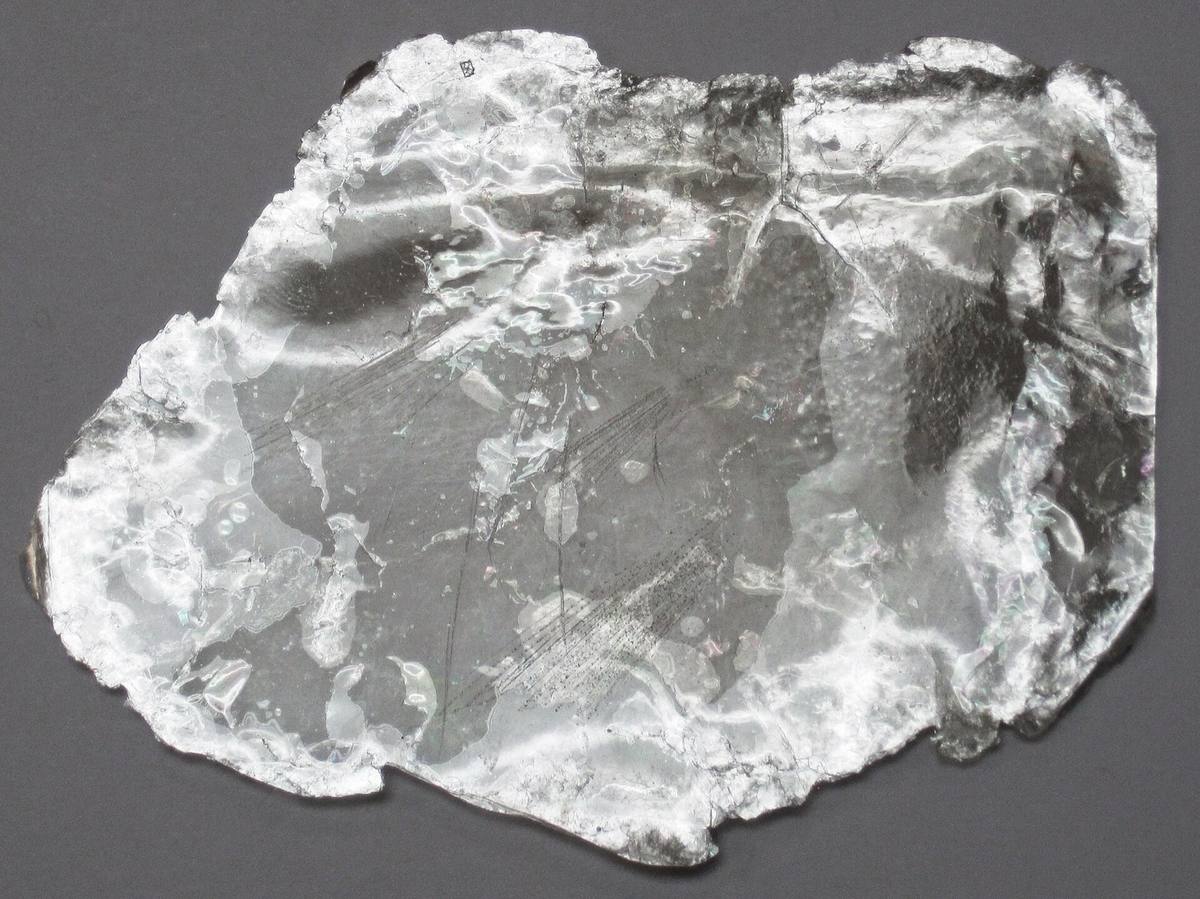
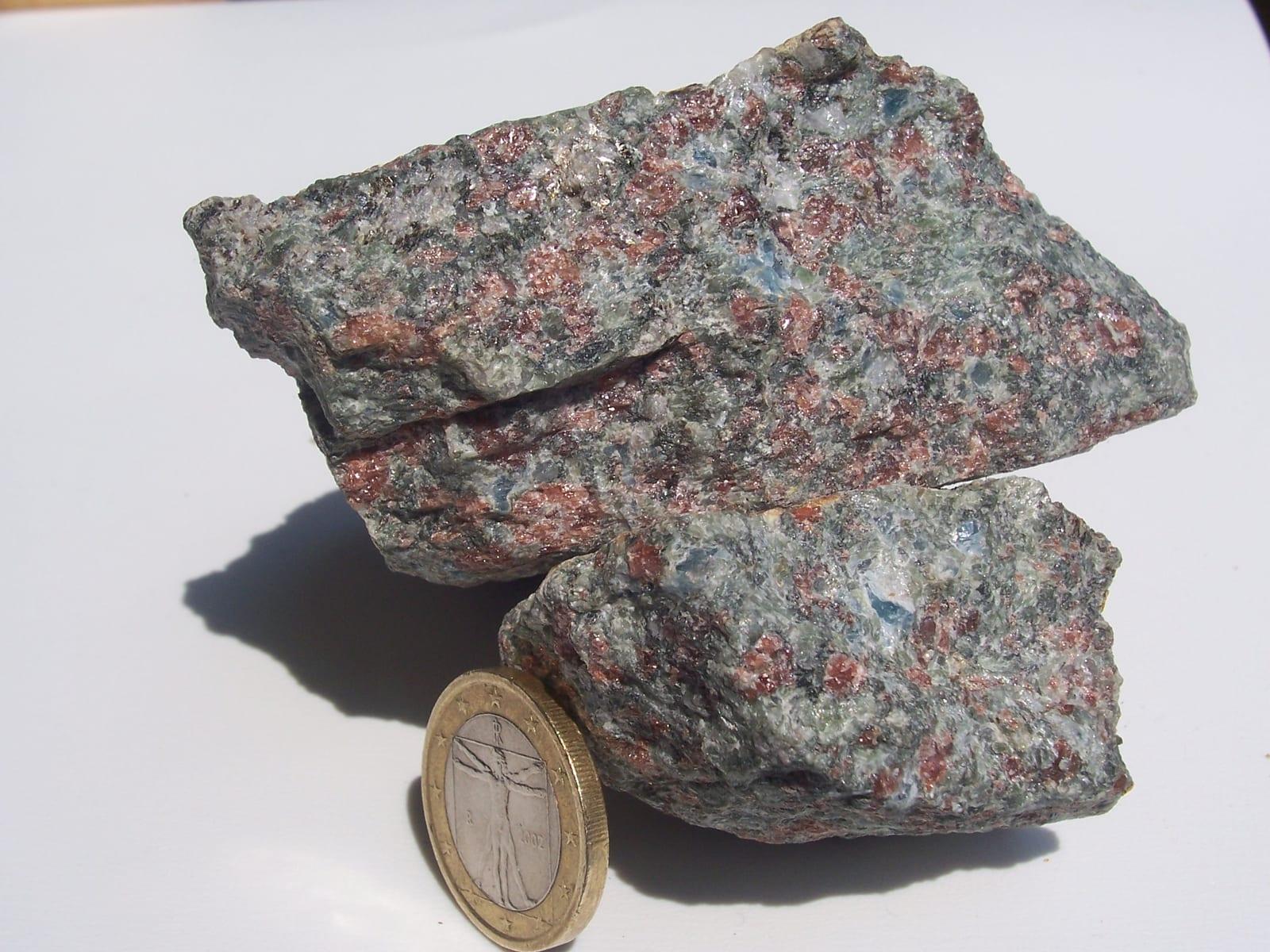
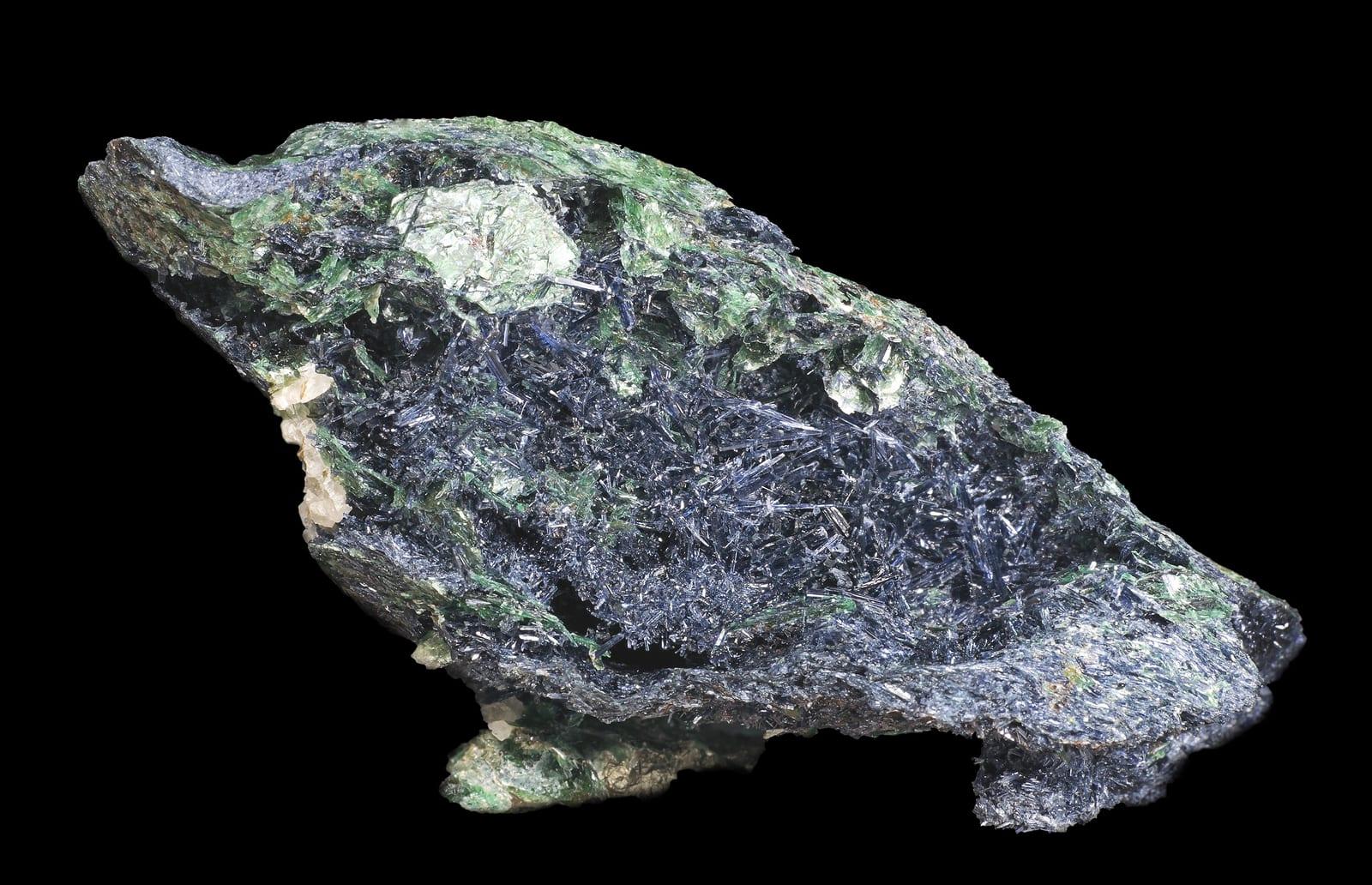
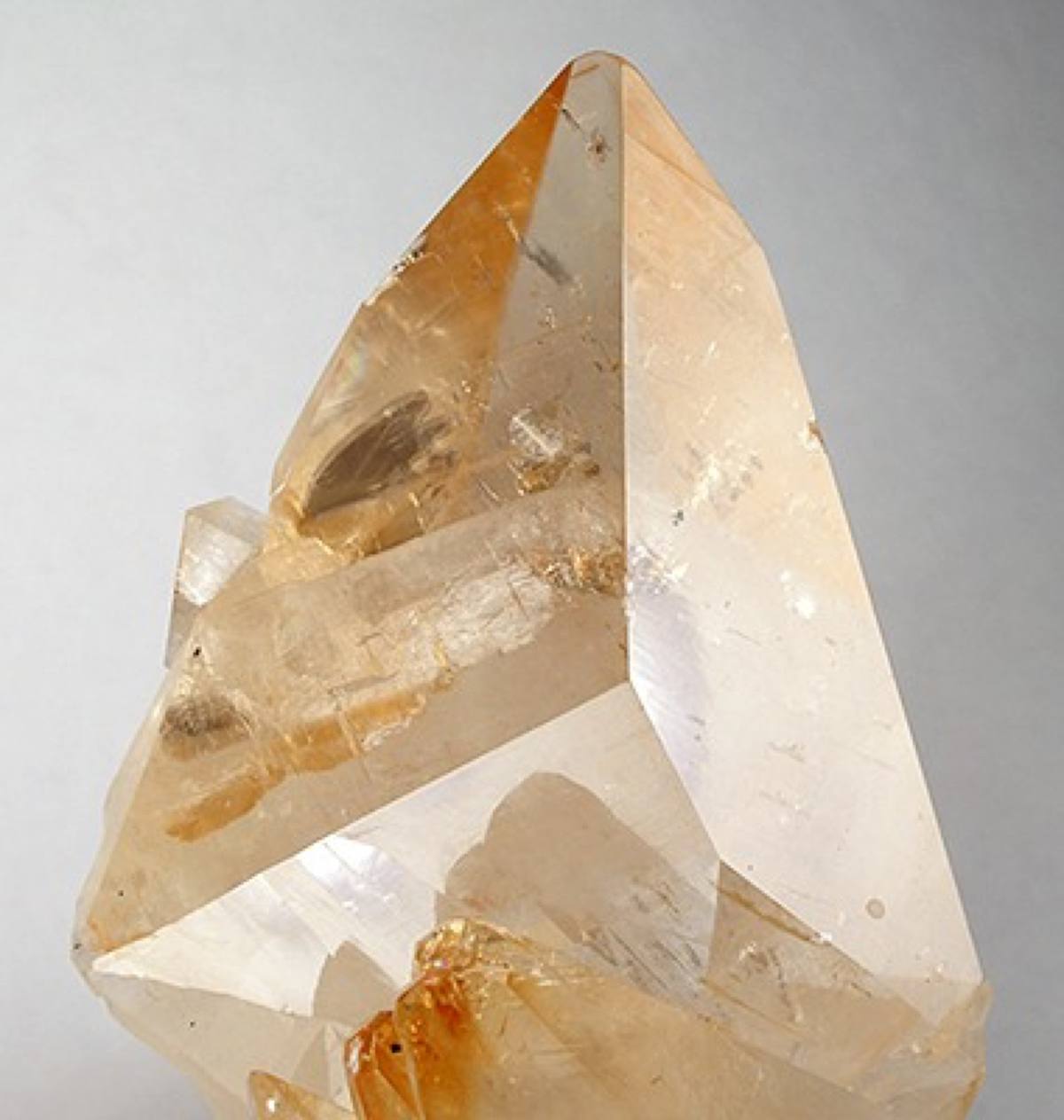
Minerals reported to co-occur with jadeite. Spotting these in float or country rock is a strong cue you are in the right ground.
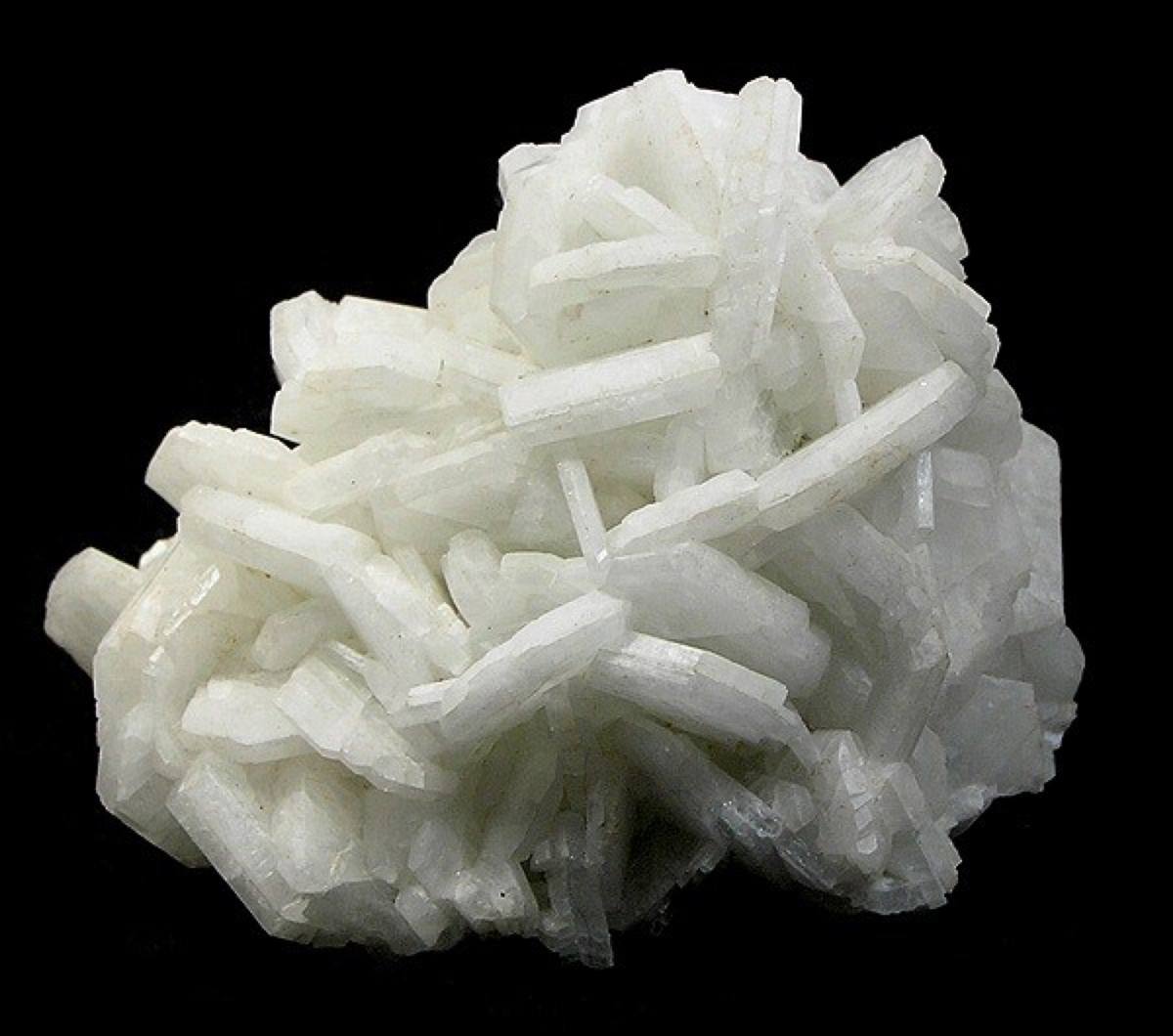
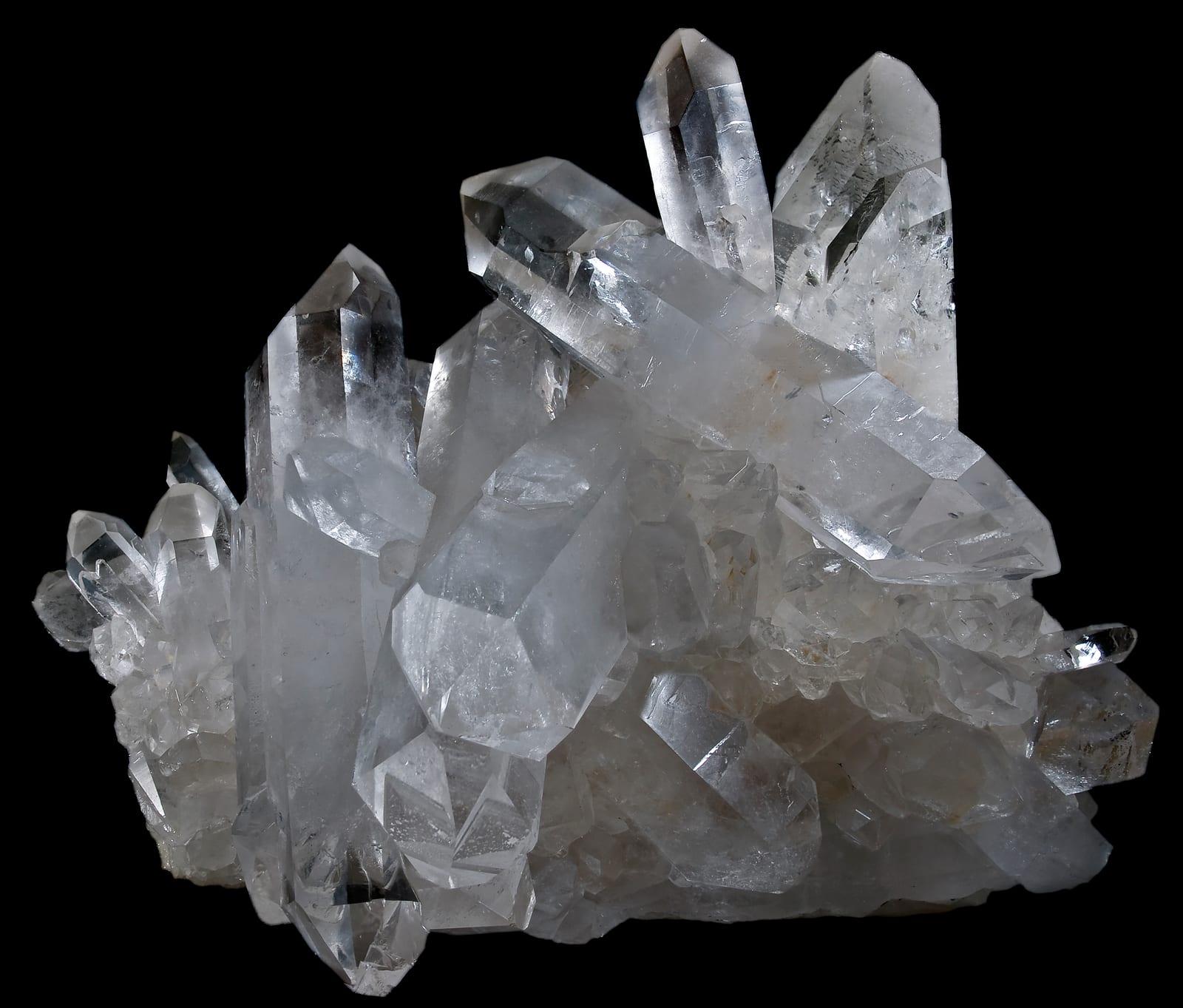
All properties
- Chemical formula
- NaAlSi₂O₆
- Mohs hardness
- 6-7
- Density
- 3.24-3.43 g/cm³
- Streak
- White
- Luster
- Subvitreous, pearly on cleavages
- Transparency
- Translucent
- Crystal system
- Monoclinic
- Crystal habit
- Massive, granular, or compact fibrous
- Cleavage
- Good on {110}, (110) ^ (110) ~87°
- Rarity
- Rare
- Uses
- Gemstone, Ornamental, Collector
- Host rock
- In high-pressure metamorphic rocks of the glaucophane facies; a component of eclogite
Where rockhounds find jadeite
5 mapped spotsClassic worldwide localities
- Boulders along the Russian River, about 3.5 km north of the Sonoma-Mendocino Co. line, near Cloverdale, California, USA
- Clear Creek, near New Idria, San Benito Co., California, USA
- Tawmaw, Myitkyina-Mogaung district, Kachin State, northern Myanmar (Burma)
- Ohmi area, along the Hashidate and Kotake Rivers, Niigata Prefecture, and at Shibukawa, Gumma Prefecture, Japan
- Lake Baikal, Siberia, Russia
- Manzanal, in the Motagua Valley, near the Sierra de las Minas, Guatemala
Field-hunting tip
Where it forms: In high-pressure metamorphic rocks of the glaucophane facies; a component of eclogite. If you start seeing albite, quartz, muscovite in float, you are in the right ground. Typical habit: massive, granular, or compact fibrous. Train your eye for that shape before scanning the outcrop. In the U.S., the densest reported localities are in California, Washington. Start trip planning there.
Common questions
How do you identify jadeite?+
Where is jadeite found?+
Can I find jadeite in the United States?+
What rocks look like jadeite?+
What minerals are found with jadeite?+
What kind of rock does jadeite form in?+
What is jadeite used for?+
Find jadeite on the map
RockHoundR shows mapped rockhounding spots, access rules, and lets you log every find.