
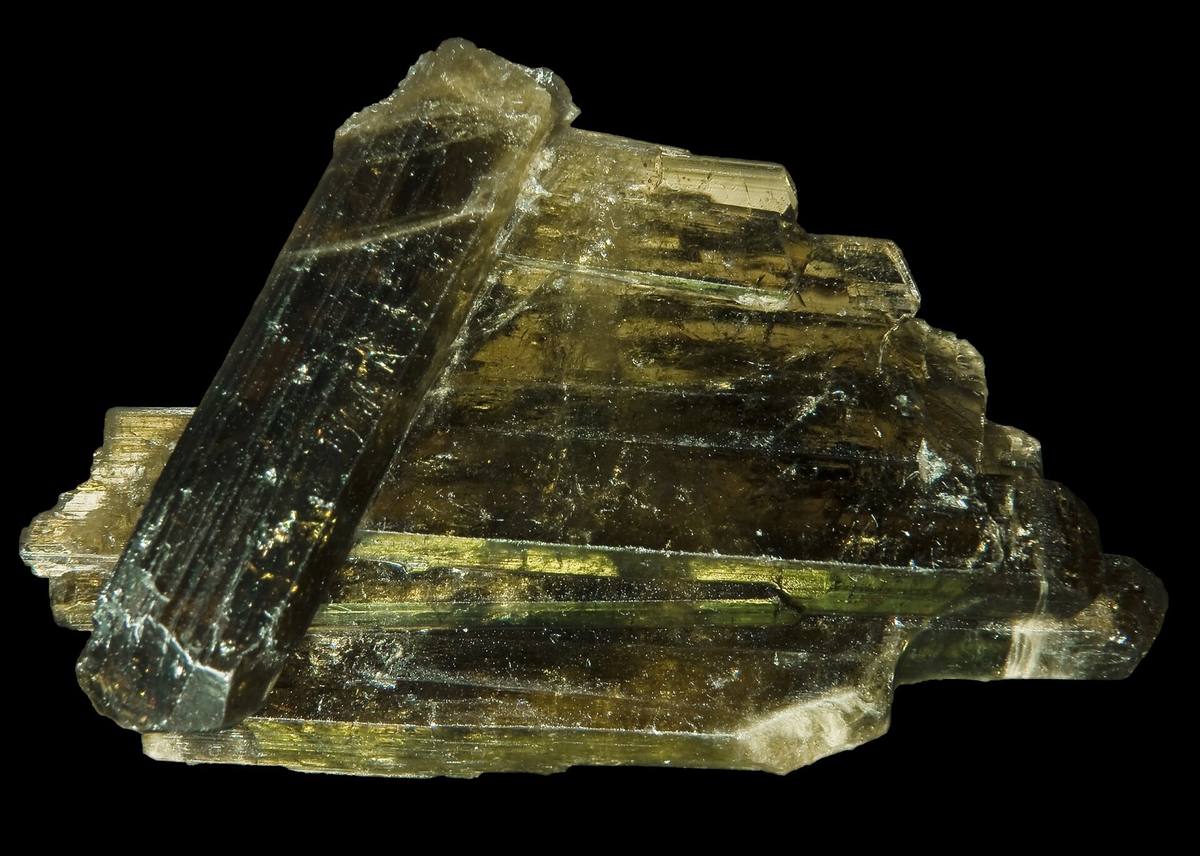
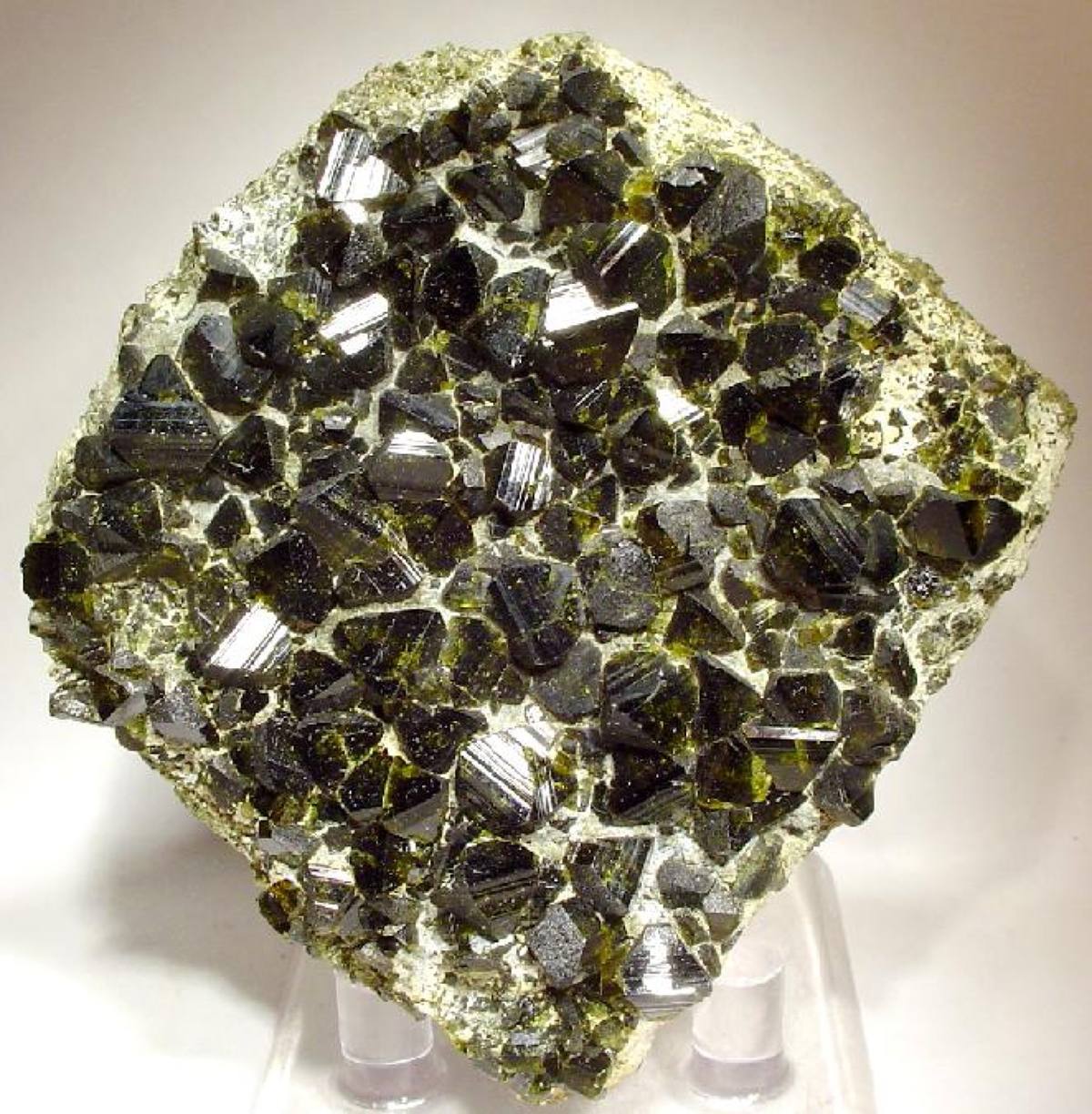
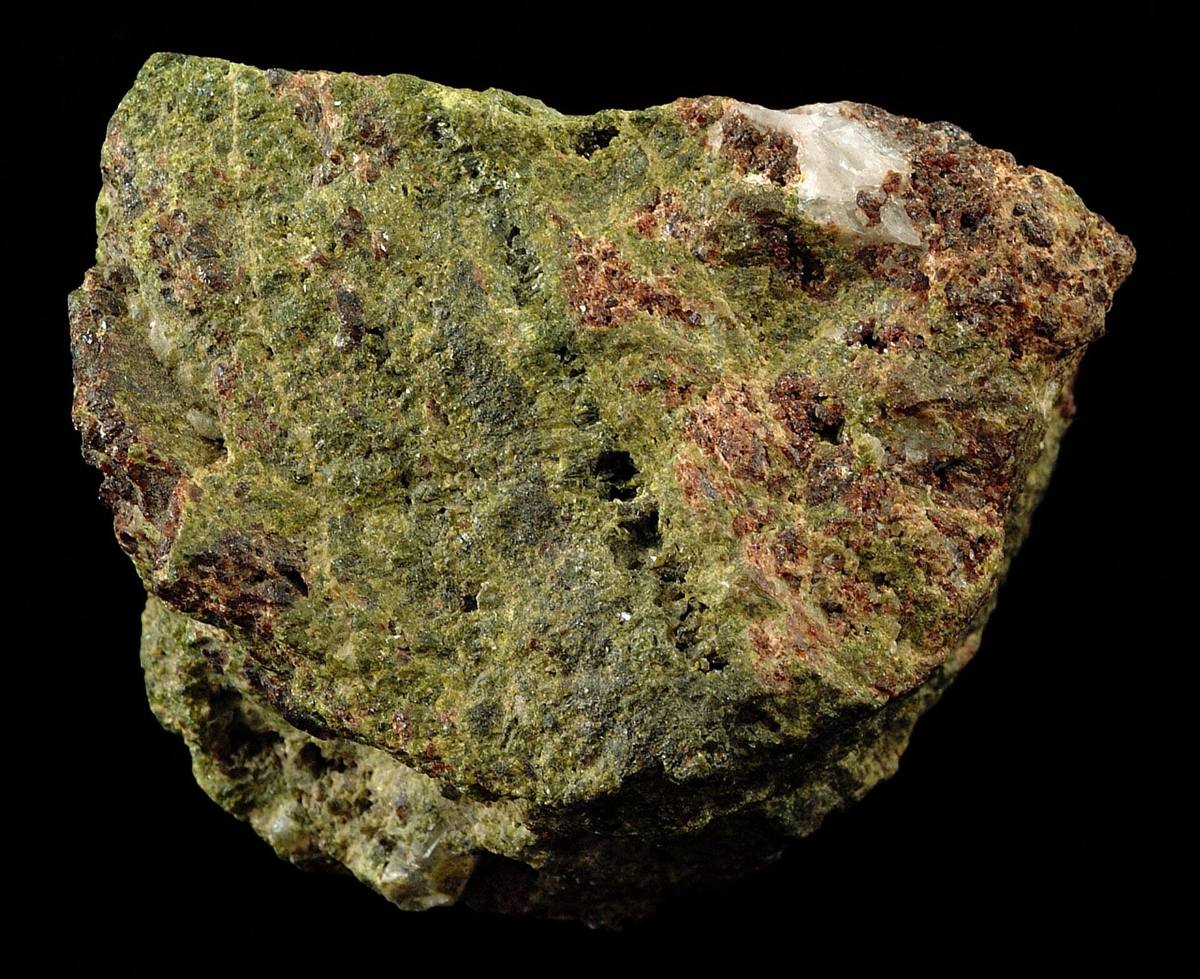
Epidote is a common metamorphic mineral easily recognized by its distinct pistachio-green color. It often forms elongated, vertically striated crystals in cavities within schist or gneiss, and it is a major constituent of the rock type known as epidosite.
Spotting epidote in the field
Field marks- 1
A very particular yellow-green, often described as pistachio, unlike any other common mineral
- 2
Elongated striated crystals with one perfect cleavage
- 3
Strongly pleochroic, shifting green to brown as you rotate a crystal
That pistachio yellow-green is diagnostic once you have seen it, and it is worth learning because epidote is an indicator of hydrothermal alteration, which means it often marks ground where other things worth finding also occur. It forms in metamorphic rock, in altered volcanics and in skarn. Good crystal specimens come from alpine clefts, and the Green Monster Mountain locality in Alaska is a famous American source.
Straight answers
- Is it worth cutting?
- Rarely cut on its own because of the cleavage. It matters most as a component of unakite and as a crystal specimen.
- What is it really worth?
- Low as material. Sharp lustrous crystal groups are the collectible form.
- Can you legally keep it?
- Ordinary personal-use collecting rules apply.
Often confused with
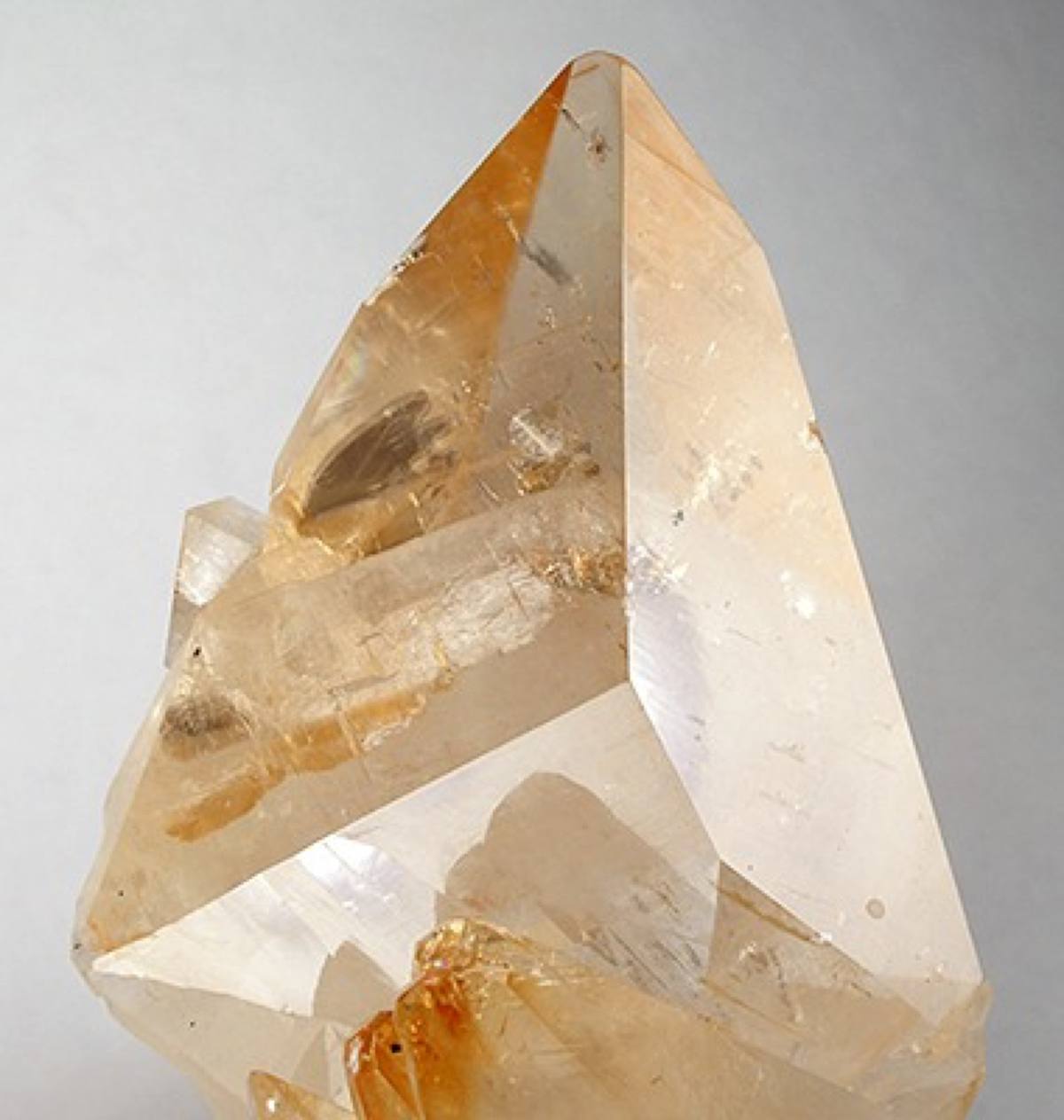
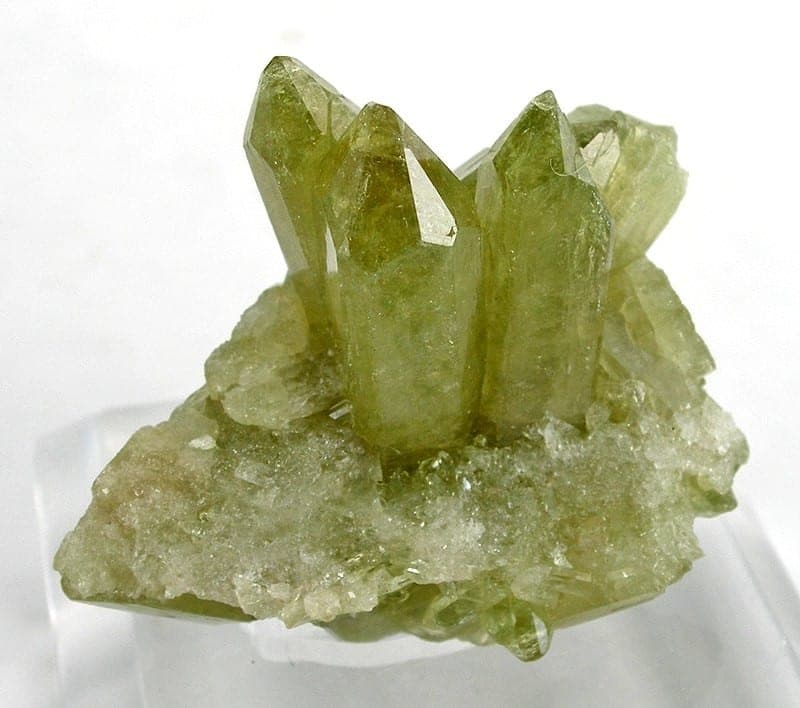
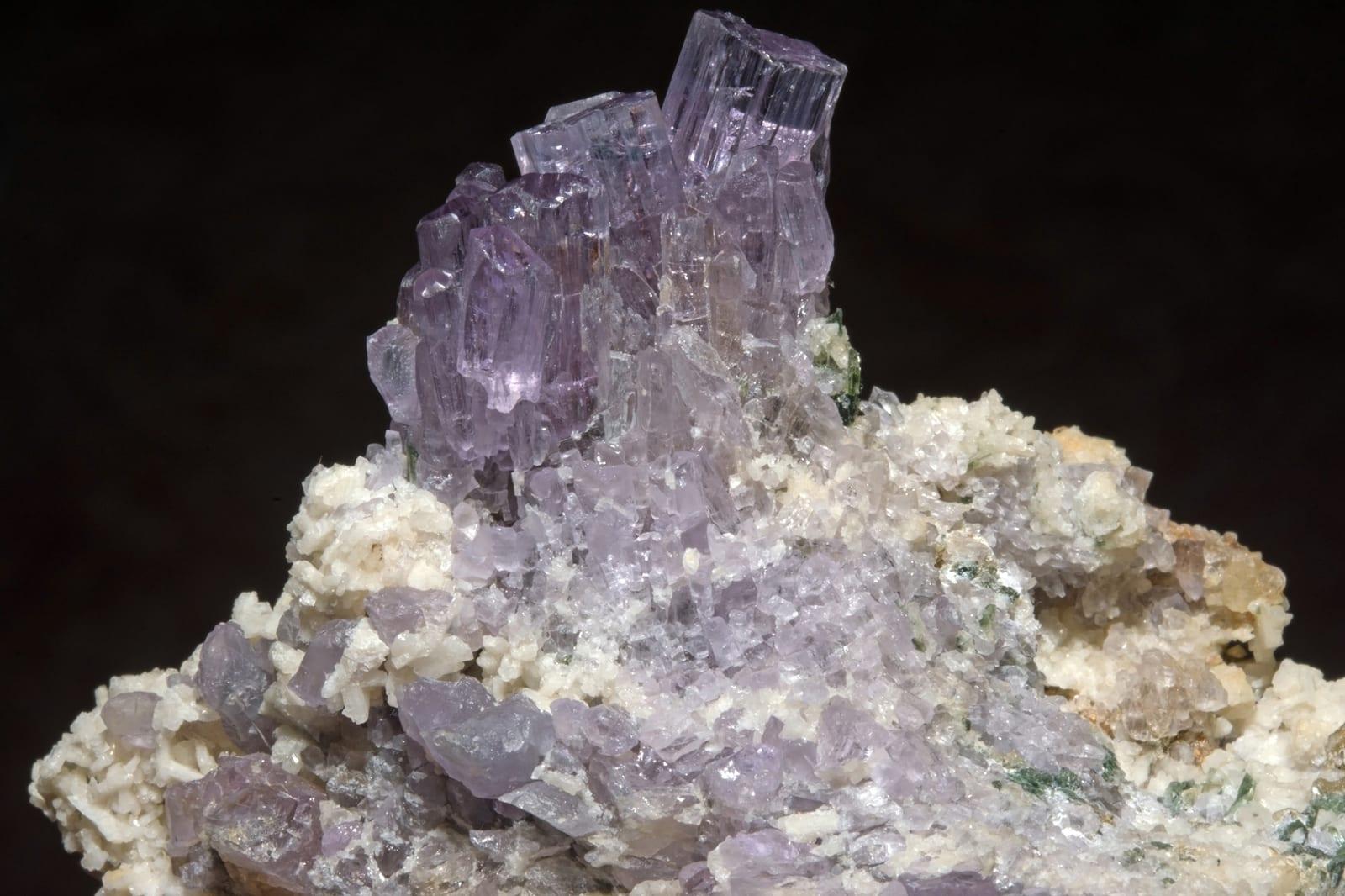
Epidote vs. its common look-alikes, and how to tell them apart in the field.
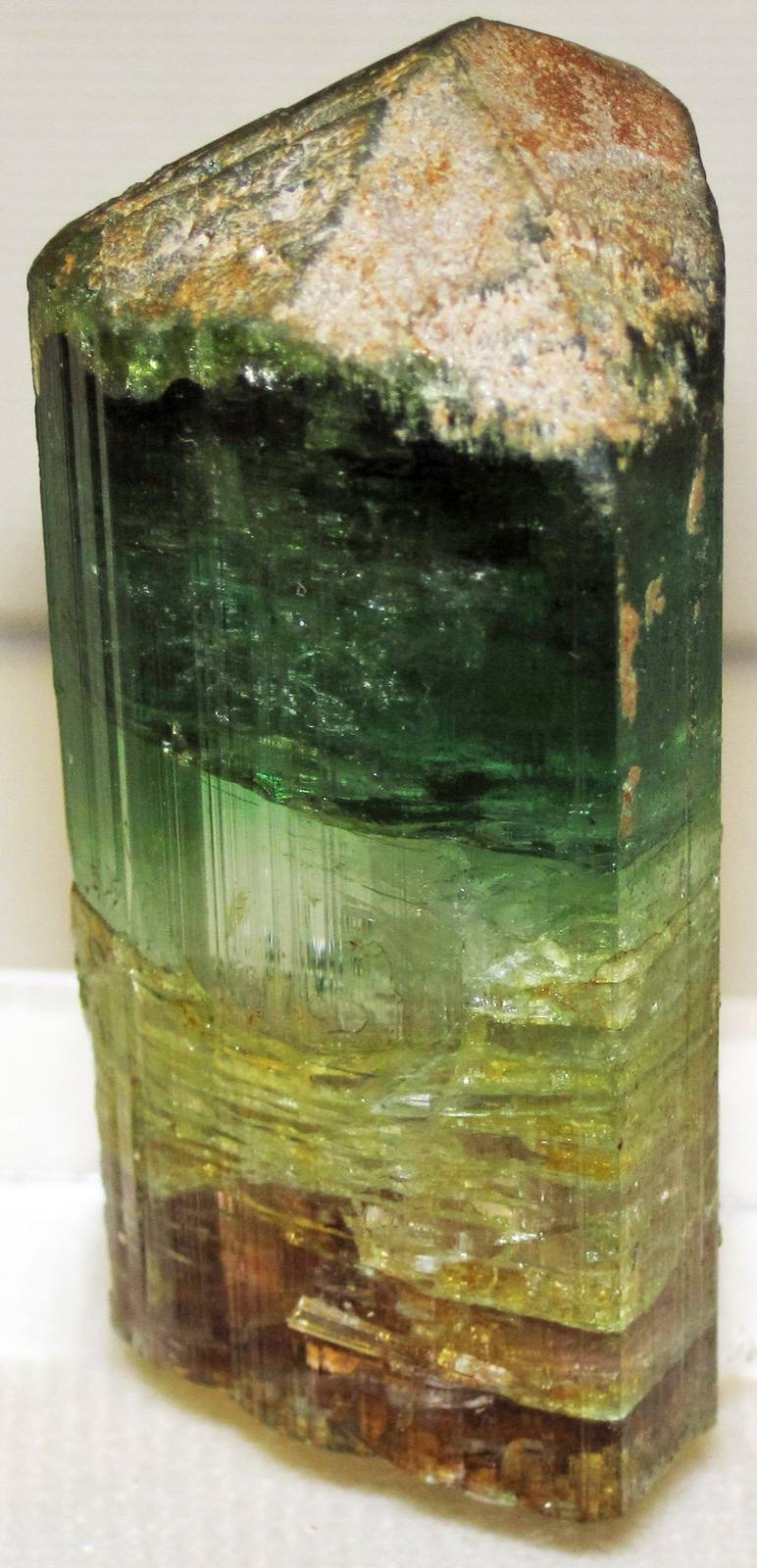
How to tell apart: Verdelite tourmaline is greener and has a rounded triangular section with no cleavage. Epidote has one perfect cleavage and a yellower green.
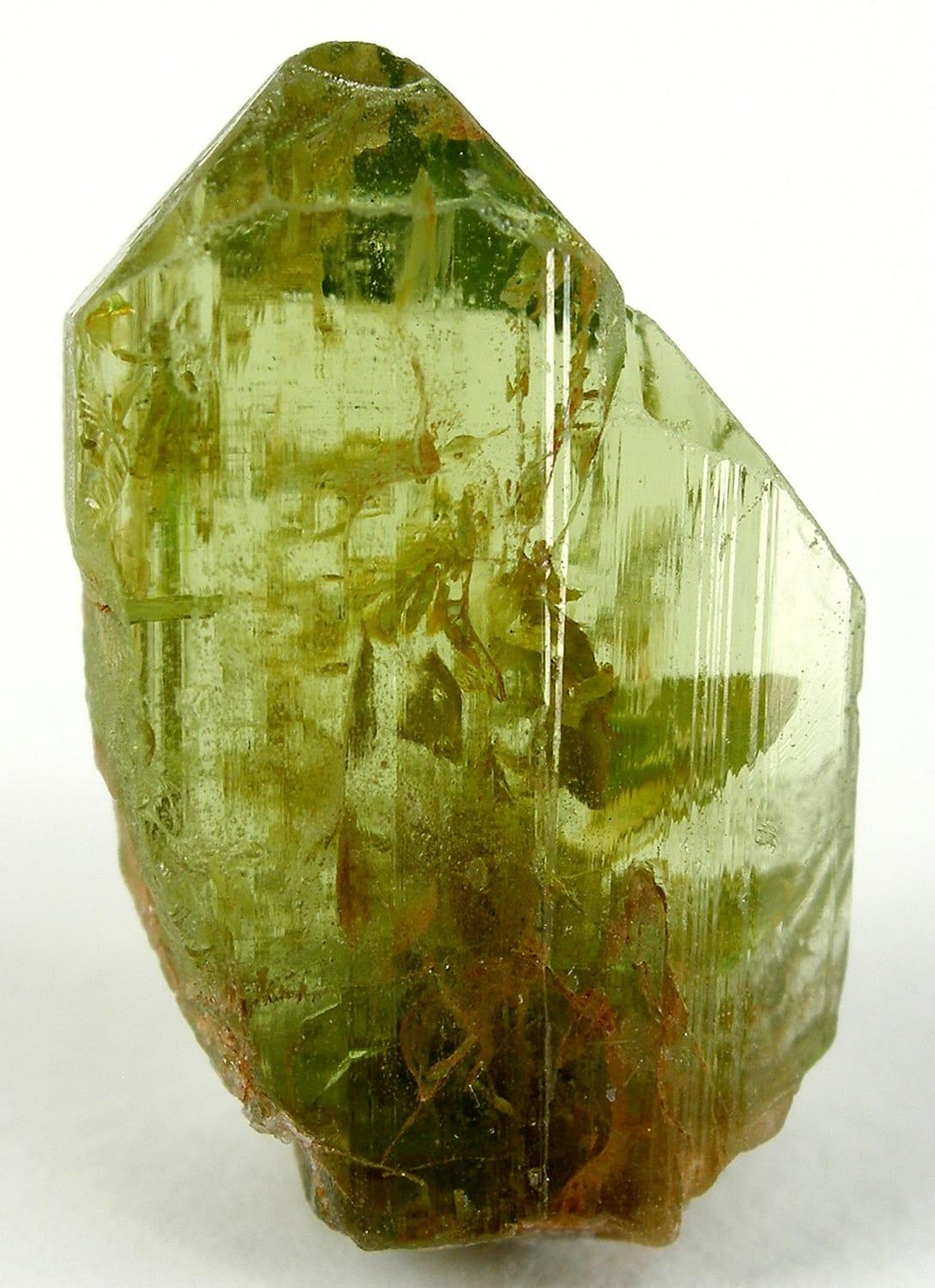
How to tell apart: Peridot is a cleaner olive green, forms blocky grains in basalt, and is not strongly pleochroic in the same way.
Often found alongside epidote
Minerals reported to co-occur with epidote. Spotting these in float or country rock is a strong cue you are in the right ground.
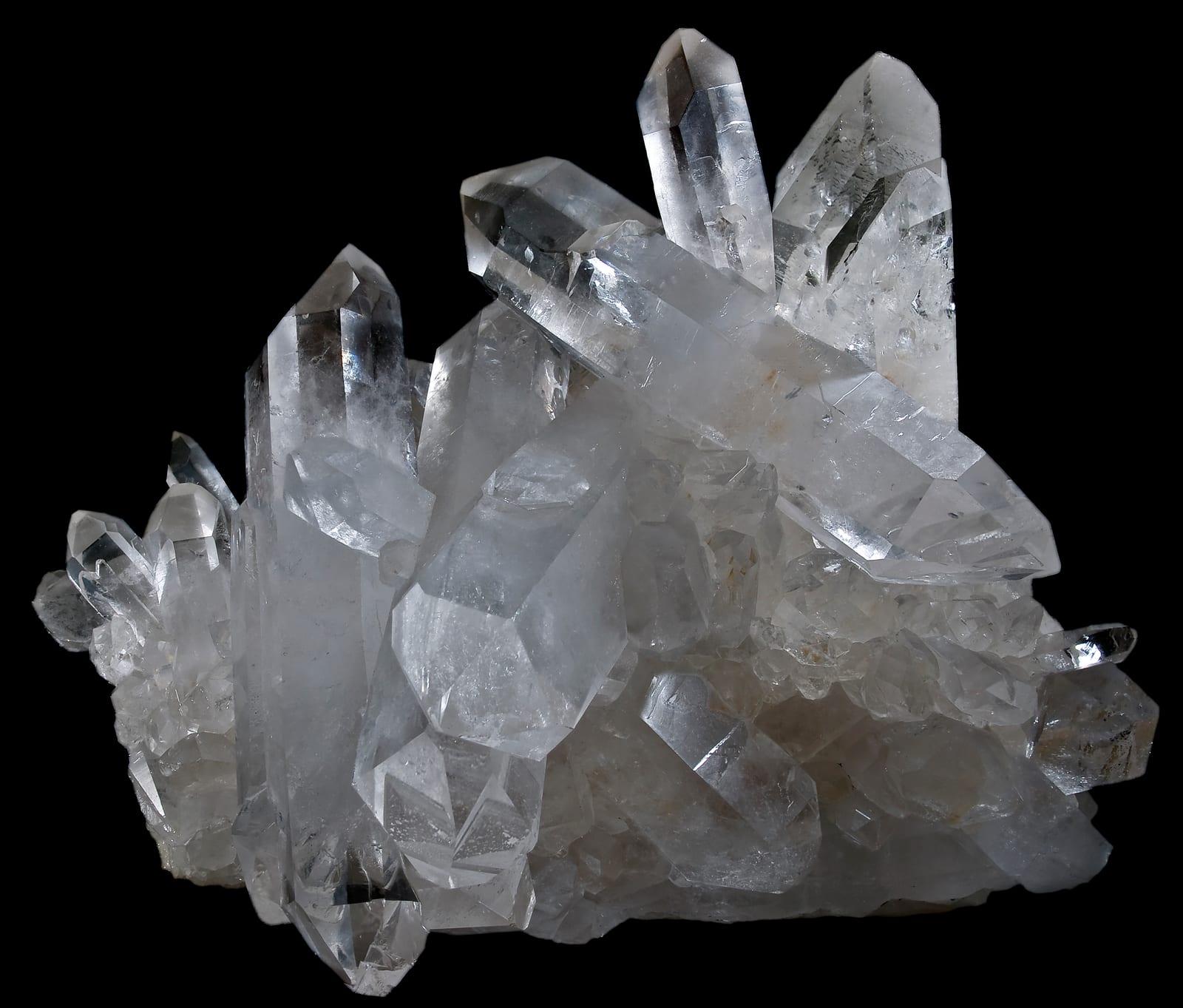
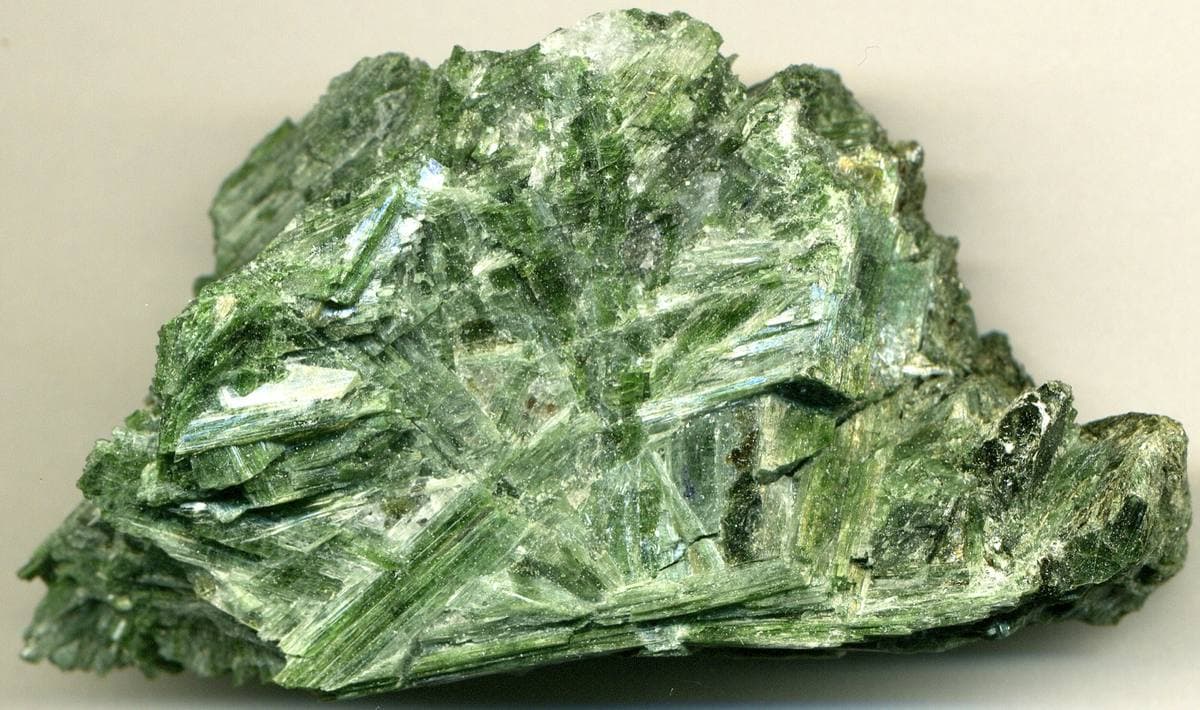
All properties
- Chemical formula
- Ca₂Al₂Fe(Si₂O₇)(SiO₄)O(OH)
- Mohs hardness
- 6-7
- Density
- 3.38-3.49 g/cm³
- Colors
- Streak
- Grayish white
- Luster
- Vitreous, pearly, somewhat resinous
- Transparency
- Transparent to nearly opaque
- Crystal system
- Monoclinic
- Crystal habit
- Prismatic crystals, acicular, granular, massive
- Cleavage
- Perfect on {001}, imperfect on {100}
- Rarity
- Common
- Uses
- Collector, Lapidary, Decorative
- Host rock
- Characteristic of several facies of regionally metamorphosed rocks and some contaminated felsic igneous rocks; in contact zones between igneous and calcareous sedimentary rocks
Where rockhounds find epidote
83 mapped spotsClassic worldwide localities
- Sulzer, Prince of Wales Island, Alaska, USA
- Garnet Hill, Calaveras Co., California, USA
- Calumet mine, Chaffee Co., Colorado, USA
- Seven Devils district, Adams Co., Idaho, USA
- Arendal, Norway
- Traversella, Piedmont, Italy
U.S. states with epidote
Each link opens a state-specific list of mapped rockhounding spots that produce epidote.
- North Carolina11 spots
- Virginia9 spots
- New Jersey8 spots
- Pennsylvania5 spots
- Utah5 spots
- Wisconsin5 spots
Field-hunting tip
Where it forms: Characteristic of several facies of regionally metamorphosed rocks and some contaminated felsic igneous rocks; in contact zones between igneous and calcareous sedimentary rocks. If you start seeing zeolites, amphiboles, plagioclase feldspars in float, you are in the right ground. Typical habit: prismatic crystals, acicular, granular, massive. Train your eye for that shape before scanning the outcrop. In the U.S., the densest reported localities are in North Carolina, Virginia, New Jersey. Start trip planning there.
More epidote photos
Common questions
How do you identify epidote?+
Where is epidote found?+
Can I find epidote in the United States?+
What rocks look like epidote?+
What minerals are found with epidote?+
What kind of rock does epidote form in?+
What is epidote used for?+
Find epidote on the map
RockHoundR shows mapped rockhounding spots, access rules, and lets you log every find.

