
Lawsonite is a characteristic index mineral of the blueschist metamorphic facies, typically forming in subduction zones. Collectors should look for its distinct tabular crystal habits and characteristic blue-tinted appearance within schistose rock matrices.
Is this lawsonite?
5-step field checkRun through these checks against the specimen in your hand. The more boxes tick, the more confident the ID.
- 1Test the hardnessTry to scratch lawsonite with a known reference. Lawsonite sits at Mohs 6, softer than the next harder reference, harder than the previous one.
- 2Check the streakDrag the specimen across an unglazed porcelain plate. Streak: white.
- 3Read the lusterHold the specimen under a strong light. Luster: vitreous, greasy.
- 4Match the color rangeCompare against the expected color range: colorless, white, gray, blue, pinkish.
- 5Look at form & habitCrystal system: orthorhombic. Typical habit: prismatic, tabular.
Often confused with
Lawsonite vs. its common look-alikes, and how to tell them apart in the field.
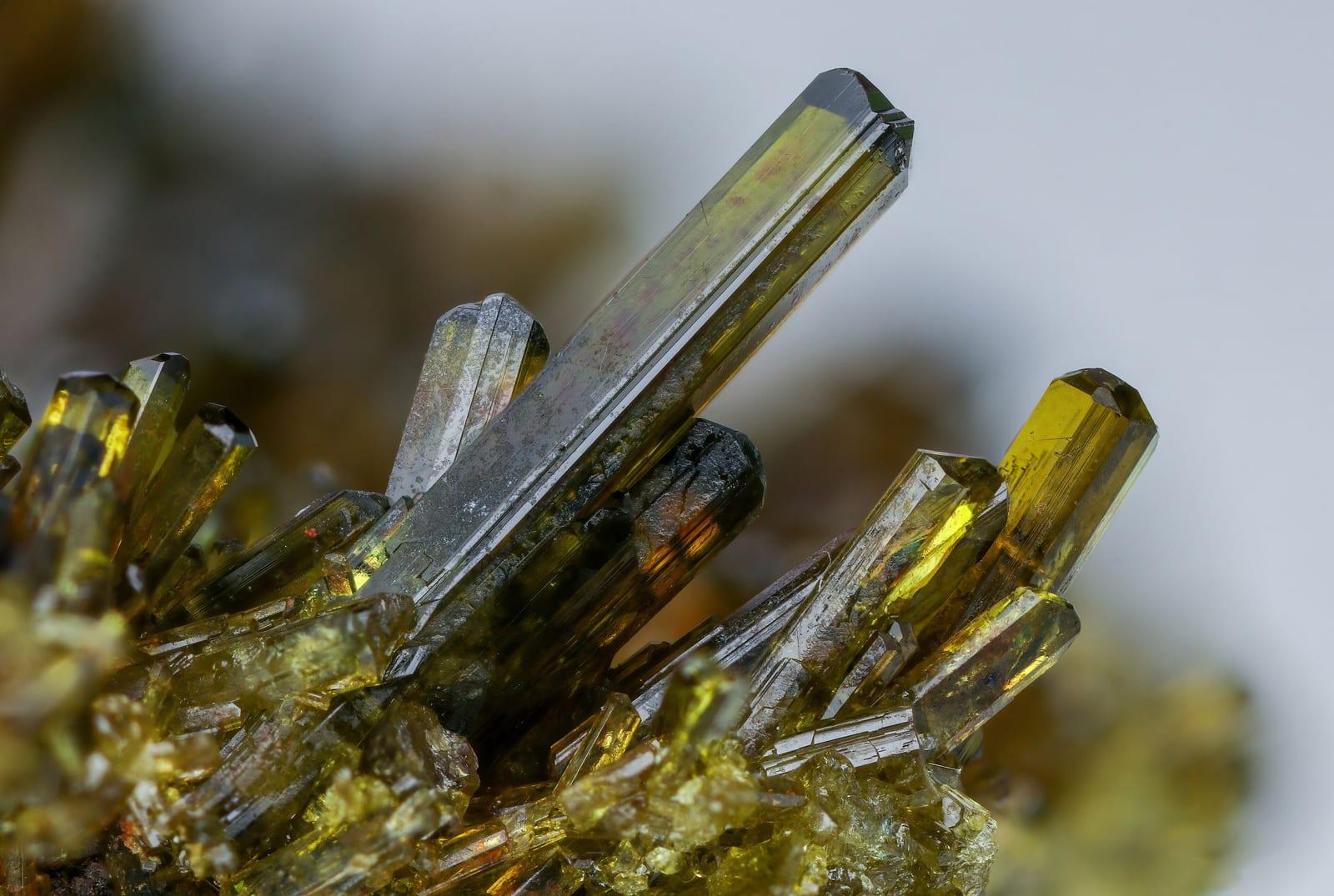
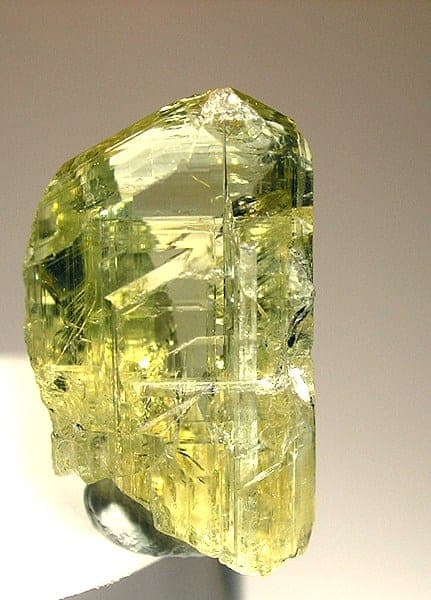
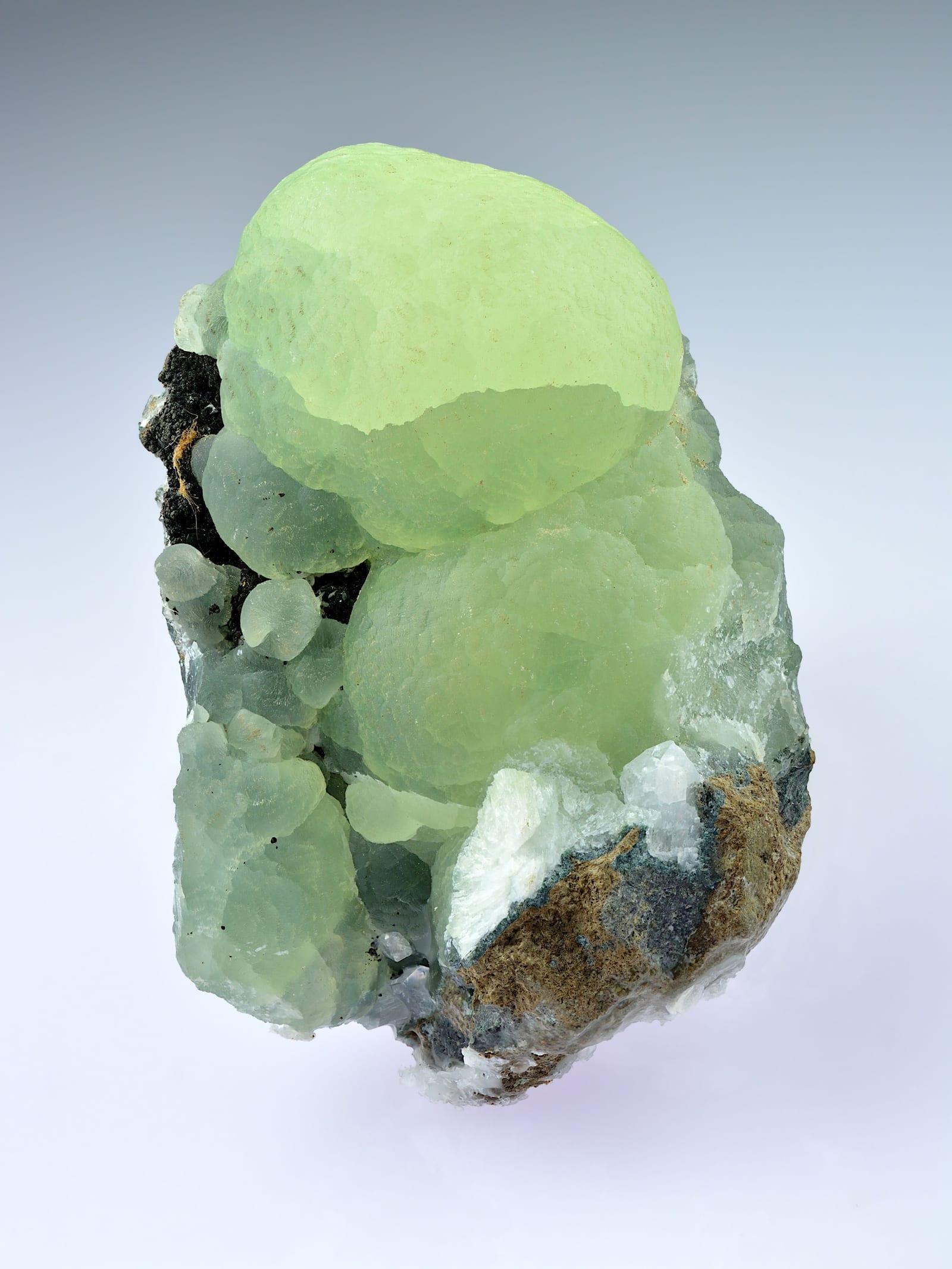
Often found alongside lawsonite
Minerals reported to co-occur with lawsonite. Spotting these in float or country rock is a strong cue you are in the right ground.
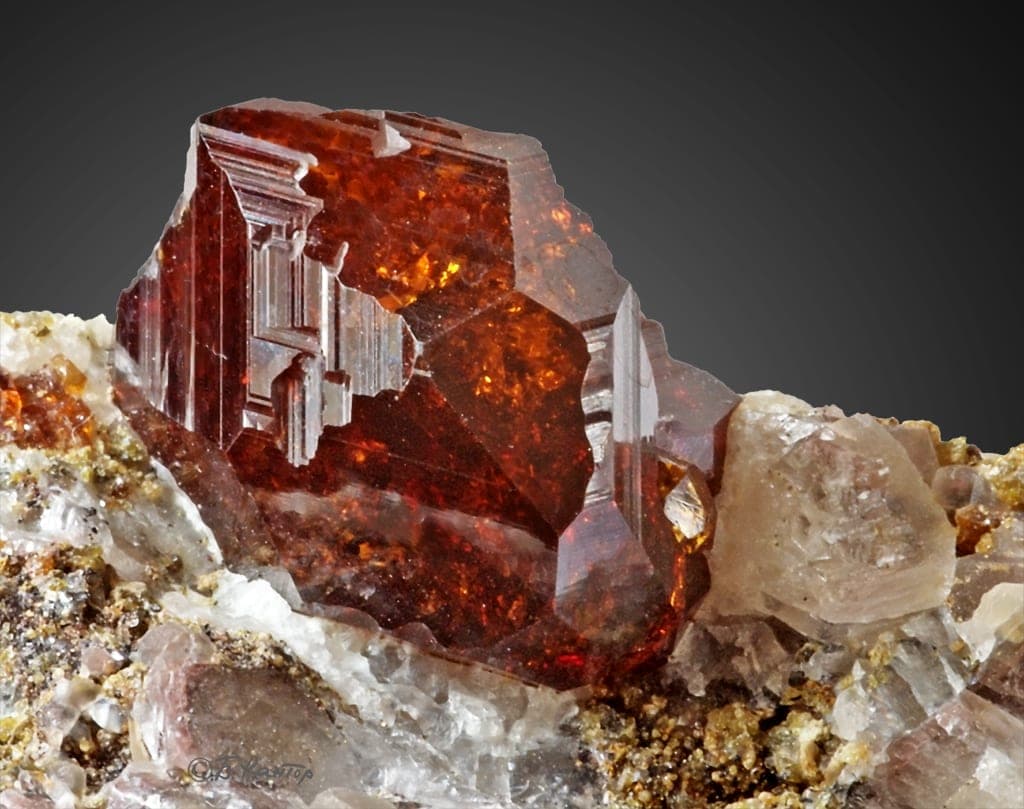
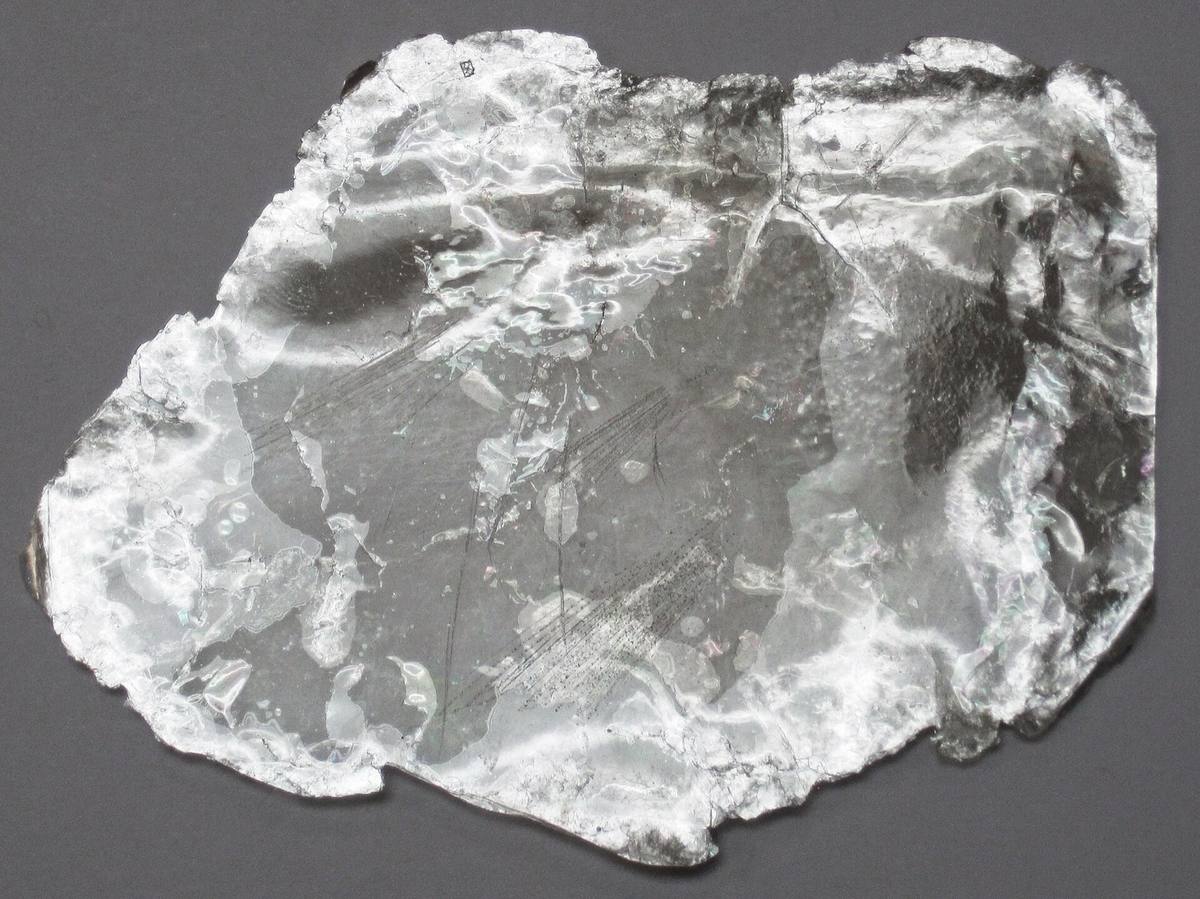
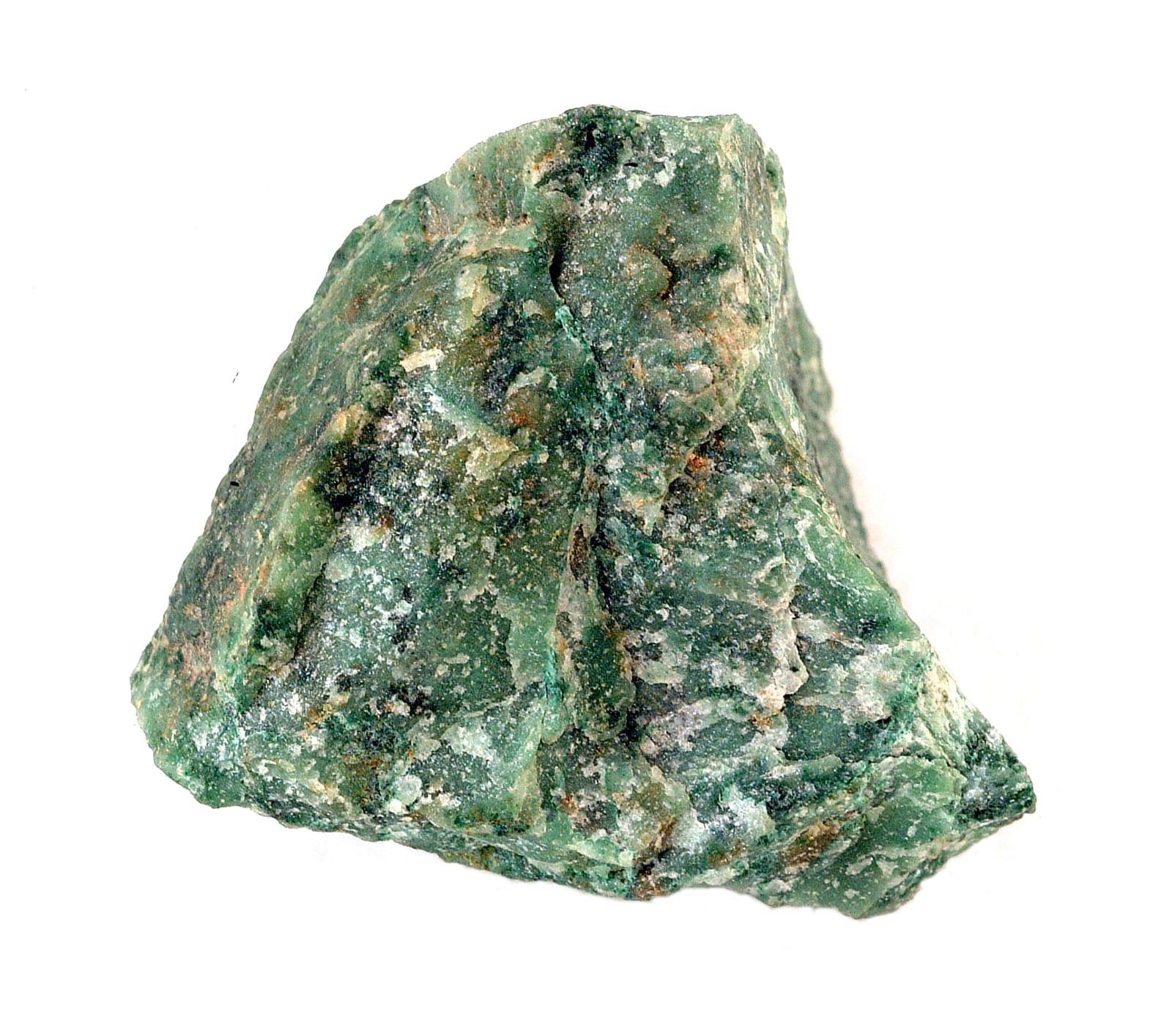
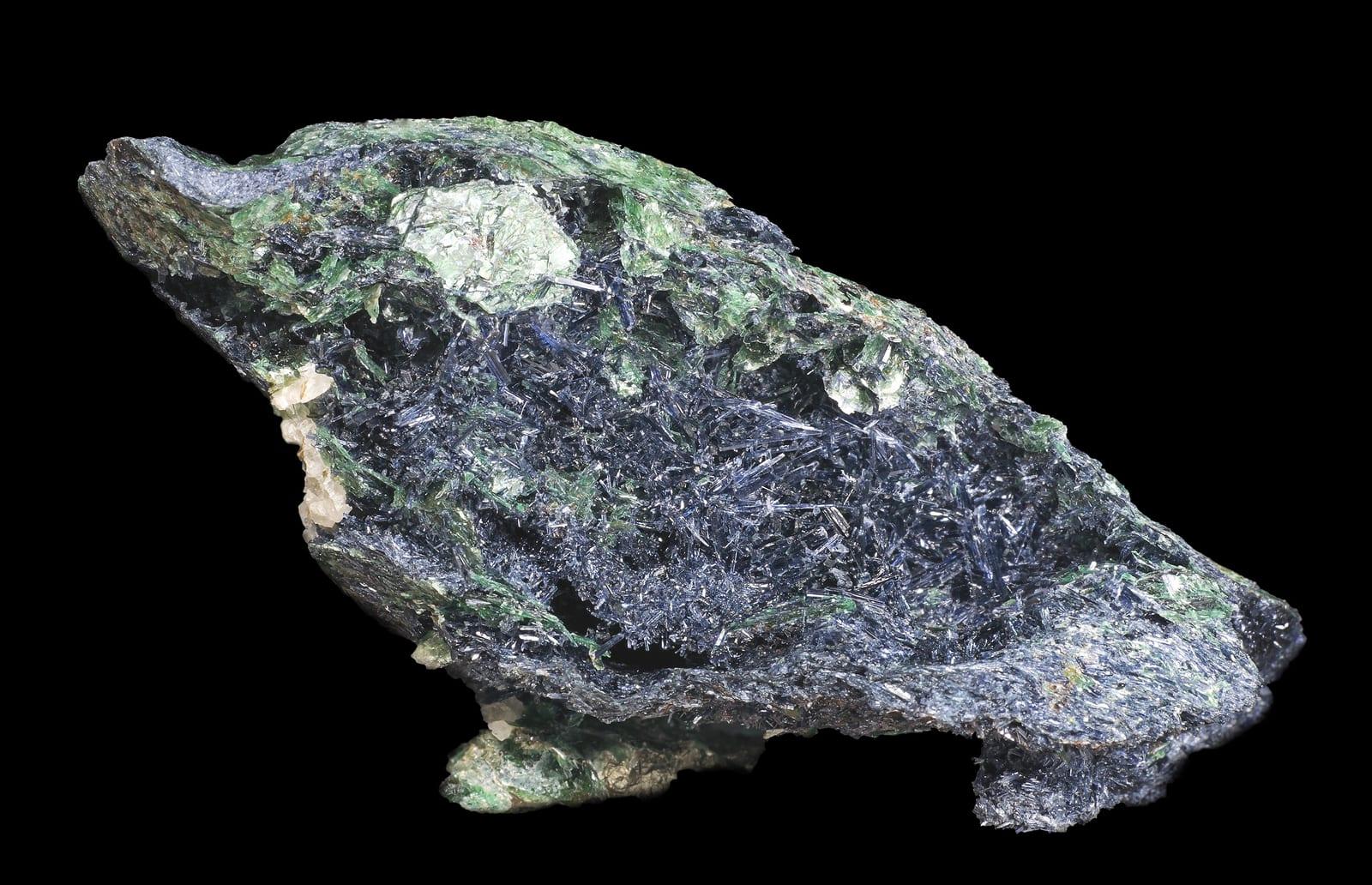
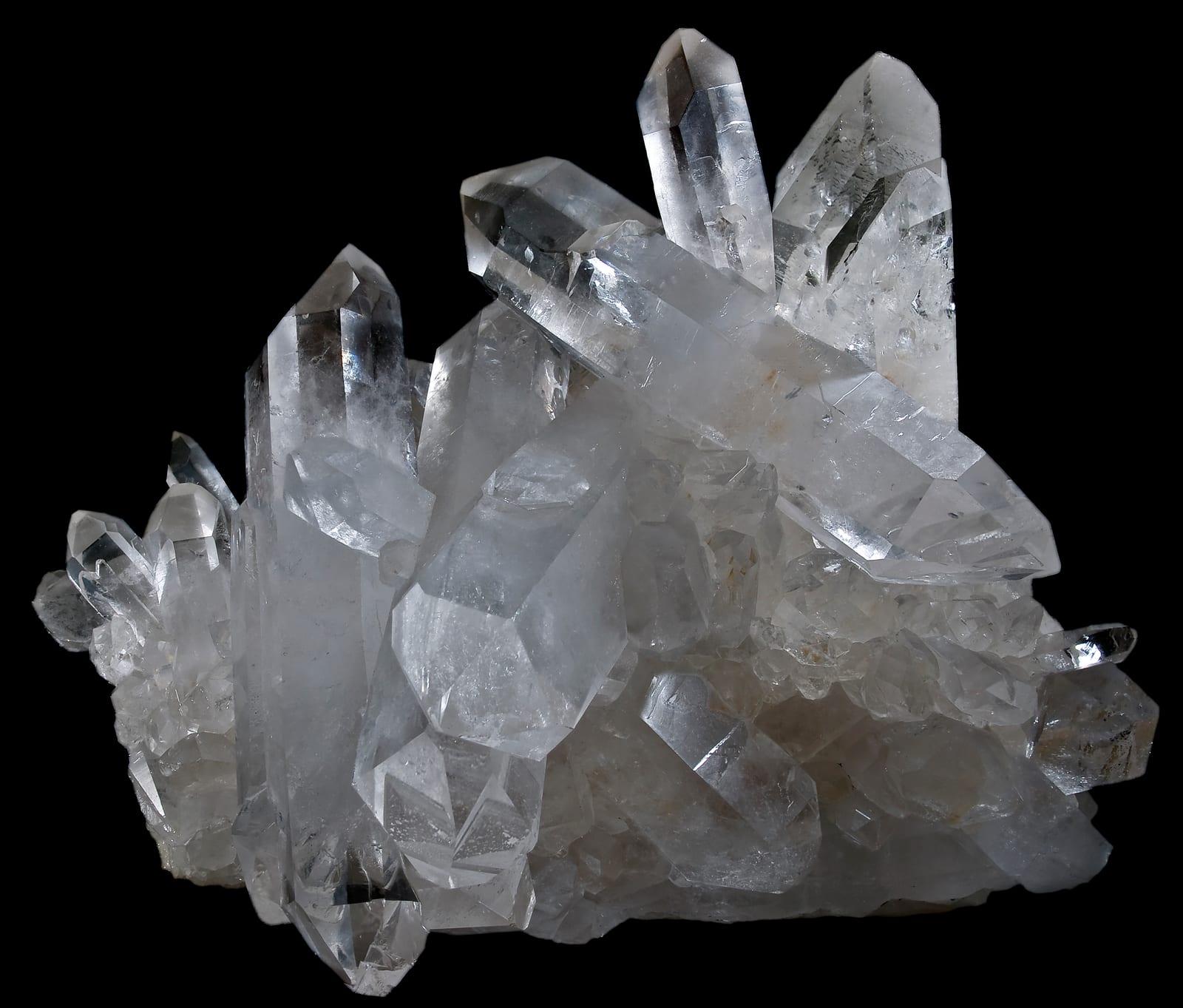
All properties
- Chemical formula
- CaAl₂Si₂O₇(OH)₂·H₂O
- Mohs hardness
- 6
- Density
- 3.05-3.12 g/cm³
- Streak
- White
- Luster
- Vitreous, greasy
- Transparency
- Translucent
- Crystal system
- Orthorhombic
- Crystal habit
- Prismatic, tabular
- Cleavage
- Perfect on {100} and {010}, imperfect on {101}
- Rarity
- Uncommon
- Uses
- Collector, Scientific research
- Host rock
- Formed at high pressures and low temperatures, especially in low-grade regionally metamorphosed glaucophane schists; formed from plagioclase during saussuritization of gabbros and diabases; rarely in eclogites
Where rockhounds find lawsonite
Classic worldwide localities
- Arroyo Mocho, Alameda Co., California, USA
- Porter Creek, Sonoma Co., California, USA
- Panoche Pass, San Benito Co., California, USA
- Pacheco Pass area, Santa Clara Co., California, USA
- Ogose, Saitama Prefecture, Japan
- Ubusan, Akita Prefecture, Japan
Field-hunting tip
Where it forms: Formed at high pressures and low temperatures, especially in low-grade regionally metamorphosed glaucophane schists; formed from plagioclase during saussuritization of gabbros and diabases; rarely in eclogites. If you start seeing pumpellyite, epidote, garnet in float, you are in the right ground. Typical habit: prismatic, tabular. Train your eye for that shape before scanning the outcrop.
Common questions
How do you identify lawsonite?+
Where is lawsonite found?+
What rocks look like lawsonite?+
What minerals are found with lawsonite?+
What kind of rock does lawsonite form in?+
What is lawsonite used for?+
Find lawsonite on the map
RockHoundR shows mapped rockhounding spots, access rules, and lets you log every find.

