
Braunerite is a rare potassium calcium uranium carbonate. It was approved as a distinct mineral species in 2016. It was first described from Svornost mine, Jáchymov ore district, Western Bohemia, Czech Republic.
Hardness
3.5-4
Mohs
Luster
Vitreous
Transparency
Translucent
Is this braunerite?
4-step field checkRun through these checks against the specimen in your hand. The more boxes tick, the more confident the ID.
- 1Test the hardnessTry to scratch braunerite with a known reference. Braunerite sits at Mohs 3.5-4, softer than the next harder reference, harder than the previous one.
- 2Read the lusterHold the specimen under a strong light. Luster: vitreous.
- 3Match the color rangeCompare against the expected color range: brown, yellowish-brown.
- 4Look at form & habitCrystal system: monoclinic.
Often confused with
Braunerite vs. its common look-alikes, and how to tell them apart in the field.
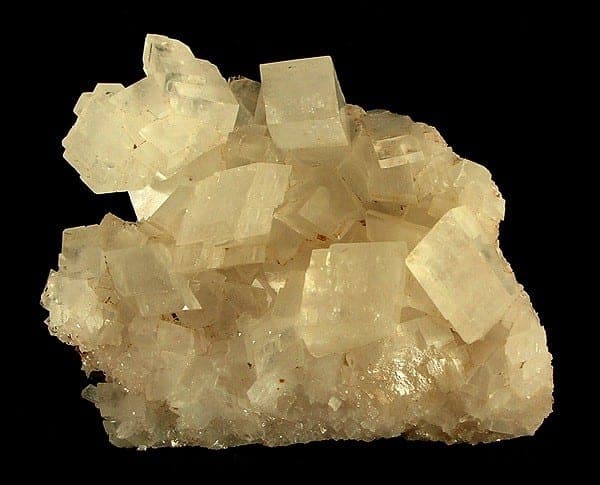
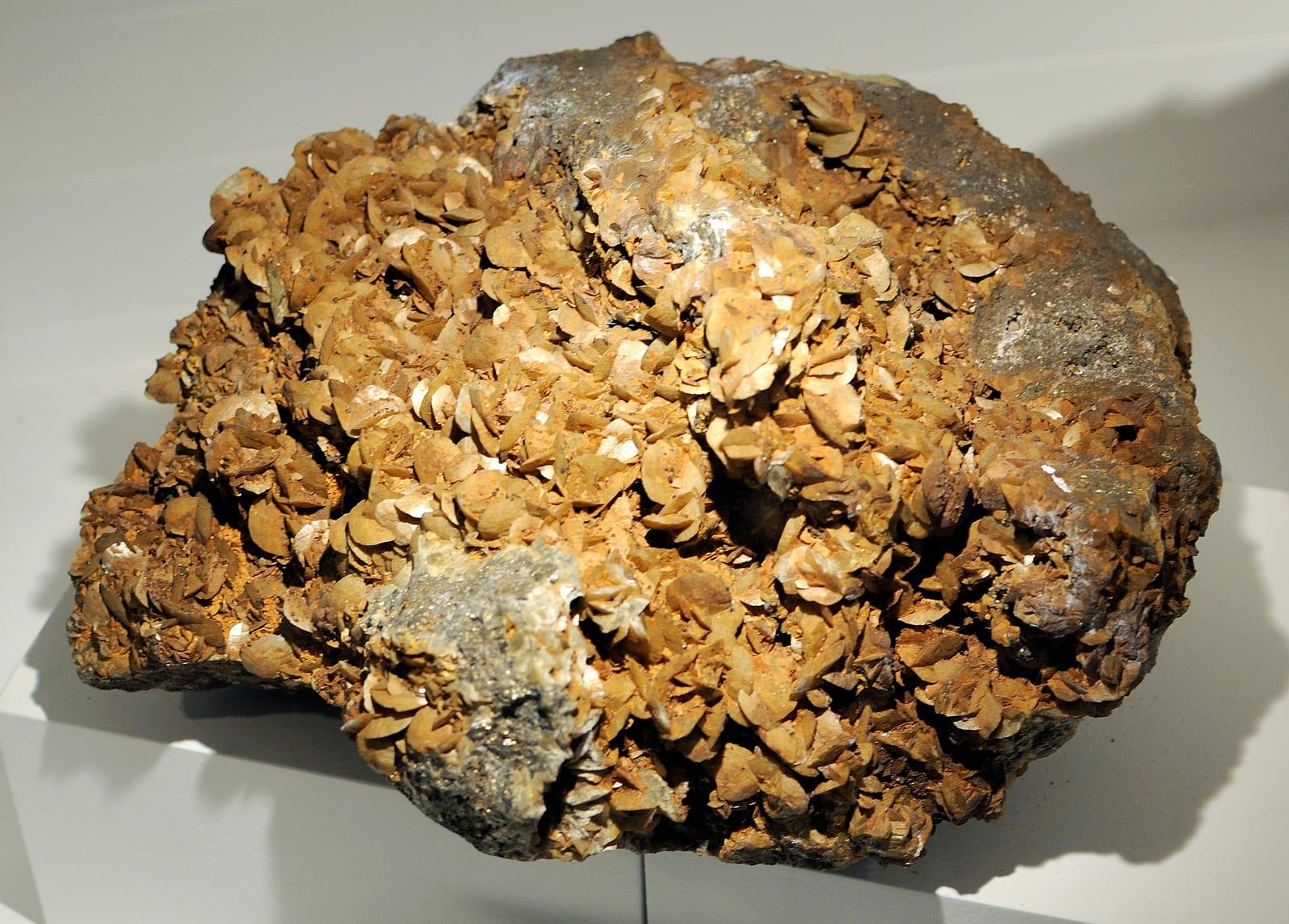
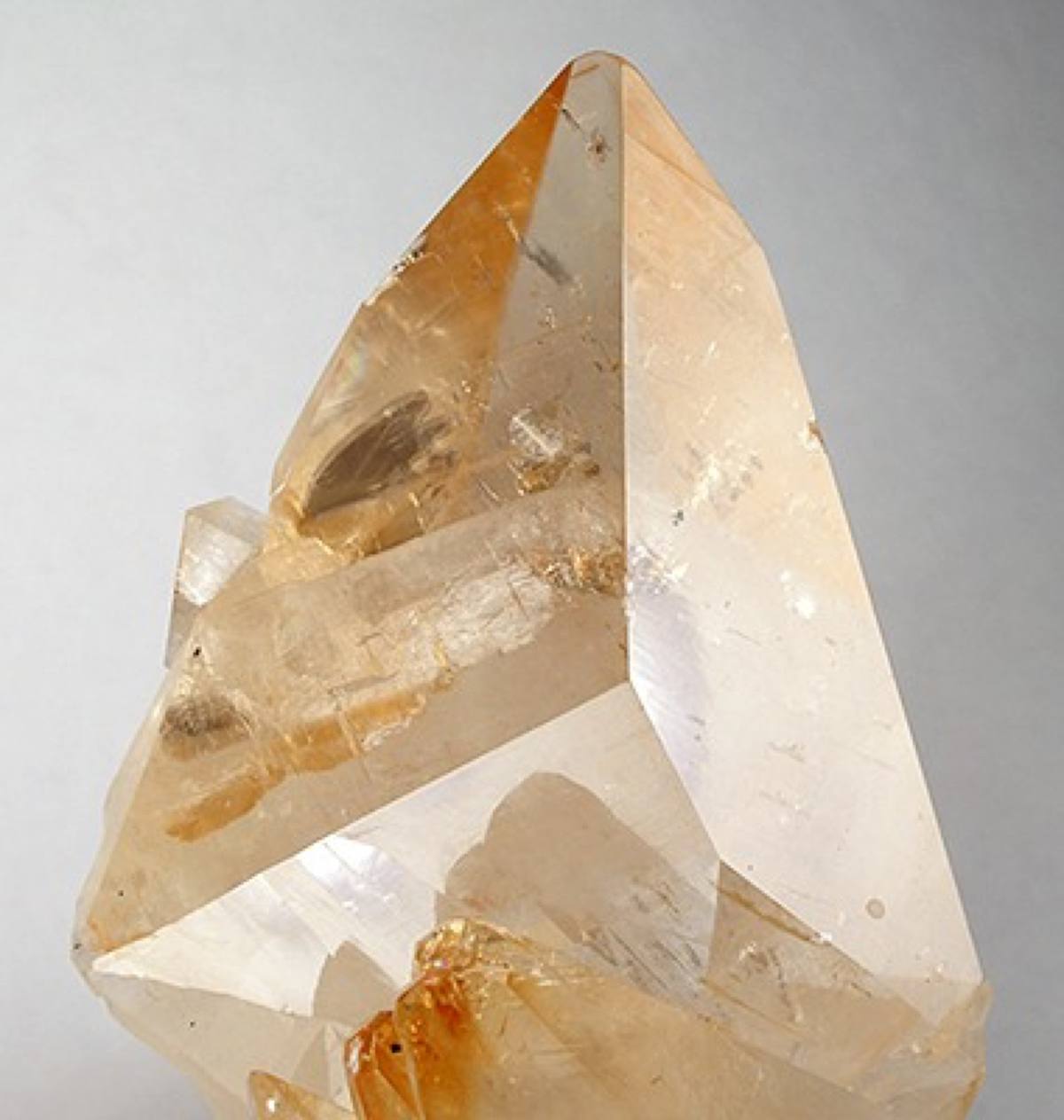
Often found alongside braunerite
Minerals reported to co-occur with braunerite. Spotting these in float or country rock is a strong cue you are in the right ground.
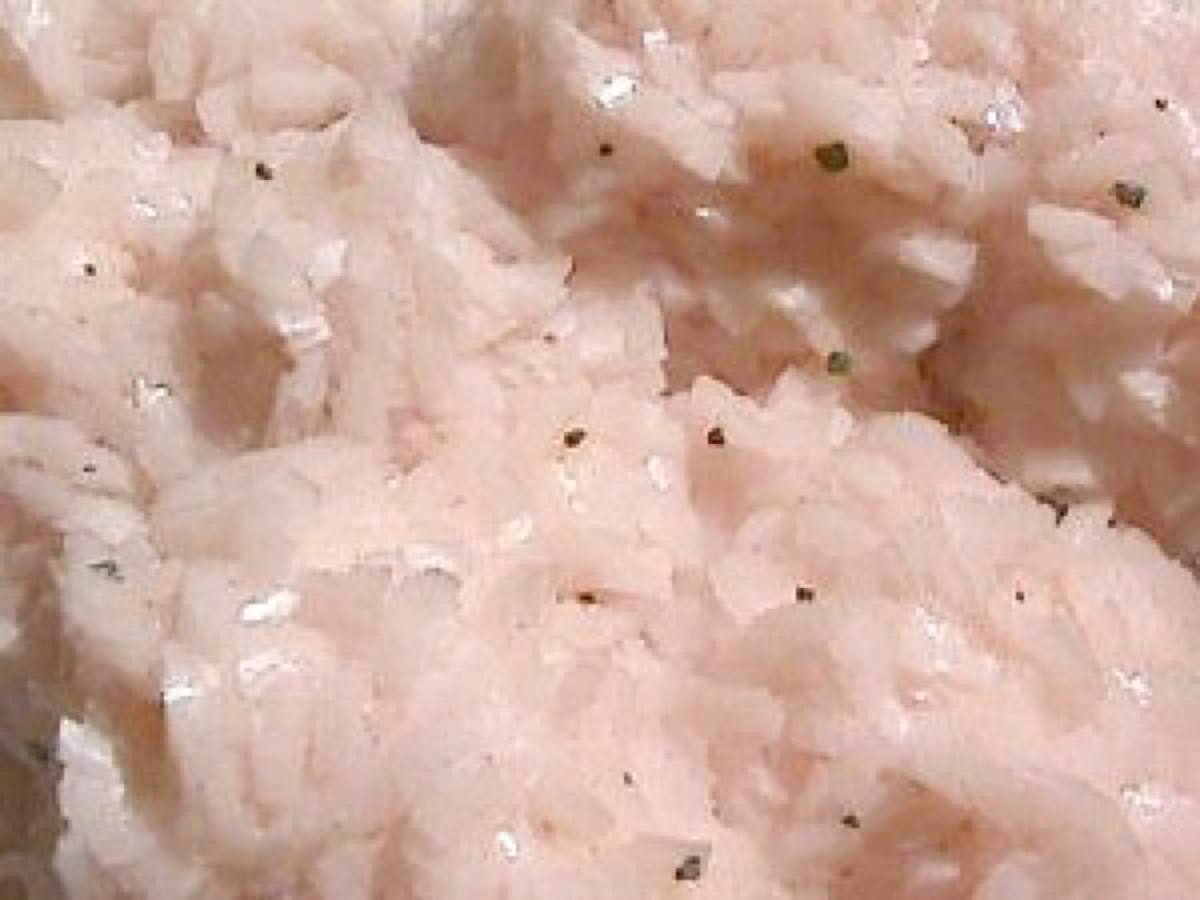
All properties
- Chemical formula
- K₂Ca(UO₂)(CO₃)₃·6H₂O
- Mohs hardness
- 3.5-4
- Density
- 3.4-3.5 g/cm³
- Colors
- Luster
- Vitreous
- Transparency
- Translucent
- Crystal system
- Monoclinic
- Rarity
- Rare
- Uses
- Collector
- Host rock
- hydrothermal veins
Where rockhounds find braunerite
Classic worldwide localities
- Svornost mine, Jáchymov ore district, Western Bohemia, Czech Republic
Field-hunting tip
Where it forms: hydrothermal veins. If you start seeing calcite, dolomite, siderite in float, you are in the right ground.
Common questions
How do you identify braunerite?+
Mohs hardness is 3.5-4. Luster: vitreous. Common colors include brown, yellowish-brown.
Where is braunerite found?+
Notable localities include Svornost mine, Jáchymov ore district, Western Bohemia, Czech Republic.
Is braunerite safe to handle?+
Braunerite contains uranium or thorium and calls for real care. Contains uranium and is radioactive; store it apart from other specimens. Wash hands thoroughly after handling and avoid creating dust.
What rocks look like braunerite?+
Braunerite is most often confused with Magnesite, Siderite, Calcite. A quick hardness test and a streak check separate the look-alikes faster than color alone.
What minerals are found with braunerite?+
Braunerite commonly co-occurs with Calcite, Dolomite, Siderite. Spotting any of these in float or country rock is a useful trip signal.
What kind of rock does braunerite form in?+
Where it forms: hydrothermal veins. Working float back to the host body is the standard way to chase a fresh occurrence.
What is braunerite used for?+
Braunerite is used in collector.
Find braunerite on the map
RockHoundR shows mapped rockhounding spots, access rules, and lets you log every find.

