
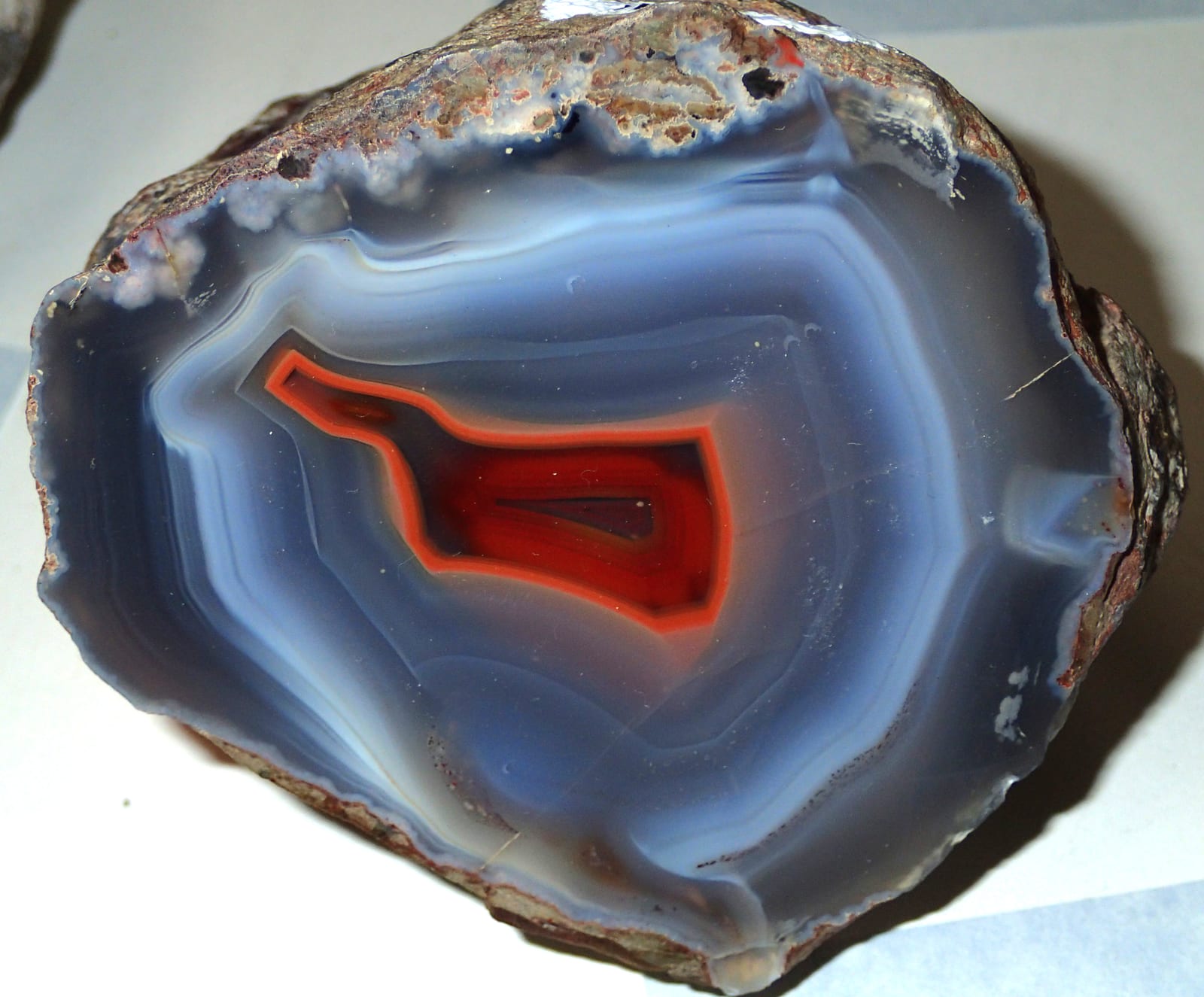
AgateMohs 6.5-7
Concentric banding visible in cross-section or on a wet surface. If the bands curve in parallel layers, it's agate; if the pattern is mottled or solid color, it's jasper.
Photo: Wikipedia contributors · wikipedia
You picked up a rock in a creek bed, on a beach, or at the edge of a roadcut, and now you want to know what it is. This identifier reads the photo for color zoning, banding, fracture, and crystal habit, then returns the three most likely candidates with Mohs hardness, typical environment, and the lookalike rock to rule out before you decide whether to keep it.
Reviewed by RockHoundR Field Team · Field identification & geology editors · Last verified
Quick answer
Upload a clear, well-lit photo of one specimen on a plain background. You'll get three ranked rock or mineral identifications with Mohs hardness, typical environment, and a lookalike to rule out. Free, no signup, and it takes about ten seconds.
Most rocks people pick up fall into a handful of common categories: chalcedony family (agate, jasper, chert, flint), quartz family (quartz, amethyst, citrine, smoky quartz), iron-bearing minerals (hematite, magnetite, pyrite), and a long tail of feldspars, calcites, and basalts. A photo identifier narrows the field by reading the visual features that separate these groups: color zoning, fracture style, surface luster, and the geometry of any crystal faces.
The tool returns three ranked candidates rather than one answer because field rocks routinely look identical in photos. Jasper and agate are the same mineral (microcrystalline quartz) with different internal structures; chert and flint are nearly indistinguishable to the eye; obsidian and onyx both look black and glassy at a glance. The ranked list, with the lookalike named in each card, is more useful for a field decision than a single guess.
Photo identification is a starting point, not a substitute for a hand lens, streak plate, and a Mohs pick. Use it to narrow possibilities before driving home, then confirm in good light with a couple of physical tests if the answer matters.
These six show up more than any others in 'what rock is this' submissions. Each card shows a reference specimen and the single feature that separates it from its closest lookalike.
Concentric banding visible in cross-section or on a wet surface. If the bands curve in parallel layers, it's agate; if the pattern is mottled or solid color, it's jasper.
Photo: Wikipedia contributors · wikipedia
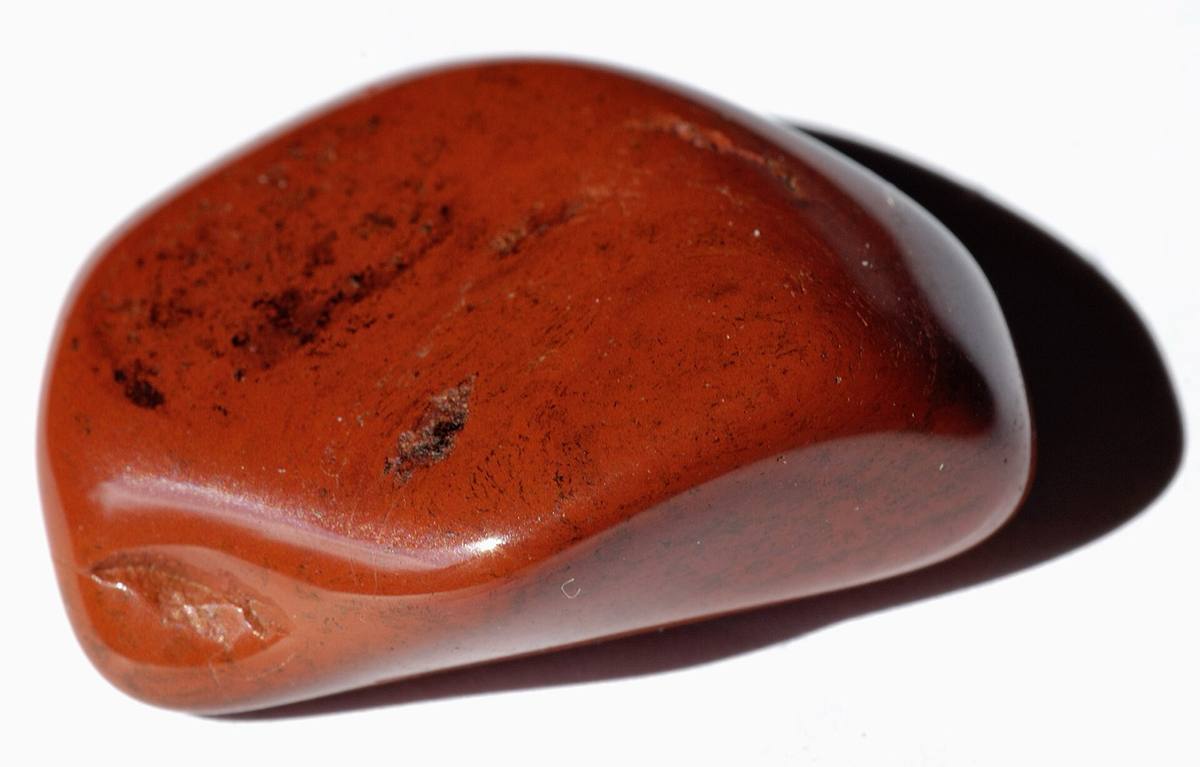
Opaque, often red-brown or yellow, no banding. Conchoidal (curved) fracture. Same mineral as agate (chalcedony) but without the layered structure.
Photo: Doronenko · wikimedia
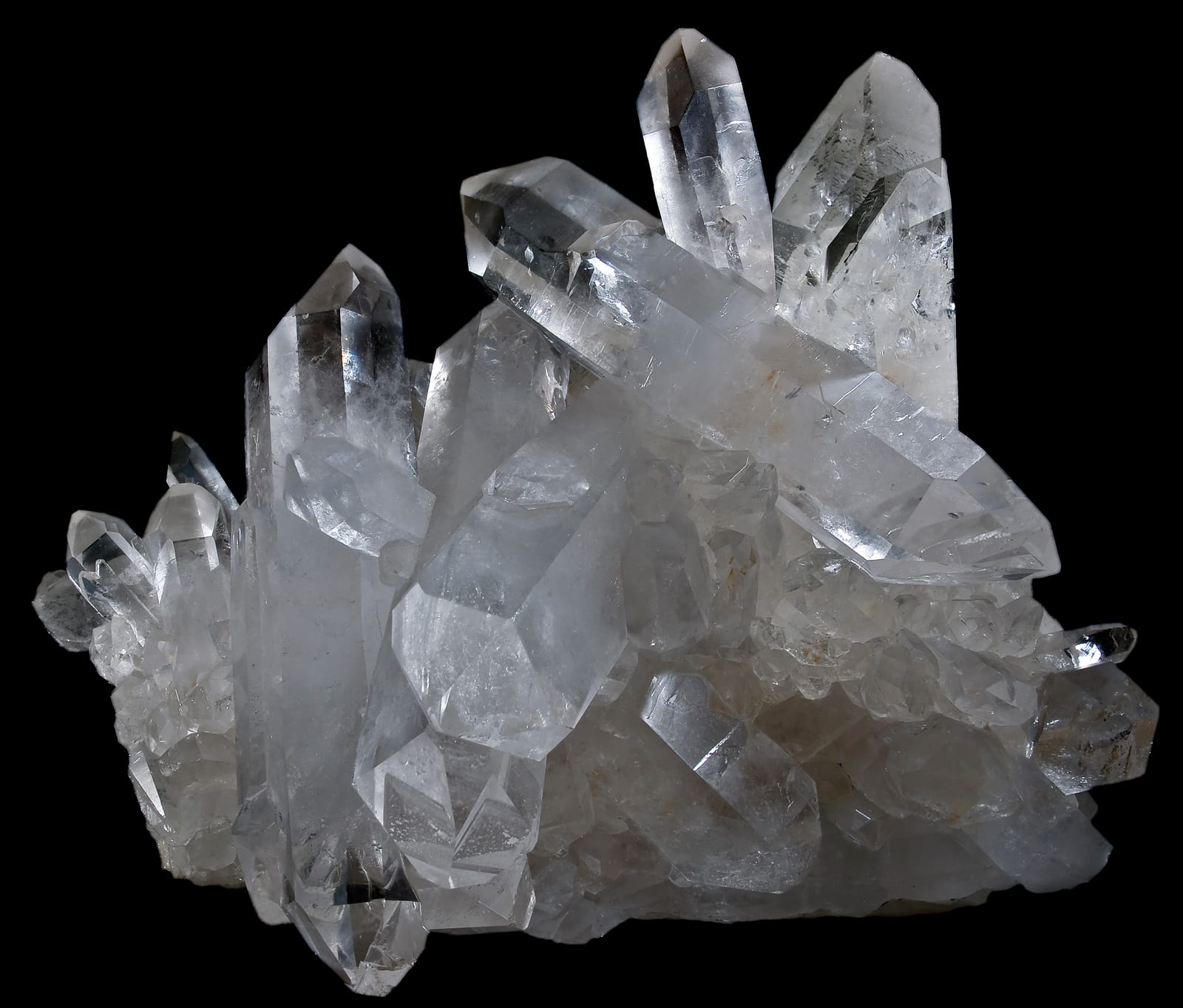
Glassy luster, hexagonal prismatic crystals when terminated. Mohs 7, scratches glass. No cleavage; fractures conchoidally.
Photo: Wikipedia contributors · wikipedia
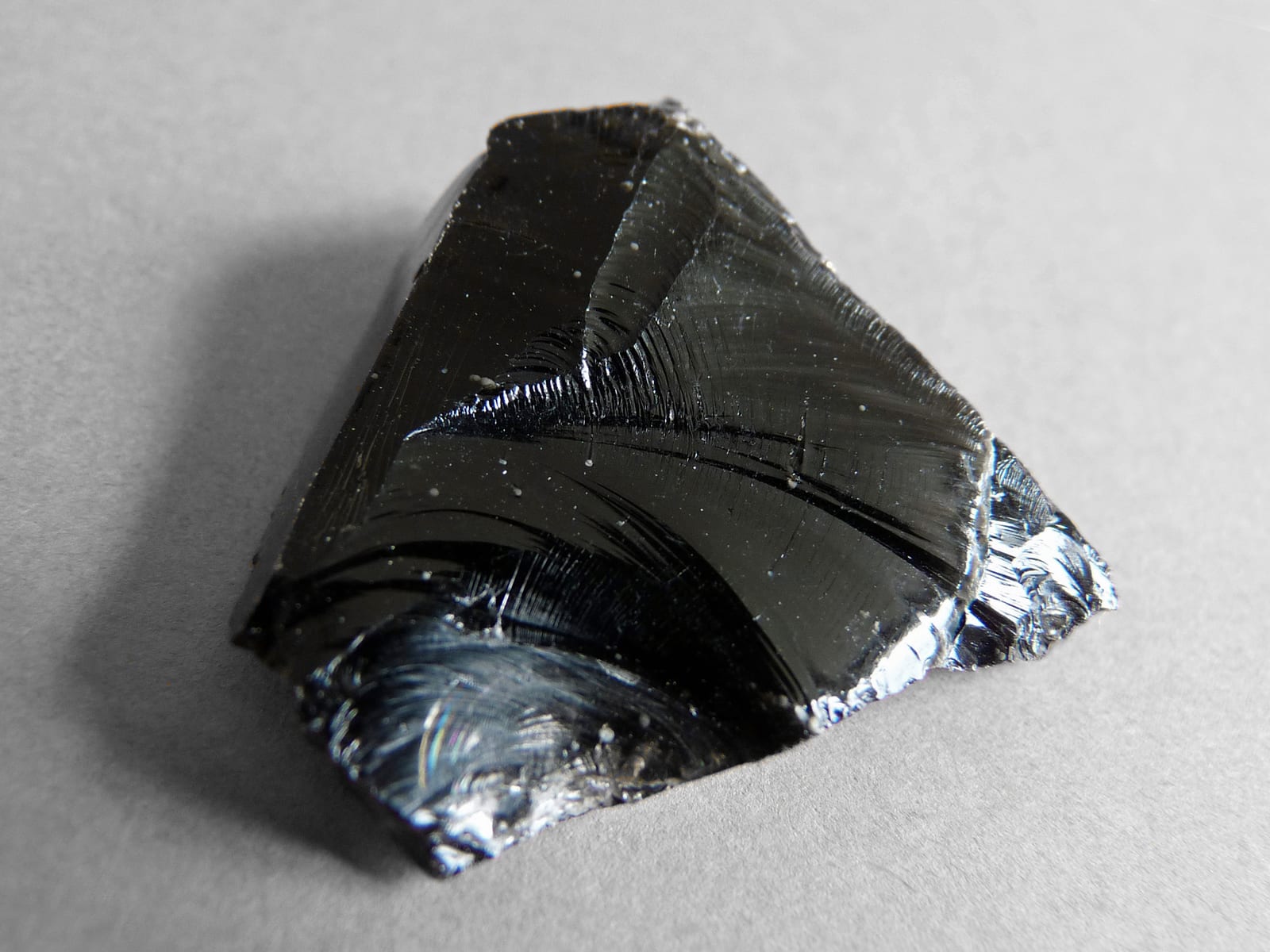
Volcanic glass. Pure black, deeply glossy, sharp conchoidal fracture. Beware of dark vesicular basalt, which is dull and bubbly.
Photo: Wikipedia contributors · wikipedia
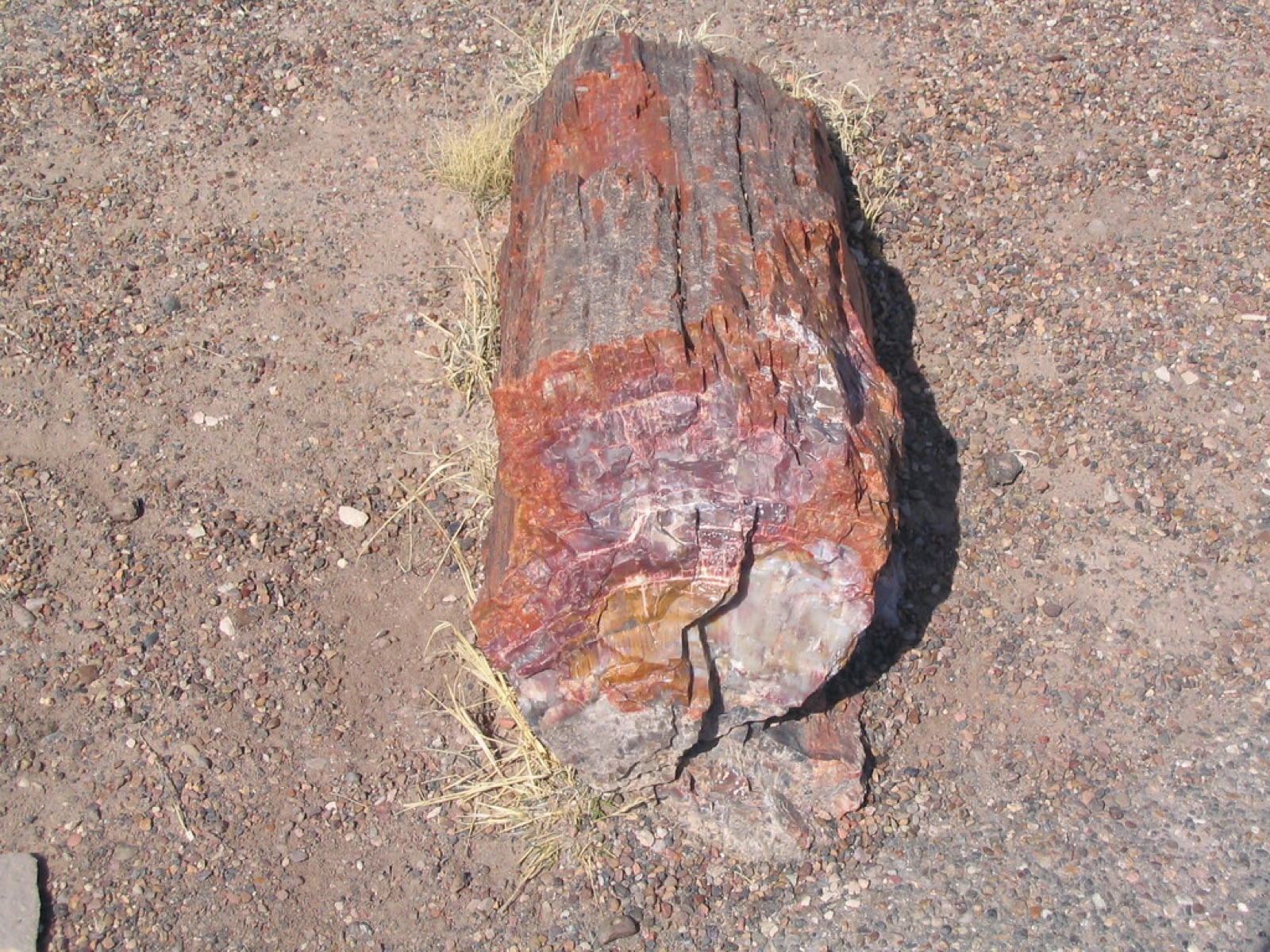
Preserves wood grain and growth rings. Replaces original cellulose with silica, so it has the hardness of quartz (Mohs 7).
Photo: Ken Lund · flickr
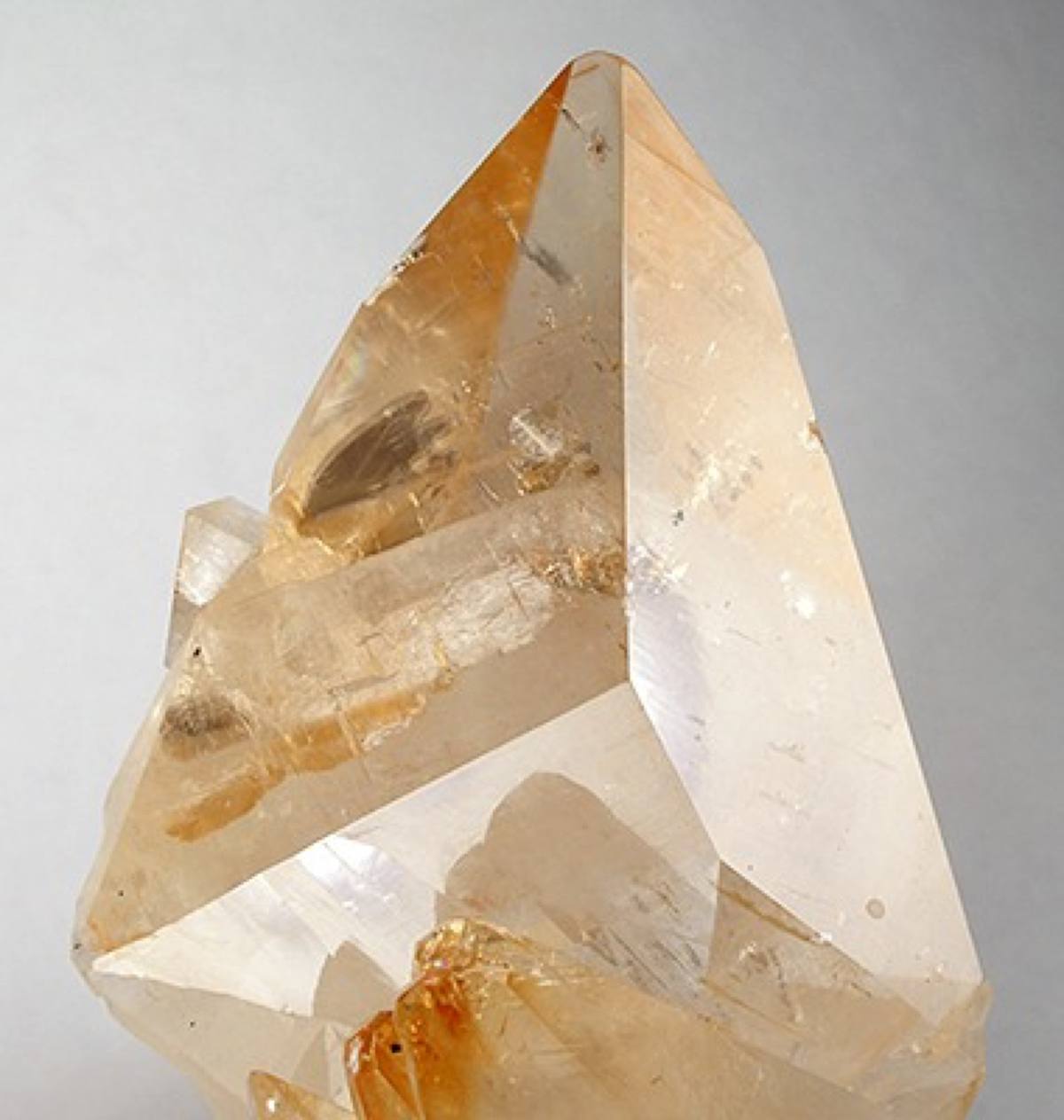
Rhombohedral cleavage in three directions; fizzes in dilute hydrochloric acid. Soft enough to scratch with a copper penny (Mohs 3).
Photo: Robert M. Lavinsky · wikimedia
The six specimens above, side by side. When matches come back close in confidence, this is the table that breaks the tie.
| Specimen | Hardness (Mohs) | Streak | Luster | Cleavage | Field tell |
|---|---|---|---|---|---|
| Agate | 6.5-7 | white | waxy | none | Concentric banding visible on a wet or cut surface. |
| Jasper | 6.5-7 | white | waxy | none | Opaque, conchoidal fracture, no banding. |
| Quartz | 7 | white | vitreous; waxy to dull when massive | rarely observable, poor on {1011}, {0111}, {1010}, some others; rhombohedral parting | Hexagonal prism termination, vitreous luster. |
| Obsidian | 5-6 | white | vitreous | none; conchoidal fracture | Glossy black, conchoidal fracture, no vesicles. |
| Petrified Wood | 6.5-7 | white | vitreous to waxy | Varies | Visible growth rings and replaced cell structure. |
| Calcite | 3 | white | vitreous; pearly on cleavages and {0001} | {1011}, perfect | Three perfect cleavages at 75°/105°; fizzes in acid. |
Color alone is unreliable since many rocks share it, but it narrows the candidate list fast.
Hardness is the single most reliable field test. A fingernail is ~2.5, a copper penny ~3.5, a steel knife ~5.5, a glass plate ~5.5–6, a quartz hand-pick ~7.
Natural light, fill the frame, surface texture visible. JPG, PNG, or WebP up to 6MB.
Beach, creek, roadcut, glacial till. Location weights regional finds and rules out lookalikes.
Each match: visible ID clues, where it's typically found, Mohs hardness, and a lookalike to confirm against.
Photo-based identification has hard limits. We say so plainly so you can decide where to trust it and where to verify.
The RockHoundR app works offline, saves every find to your map, and overlays them onto 250,000+ rockhounding spots with geology and land-access data.


On distinctive specimens (banded agate, terminated quartz, vesicular basalt) accuracy is high, because the visible structure carries the ID. On massive or weathered material it drops sharply, which is why the tool returns three ranked candidates rather than one, and names the lookalike in each card so you can run a streak or hardness test to confirm.
Field rocks routinely look identical in photos. Jasper and agate are the same mineral with different internal structures; chert and flint differ only by impurities; obsidian and dark vesicular basalt both look glossy-black. Three ranked candidates give you the right decision to make rather than a confident wrong answer.
Yes. Common chalcedony, quartz family (amethyst, citrine, smoky), calcite, pyrite, mica, and feldspar are well covered. For dedicated crystal or mineral specimens see the crystal identifier or mineral identifier. Those use slightly different prompts tuned for habit (crystal) and luster plus diagnostic tests (mineral).
Locality is the single most useful piece of context after the photo itself. A red-banded pebble from a Lake Superior beach is almost certainly Lake Superior agate; the same pebble from Florida is more likely jasper. The field is optional and we never invent details. It only weights regionally common candidates.
It can't measure hardness, streak, density, cleavage, fluorescence, or magnetism, all of which often decide an identification. Treat the result as a narrowed candidate list for the physical tests that confirm it.
No. Photo identification is for field decisions and curiosity. For appraisal, valuation, or museum-grade identification, send the specimen to a mineralogist or accredited gemological lab with cut, weight, and locality data.
The identification engine is the same. The web tool is free for three IDs per day in your browser. The RockHoundR app removes the daily limit, saves every find to a personal map, works offline in remote areas, and overlays results onto 250,000+ rockhounding spots with geology and land-access data.
Property data and reference imagery used on this page are cross-checked against the following sources.
Primary federal source for U.S. mineral occurrences and property data.
Largest open mineral database, used to cross-check varietal names and localities.
Federal reference for the Mohs hardness scale used in the comparison table.