Rock & mineral comparisons
The pairs rockhounds mix up most, side by side. Each guide shows the single fastest field test, a property-by-property table, and real photos of both so you can settle the ID in the field.
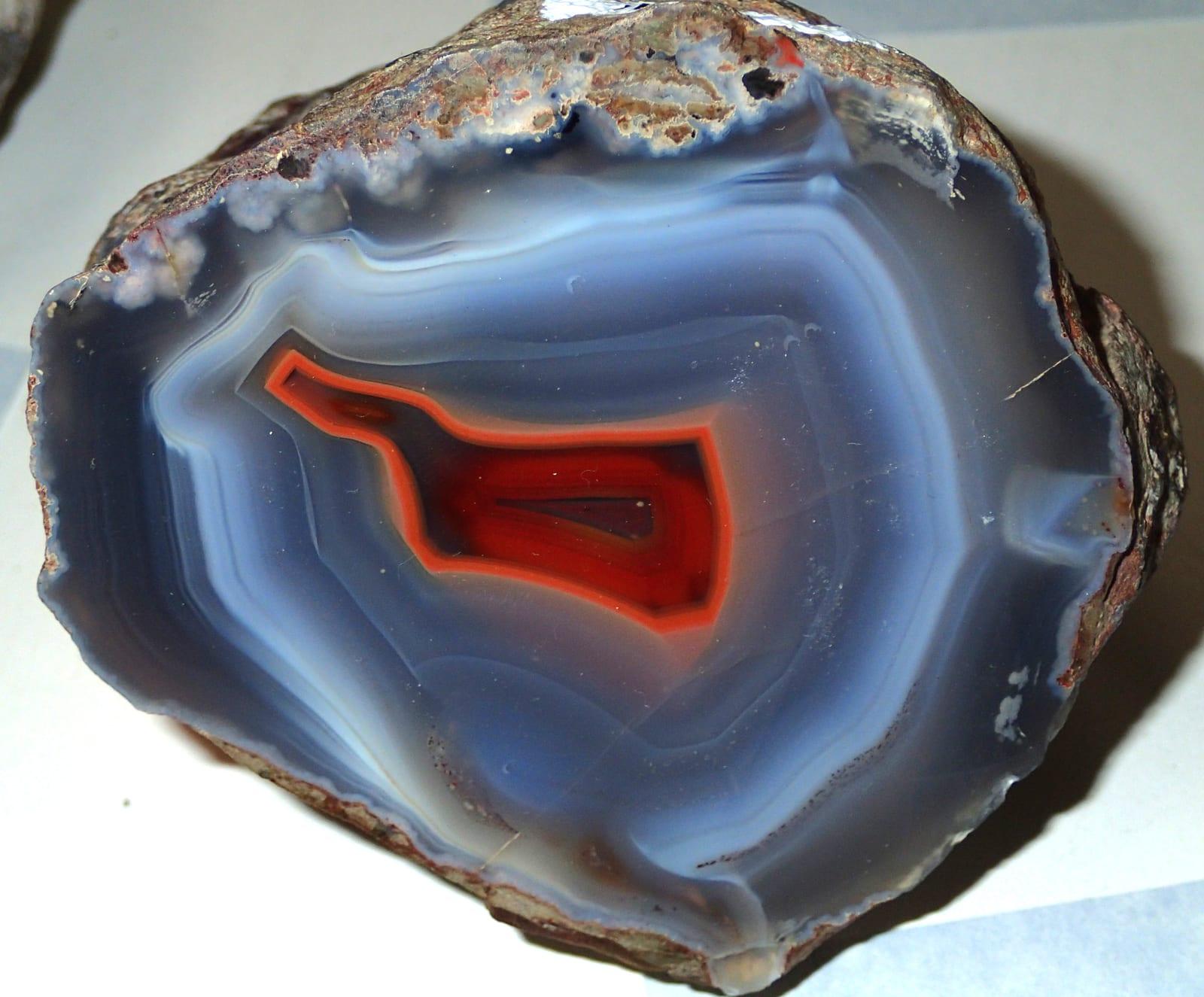
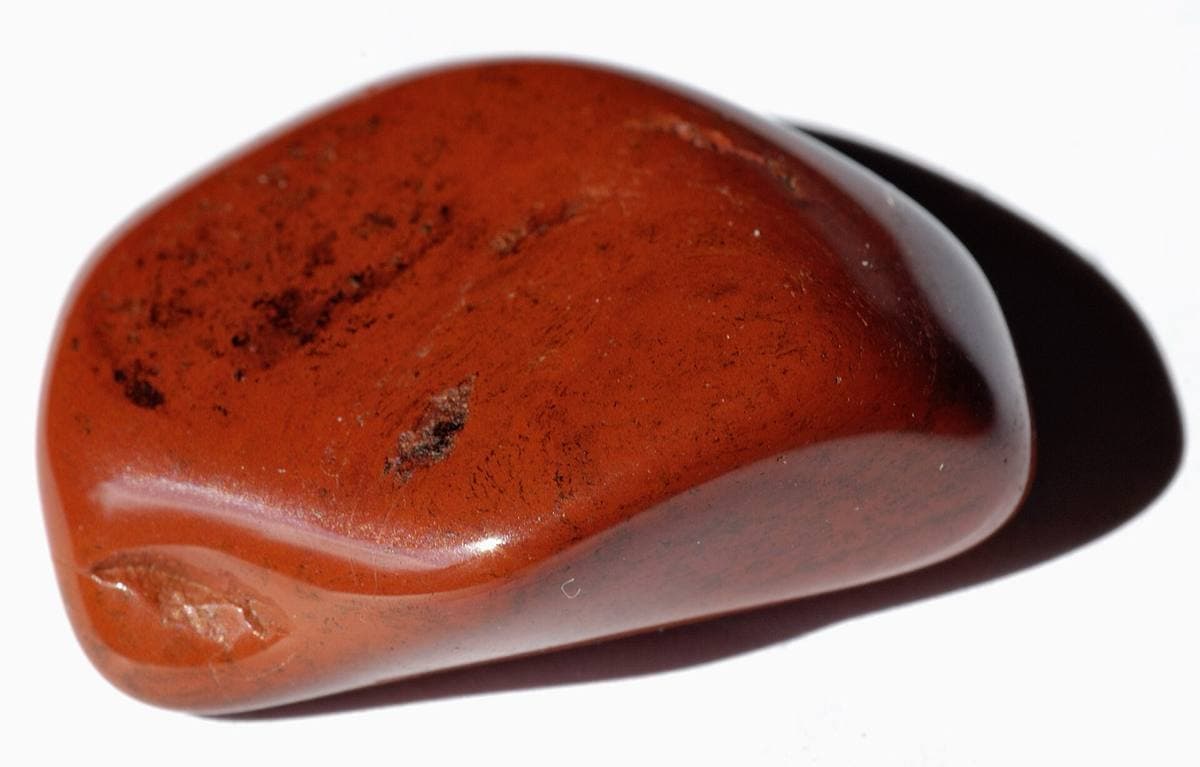
Agate vs Jasper
Hold a thin edge up to a strong light. Agate lets light through and often shows banding; jasper stays fully opaque.
See the difference →
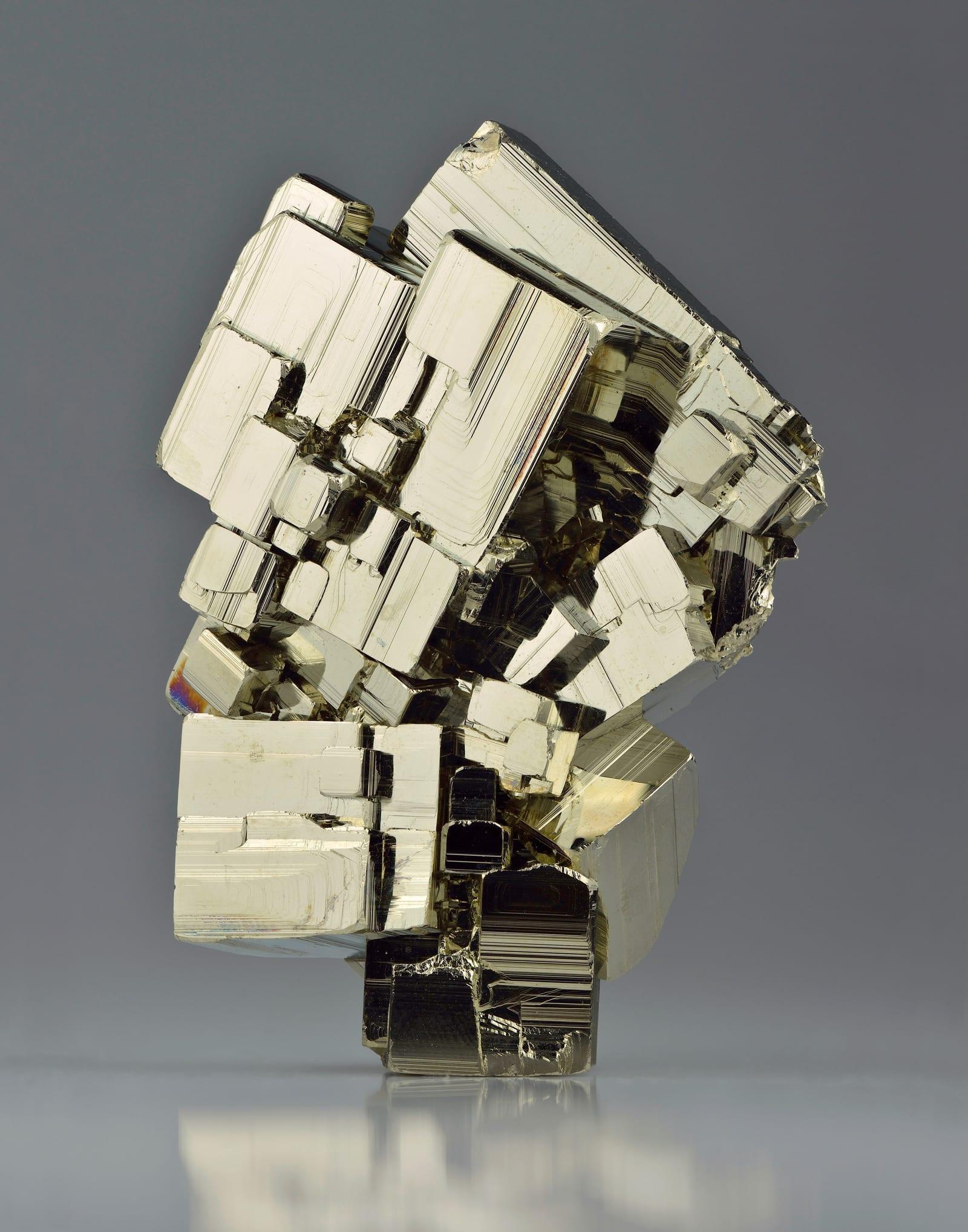
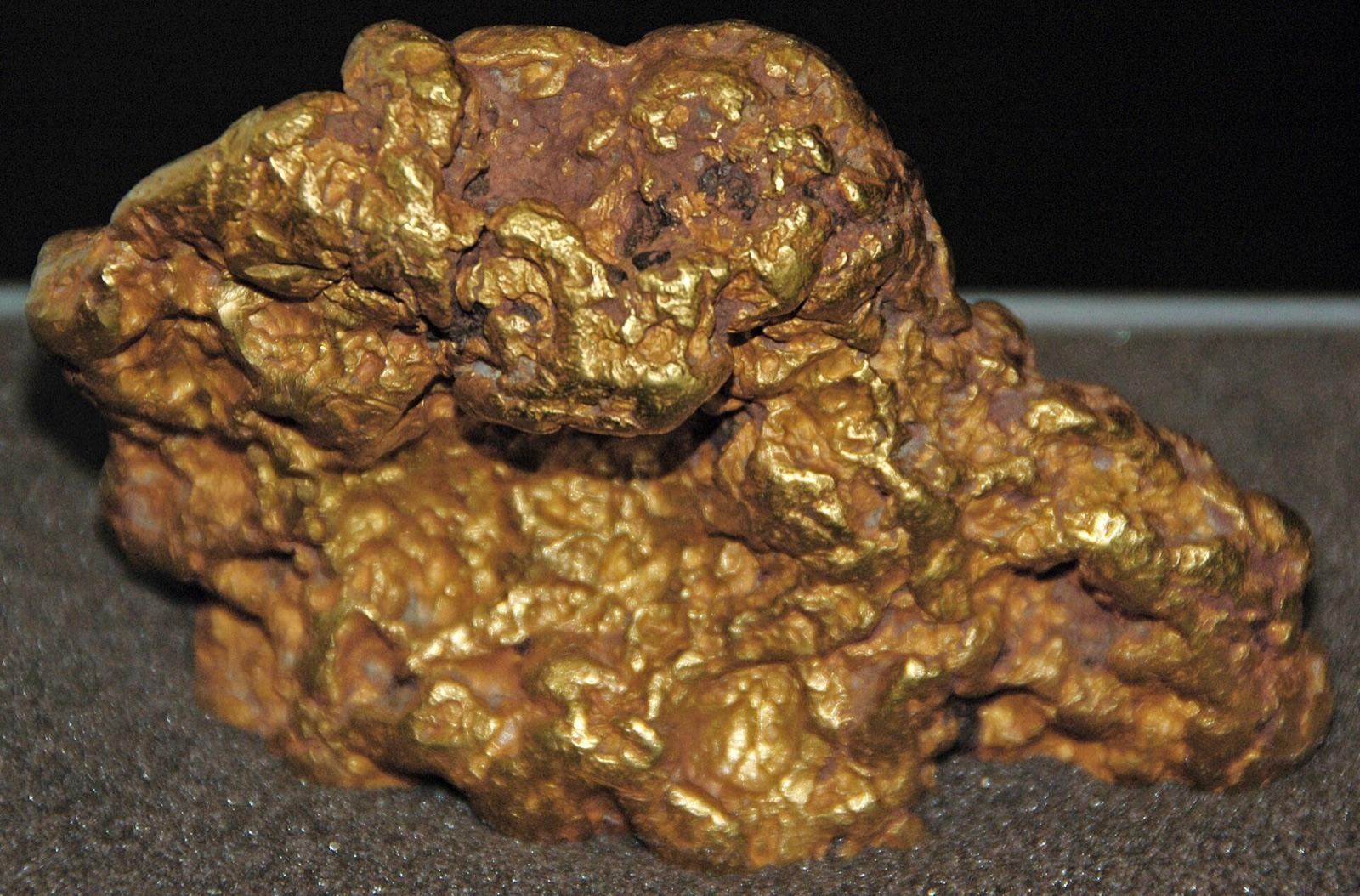
Pyrite vs Gold
Scrape it on unglazed tile. Real gold leaves a golden-yellow streak and dents when poked; pyrite leaves a greenish-black streak and is brittle.
See the difference →
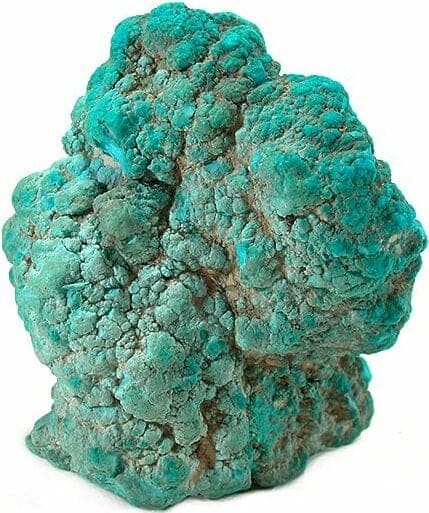
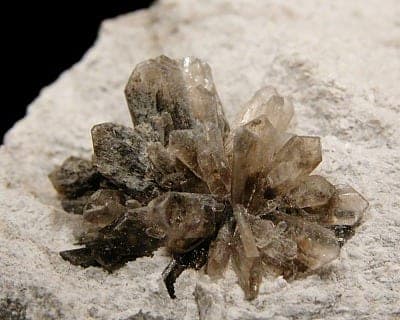
Turquoise vs Howlite
Howlite is softer and naturally white, so dyed blue color concentrates in its cracks and an acetone swab can lift it. Natural turquoise is harder and colored throughout.
See the difference →
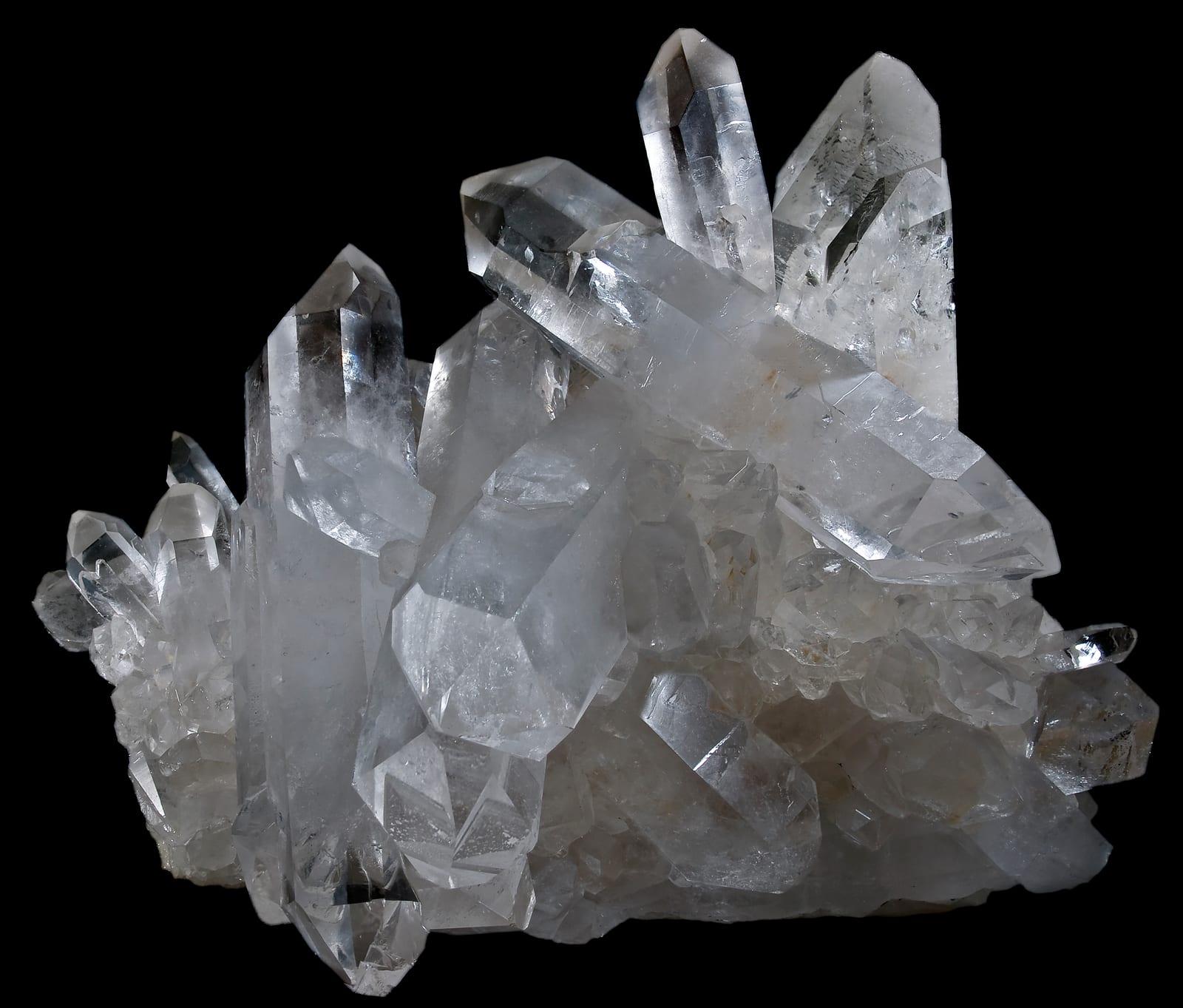
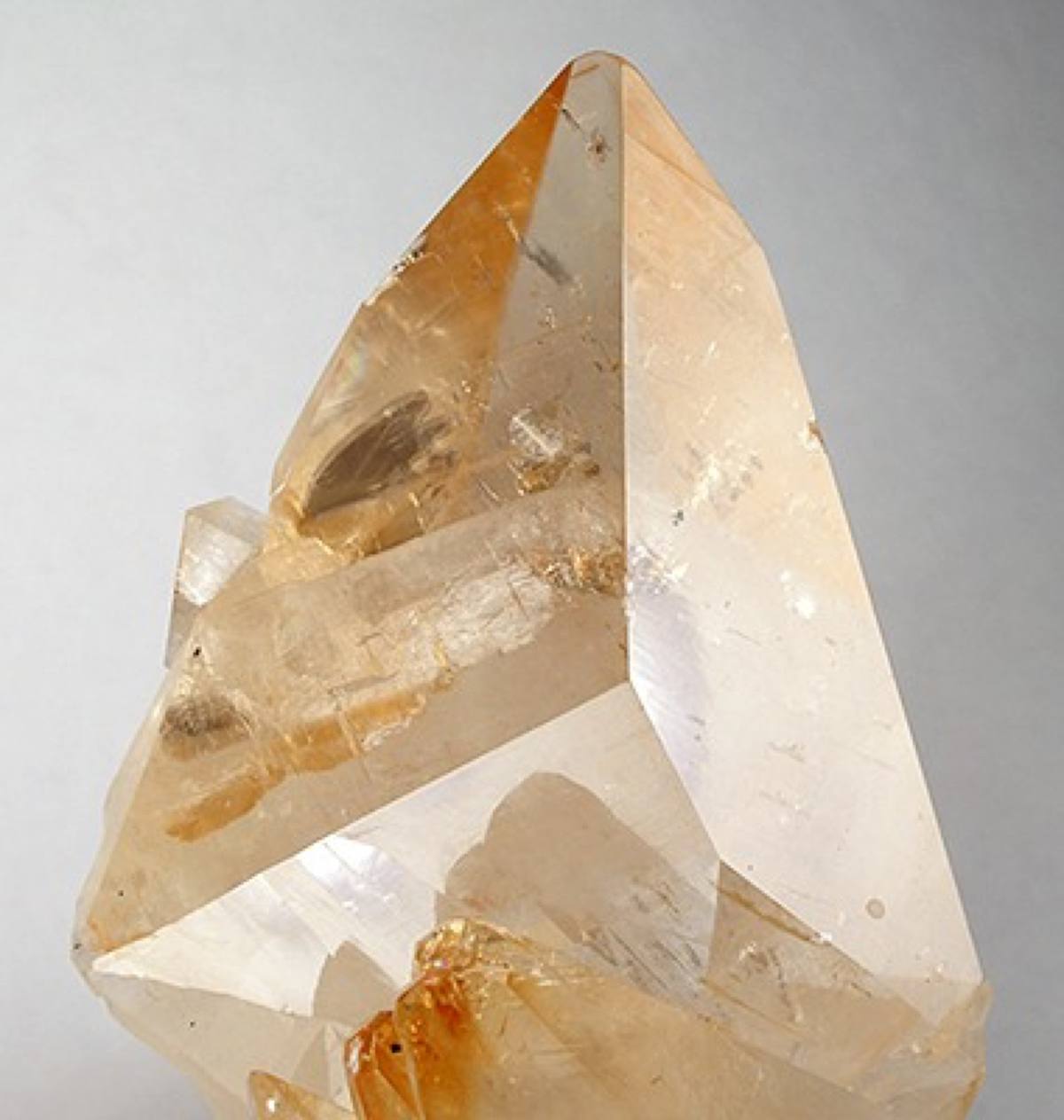
Quartz vs Calcite
Quartz is hard (Mohs 7) and shrugs off acid. Calcite is soft (Mohs 3), fizzes in vinegar, and cleaves into tidy rhomb shapes.
See the difference →
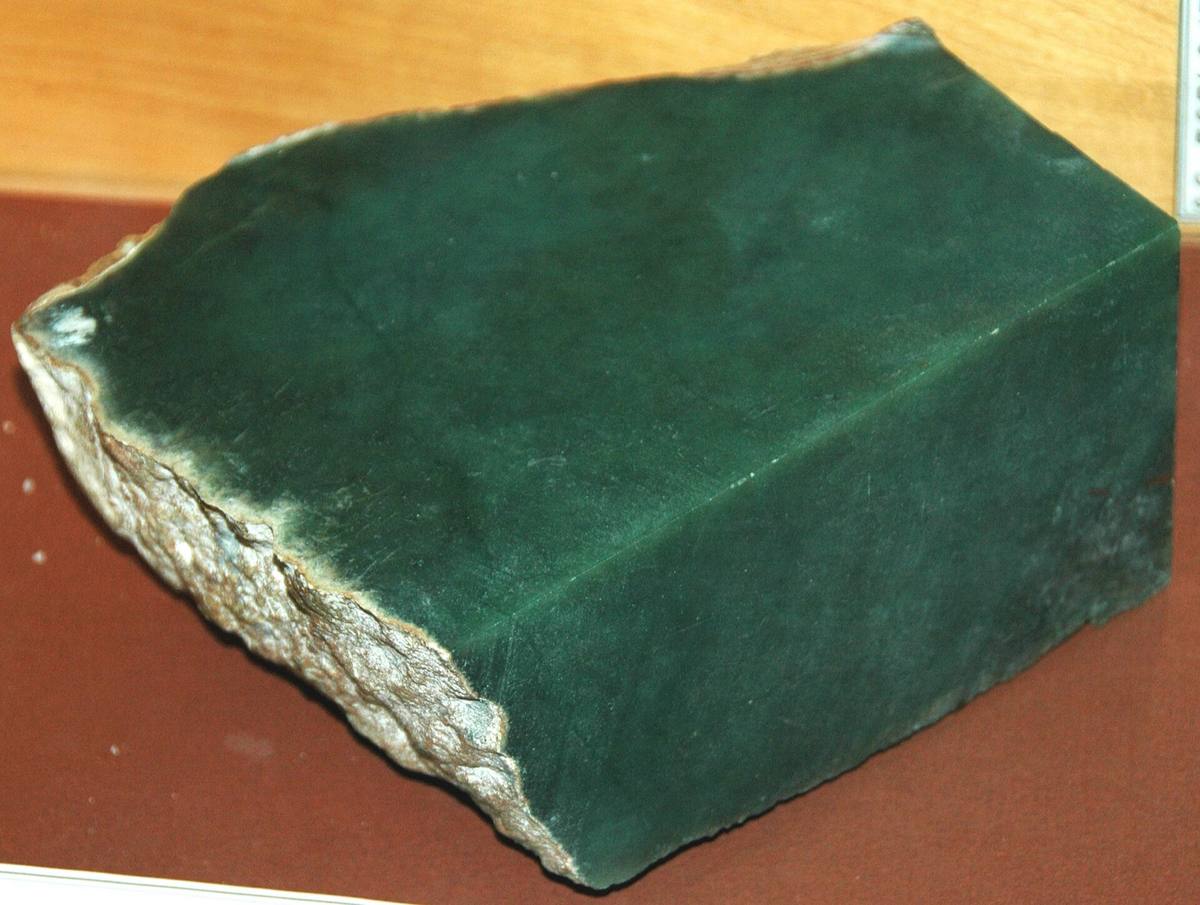
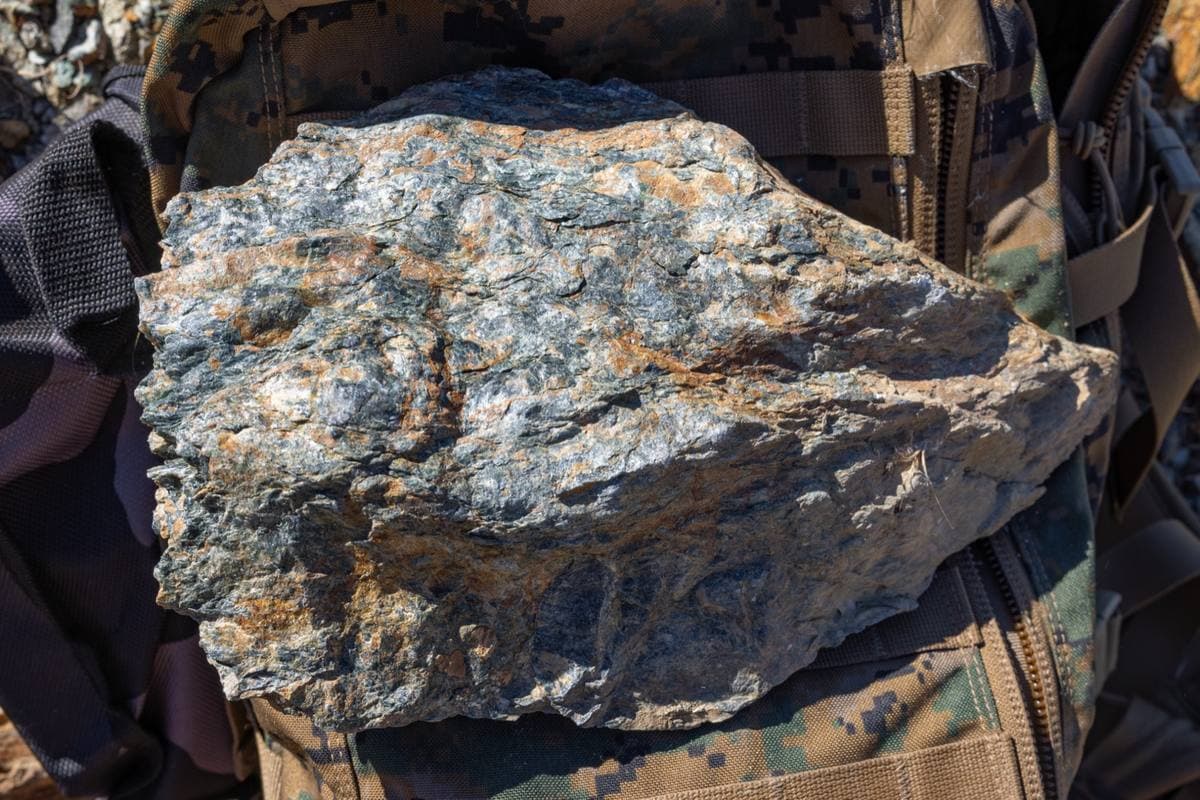
Jade vs Serpentine
True jade is harder and extraordinarily tough; most serpentine is softer and a hardened point scratches it more readily. Density and a scratch test separate them.
See the difference →
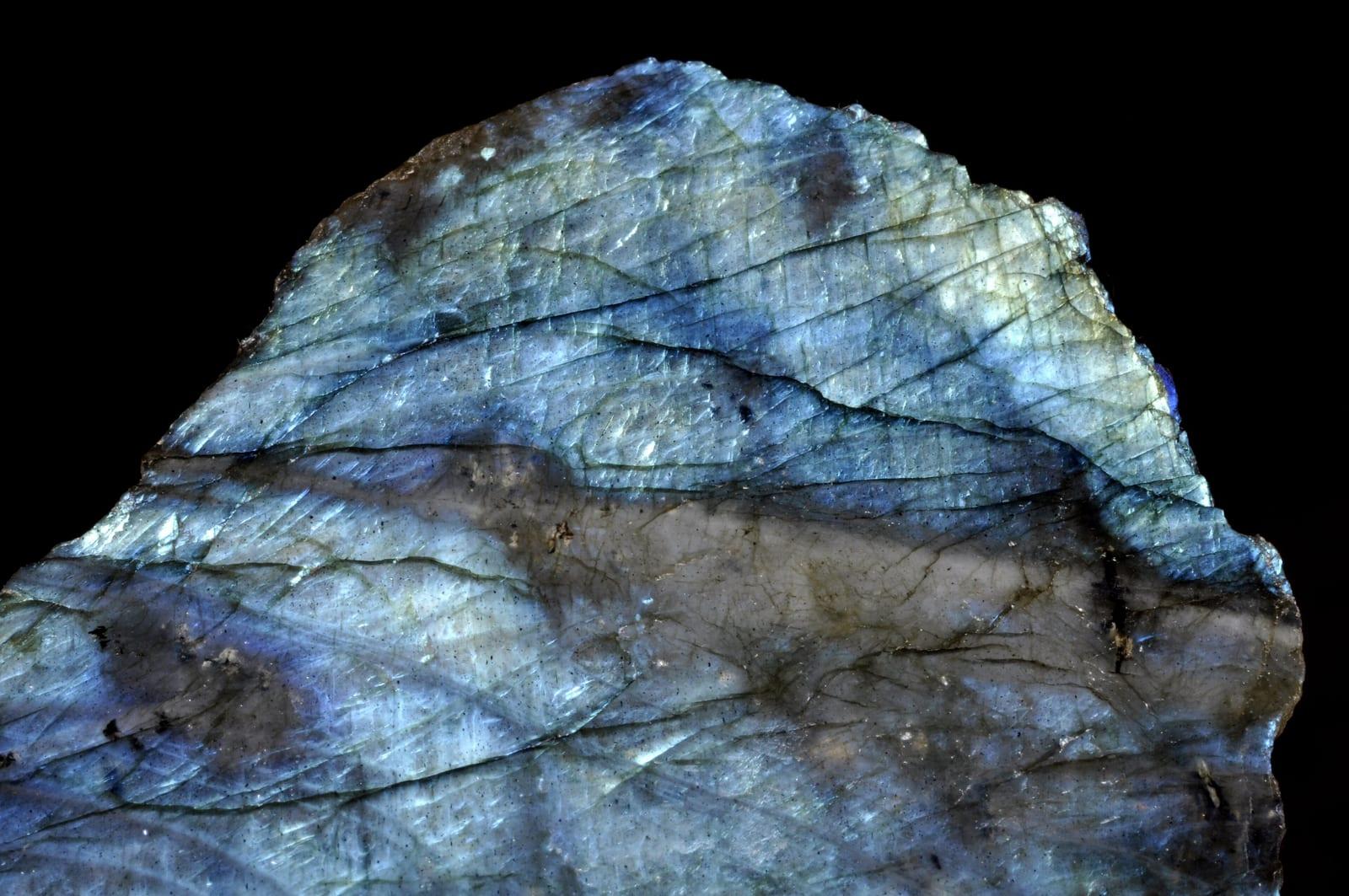
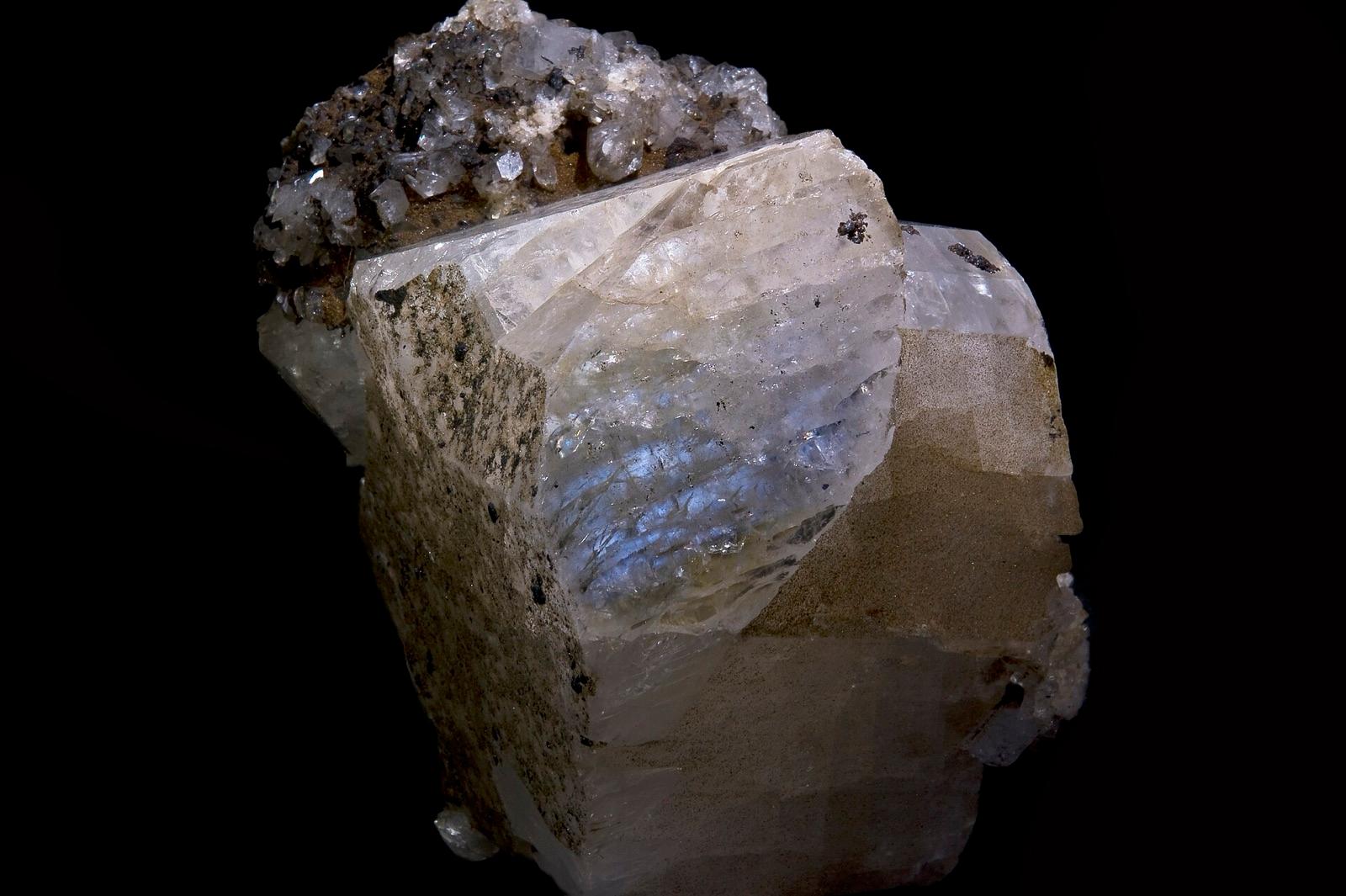
Labradorite vs Moonstone
Labradorite throws directional metallic flashes of blue, green, and gold; moonstone shows a soft blue-white glow that seems to float and roll across the stone.
See the difference →
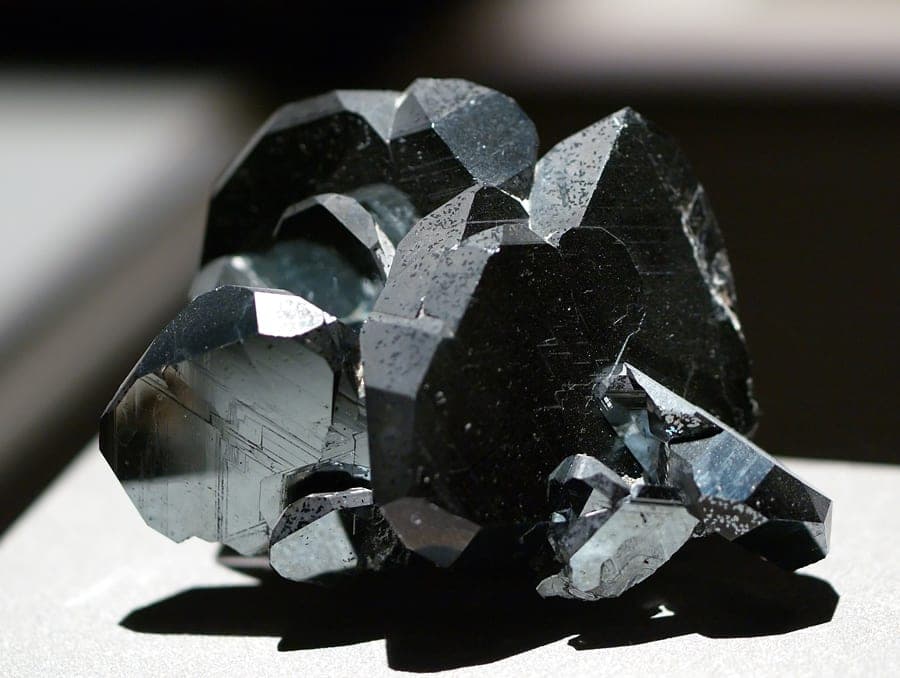
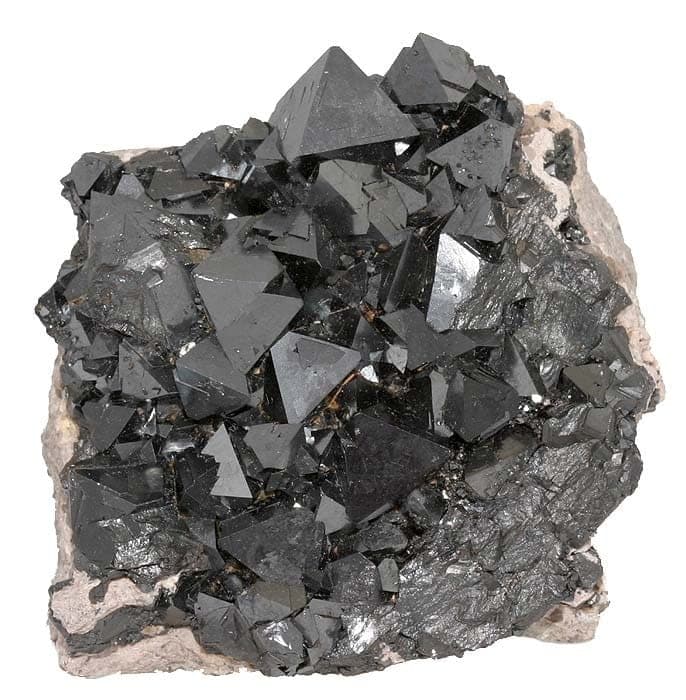
Hematite vs Magnetite
Streak it on tile and test it with a magnet. Magnetite leaves a black streak and grabs the magnet hard; hematite leaves a red-brown streak and barely responds.
See the difference →
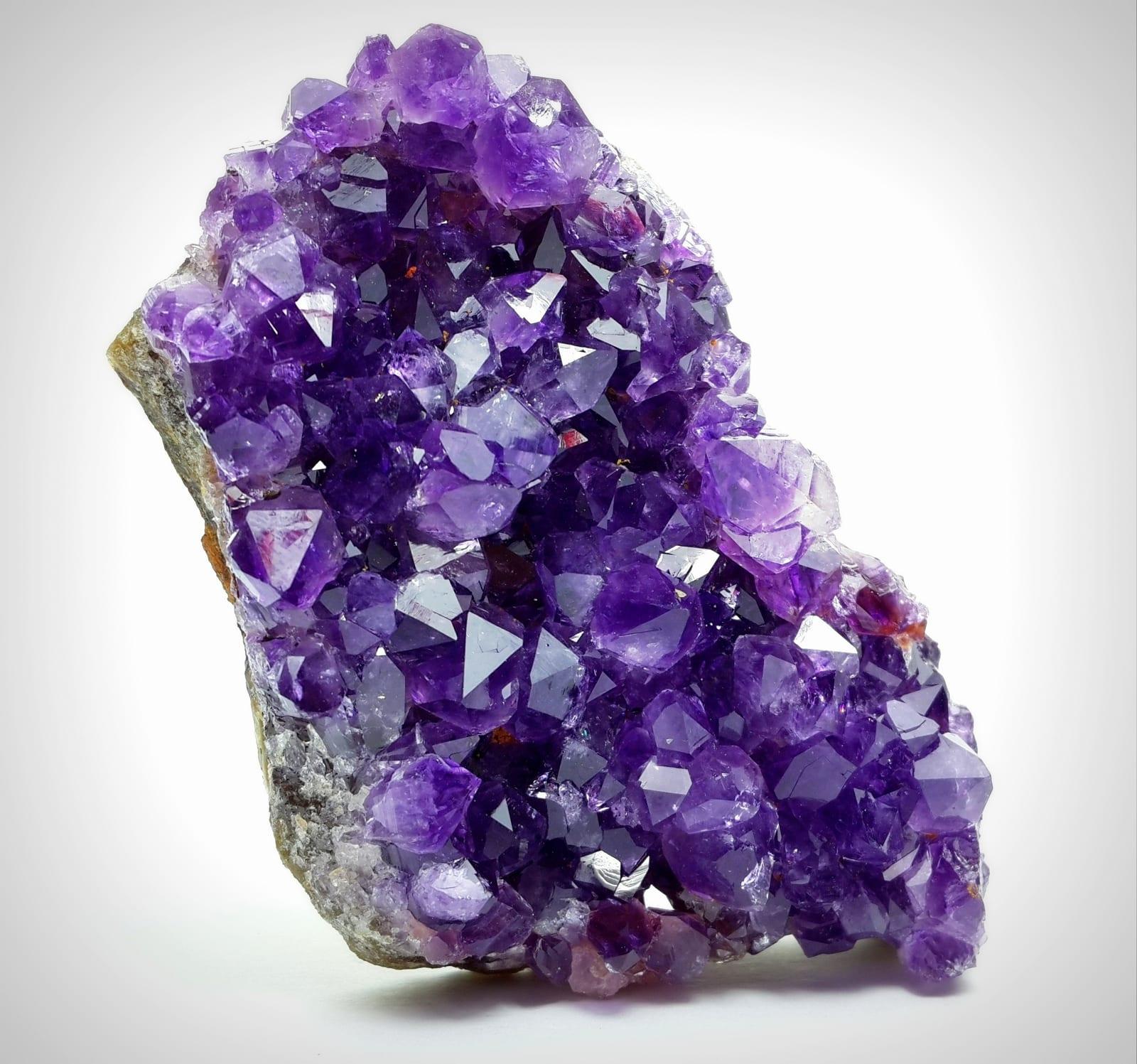
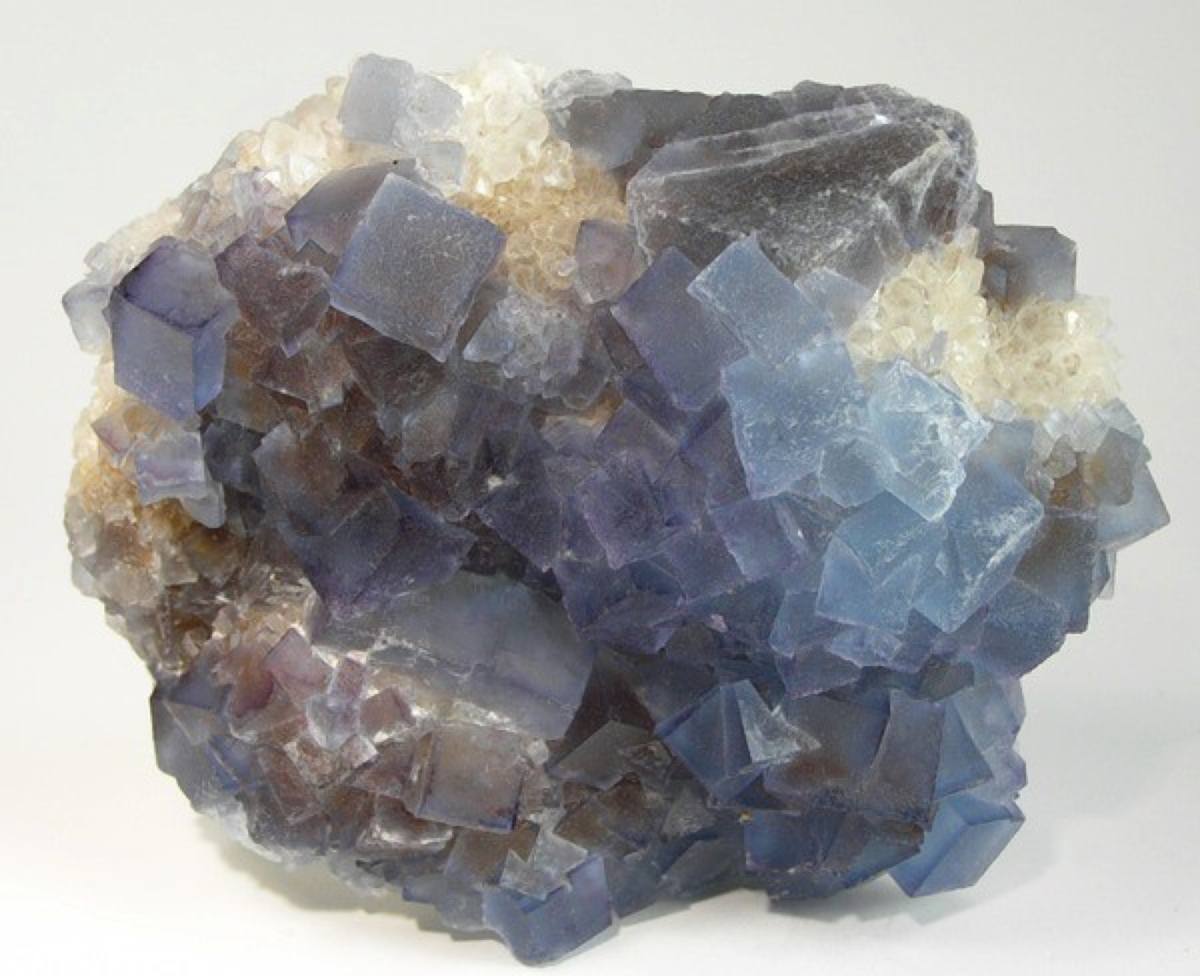
Amethyst vs Fluorite
Scratch test it. Amethyst (Mohs 7) scratches glass and resists a knife; fluorite (Mohs 4) is scratched by a knife and cleaves into octahedral shapes.
See the difference →
Not sure what you found?
Upload a photo to one of our free identifiers, or take the RockHoundR app into the field to log finds and overlay them on 250,000+ rockhounding spots.