Davisite is an extremely rare calcium-scandium-aluminum pyroxene found almost exclusively within calcium-aluminum-rich inclusions (CAIs) of carbonaceous chondrite meteorites. Collectors primarily encounter this mineral as microscopic inclusions within extraterrestrial samples rather than as cabinet-sized specimens. Its identification requires advanced analytical techniques such as electron microprobe analysis due to its rarity and complex composition.
Is this davisite?
3-step field checkRun through these checks against the specimen in your hand. The more boxes tick, the more confident the ID.
- 1Test the hardnessTry to scratch davisite with a known reference. Davisite sits at Mohs 6, softer than the next harder reference, harder than the previous one.
- 2Match the color rangeCompare against the expected color range: purple, violet, black.
- 3Look at form & habitCrystal system: monoclinic. Typical habit: microscopic crystals.
Often confused with
Davisite vs. its common look-alikes, and how to tell them apart in the field.
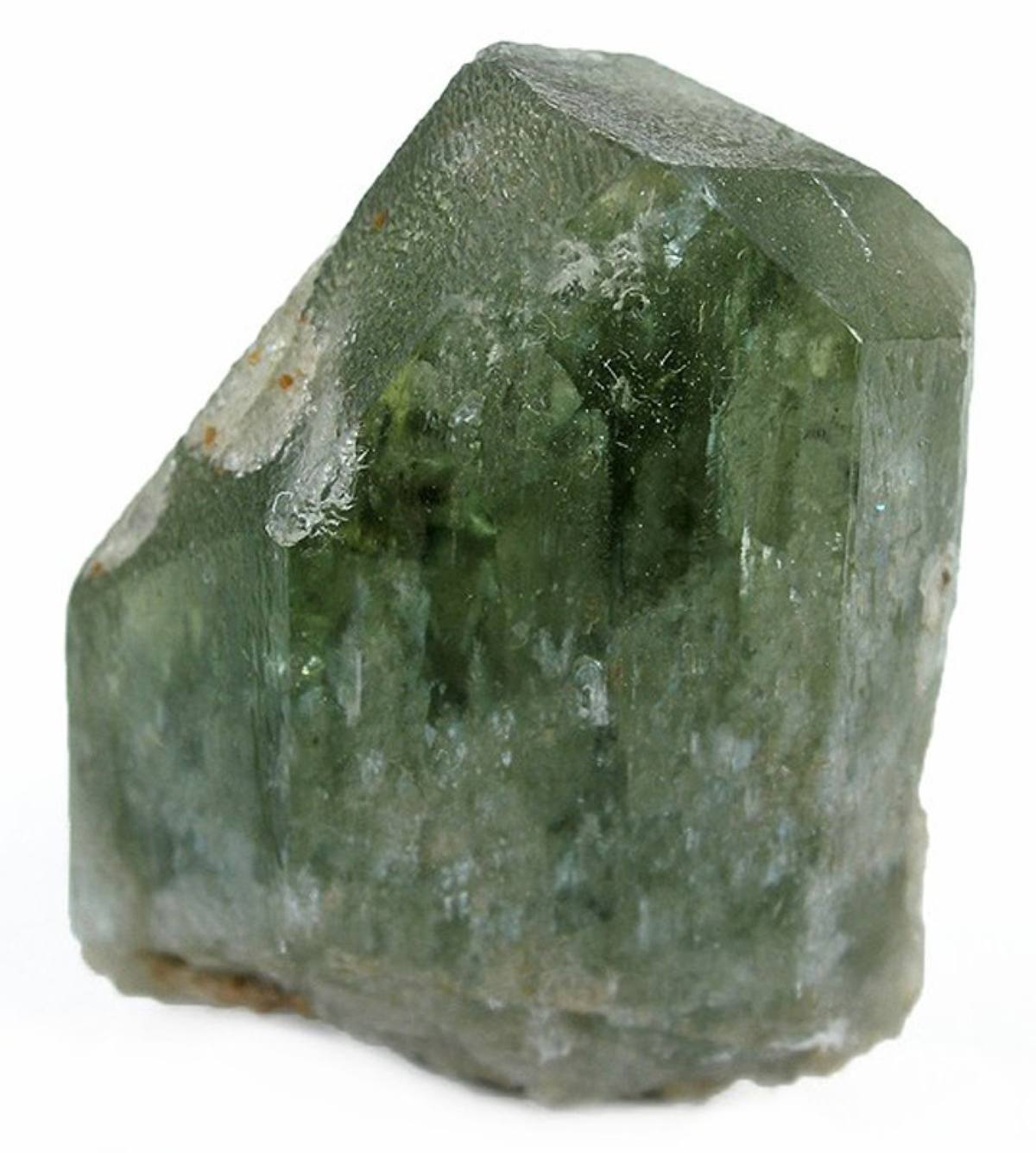
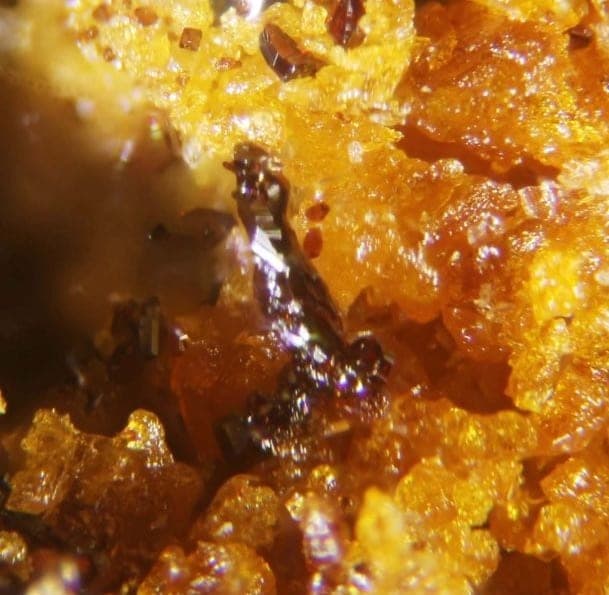
Often found alongside davisite
Minerals reported to co-occur with davisite. Spotting these in float or country rock is a strong cue you are in the right ground.
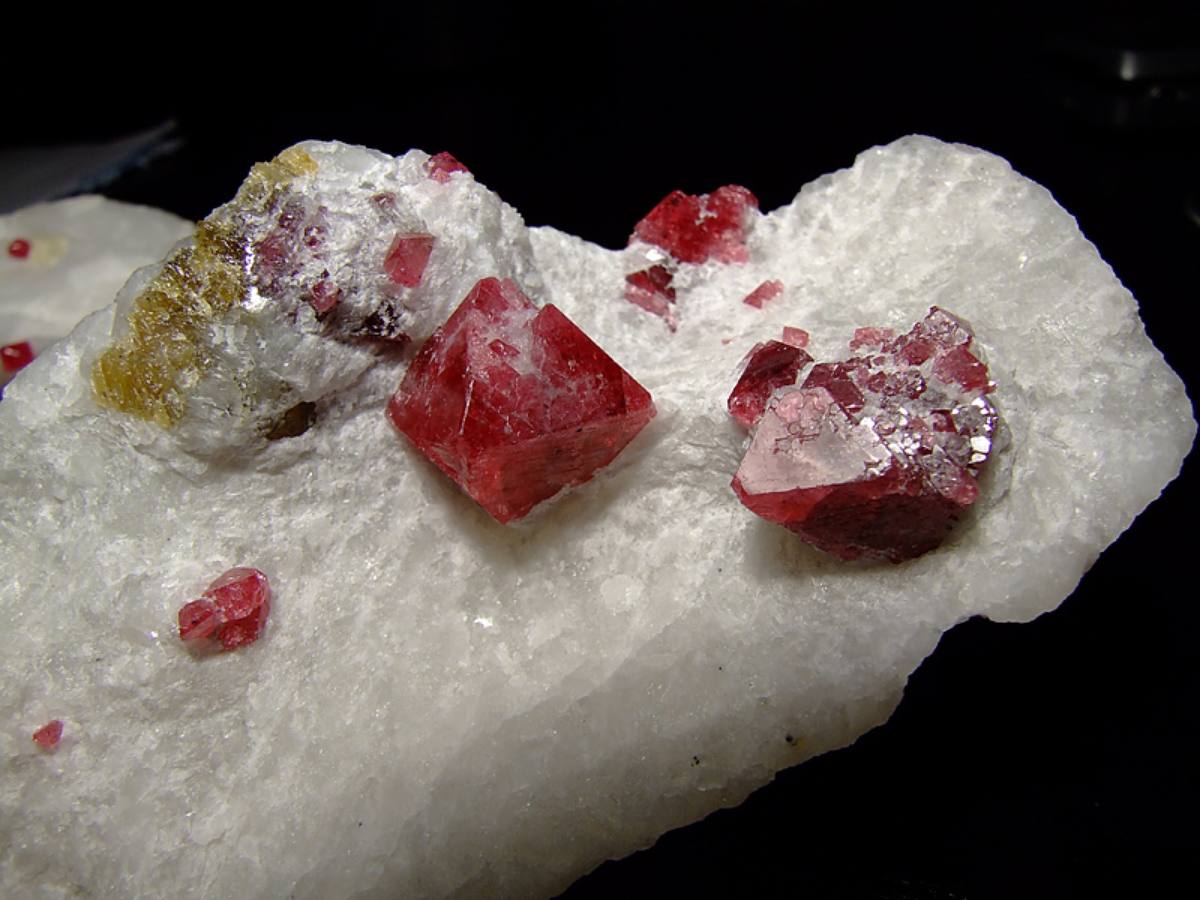
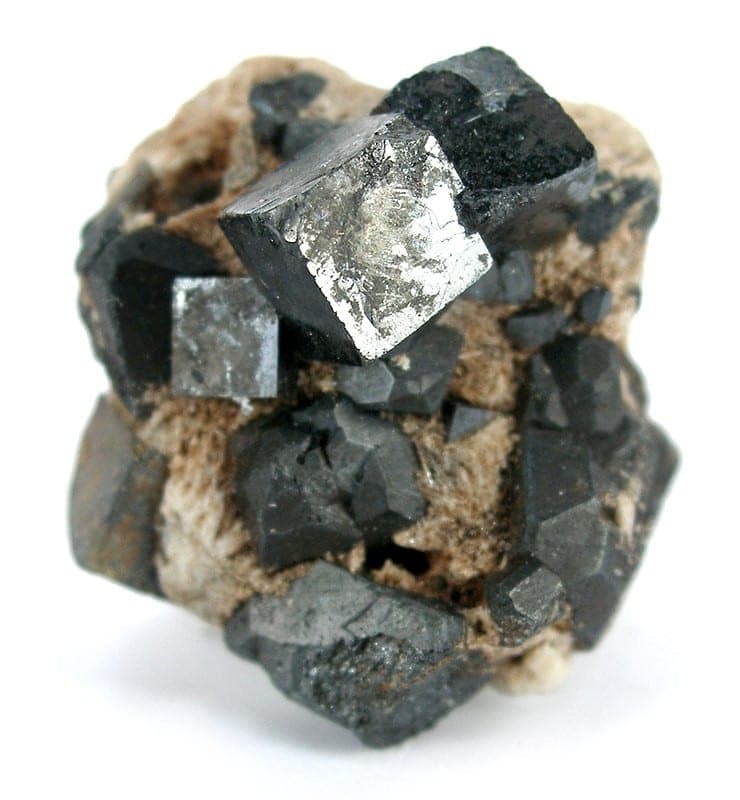
All properties
- Chemical formula
- CaScAlSiO₆
- Mohs hardness
- 6
- Density
- 3.38 g/cm³
- Transparency
- Transparent
- Crystal system
- Monoclinic
- Crystal habit
- Microscopic crystals
- Rarity
- Rare
- Uses
- Collector
- Host rock
- Likely formed through high-temperature condensation in the solar nebula, followed by melting and crystallization in Ca-,Al-rich refractory inclusions in a meteorite
Where rockhounds find davisite
Classic worldwide localities
- Allende meteorite, Pueblito de Allende, Chihuahua, Mexico (type locality)
Field-hunting tip
Where it forms: Likely formed through high-temperature condensation in the solar nebula, followed by melting and crystallization in Ca-,Al-rich refractory inclusions in a meteorite. If you start seeing spinel, perovskite in float, you are in the right ground. Typical habit: microscopic crystals. Train your eye for that shape before scanning the outcrop.
Common questions
How do you identify davisite?+
Where is davisite found?+
What rocks look like davisite?+
What minerals are found with davisite?+
What kind of rock does davisite form in?+
What is davisite used for?+
Find davisite on the map
RockHoundR shows mapped rockhounding spots, access rules, and lets you log every find.