
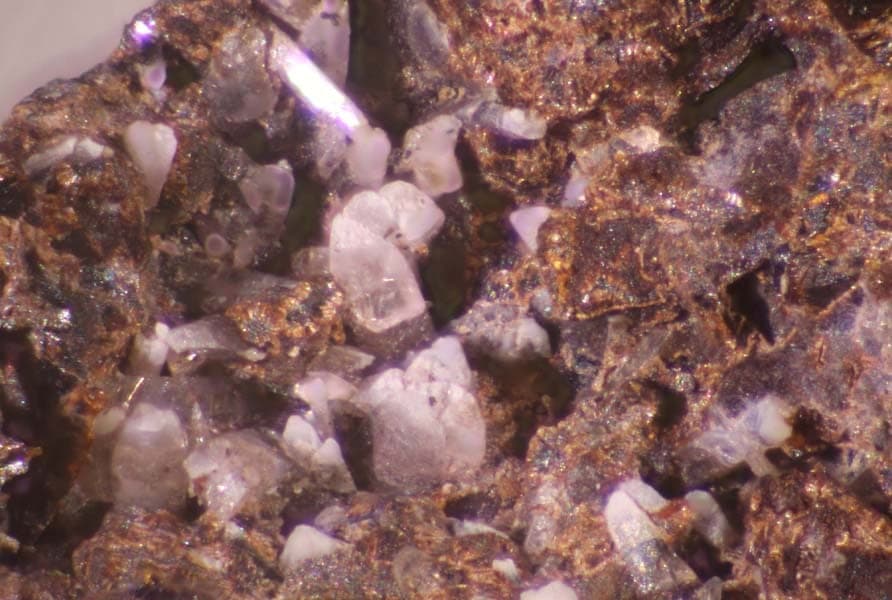
Pharmazincite is a rare potassium zinc arsenate that forms colorless imperfect prismatic to acicular crystals. It was approved as a distinct mineral species in 2014. It was first described from at the Arsenatnaya fumarole, Tolbachik volcano, Kamchatka, Russia.
Is this pharmazincite?
4-step field checkRun through these checks against the specimen in your hand. The more boxes tick, the more confident the ID.
- 1Test the hardnessTry to scratch pharmazincite with a known reference. Pharmazincite sits at Mohs 4, softer than the next harder reference, harder than the previous one.
- 2Read the lusterHold the specimen under a strong light. Luster: vitreous.
- 3Match the color rangeCompare against the expected color range: colorless, white aggregates.
- 4Look at form & habitCrystal system: hexagonal. Typical habit: imperfect prismatic to acicular crystals.
Often confused with
Pharmazincite vs. its common look-alikes, and how to tell them apart in the field.
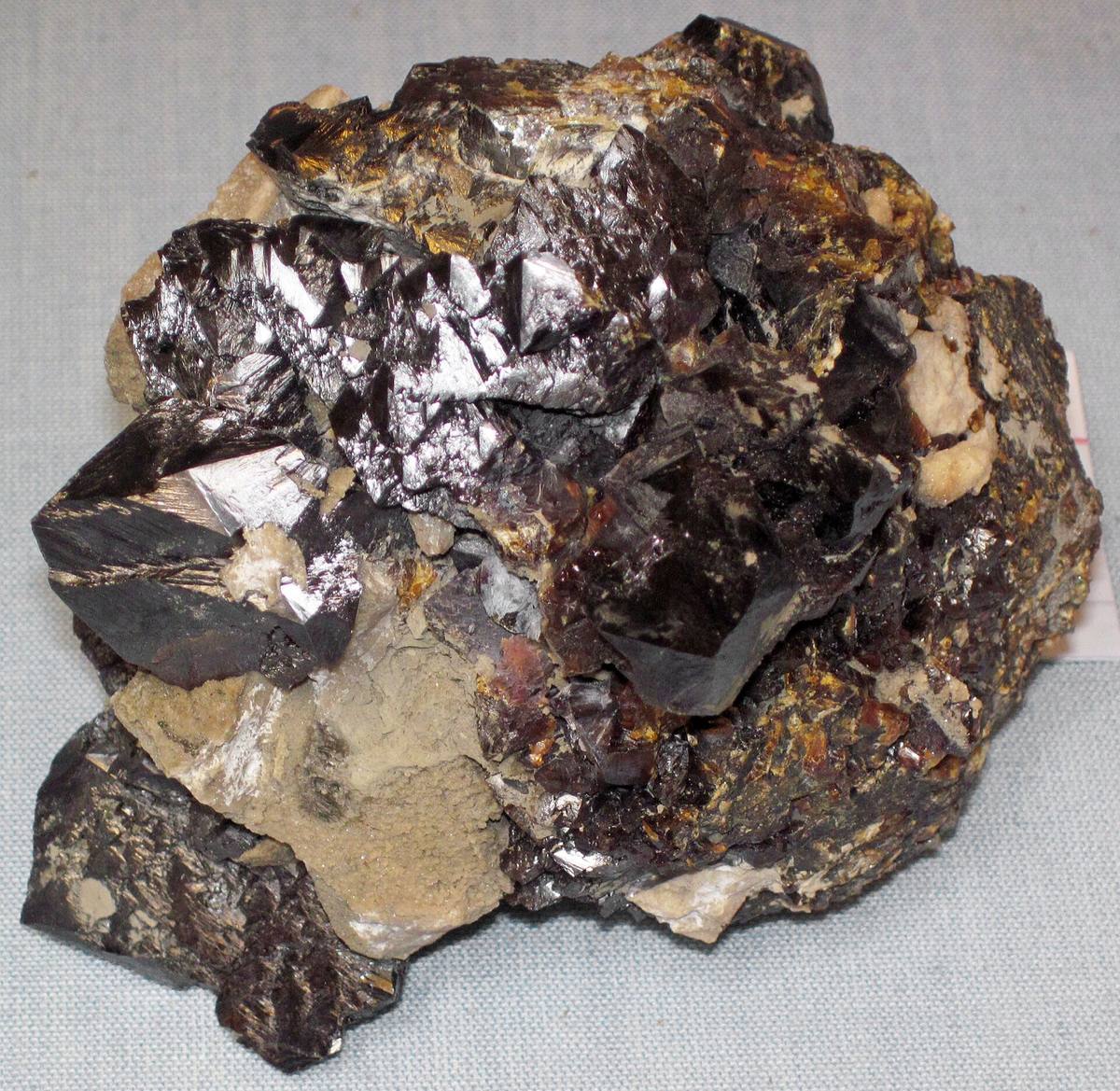
How to tell apart: Luster reads vitreous on Pharmazincite and resinous to adamantine on Sphalerite.
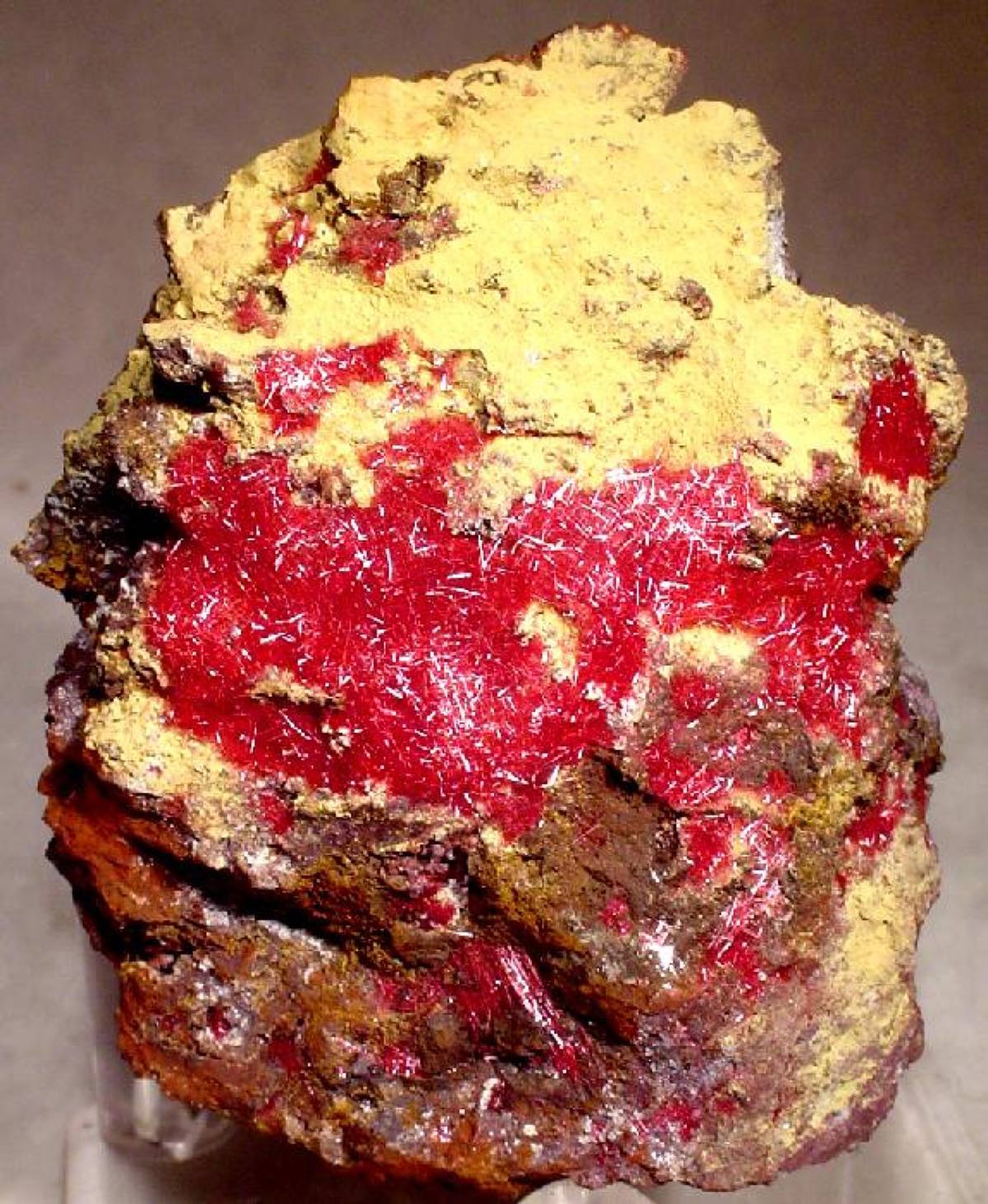
How to tell apart: Luster reads vitreous on Pharmazincite and adamantine to submetallic, earthy on Cuprite.
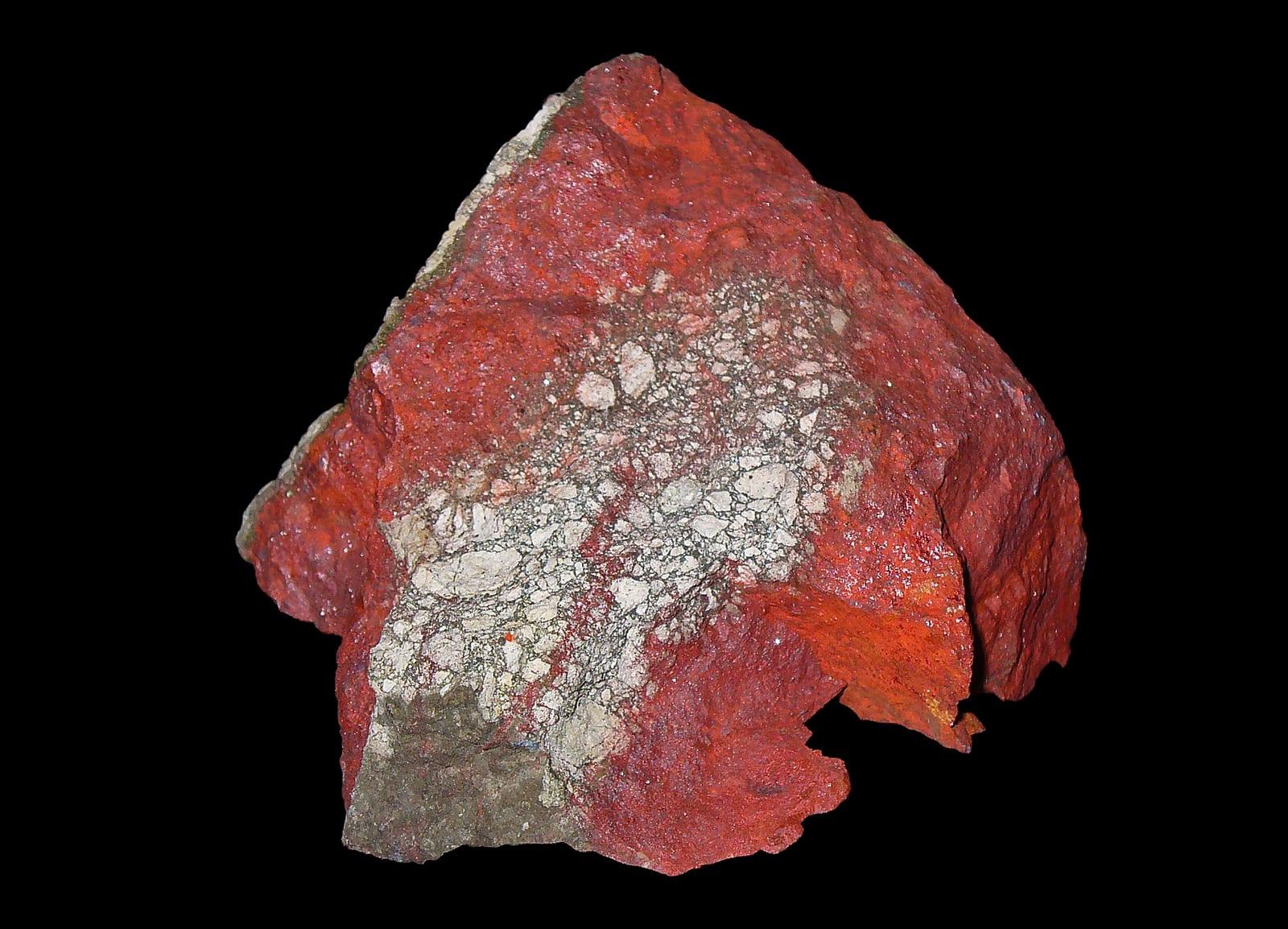
How to tell apart: Pharmazincite is noticeably harder (Mohs 4 vs. 2-2.5); luster reads vitreous on Pharmazincite and adamantine, inclining to metallic when dark; dull in friable material on Cinnabar.
Often found alongside pharmazincite
Minerals reported to co-occur with pharmazincite. Spotting these in float or country rock is a strong cue you are in the right ground.
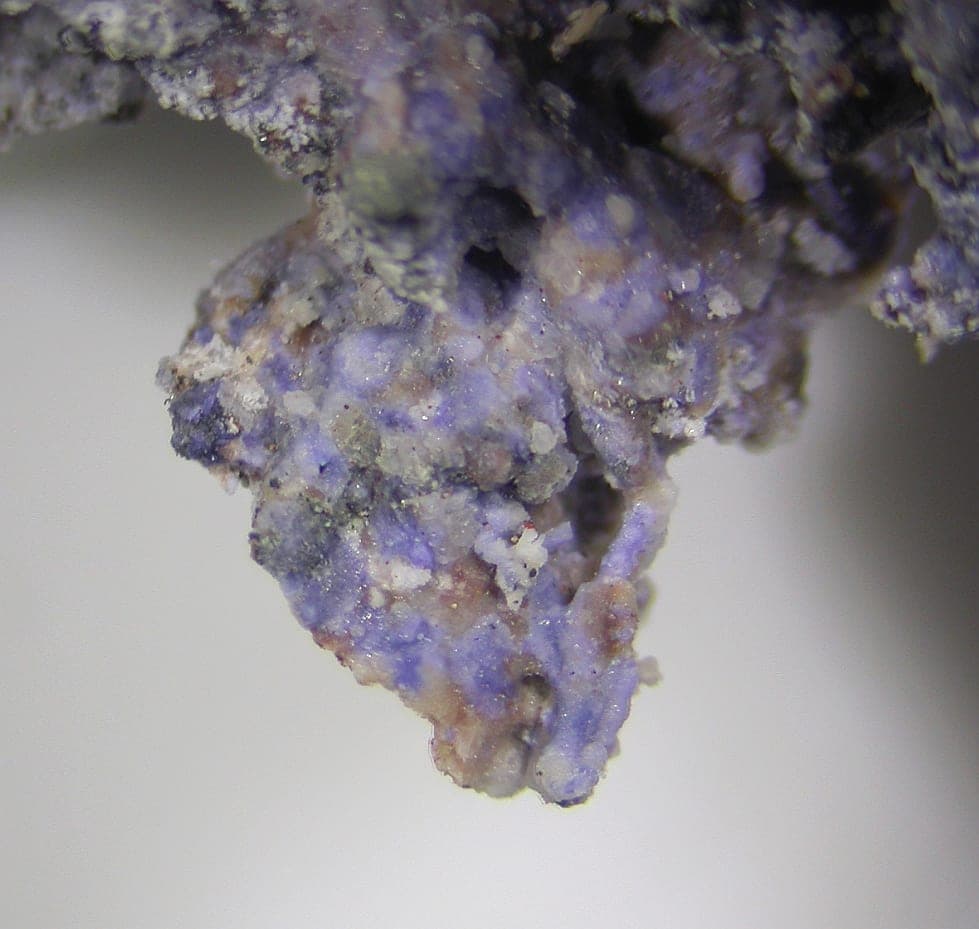
All properties
- Chemical formula
- KZn(AsO₄)
- Mohs hardness
- 4
- Density
- 4.748 g/cm³
- Colors
- ColorlessWhite aggregates
- Luster
- Vitreous
- Transparency
- Transparent
- Crystal system
- Hexagonal
- Crystal habit
- Imperfect prismatic to acicular crystals
- Cleavage
- Perfect on {001}
- Rarity
- Rare
- Uses
- Collector, Scientific research
- Host rock
- A minor constituent of sublimate incrustations (360-380° C) near a volcanic fumarole
Where rockhounds find pharmazincite
Classic worldwide localities
- At the Arsenatnaya fumarole, Kamchatka, Russia
Field-hunting tip
Where it forms: A minor constituent of sublimate incrustations (360-380° C) near a volcanic fumarole. If you start seeing shchurovskyite, dmisokolovite, bradaczekite in float, you are in the right ground. Typical habit: imperfect prismatic to acicular crystals. Train your eye for that shape before scanning the outcrop.
Common questions
How do you identify pharmazincite?+
Where is pharmazincite found?+
Is pharmazincite safe to handle?+
What rocks look like pharmazincite?+
What minerals are found with pharmazincite?+
What kind of rock does pharmazincite form in?+
What is pharmazincite used for?+
Find pharmazincite on the map
RockHoundR shows mapped rockhounding spots, access rules, and lets you log every find.

