Romanèchite is a significant manganese ore typically found in striking botryoidal or stalactitic masses with a smooth, dark surface. It is often misidentified as 'psilomelane,' which is actually a group name for hydrous manganese oxides rather than a distinct species. Collectors prize it for its dense, metallic luster and unusual rounded growth forms.
Is this romanèchite?
5-step field checkRun through these checks against the specimen in your hand. The more boxes tick, the more confident the ID.
- 1Test the hardnessTry to scratch romanèchite with a known reference. Romanèchite sits at Mohs 5-6, softer than the next harder reference, harder than the previous one.
- 2Check the streakDrag the specimen across an unglazed porcelain plate. Streak: black, brownish black.
- 3Read the lusterHold the specimen under a strong light. Luster: submetallic; dull when massive.
- 4Match the color rangeCompare against the expected color range: black, gray, grayish black, steel gray.
- 5Look at form & habitCrystal system: monoclinic. Typical habit: acicular, botryoidal, fibrous.
Often confused with
Romanèchite vs. its common look-alikes, and how to tell them apart in the field.
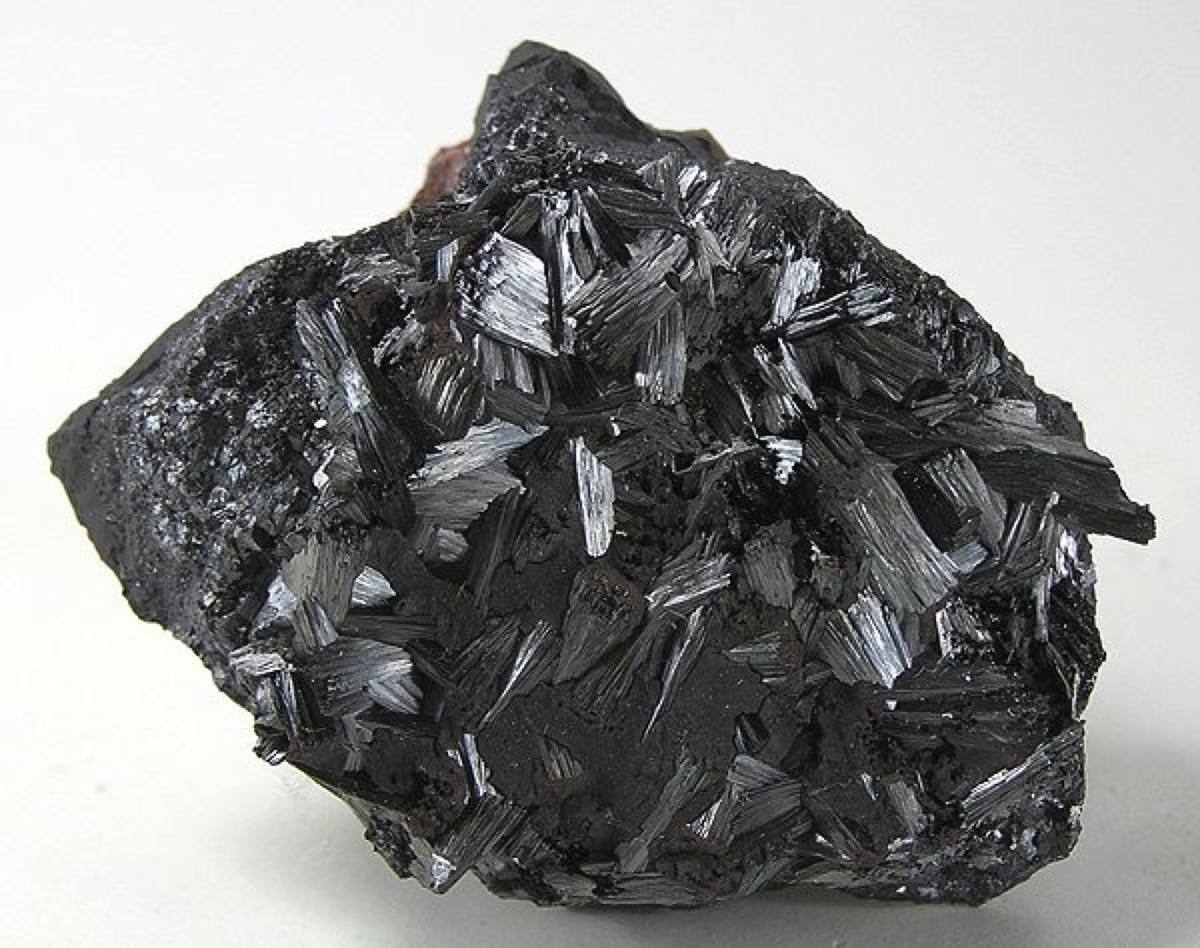
How to tell apart: Luster reads submetallic; dull when massive on Romanèchite and metallic on Pyrolusite.
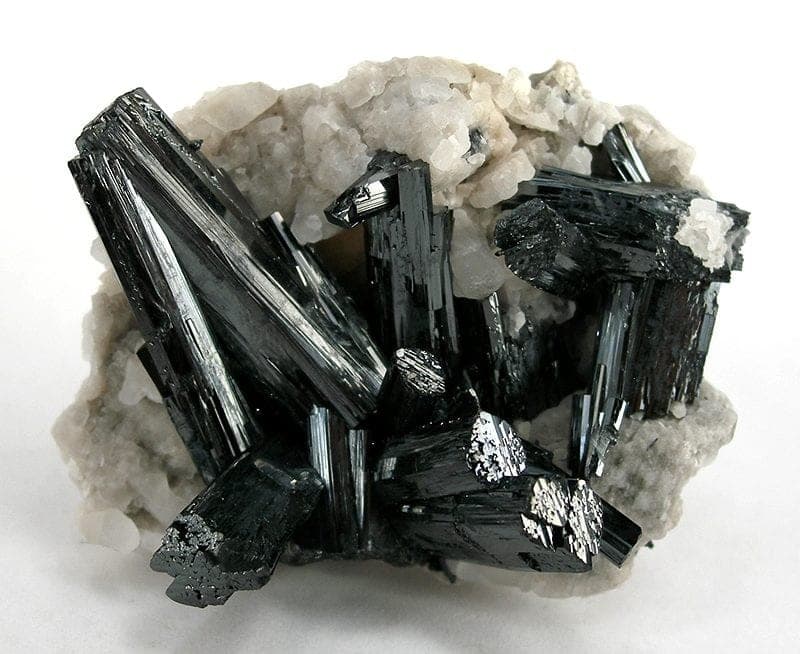
How to tell apart: Romanèchite is noticeably harder (Mohs 5-6 vs. 4); streak differs, so Romanèchite leaves black, brownish black, Manganite leaves reddish brown to nearly black.
Often found alongside romanèchite
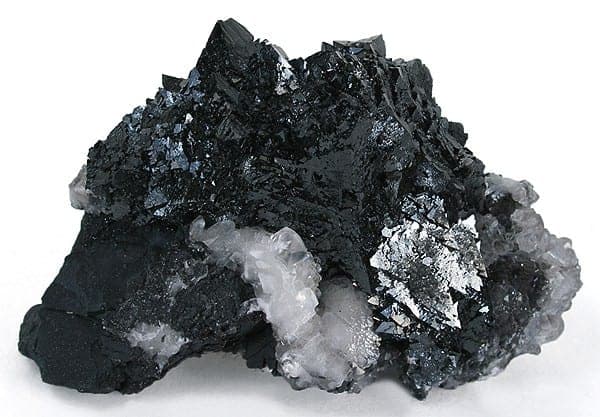
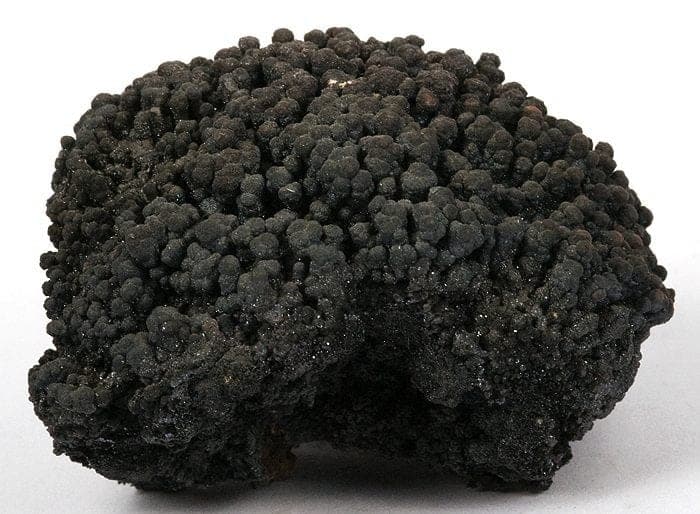
Minerals reported to co-occur with romanèchite. Spotting these in float or country rock is a strong cue you are in the right ground.
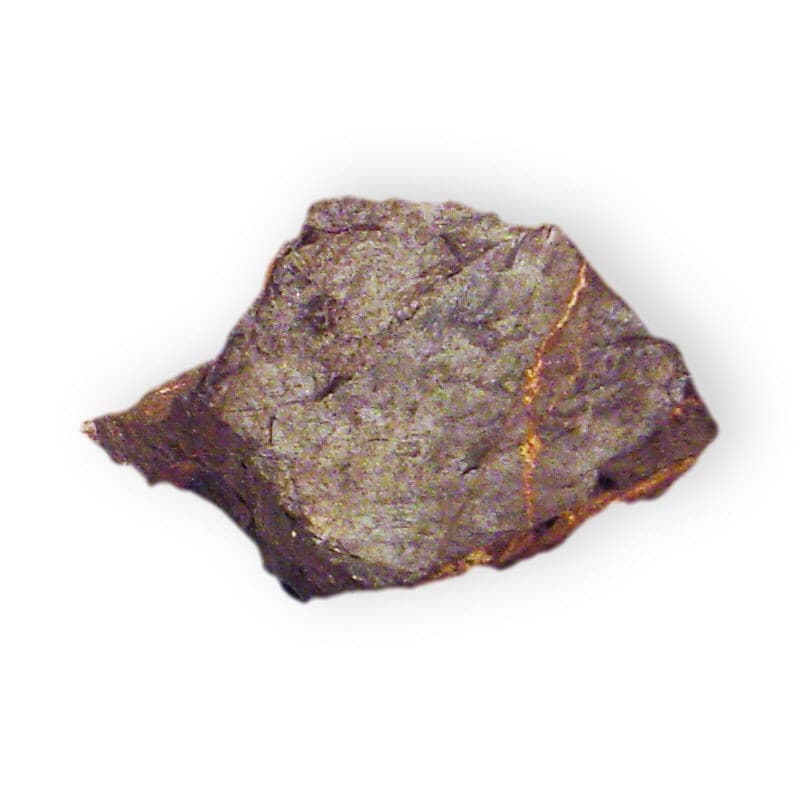
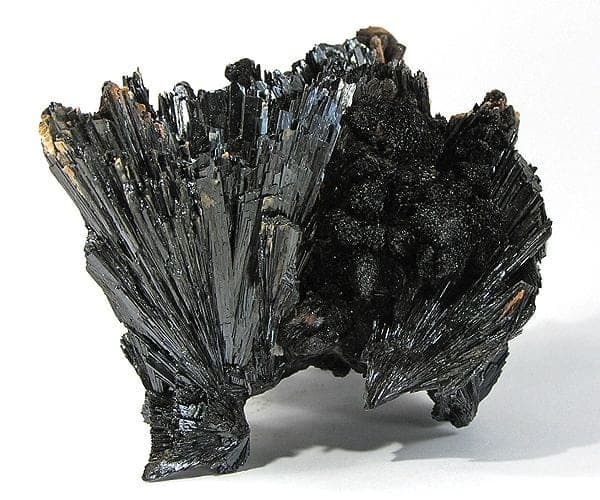
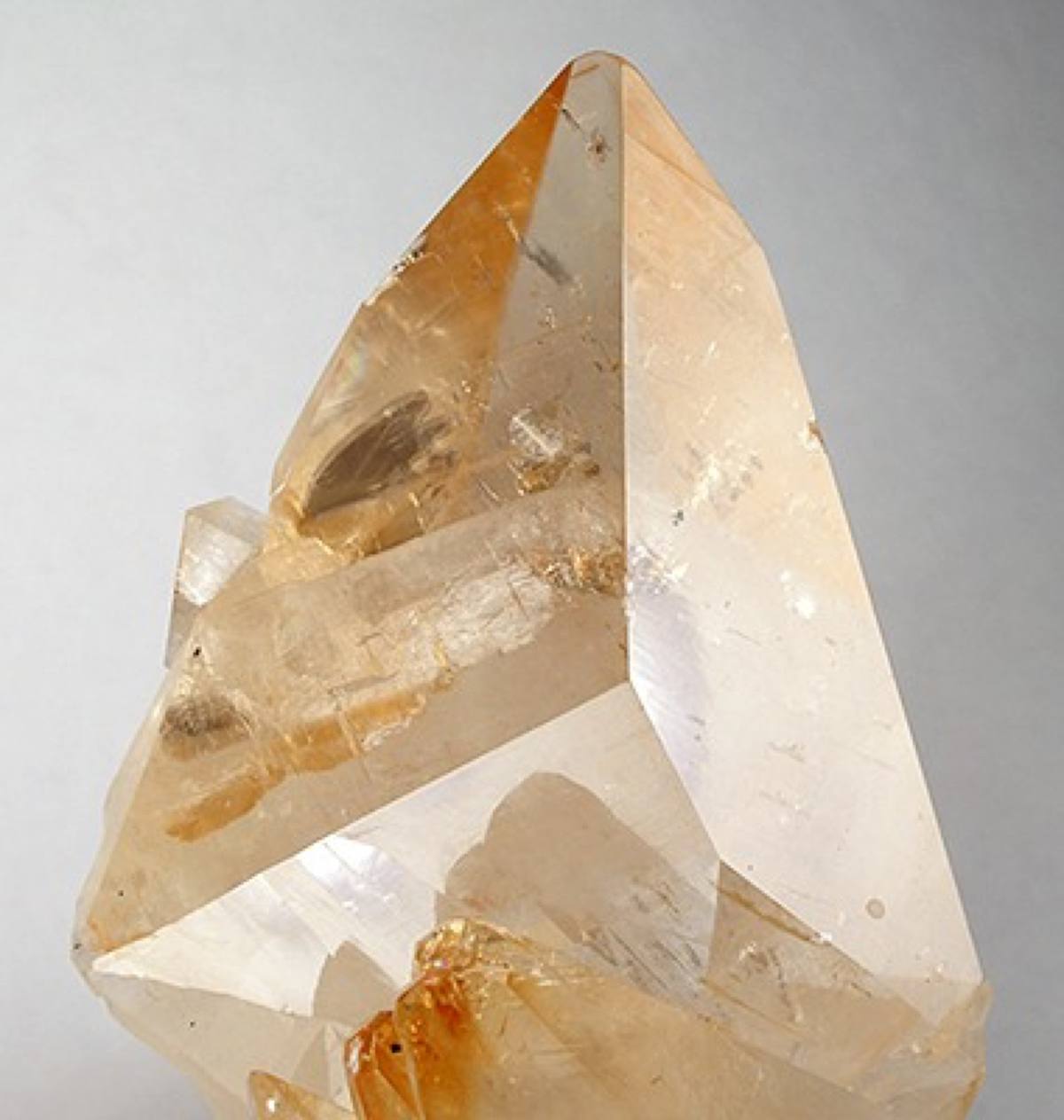
All properties
- Chemical formula
- (Ba,H₂O)₂Mn₅O₁₀
- Mohs hardness
- 5-6
- Density
- 4.70-4.74 g/cm³
- Streak
- Black, brownish black
- Luster
- Submetallic; dull when massive
- Transparency
- Opaque
- Crystal system
- Monoclinic
- Crystal habit
- Acicular, botryoidal, fibrous
- Cleavage
- None
- Rarity
- Common
- Uses
- Collector, Ore
- Host rock
- A product of weathering of manganese-bearing oxides, carbonates, silicates; in sedimentary deposits; as replacement deposits in limestones and dolostones
Where rockhounds find romanèchite
Classic worldwide localities
- Austinville, Wyeth Co., Virginia, USA
- Sodaville, Mineral Co., Nevada, USA
- Hoggett mines, Hidalgo Co., New Mexico, USA
- Tolbard mine, Paymaster district, Imperial Co., California, USA
- Romanèche, Saône-et-Loire, France
- Schneeberg, Saxony, and at the Clara Mine, near Oberwolfach, Black Forest, Germany
Field-hunting tip
Where it forms: A product of weathering of manganese-bearing oxides, carbonates, silicates; in sedimentary deposits; as replacement deposits in limestones and dolostones. If you start seeing pyrolusite, hausmannite, chalcophanite in float, you are in the right ground. Typical habit: acicular, botryoidal, fibrous. Train your eye for that shape before scanning the outcrop.
Common questions
How do you identify romanèchite?+
Where is romanèchite found?+
What rocks look like romanèchite?+
What minerals are found with romanèchite?+
What kind of rock does romanèchite form in?+
What is romanèchite used for?+
Find romanèchite on the map
RockHoundR shows mapped rockhounding spots, access rules, and lets you log every find.