Spurrite is a relatively uncommon calcium silicate carbonate mineral typically formed during the contact metamorphism of limestone. Collectors should look for its distinctive bright yellow fluorescence under short-wave ultraviolet light, which is its most reliable diagnostic feature in field settings.
Is this spurrite?
5-step field checkRun through these checks against the specimen in your hand. The more boxes tick, the more confident the ID.
- 1Test the hardnessTry to scratch spurrite with a known reference. Spurrite sits at Mohs 5, softer than the next harder reference, harder than the previous one.
- 2Check the streakDrag the specimen across an unglazed porcelain plate. Streak: white.
- 3Read the lusterHold the specimen under a strong light. Luster: vitreous to resinous.
- 4Match the color rangeCompare against the expected color range: gray, gray white, lilac gray.
- 5Look at form & habitCrystal system: monoclinic. Typical habit: cleaveable, granular, massive.
Often confused with
Spurrite vs. its common look-alikes, and how to tell them apart in the field.
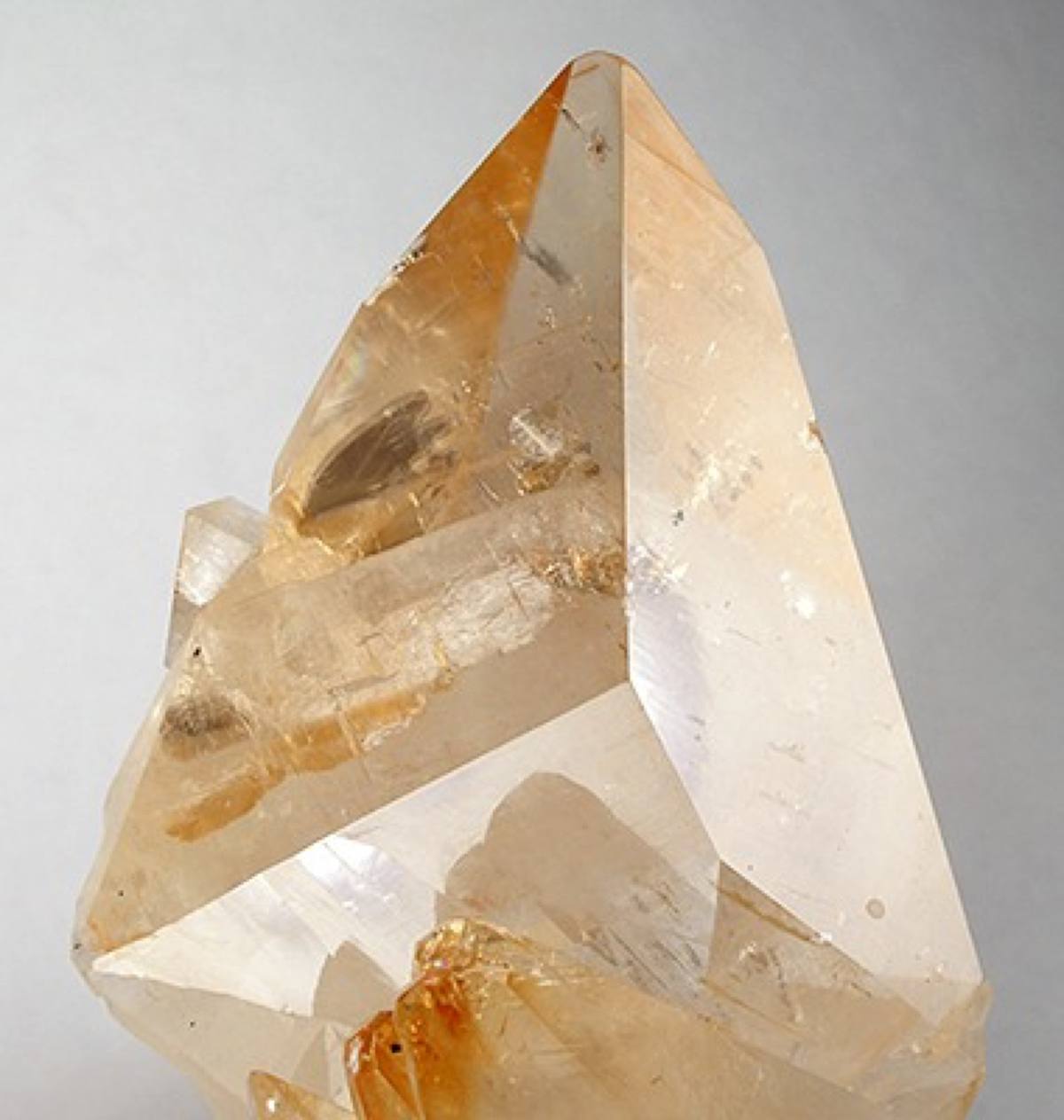
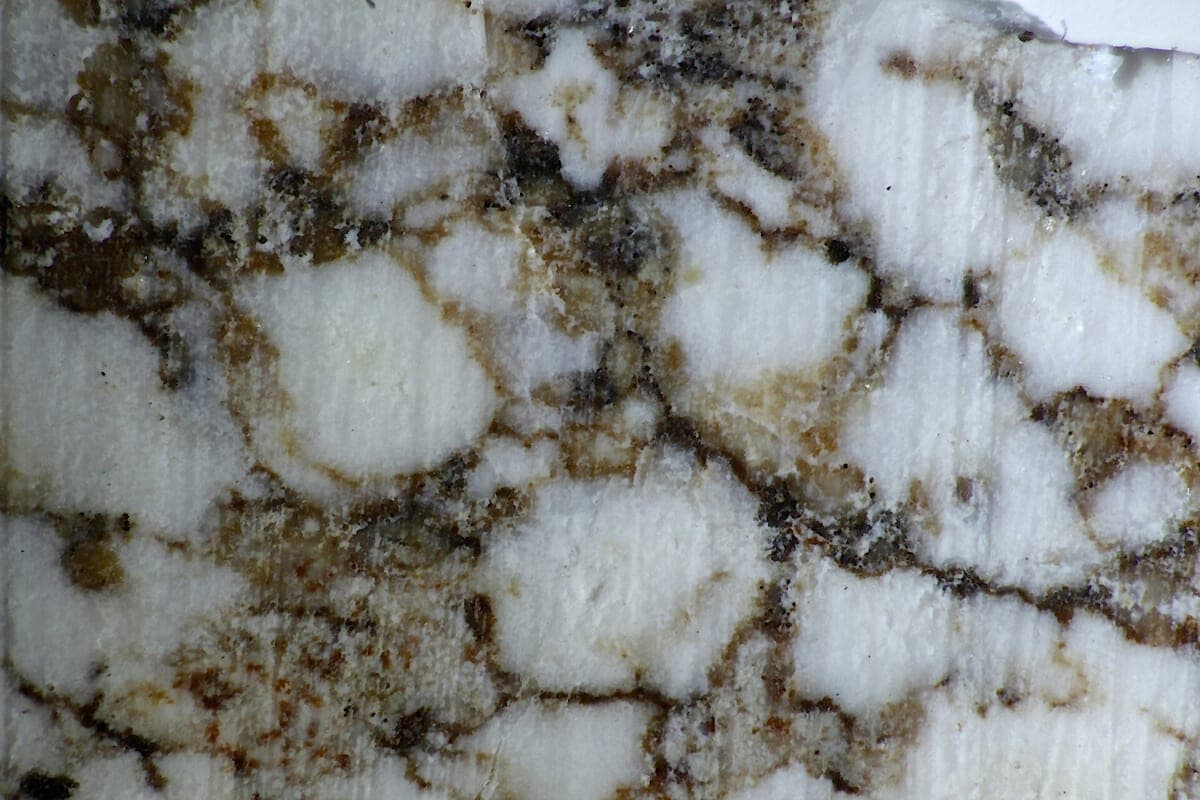
Often found alongside spurrite
Minerals reported to co-occur with spurrite. Spotting these in float or country rock is a strong cue you are in the right ground.
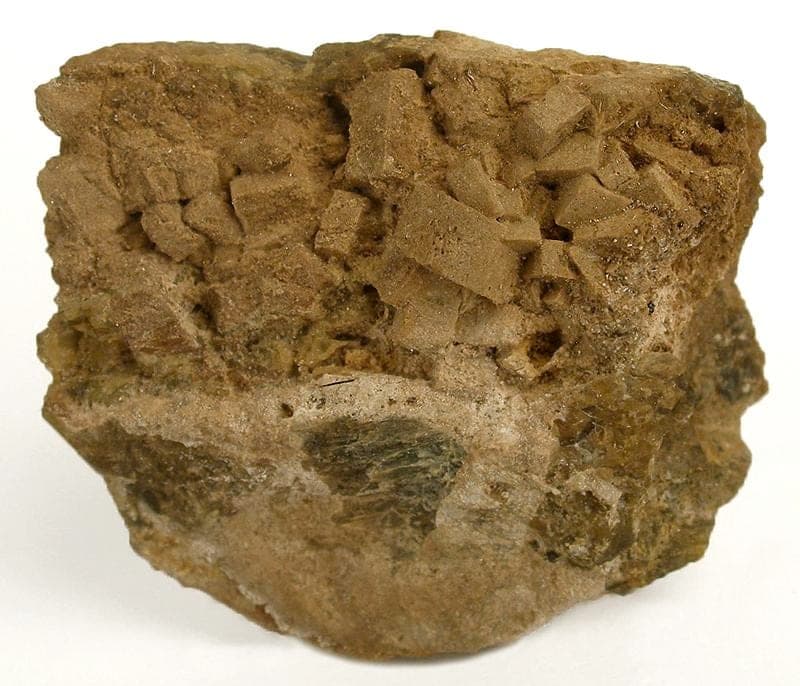
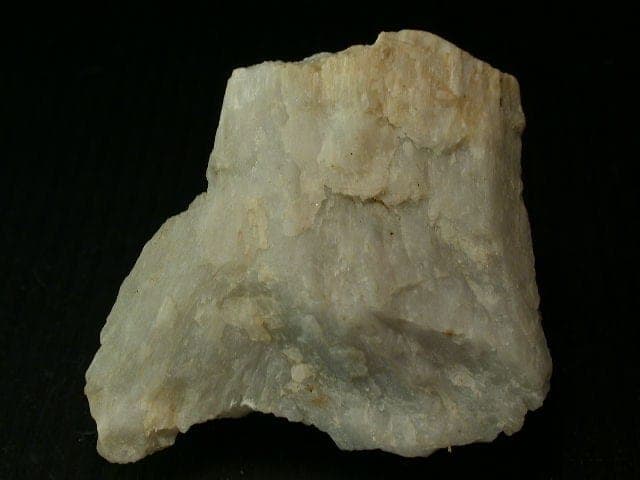
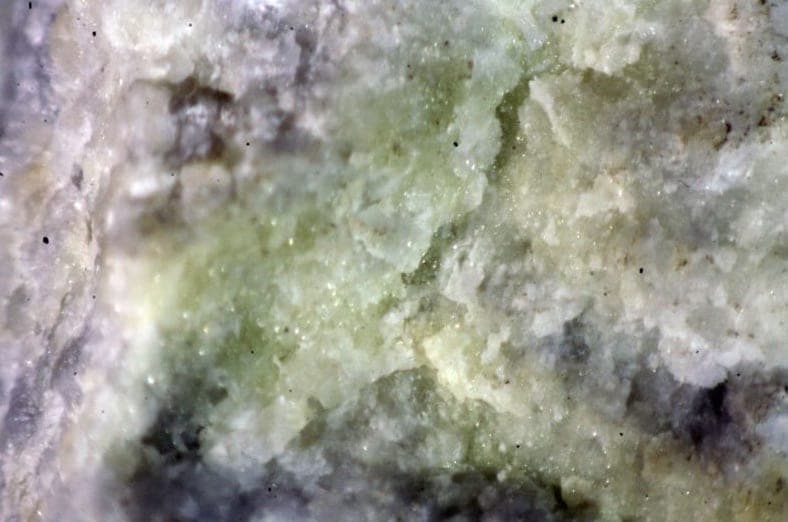
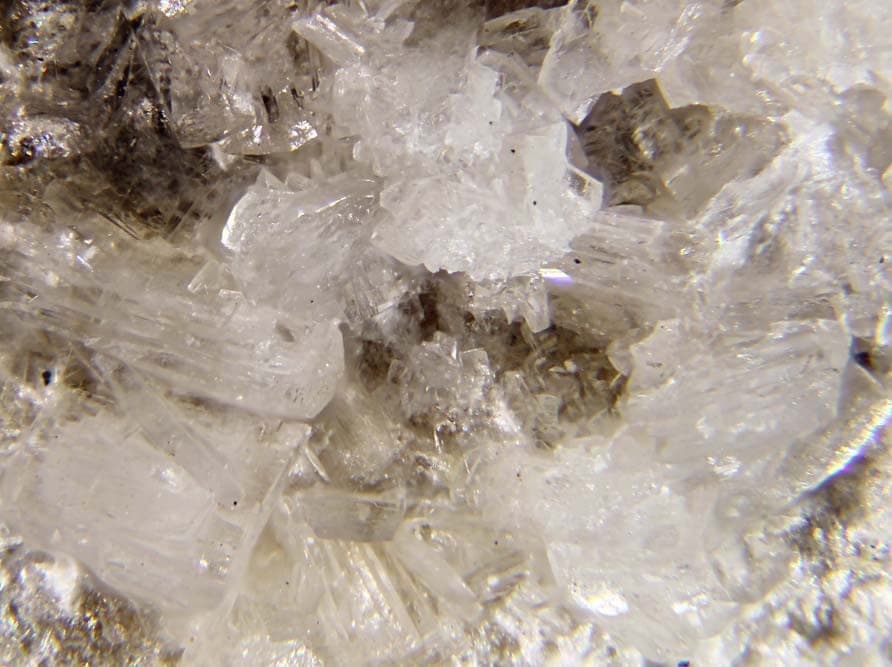
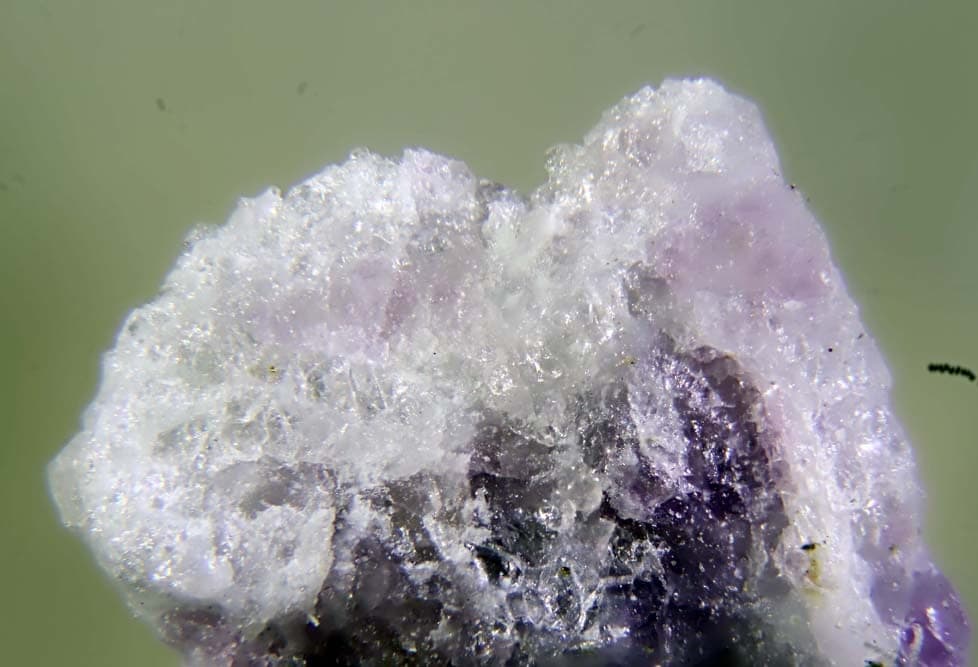
All properties
- Chemical formula
- Ca₅(SiO₄)₂(CO₃)
- Mohs hardness
- 5
- Density
- 3.02 g/cm³
- Colors
- Streak
- White
- Luster
- Vitreous to resinous
- Transparency
- Transparent to translucent
- Crystal system
- Monoclinic
- Crystal habit
- Cleaveable, granular, massive
- Cleavage
- Perfect on {001}, poor on {100}, (001) ^ (100) = 79°
- Fluorescence
- Green under SW UV
- Rarity
- Uncommon
- Uses
- Collector, Scientific research
- Host rock
- A product of high-temperature thermal metamorphism along the contact between carbonate rock and mafic magma
Where rockhounds find spurrite
Classic worldwide localities
- Crestmore, Riverside Co., California, USA
- Tres Hermanas district, Luna Co., New Mexico, USA
- Little Belt Mountains, Lewis and Clark and Meagher Co., Montana, USA
- Santa Juana mine, Velardeña, Durango, and in the Encantada district, Coahuila, Mexico
- Scawt Hill, near Larne, and at Carneal, Co. Antrim, and at Carlingford, Co. Louth, Ireland
- Golden Gully, Tokatoka district, about 150 km north of Auckland, New Zealand
Field-hunting tip
Where it forms: A product of high-temperature thermal metamorphism along the contact between carbonate rock and mafic magma. If you start seeing gehlenite, merwinite, tilleyite in float, you are in the right ground. Typical habit: cleaveable, granular, massive. Train your eye for that shape before scanning the outcrop.
Common questions
How do you identify spurrite?+
Where is spurrite found?+
What rocks look like spurrite?+
What minerals are found with spurrite?+
What kind of rock does spurrite form in?+
What is spurrite used for?+
Find spurrite on the map
RockHoundR shows mapped rockhounding spots, access rules, and lets you log every find.