Srebrodolskite is a very rare oxide mineral typically found in burning coal mine dumps where pyrometamorphism occurs. It usually forms as small, dark-colored grains or prismatic crystals associated with other calcium-rich phases. It is primarily a collector's mineral found in specific industrial-related geological environments.
Is this srebrodolskite?
5-step field checkRun through these checks against the specimen in your hand. The more boxes tick, the more confident the ID.
- 1Test the hardnessTry to scratch srebrodolskite with a known reference. Srebrodolskite sits at Mohs 5.5, softer than the next harder reference, harder than the previous one.
- 2Check the streakDrag the specimen across an unglazed porcelain plate. Streak: grayish brown.
- 3Read the lusterHold the specimen under a strong light. Luster: adamantine, metallic in aggregates.
- 4Match the color rangeCompare against the expected color range: brown red, black.
- 5Look at form & habitCrystal system: orthorhombic. Typical habit: granular to prismatic crystals.
Often confused with
Srebrodolskite vs. its common look-alikes, and how to tell them apart in the field.
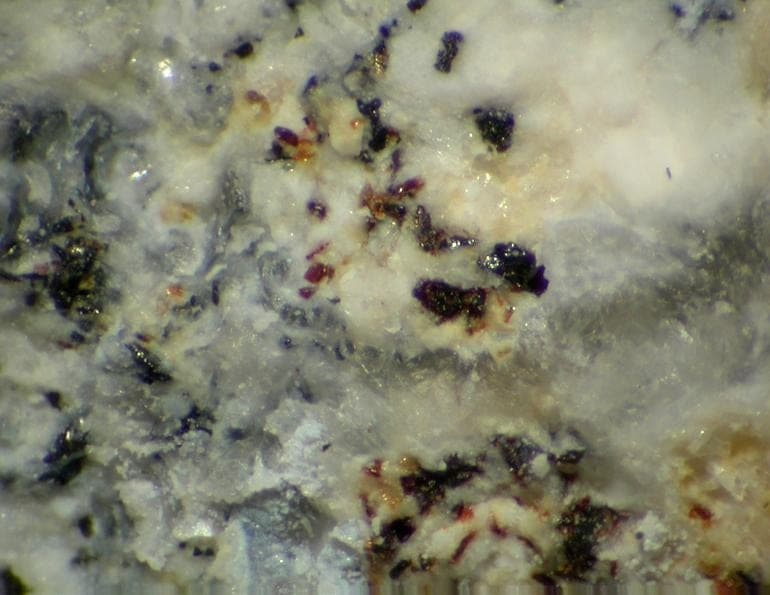
How to tell apart: Streak differs, so Srebrodolskite leaves grayish brown, Brownmillerite leaves light brown; luster reads adamantine, metallic in aggregates on Srebrodolskite and submetallic on Brownmillerite.
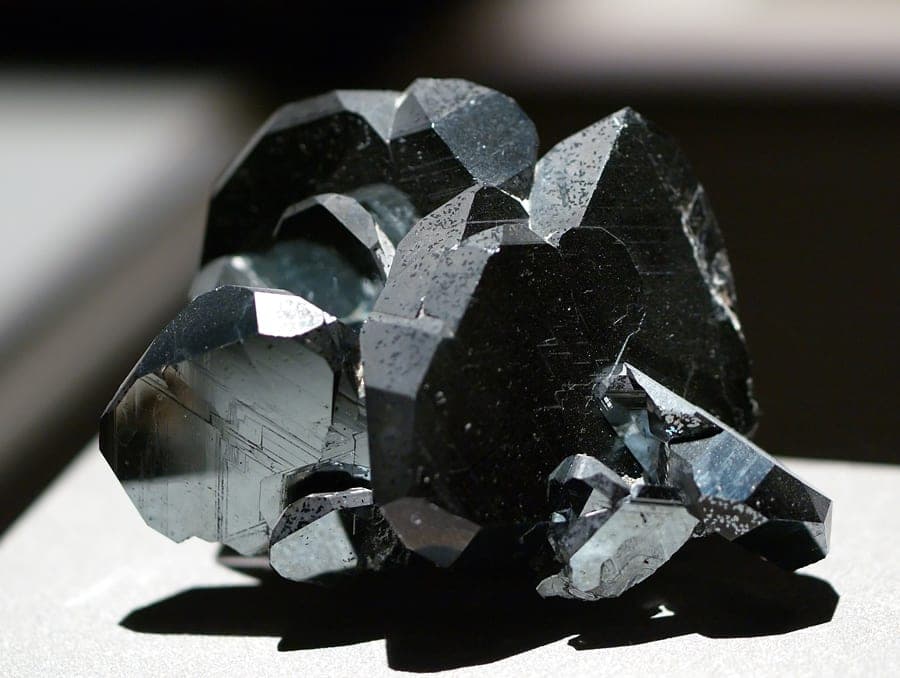
How to tell apart: Streak differs, so Srebrodolskite leaves grayish brown, Hematite leaves cherry-red or reddish brown; luster reads adamantine, metallic in aggregates on Srebrodolskite and metallic or submetallic to dull on Hematite.
Often found alongside srebrodolskite
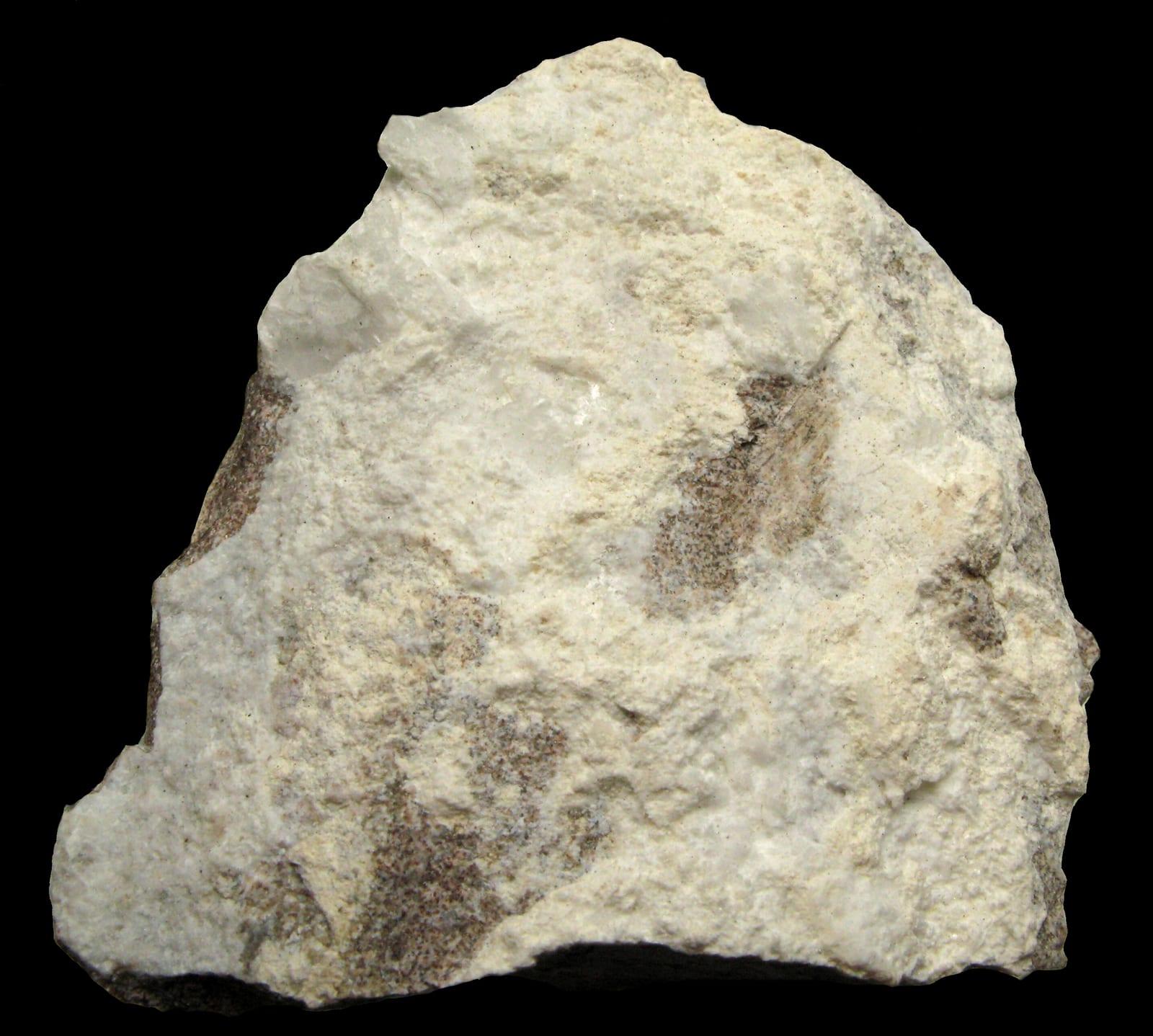
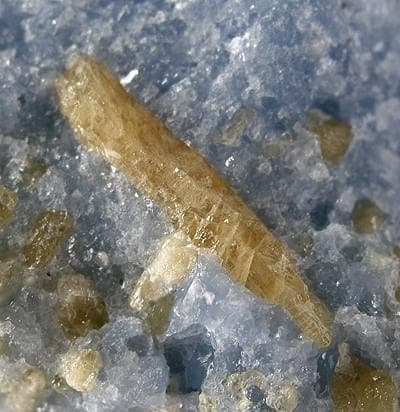
Minerals reported to co-occur with srebrodolskite. Spotting these in float or country rock is a strong cue you are in the right ground.
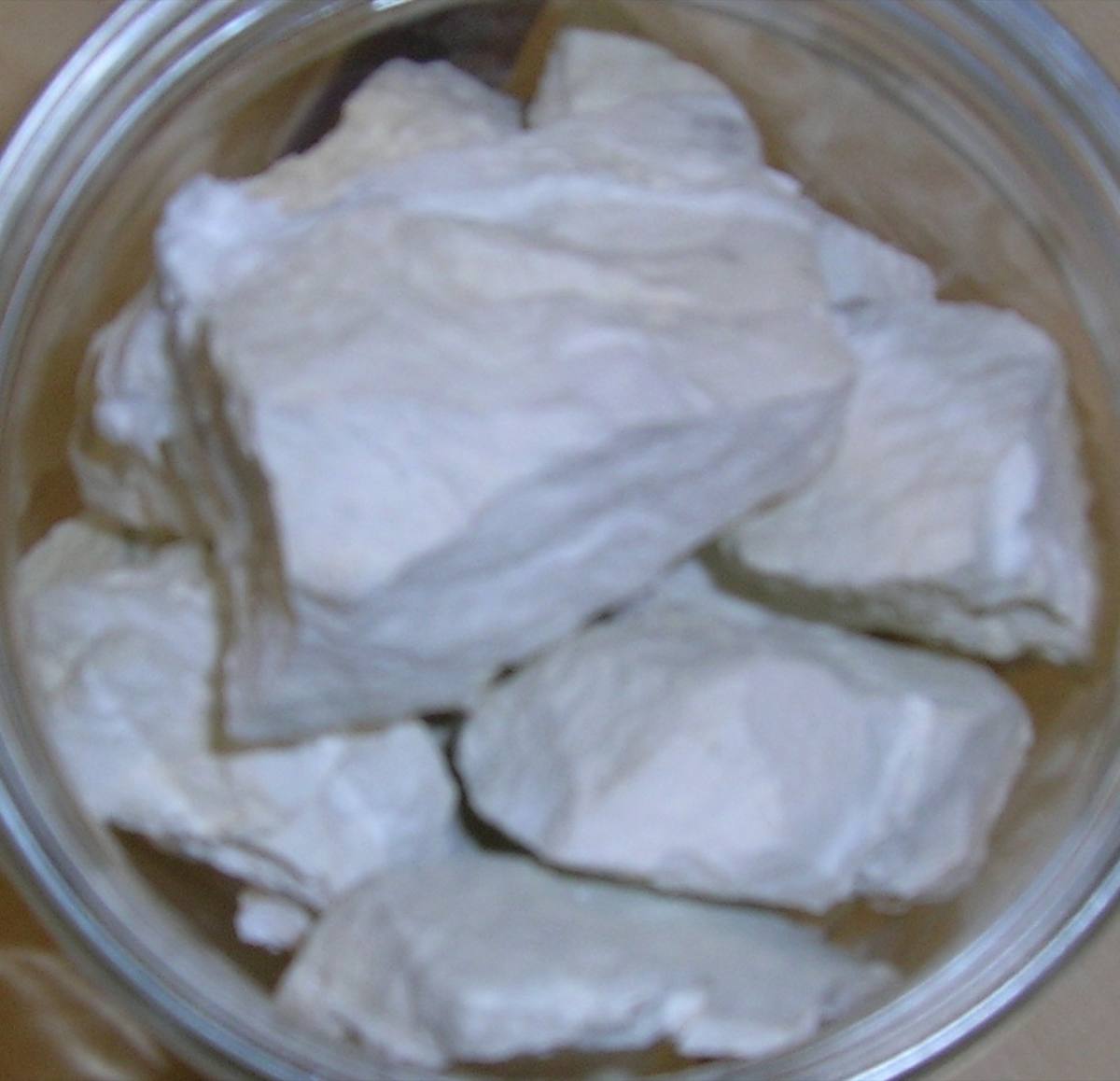
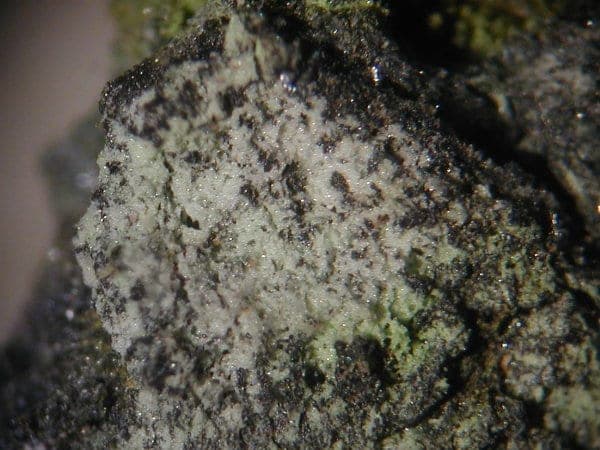
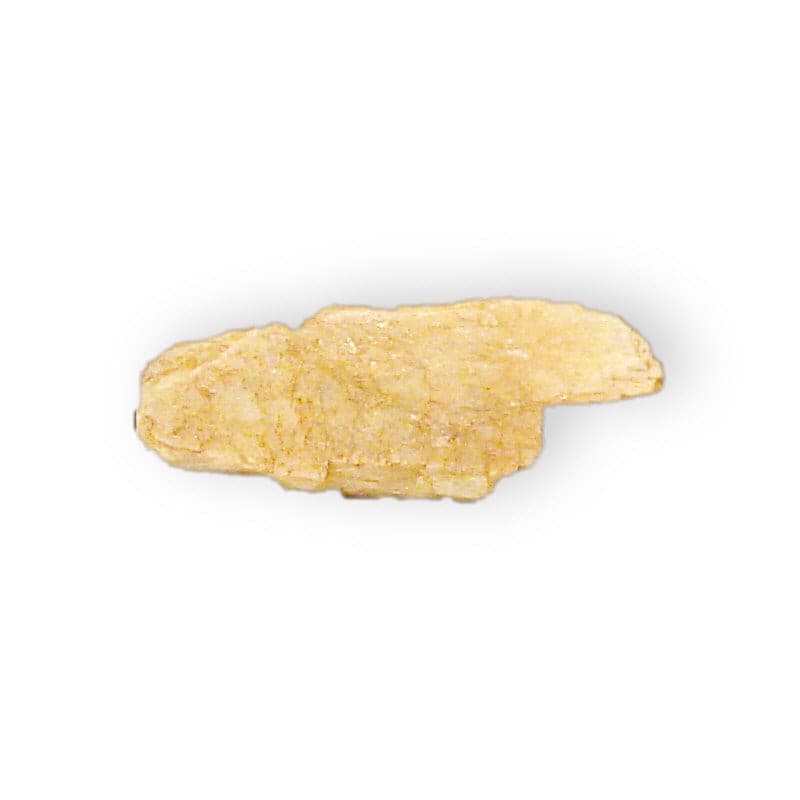
All properties
- Chemical formula
- Ca₂Fe₂O₅
- Mohs hardness
- 5.5
- Density
- 4.04 g/cm³
- Streak
- Grayish brown
- Luster
- Adamantine, metallic in aggregates
- Transparency
- Opaque, transparent in thin slivers
- Crystal system
- Orthorhombic
- Crystal habit
- Granular to prismatic crystals
- Cleavage
- {h0l}, distinct
- Rarity
- Rare
- Uses
- Collector
- Host rock
- Formed from calcined ankerite in petrified wood baked by burning coal heaps (Kopeysk, Russia); in leucite tephrite lava at contacts between lava and calcium-rich xenoliths (Bellerberg volcano, Germany)
Where rockhounds find srebrodolskite
Classic worldwide localities
- Mines around Kopeysk, Chelyabinsk coal basin, Southern Ural Mountains, Russia
- Bellerberg volcano, two km north of Mayen, Eifel district, Germany
Field-hunting tip
Where it forms: Formed from calcined ankerite in petrified wood baked by burning coal heaps (Kopeysk, Russia); in leucite tephrite lava at contacts between lava and calcium-rich xenoliths (Bellerberg volcano, Germany). If you start seeing portlandite, fluorellestadite, lime in float, you are in the right ground. Typical habit: granular to prismatic crystals. Train your eye for that shape before scanning the outcrop.
Common questions
How do you identify srebrodolskite?+
Where is srebrodolskite found?+
What rocks look like srebrodolskite?+
What minerals are found with srebrodolskite?+
What kind of rock does srebrodolskite form in?+
What is srebrodolskite used for?+
Find srebrodolskite on the map
RockHoundR shows mapped rockhounding spots, access rules, and lets you log every find.