Jade vs Serpentine: how to tell them apart
Quick answer
Serpentine is often sold as imitation jade under names like new jade. True jade (jadeite or nephrite) is harder, denser, and far tougher, while most serpentine is softer (Mohs 2.5 to 4) and scratches more easily. Test hardness on a hidden edge and compare the weight, since jade feels denser in the hand.
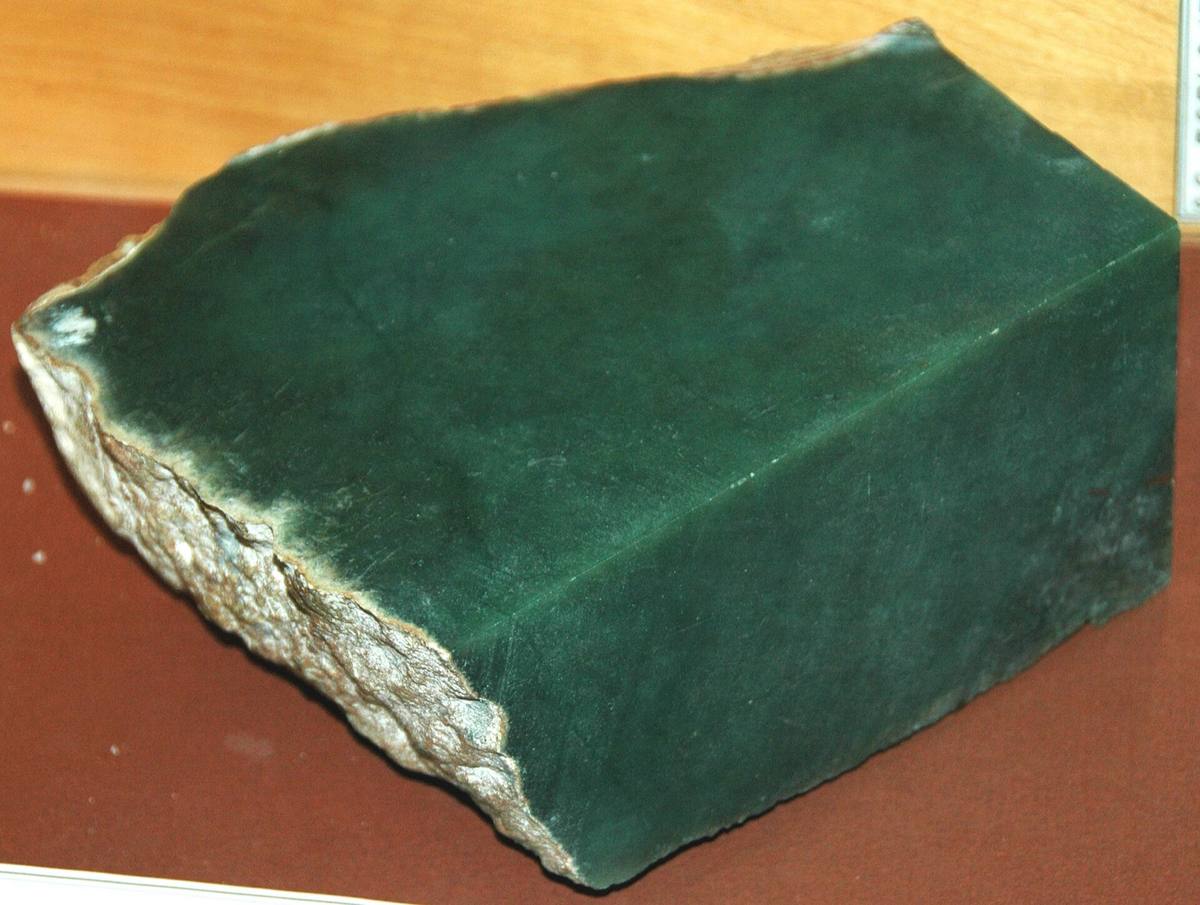
Jade
Full jade guide →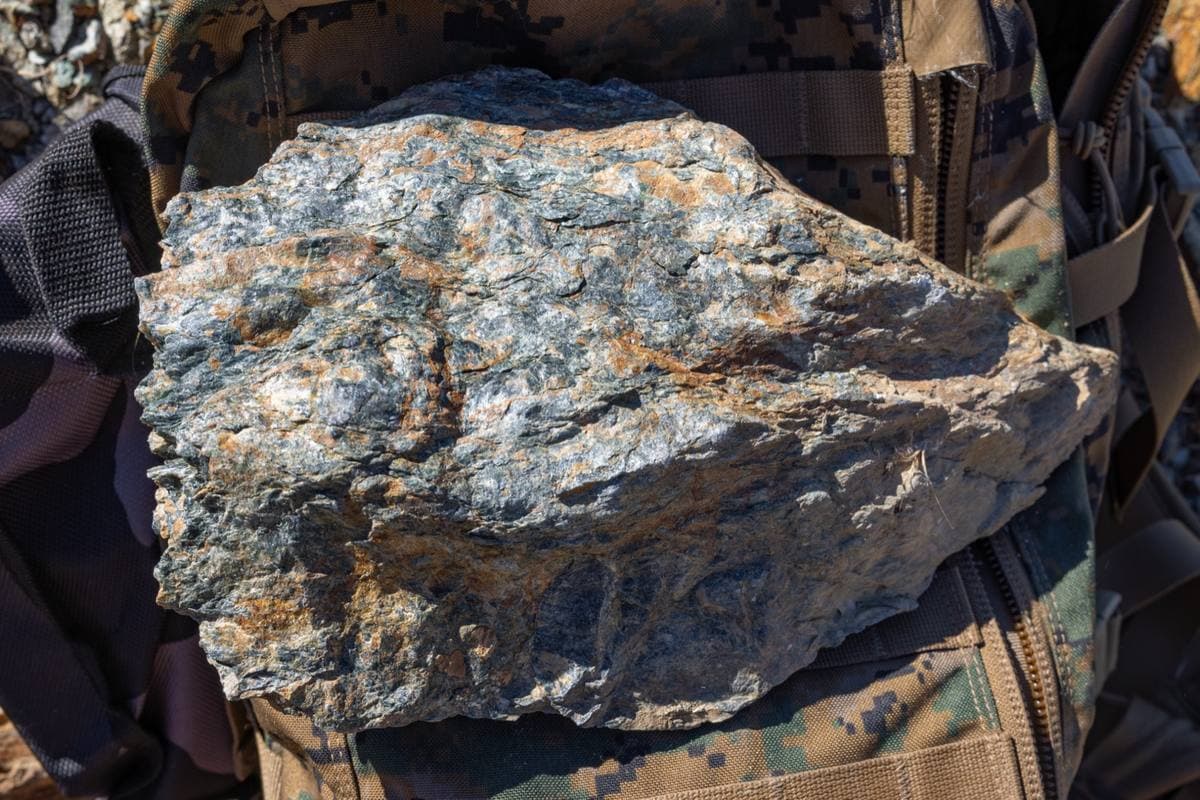
Serpentine
Full serpentine guide →Serpentine is the classic jade imitation, sold under names like new jade, Korean jade, and Suzhou jade. Both can be green, greasy-lustered, and translucent, which is why carvers and tourists confuse them. True jade is either jadeite or nephrite, prized for a toughness that resists chipping. Most serpentine is softer and breaks more easily, though the bowenite variety is harder and trickier. Hardness, density, and how the stone resists scratching usually tell the story.
What is the difference between Jade and Serpentine?
Hardness
- Jade
- Jadeite Mohs 6.5 to 7, nephrite 6 to 6.5. Resists a knife.
- Serpentine
- Commonly Mohs 2.5 to 4 (bowenite up to about 5.5).
Toughness
- Jade
- Exceptionally tough; resists chipping and cracking.
- Serpentine
- More easily chipped and fractured.
Density
- Jade
- Heavier in the hand; jadeite is notably dense.
- Serpentine
- Lighter than jadeite for the same size.
Surface feel
- Jade
- Hard, cool, glassy to greasy polish.
- Serpentine
- Softer, warmer, more soapy or waxy feel.
Jade vs Serpentine: properties compared
Highlighted rows are where Jade and Serpentine differ. The badge marks the most reliable at-a-glance separator. Property data from the RockHoundR mineral database.
| Property | Jade | Serpentine |
|---|---|---|
| Type | Mineral | Mineral |
| Mohs hardness(differs)Best field test | 6-7 | 2.5-5.5 |
| Streak(differs) | Colorless | White |
| Transparency | Translucent | Translucent |
| Luster(differs) | Waxy to Greasy | Greasy |
| Cleavage | None | None |
| Crystal system | Monoclinic | Monoclinic |
| Crystal habit(differs) | Massive, Fibrous, Interlocking Granular Aggregates | Massive |
| Chemical formula(differs) | Ca₂(Mg, Fe)₅Si₈O₂₂ (OH)₂ | Mg₃Si₂O₅(OH)₄ |
Why are Jade and Serpentine confused?
Both take a smooth, slightly waxy polish, both come in mottled greens, and both are carved into the same beads, pendants, and figurines. Serpentine is deliberately marketed with jade-sounding names, so the confusion is often by design rather than by accident.
How to tell Jade from Serpentine
Ordered from the most reliable field test to the least. Start at the top.
- 1
Scratch test on an inconspicuous spot
ReliableTry a hardened steel point or a knife on a hidden edge. Most serpentine at Mohs 2.5 to 4 scratches; true jade resists. Be cautious: the bowenite serpentine variety reaches about Mohs 5.5 and can pass a casual knife test, so confirm with density.
- 2
Heft for density
UsefulCompare the weight against a known piece. Jadeite in particular feels dense for its size, heavier than serpentine. On carved pieces this is a useful supporting clue alongside hardness.
- 3
Tap test for toughness
SupportingGenuine jade rings with a clear note and resists chipping at thin edges, while serpentine sounds duller and chips more readily. This is suggestive only and should never be done on a valuable carving.
Jade or Serpentine: which is more valuable?
Jadeite is the most valuable of the three, with top imperial green commanding extraordinary prices, followed by fine nephrite. Serpentine is inexpensive and is legitimately attractive on its own, but it should never be sold as jade. Names like new jade or Korean jade almost always mean serpentine.
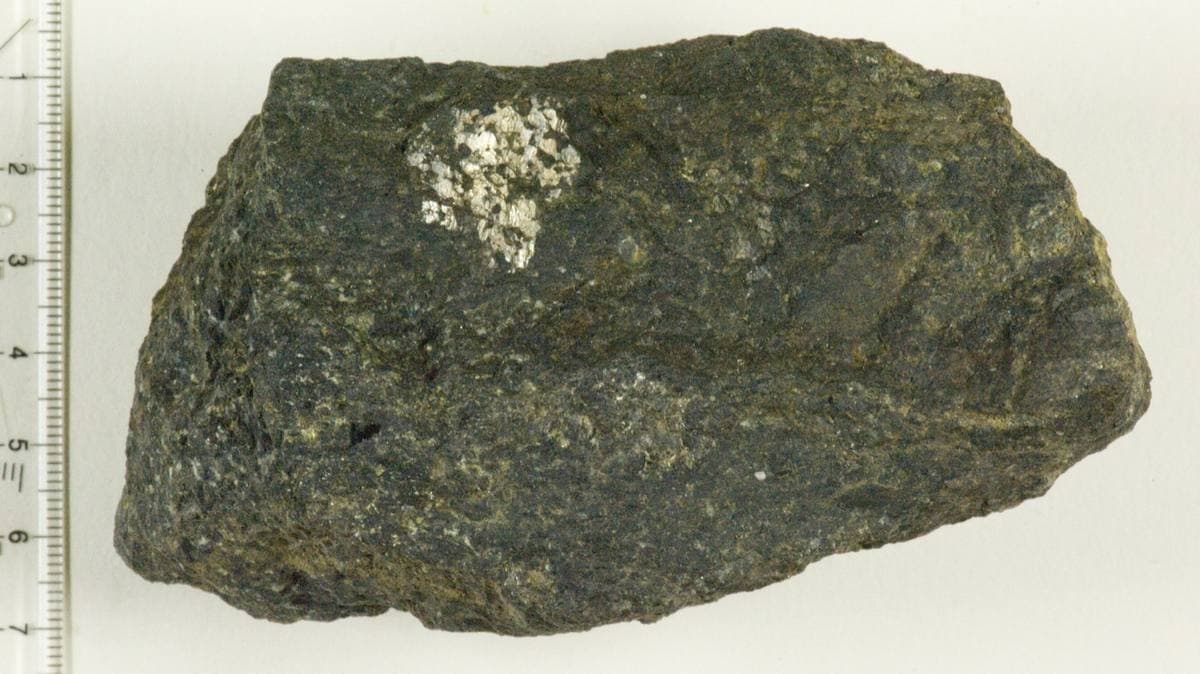
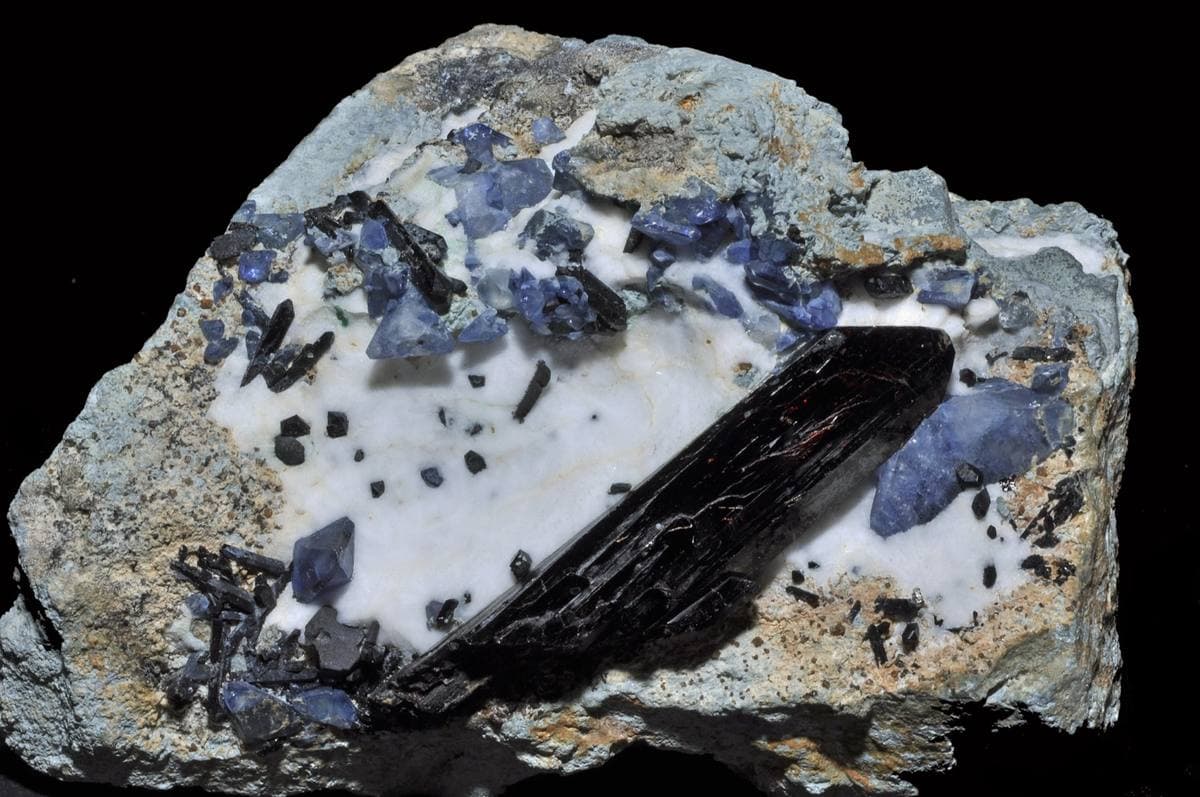
Jade and Serpentine photos
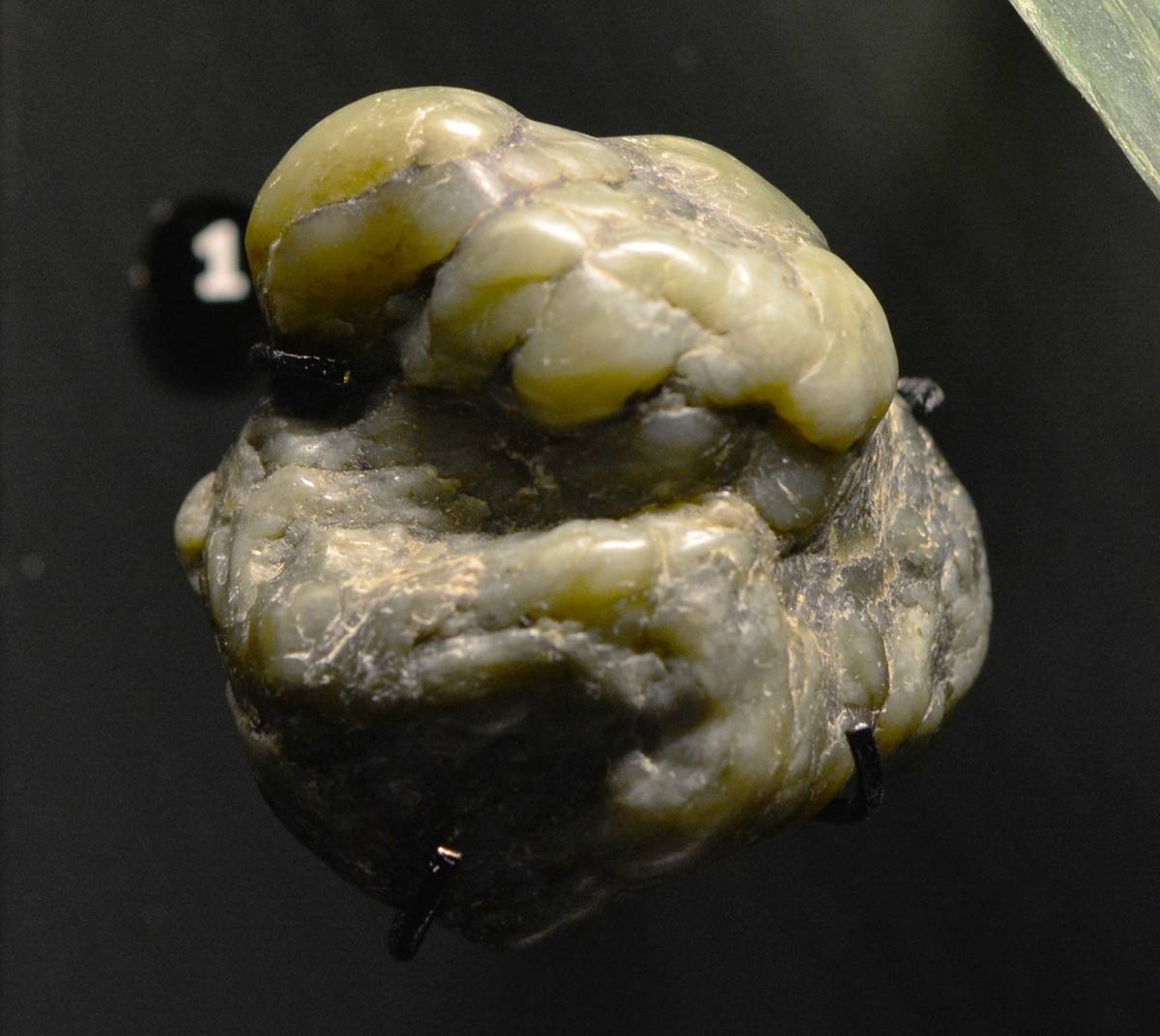
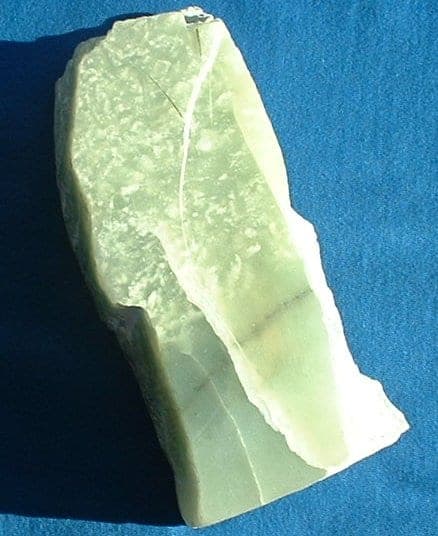
Where to find each
Bottom line
If a knife or hard point scratches it easily and it feels light, it is most likely serpentine. Real hardness, heavy density, and stubborn toughness point to jade. Watch for the harder bowenite serpentine and lean on density when hardness is ambiguous.
Common questions
Is serpentine the same as jade?+
How can I tell real jade from serpentine?+
What is new jade?+
Are jadeite and nephrite both real jade?+
Identify your find in the field
RockHoundR maps rockhounding spots, shows land access, and lets you log and label every find so you stop second-guessing look-alikes.