Serpentine is a group of minerals characterized by a waxy or greasy luster and a soapy feel. It is commonly found in shades of mottled green, often occurring as a massive rock mass rather than distinct, visible crystals.
Spotting serpentine in the field
Field marks- 1
Green to yellow-green, often mottled or veined, with a distinctly greasy or waxy feel
- 2
Soft at 3 to 5, so a knife marks it easily
- 3
Frequently has a slippery, soapy surface texture
The greasy feel is the identification and it is why the name comes from snakeskin. Serpentine forms where ultramafic mantle rock is hydrated, so it marks old ocean-floor and subduction terrain, and in California it is the state rock and shows up along the whole Coast Range. It is also the parent rock for nephrite jade, chrysoprase and several other things worth finding, so serpentine country is good country. Read the warning before you cut any.
Before you collect
Some serpentinite contains chrysotile asbestos. Never cut, grind or sand serpentine dry. Work wet with a respirator, and if a piece shows fine silky fibers, leave it or handle it as asbestos-bearing. This is a real, documented hazard, not a theoretical one.
Straight answers
- Is it worth cutting?
- Easy to carve, which is why it has been a carving stone for millennia. Soft enough that it scratches in use, so it suits carvings and display pieces more than rings.
- What is it really worth?
- Inexpensive. Its main significance is as an indicator rock and as a carving material.
- Can you legally keep it?
- Widespread and freely collectible on public land under ordinary rules.
Often confused with
Serpentine vs. its common look-alikes, and how to tell them apart in the field.
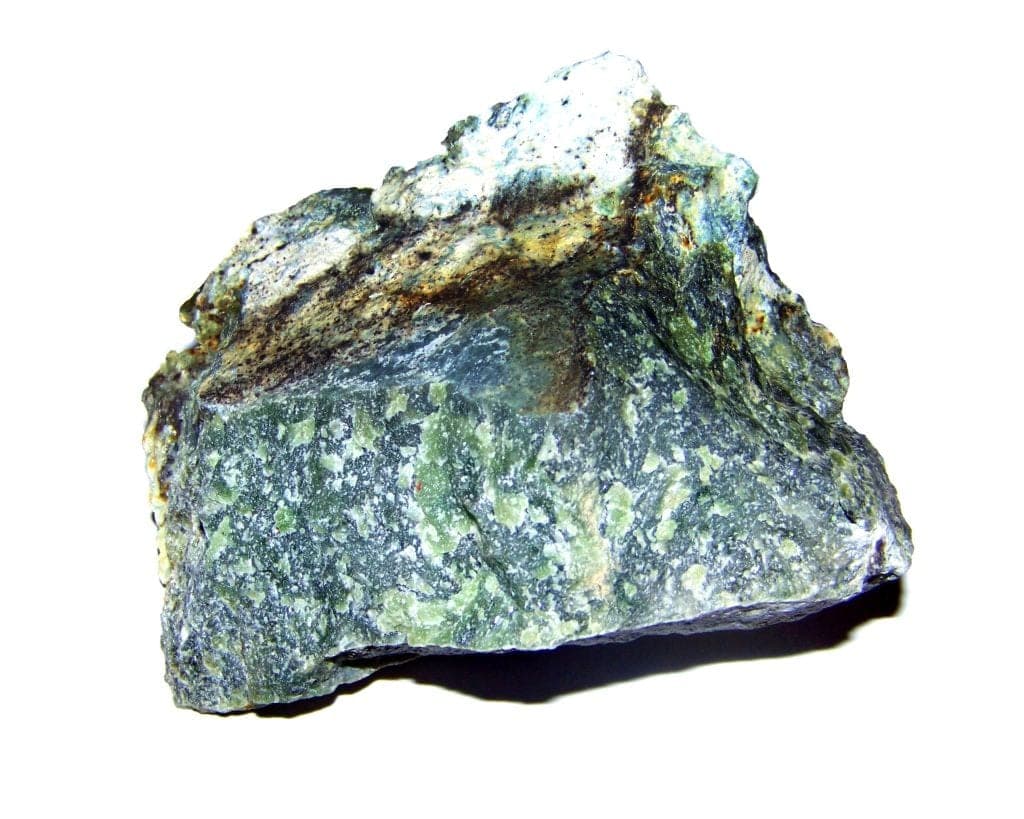
How to tell apart: Nephrite is dramatically tougher and harder at 6 to 6.5. Serpentine is soft and greasy. The two occur together and are confused constantly, with serpentine sold as new jade or Korean jade.
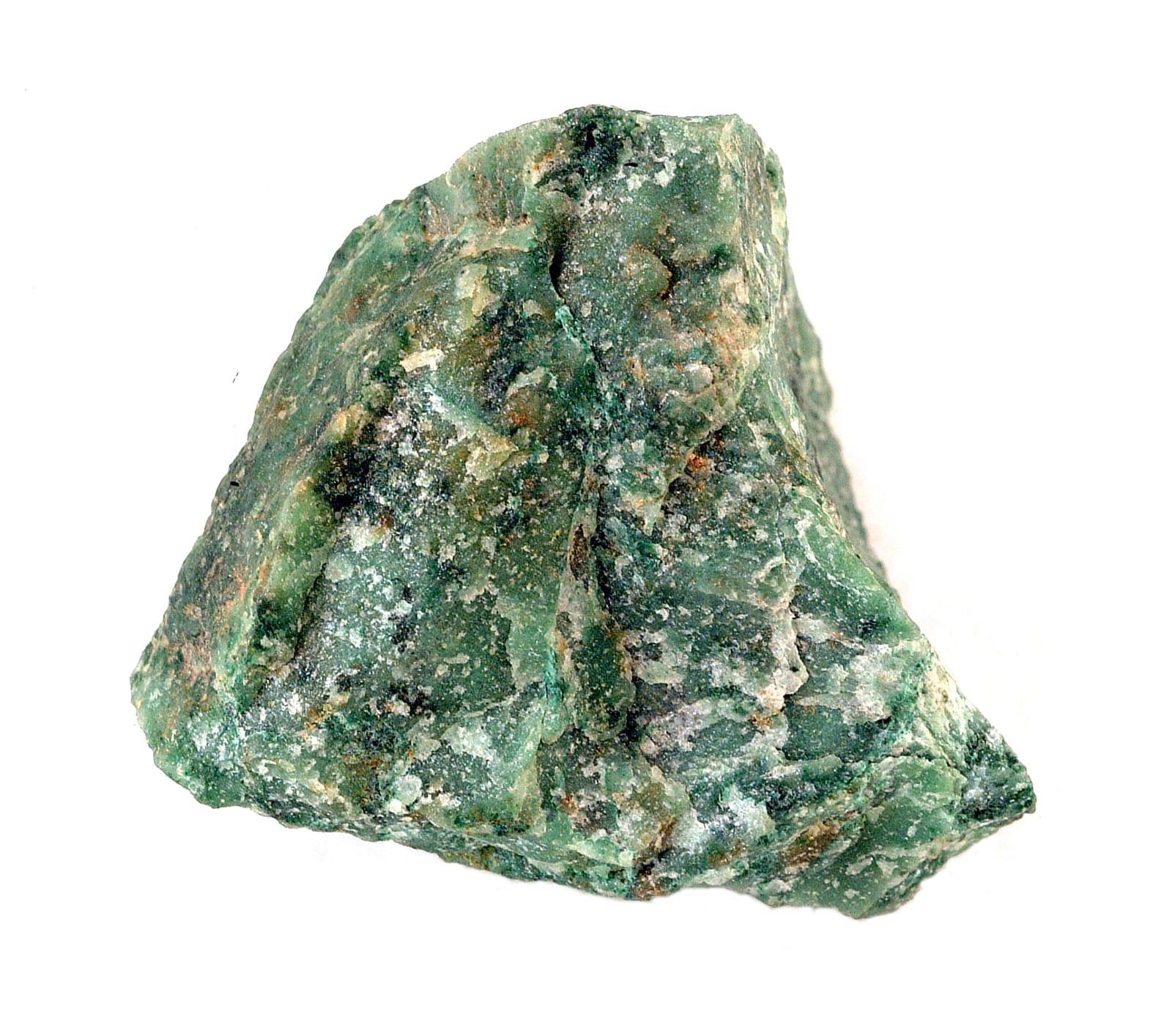
How to tell apart: Jadeite is harder and denser. Serpentine will not resist a steel point.
Often found alongside serpentine
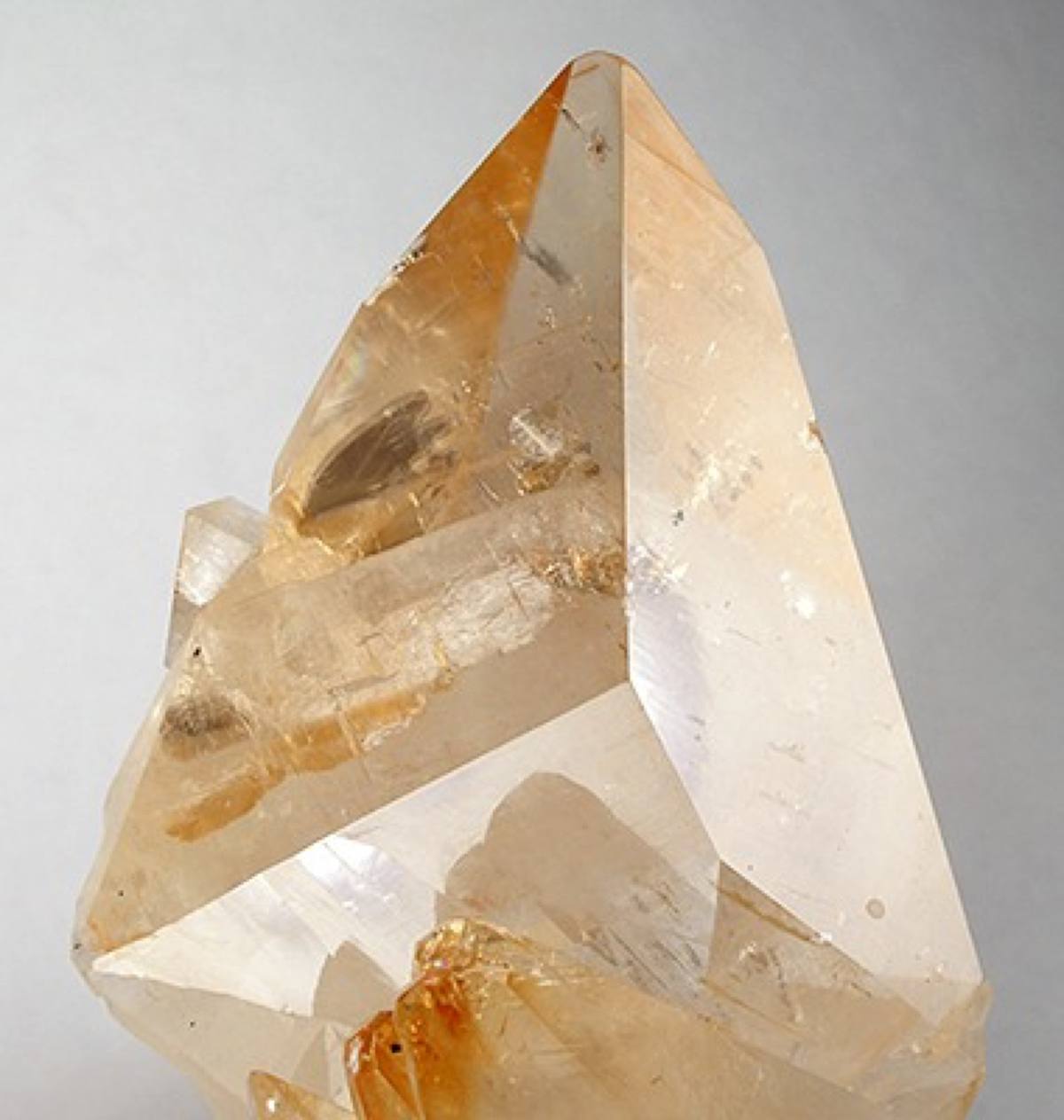
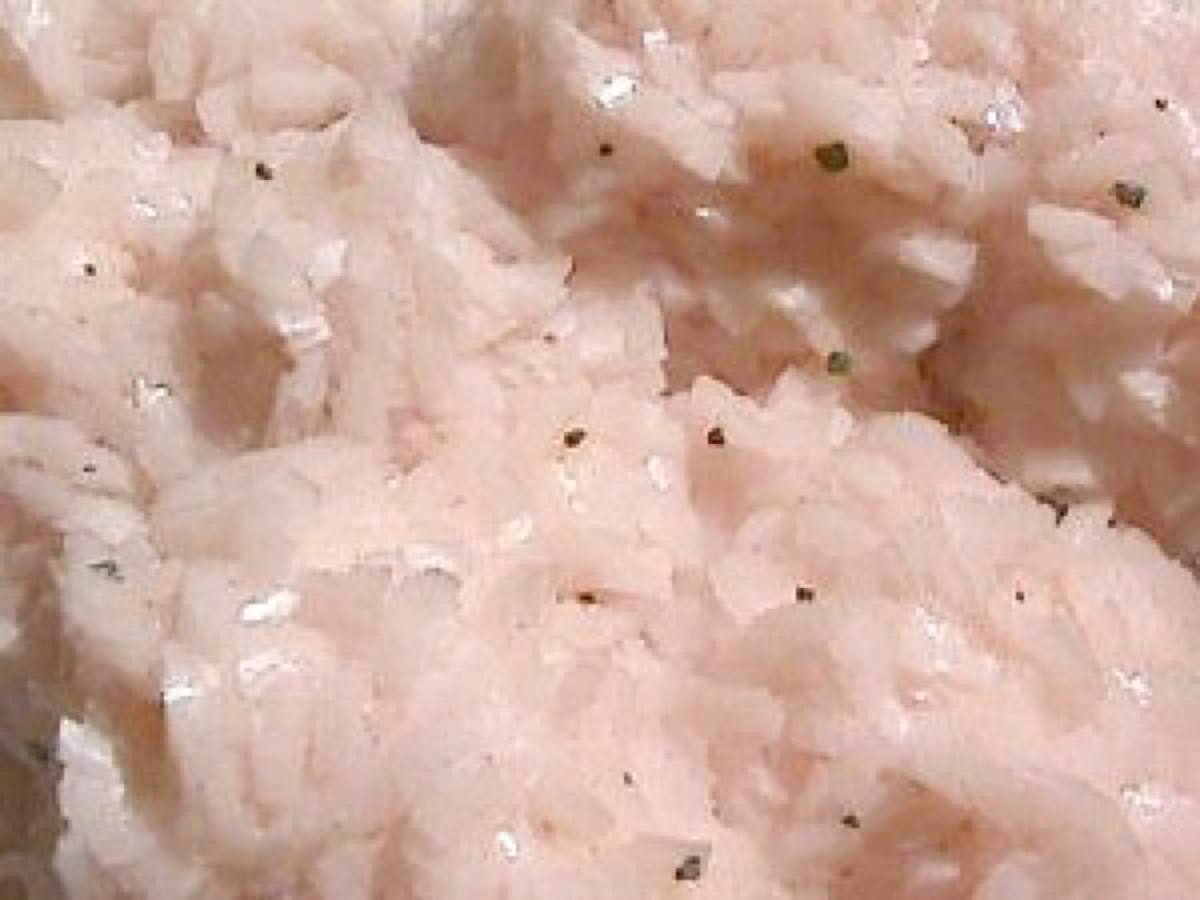
Minerals reported to co-occur with serpentine. Spotting these in float or country rock is a strong cue you are in the right ground.
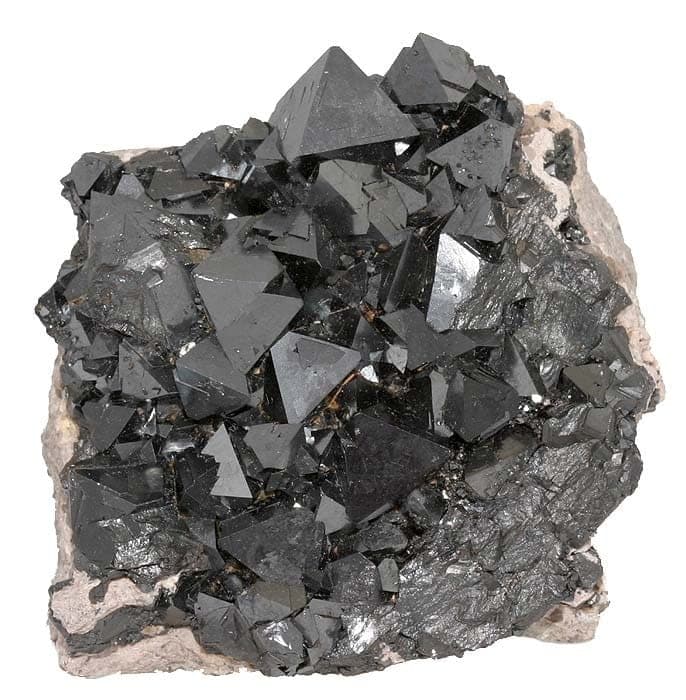
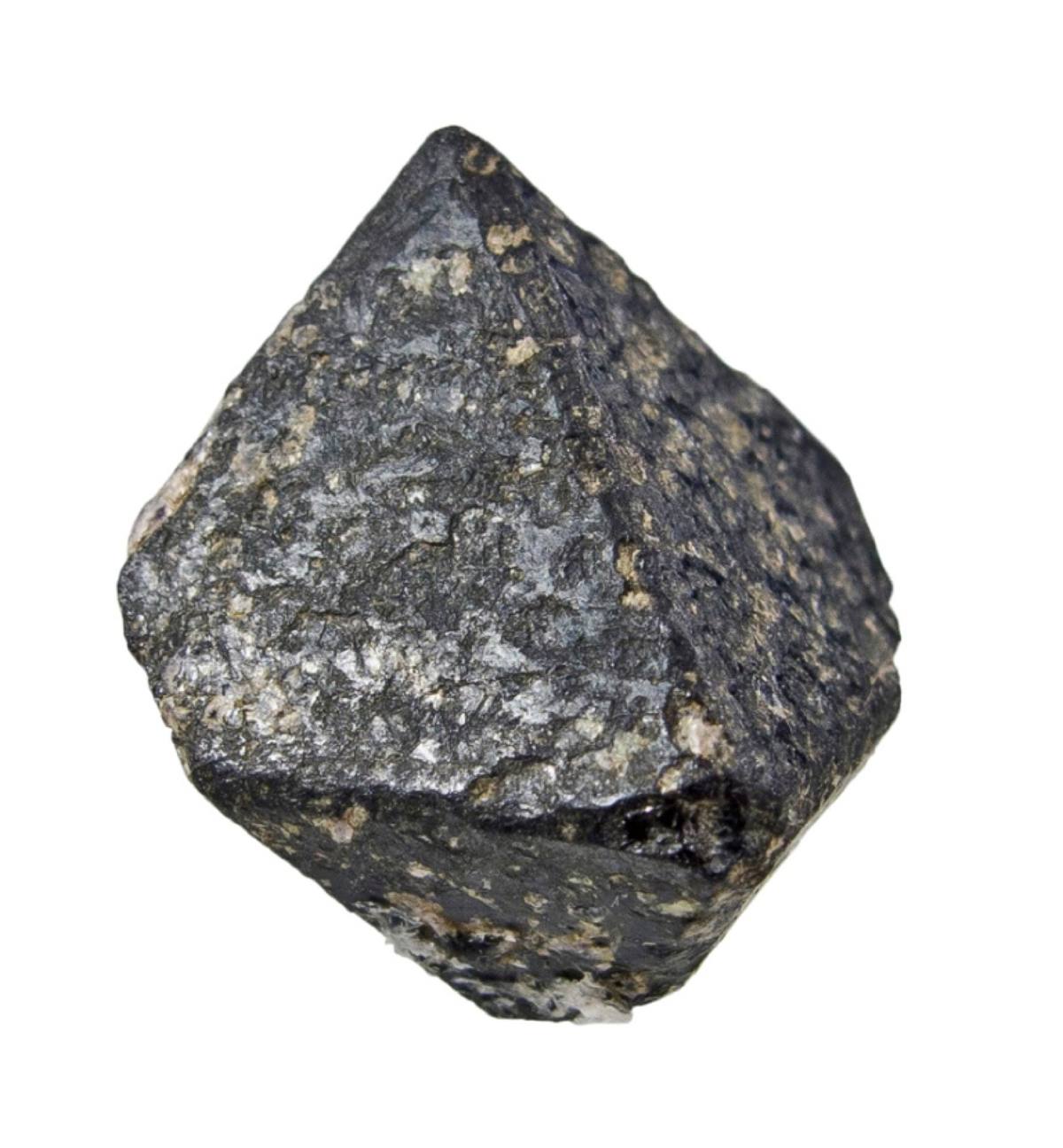
All properties
- Chemical formula
- Mg₃Si₂O₅(OH)₄
- Mohs hardness
- 2.5-5.5
- Density
- 2.5-2.7 g/cm³
- Streak
- White
- Luster
- Greasy
- Transparency
- Translucent
- Crystal system
- Monoclinic
- Crystal habit
- Massive
- Cleavage
- None
- Rarity
- Common
- Uses
- Lapidary, Decorative, Ornamental
- Host rock
- ultramafic rocks
Where rockhounds find serpentine
51 mapped spotsClassic worldwide localities
- Italy
- USA
- Canada
- Russia
- China
U.S. states with serpentine
Each link opens a state-specific list of mapped rockhounding spots that produce serpentine.
Field-hunting tip
Where it forms: ultramafic rocks. If you start seeing magnetite, chromite, calcite in float, you are in the right ground. Typical habit: massive. Train your eye for that shape before scanning the outcrop. In the U.S., the densest reported localities are in Maryland, California, New Jersey. Start trip planning there.
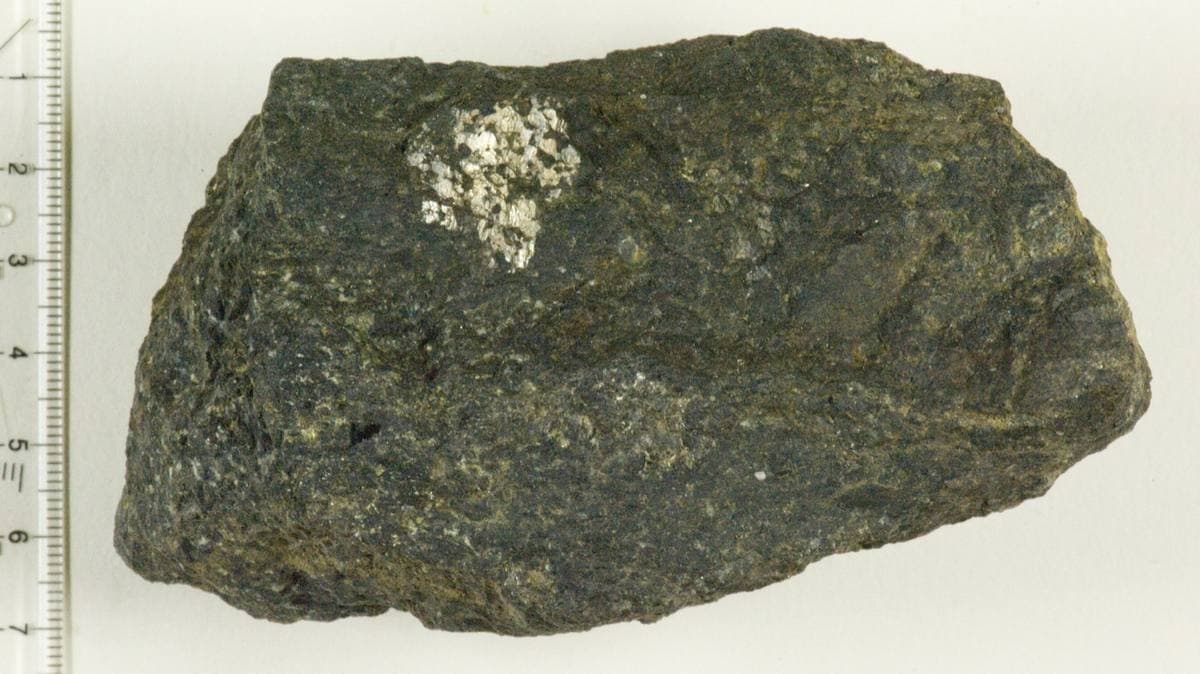
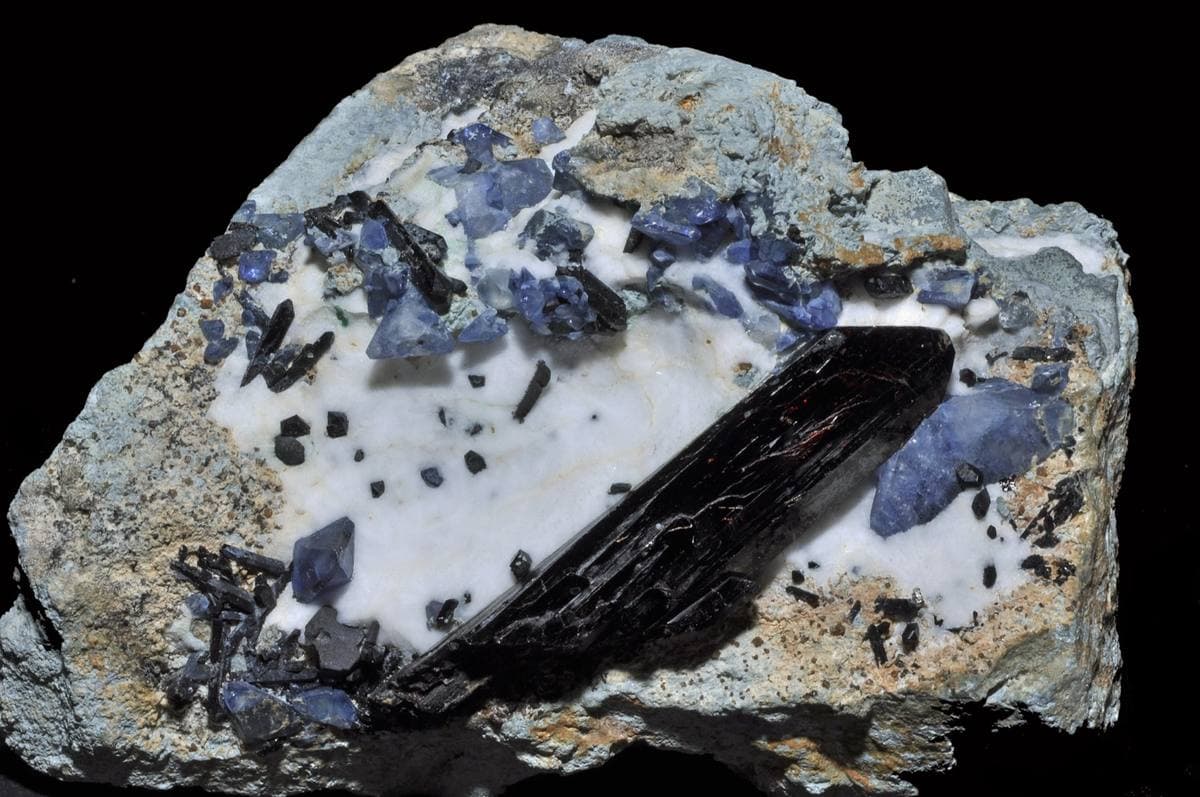
More serpentine photos
Common questions
How do you identify serpentine?+
Where is serpentine found?+
Can I find serpentine in the United States?+
Is serpentine safe to handle?+
What rocks look like serpentine?+
What minerals are found with serpentine?+
What kind of rock does serpentine form in?+
What is serpentine used for?+
Find serpentine on the map
RockHoundR shows mapped rockhounding spots, access rules, and lets you log every find.