Agatized coral is a fossilized coral where the original structure has been replaced by microcrystalline quartz through mineral-rich groundwater infiltration. Collectors look for well-defined, intricate coral polyp patterns preserved within a colorful, polished matrix.
Spotting agatized coral in the field
Field marks- 1
Radiating flower-like patterns in cross-section, each a former coral polyp
- 2
Replaced by chalcedony, so it is hard, translucent on thin edges, and polishes well
- 3
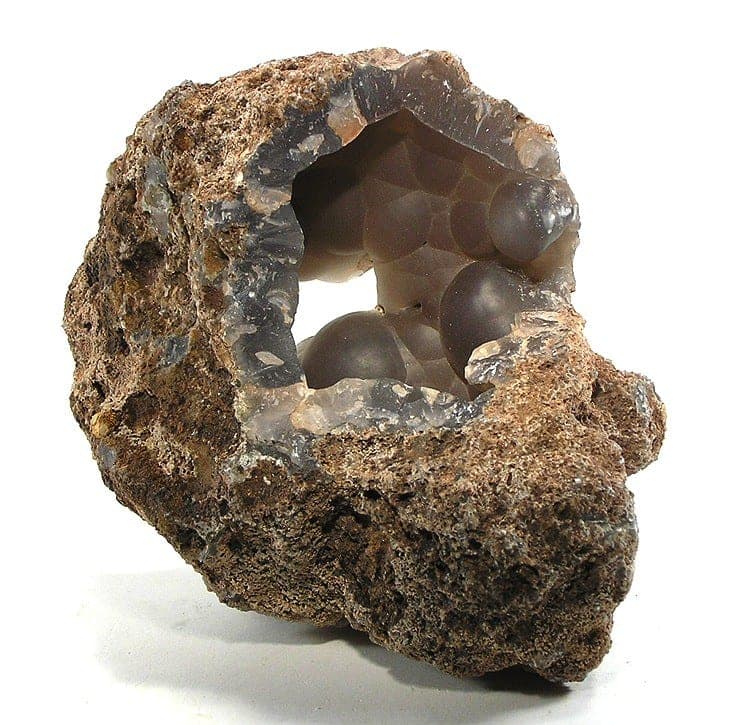
Often occurs as heads or nodules with a druzy quartz center
Florida's state stone, formed when silica replaced Oligocene and Miocene coral heads. The polyp structure survives replacement, so a cut face shows a field of small radiating flowers, and that is the identification. It turns up in river gravels and limestone country in central and north Florida, notably the Withlacoochee and Suwannee drainages and around Tampa Bay. Many pieces have hollow centers lined with small quartz crystals, which is a bonus rather than a defect.
Straight answers
- Is it worth cutting?
- Excellent cab material at hardness 7. Cut across the coral heads to show the flower pattern, and design around druzy pockets rather than grinding them off.
- What is it really worth?
- Modest to moderate. Sharp, well-defined flower patterns with good color contrast, and pieces with attractive druzy centers, carry the value.
- Can you legally keep it?
- Florida requires no permit for invertebrate fossils, which includes agatized coral, but a state fossil permit is required for vertebrate fossils from state land and waters. Much of the productive river frontage is private.
Where it is worth going
- Withlacoochee and Suwannee riversNorth central Florida
River gravel and limestone exposures. Access is largely through public landings and private permission.
Often confused with
Agatized Coral vs. its common look-alikes, and how to tell them apart in the field.
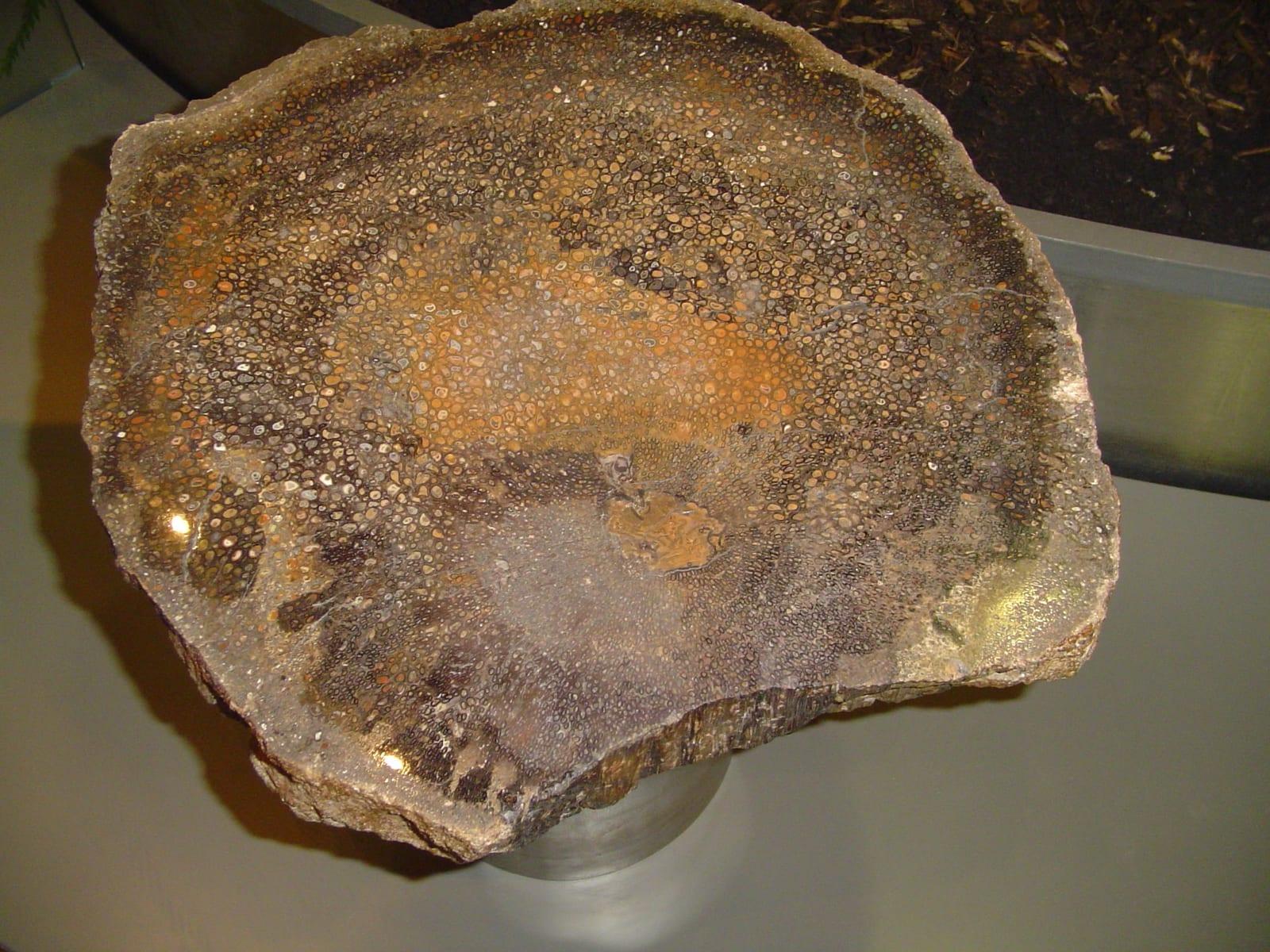
How to tell apart: Palm shows scattered solid rods. Coral shows radiating septa inside defined circular corallites.
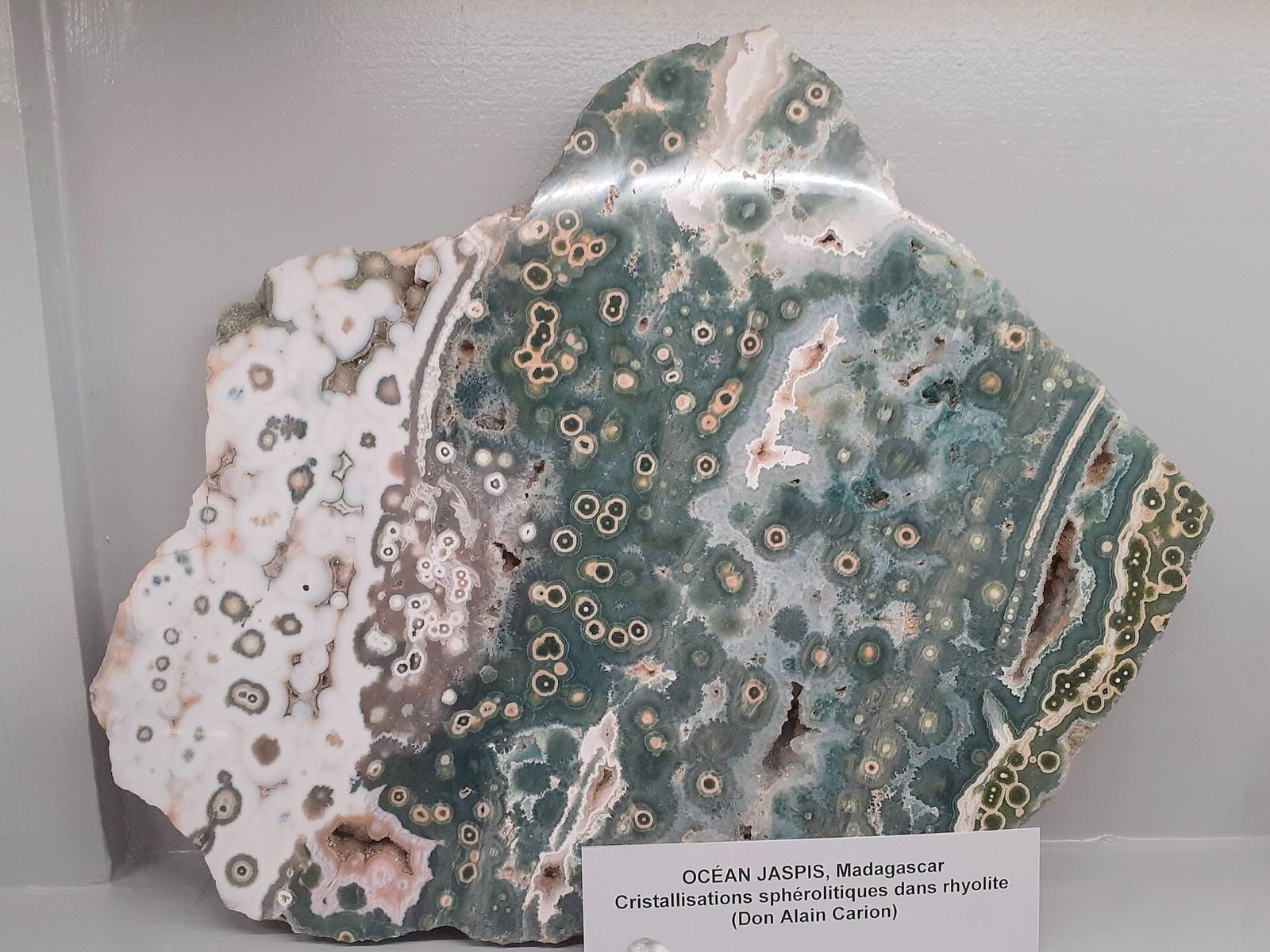
How to tell apart: Jasper orbs are concentric and opaque. Coral corallites have internal radiating walls and the material is translucent on edges.
Often found alongside agatized coral
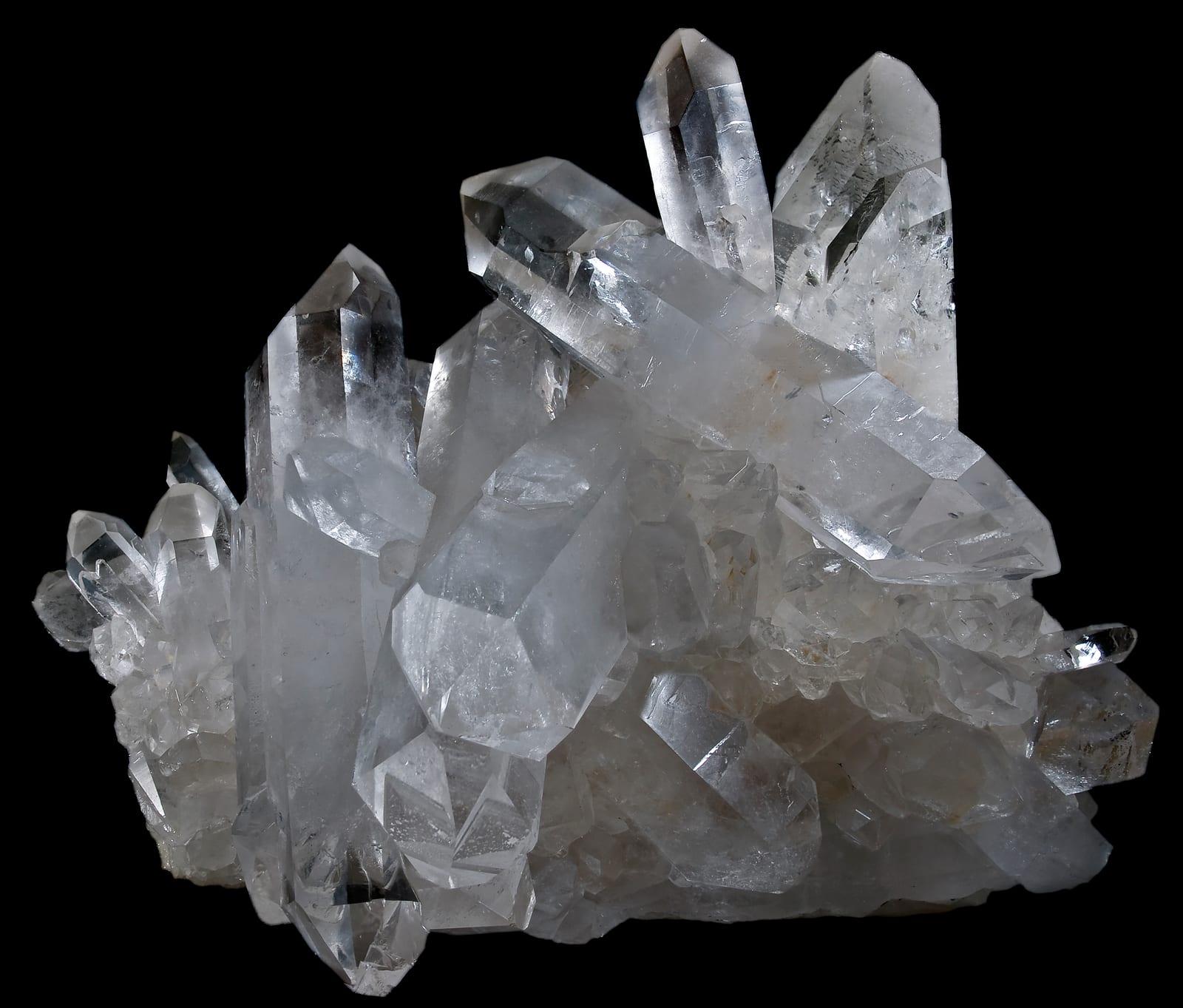
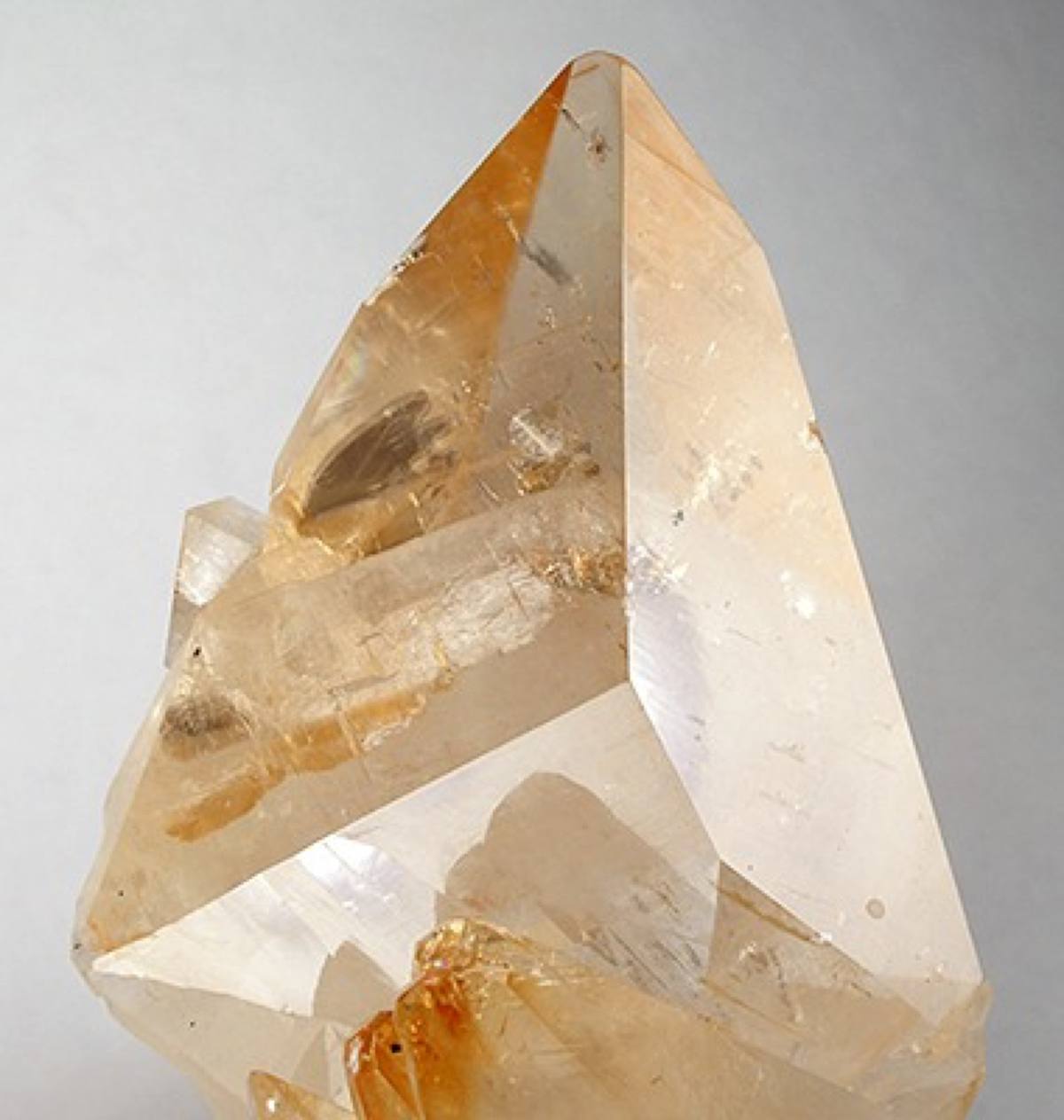
Minerals reported to co-occur with agatized coral. Spotting these in float or country rock is a strong cue you are in the right ground.
All properties
- Mohs hardness
- 6.5-7
- Density
- 2.6 g/cm³
- Luster
- Waxy
- Transparency
- Translucent
- Rarity
- Common
- Uses
- Lapidary, Collector, Jewelry
- Host rock
- sedimentary environments
- Organism
- Corals (class Anthozoa)
- Preservation
- Agatized (replaced by silica)
Where rockhounds find agatized coral
12 mapped spotsClassic worldwide localities
- Florida, USA
- Georgia, USA
- Indonesia
- Thailand
- Utah, USA
Field-hunting tip
Where it forms: sedimentary environments. If you start seeing quartz, calcite, chalcedony in float, you are in the right ground. In the U.S., the densest reported localities are in Florida, Tennessee, Georgia. Start trip planning there.
More agatized coral photos
Common questions
How do you identify agatized coral?+
Where is agatized coral found?+
Can I find agatized coral in the United States?+
What rocks look like agatized coral?+
What minerals are found with agatized coral?+
What kind of rock does agatized coral form in?+
What is agatized coral used for?+
Find agatized coral on the map
RockHoundR shows mapped rockhounding spots, access rules, and lets you log every find.