Agatized dinosaur bone is a fossilized material where cellular structure has been replaced by chalcedony or microcrystalline quartz. Collectors prize specimens that exhibit distinct bone cell patterns, often displayed through cabochon cutting or polished slabs that reveal intricate vascular structures.
Spotting agatized dinosaur bone in the field
Field marks- 1
Cell structure preserved as a honeycomb or web pattern, filled with colored agate
- 2
The cell walls form a visible network, which no ordinary agate or jasper does
- 3
Heavy, hard, and takes a high polish where the fill is chalcedony
Gembone, as cutters call it, is dinosaur bone where the marrow cavities were filled with agate, and the cell structure is completely diagnostic: no other material has that regular honeycomb web. Colors run red, yellow, black, brown and rarely blue. It occurs in Jurassic and Cretaceous exposures across the Colorado Plateau. Before you pick any up, read the warning below carefully, because this is the single most legally dangerous material in American rockhounding.
Before you collect
This is the trap that catches well-meaning rockhounds. Picking up agatized dinosaur bone on BLM land is a federal offense, even though the same BLM land allows you to collect petrified wood, agate and common invertebrate fossils. The material is beautiful, it lies loose on the surface, and it is illegal to take. Know whose land you are standing on, and if you cannot establish that it is private with permission, leave it.
Straight answers
- Is it worth cutting?
- Superb cab material where the fill is solid agate. Cut across the cell structure for the strongest pattern, and check for soft chalky zones that will undercut.
- What is it really worth?
- High for well-colored, solid, uncracked material, and it is sold by the pound at prices well above most agate. Blue and red gembone commands the most.
- Can you legally keep it?
- Dinosaur bone is a vertebrate fossil. Under the Paleontological Resources Preservation Act, collecting vertebrate fossils on federal land requires a permit issued to qualified researchers, and casual collecting is prohibited. Legal gembone comes from private land with the owner's permission, and the good commercial material comes from ranches in Utah and Colorado.
Often confused with
Agatized Dinosaur Bone vs. its common look-alikes, and how to tell them apart in the field.
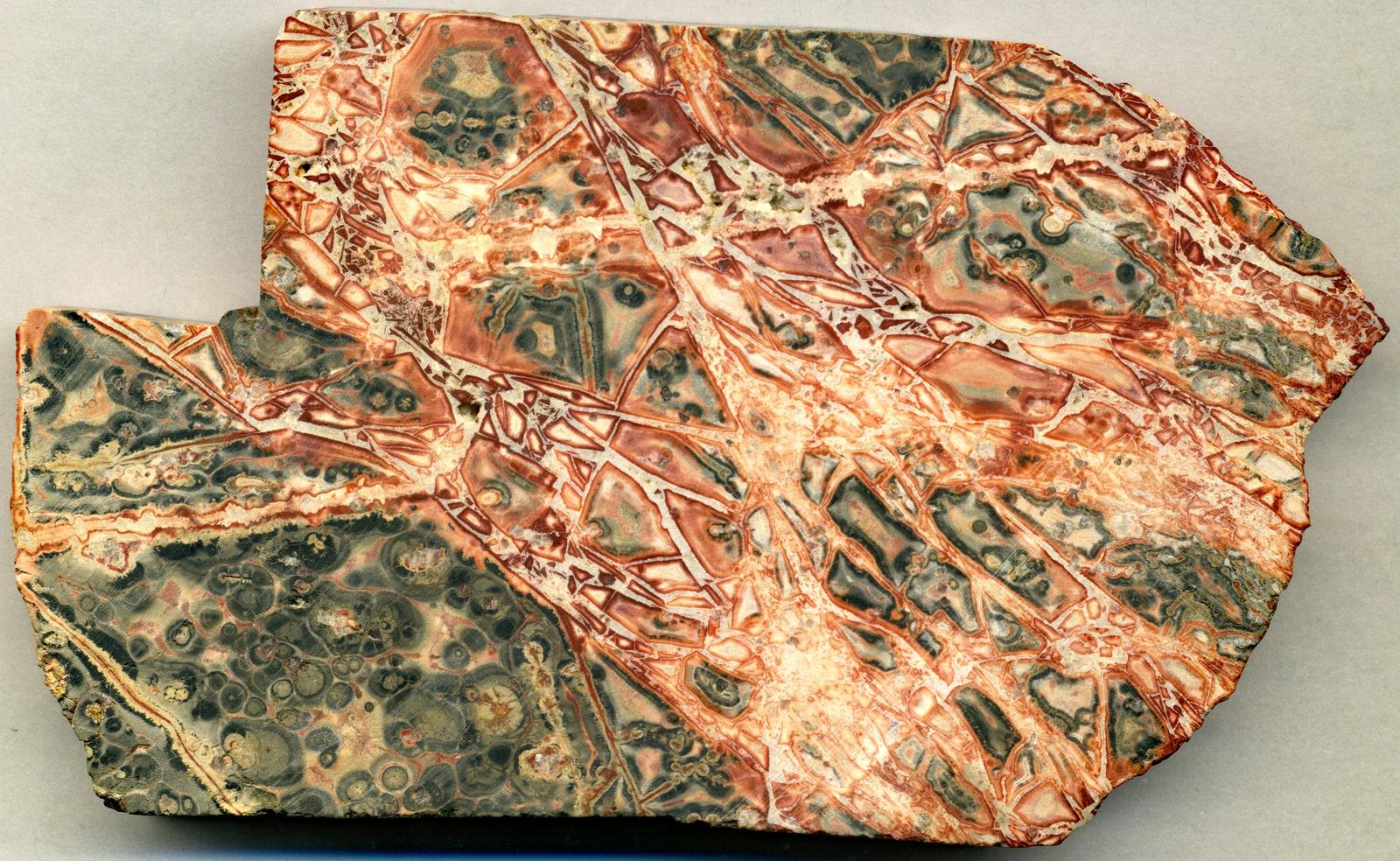
How to tell apart: Breccia fragments are angular and randomly sized. Bone cells form a regular repeating network with consistent wall thickness.
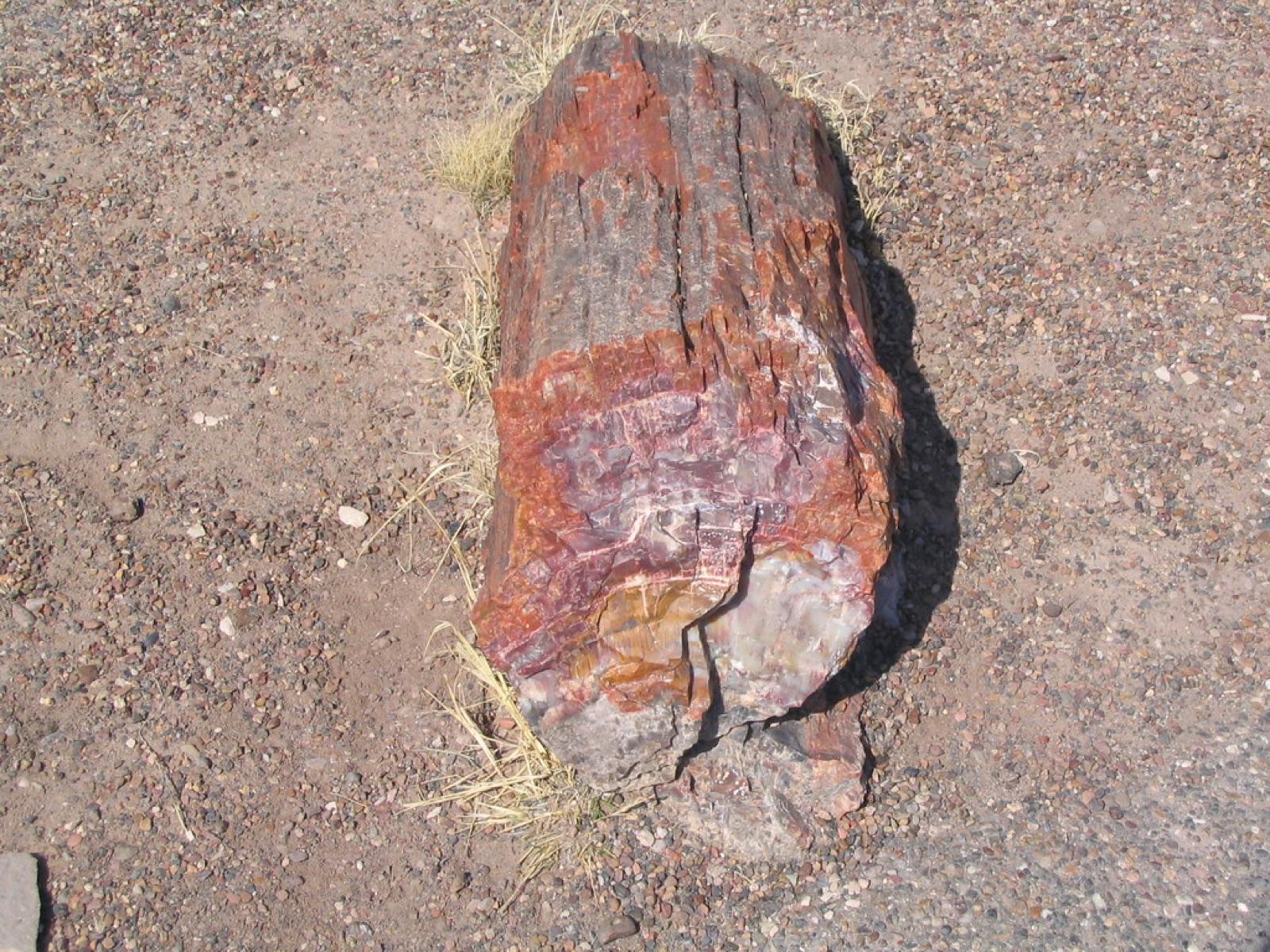
How to tell apart: Wood shows parallel grain and growth rings. Bone shows a three-dimensional honeycomb with no linear grain.
Often found alongside agatized dinosaur bone
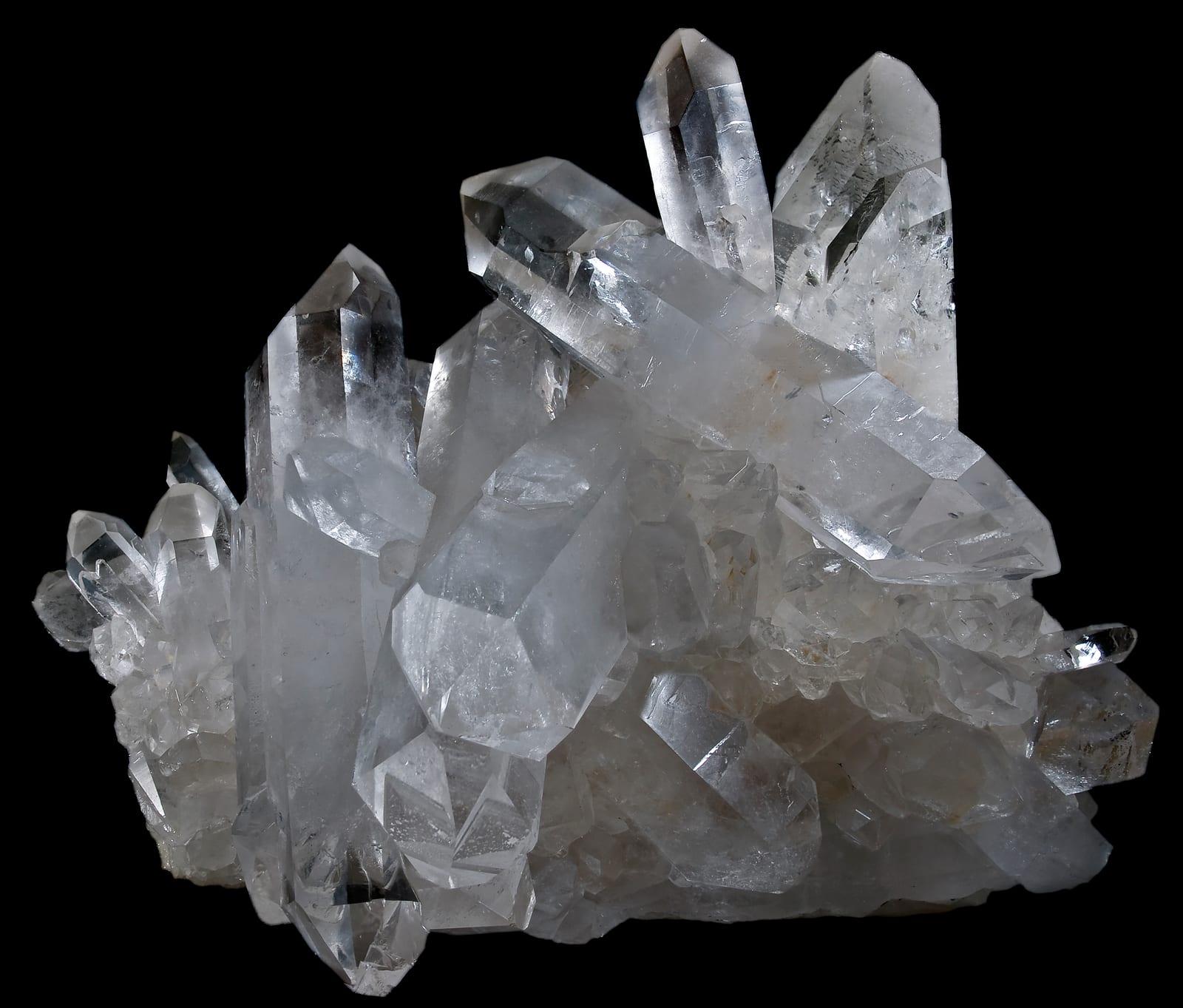
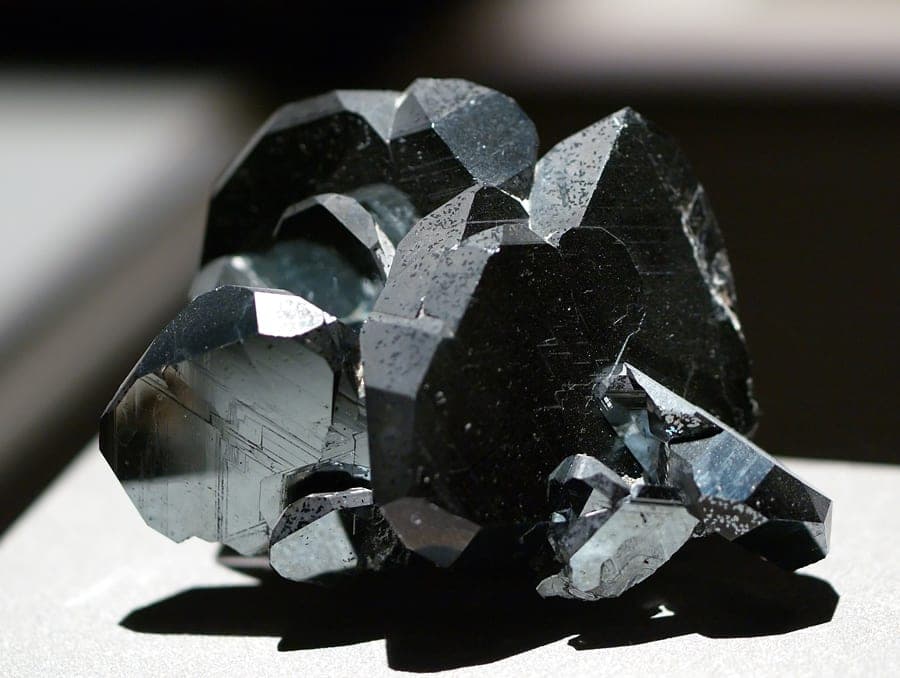
Minerals reported to co-occur with agatized dinosaur bone. Spotting these in float or country rock is a strong cue you are in the right ground.
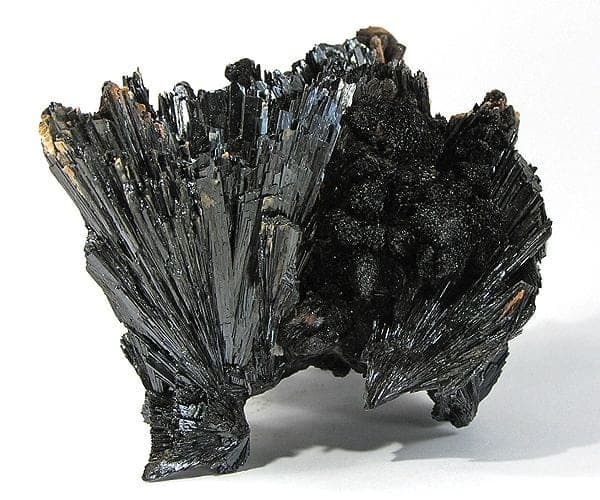
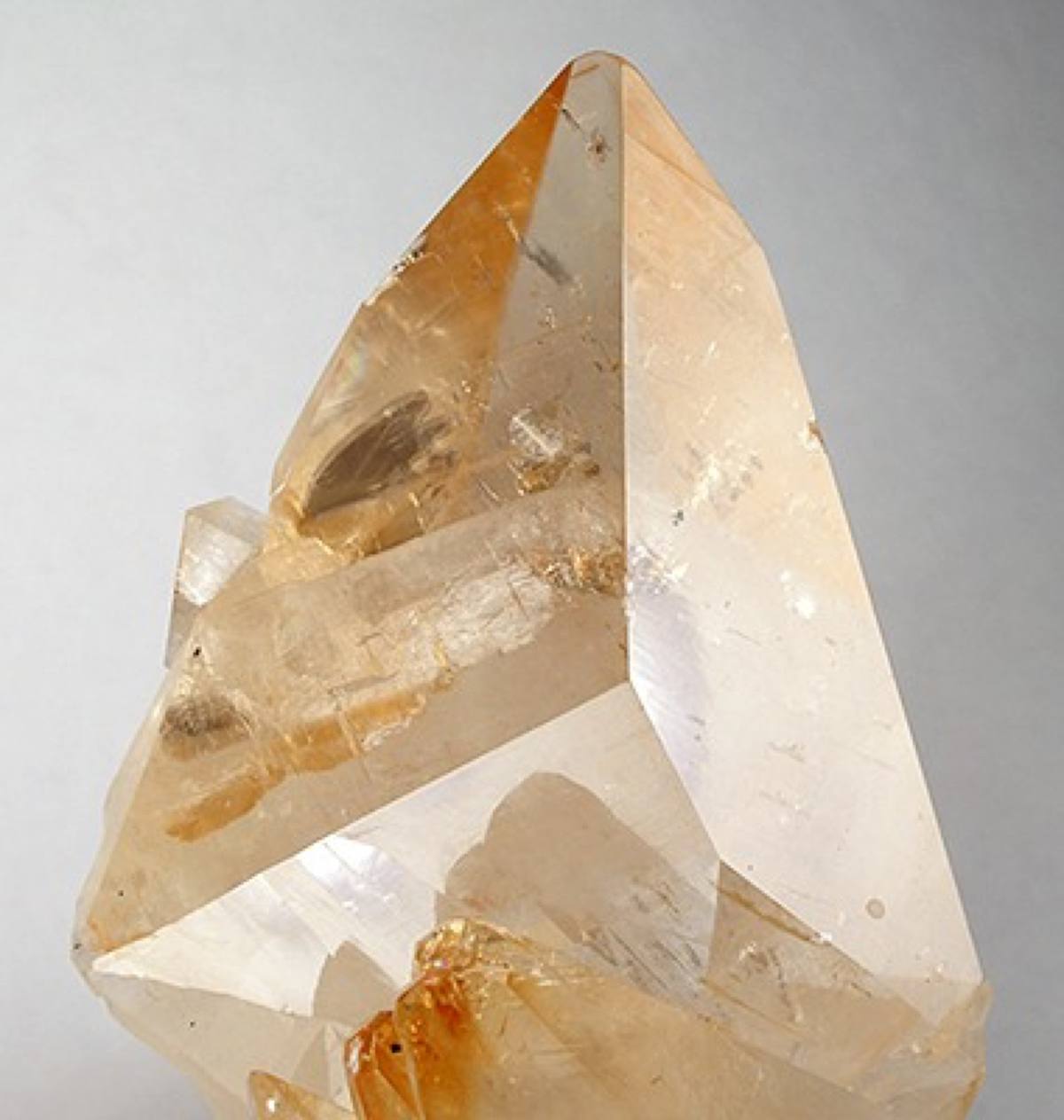
All properties
- Mohs hardness
- 6.5-7
- Density
- 2.6-2.7 g/cm³
- Luster
- Vitreous to waxy
- Transparency
- Translucent
- Rarity
- Uncommon
- Uses
- Lapidary, Collector, Decorative
- Host rock
- sedimentary strata
- Organism
- Dinosaurs
- Age
- Triassic to the end of the Cretaceous
- Preservation
- Agatized permineralization
Where rockhounds find agatized dinosaur bone
2 mapped spotsClassic worldwide localities
- Utah, USA
- Colorado, USA
- Wyoming, USA
- Madagascar
Field-hunting tip
Where it forms: sedimentary strata. If you start seeing quartz, hematite, goethite in float, you are in the right ground. In the U.S., the densest reported localities are in Utah. Start trip planning there.
Common questions
How do you identify agatized dinosaur bone?+
Where is agatized dinosaur bone found?+
Can I find agatized dinosaur bone in the United States?+
What rocks look like agatized dinosaur bone?+
What minerals are found with agatized dinosaur bone?+
What kind of rock does agatized dinosaur bone form in?+
What is agatized dinosaur bone used for?+
Find agatized dinosaur bone on the map
RockHoundR shows mapped rockhounding spots, access rules, and lets you log every find.