Arkose is a sedimentary rock characterized by a high content of feldspar, typically exceeding 25 percent of its clastic components. It often forms from the rapid weathering and erosion of granitic terrain, leading to poorly sorted, angular grains in a matrix of quartz and clay. It is easily identified by its coarse, grainy texture and often pinkish or reddish coloration due to the high feldspar content.
Is this arkose?
5-step field checkRun through these checks against the specimen in your hand. The more boxes tick, the more confident the ID.
- 1Test the hardnessTry to scratch arkose with a known reference. Arkose sits at Mohs 6-7, softer than the next harder reference, harder than the previous one.
- 2Read the textureLook at a fresh break with a hand lens. Grain size: Fine to very coarse sand, tending coarse.
- 3Pick out the mineralsComposition: Sandstone with at least 25 percent feldspar; quartz usually dominant, often some mica and a little calcite cement. Identify the two or three most abundant grains.
- 4Read the lusterHold the specimen under a strong light. Luster: dull.
- 5Match the color rangeCompare against the expected color range: pink, gray, tan, reddish.
Often confused with
Arkose vs. its common look-alikes, and how to tell them apart in the field.
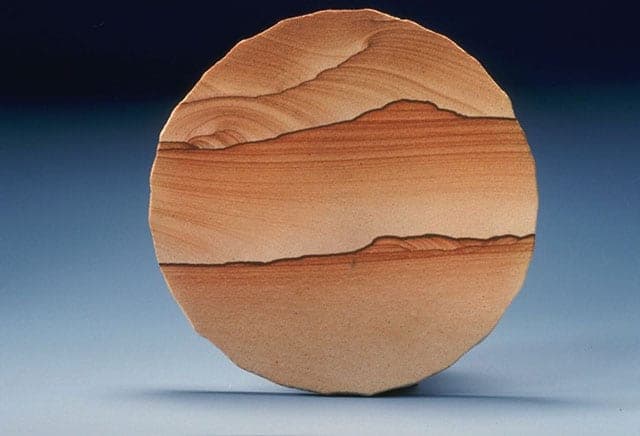
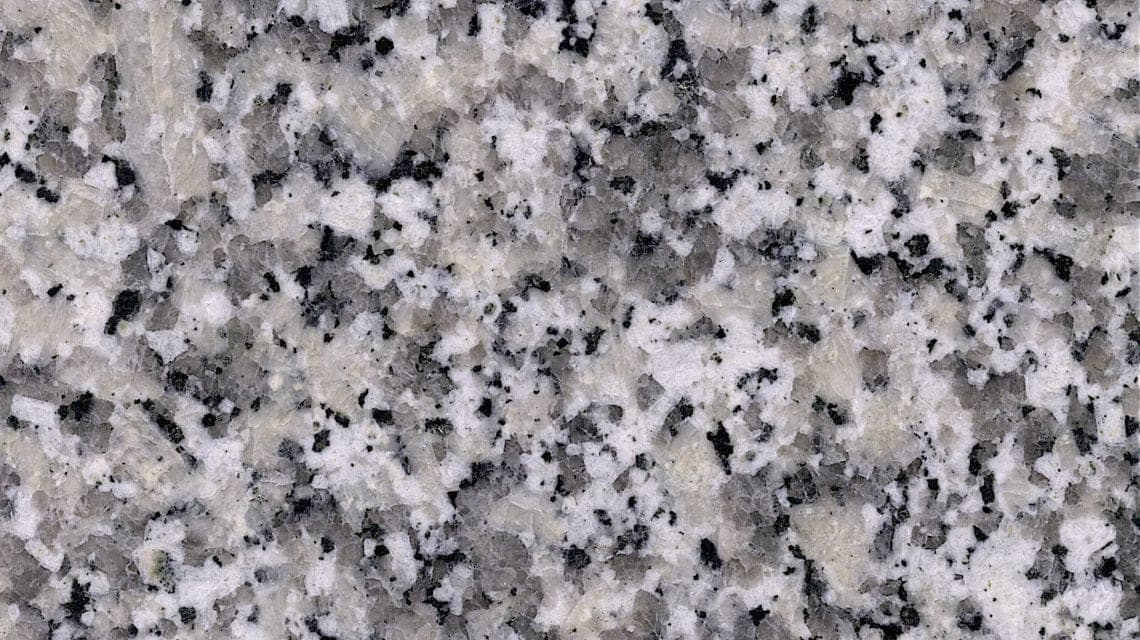
Often found alongside arkose
Minerals reported to co-occur with arkose. Spotting these in float or country rock is a strong cue you are in the right ground.
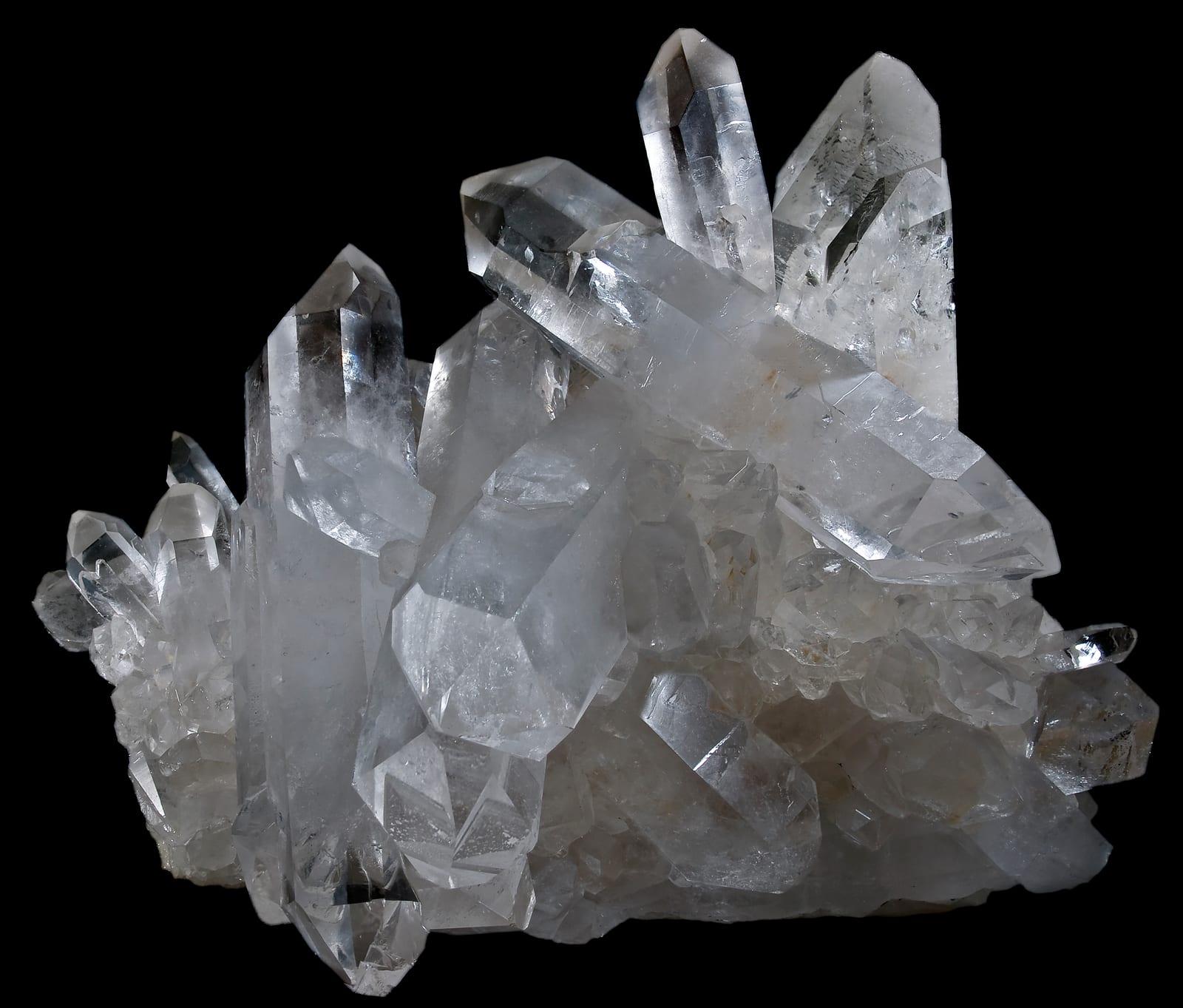
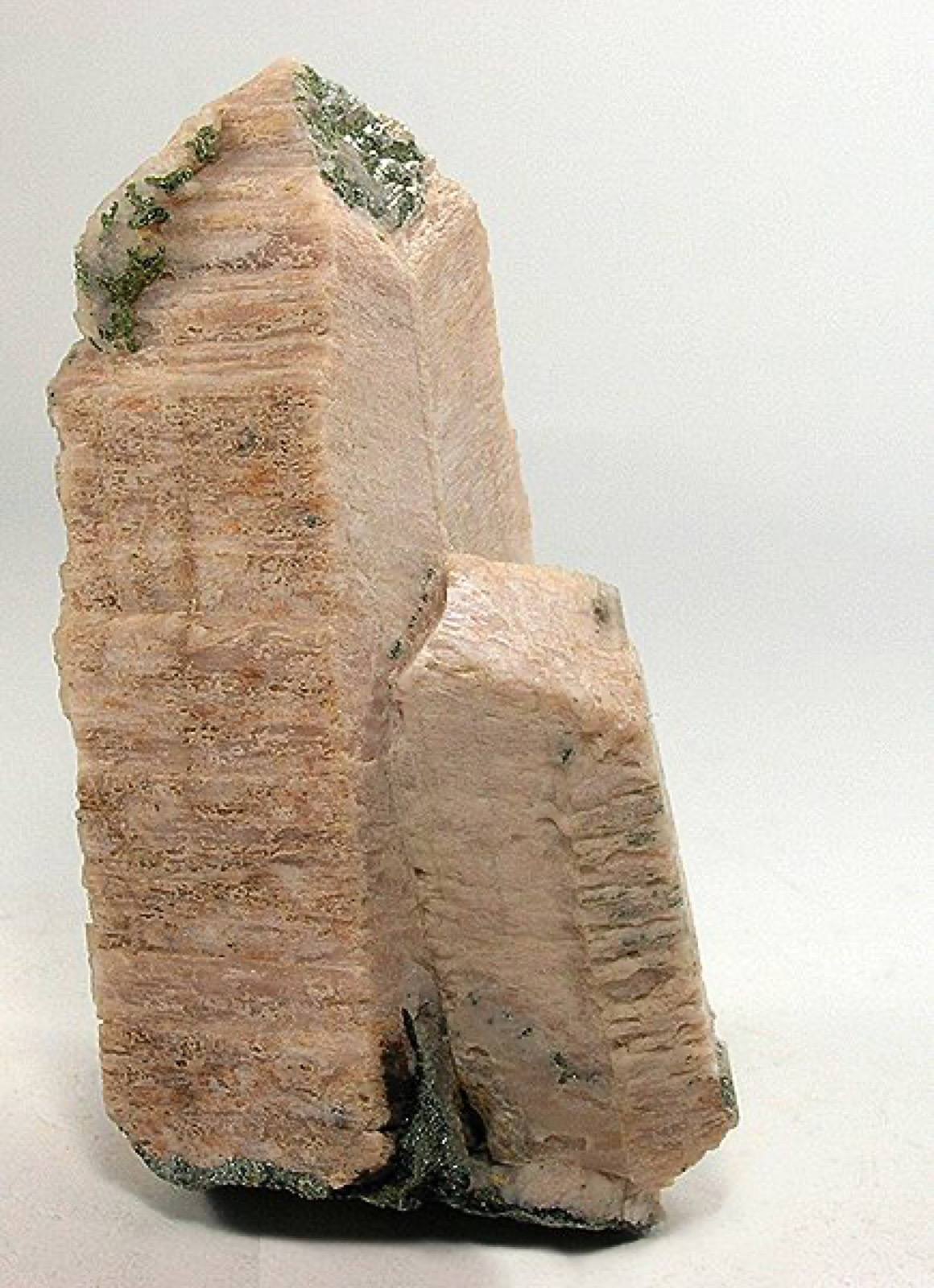
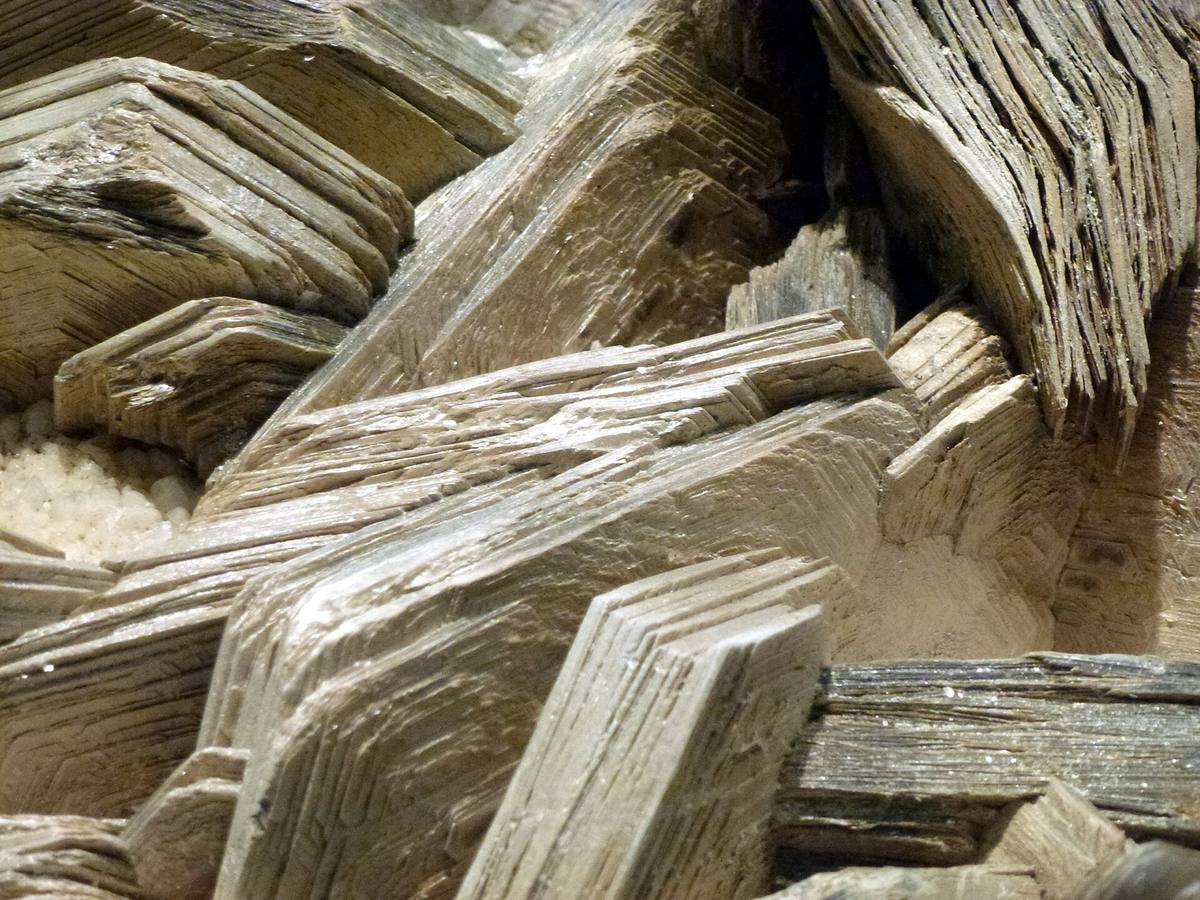
All properties
- Mohs hardness
- 6-7
- Density
- 2.6-2.7 g/cm³
- Luster
- Dull
- Transparency
- Opaque
- Rarity
- Common
- Uses
- Construction, Ornamental
- Host rock
- sedimentary basin
- Grain size
- Fine to very coarse sand, tending coarse
- Composition
- Sandstone with at least 25 percent feldspar; quartz usually dominant, often some mica and a little calcite cement
Where rockhounds find arkose
Classic worldwide localities
- Scotland
- USA (Colorado)
- France
- Germany
Field-hunting tip
Where it forms: sedimentary basin. If you start seeing quartz, feldspar, mica in float, you are in the right ground.
Common questions
How do you identify arkose?+
Where is arkose found?+
What rocks look like arkose?+
What minerals are found with arkose?+
What kind of rock does arkose form in?+
What is arkose used for?+
Find arkose on the map
RockHoundR shows mapped rockhounding spots, access rules, and lets you log every find.