Boltwoodite is a striking, bright yellow uranium silicate typically found as delicate, fibrous, or acicular radiating sprays. Collectors prize these vivid, radioactive clusters, which are almost exclusively found as secondary minerals in the oxidized zones of uranium-rich ore deposits.
Is this boltwoodite?
5-step field checkRun through these checks against the specimen in your hand. The more boxes tick, the more confident the ID.
- 1Test the hardnessTry to scratch boltwoodite with a known reference. Boltwoodite sits at Mohs 3.5-4, softer than the next harder reference, harder than the previous one.
- 2Check the streakDrag the specimen across an unglazed porcelain plate. Streak: white.
- 3Read the lusterHold the specimen under a strong light. Luster: pearly; radial aggregates vitreous to silky; dull to earthy in microcrystalline pseudomorphs.
- 4Match the color rangeCompare against the expected color range: yellow, light yellow.
- 5Look at form & habitCrystal system: monoclinic. Typical habit: acicular or fibrous radial sprays.
Often confused with
Boltwoodite vs. its common look-alikes, and how to tell them apart in the field.
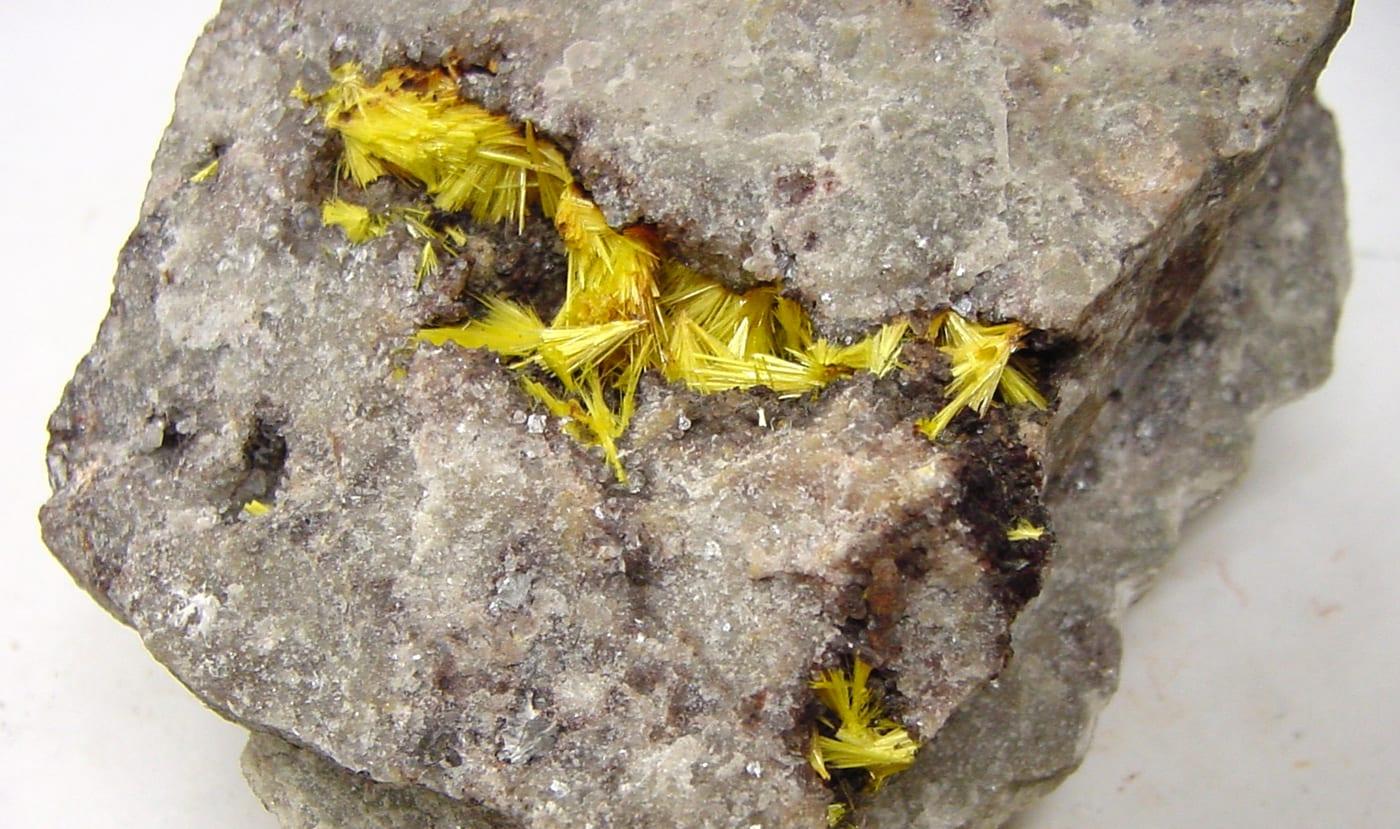
How to tell apart: Boltwoodite is noticeably harder (Mohs 3.5-4 vs. 2.5); streak differs, so Boltwoodite leaves white, Uranophane leaves yellowish white; luster reads pearly; radial aggregates vitreous to silky; dull to earthy in microcrystalline pseudomorphs on Boltwoodite and vitreous on Uranophane.
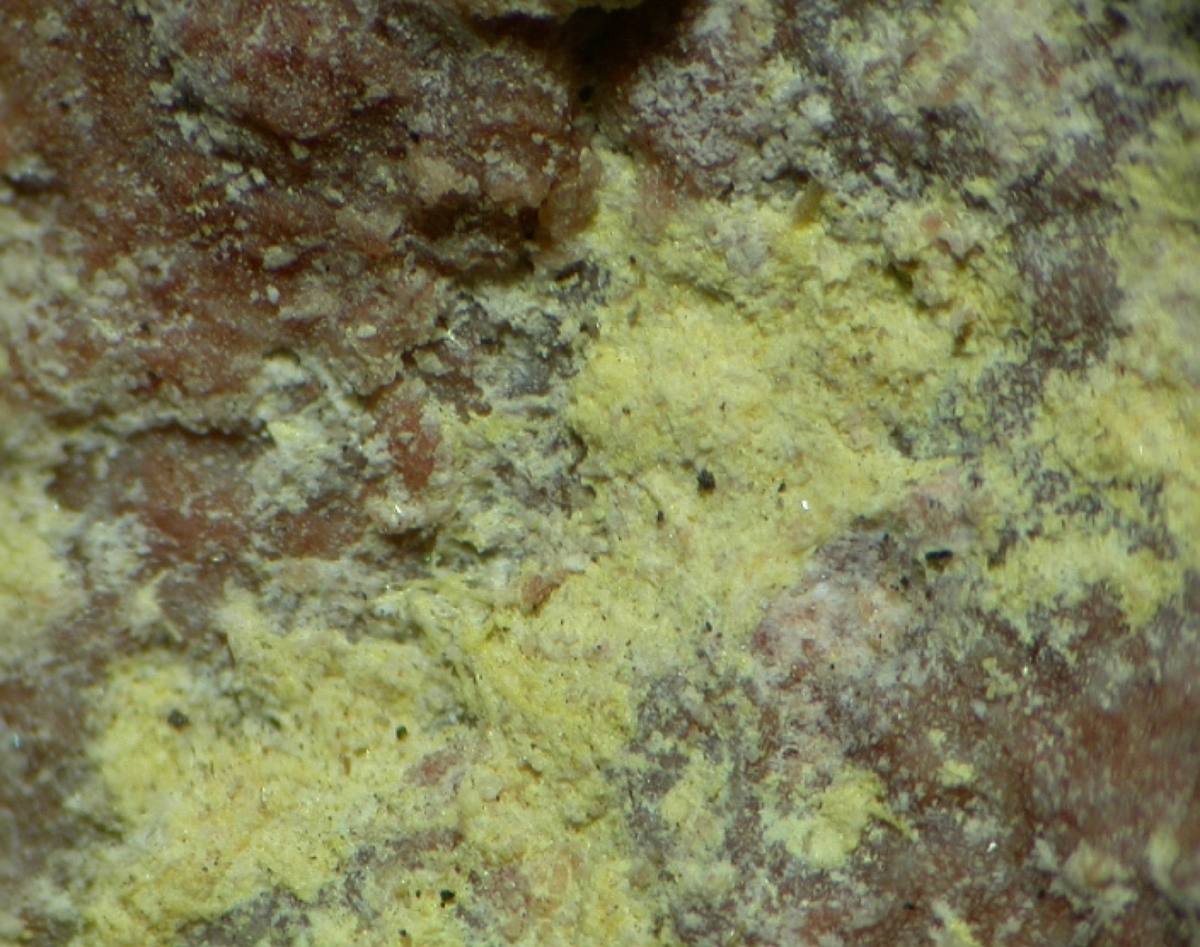
How to tell apart: Streak differs, so Boltwoodite leaves white, Kasolite leaves pale yellow-brown; luster reads pearly; radial aggregates vitreous to silky; dull to earthy in microcrystalline pseudomorphs on Boltwoodite and subadamantine to greasy, dull to earthy when massive on Kasolite.
Often found alongside boltwoodite
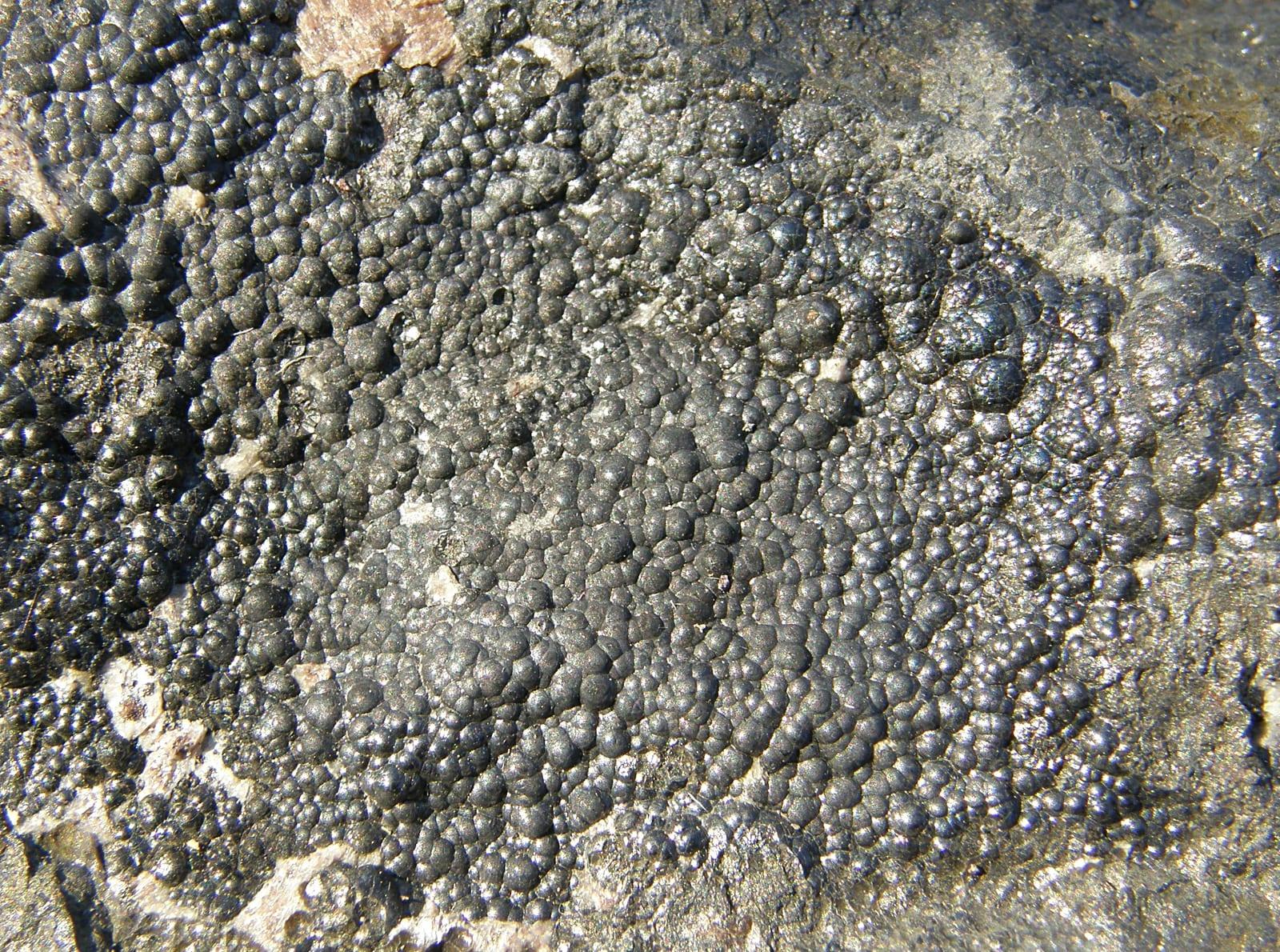
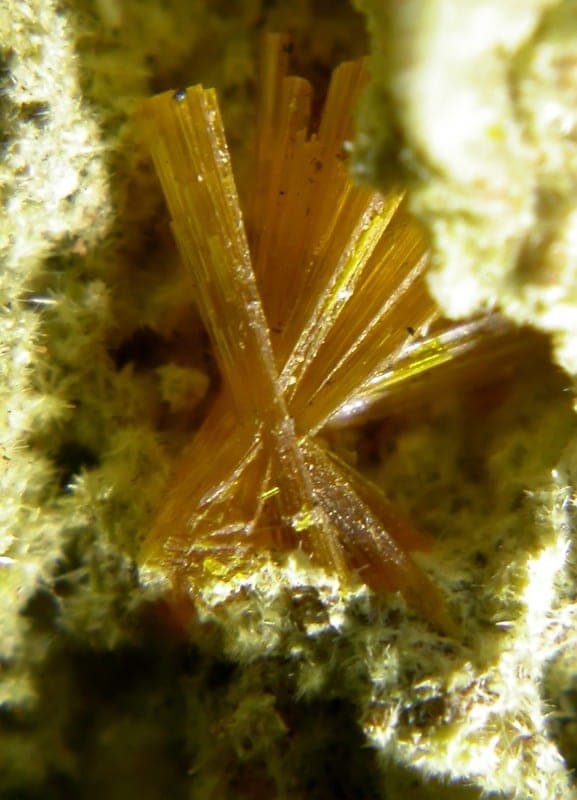
Minerals reported to co-occur with boltwoodite. Spotting these in float or country rock is a strong cue you are in the right ground.
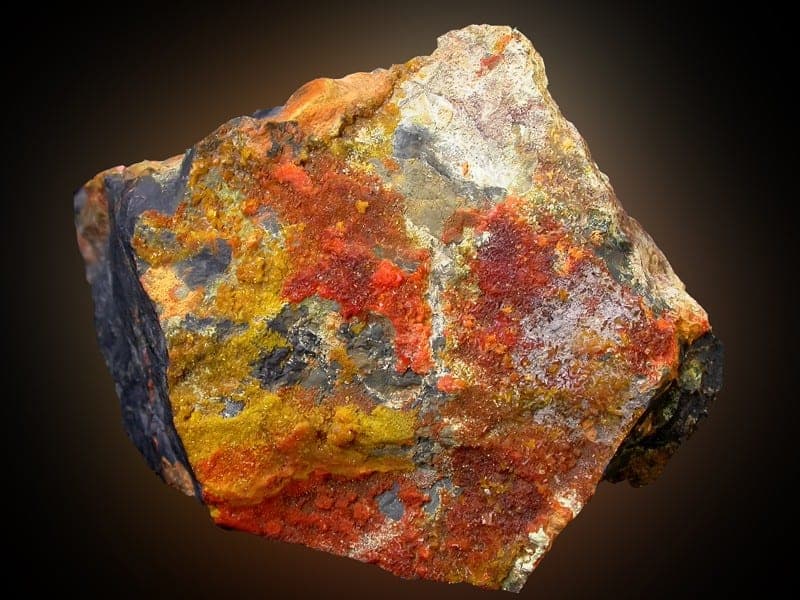
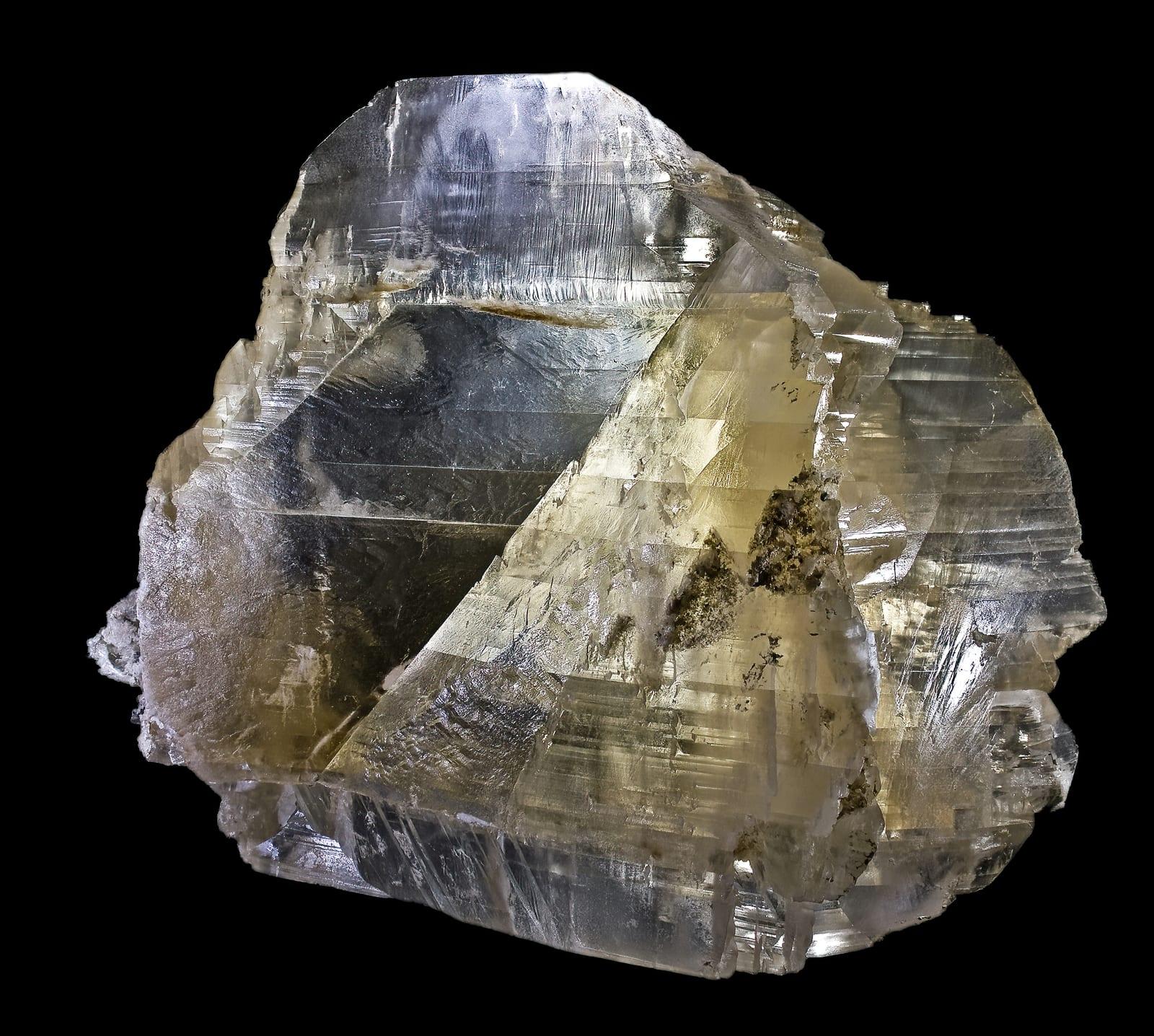
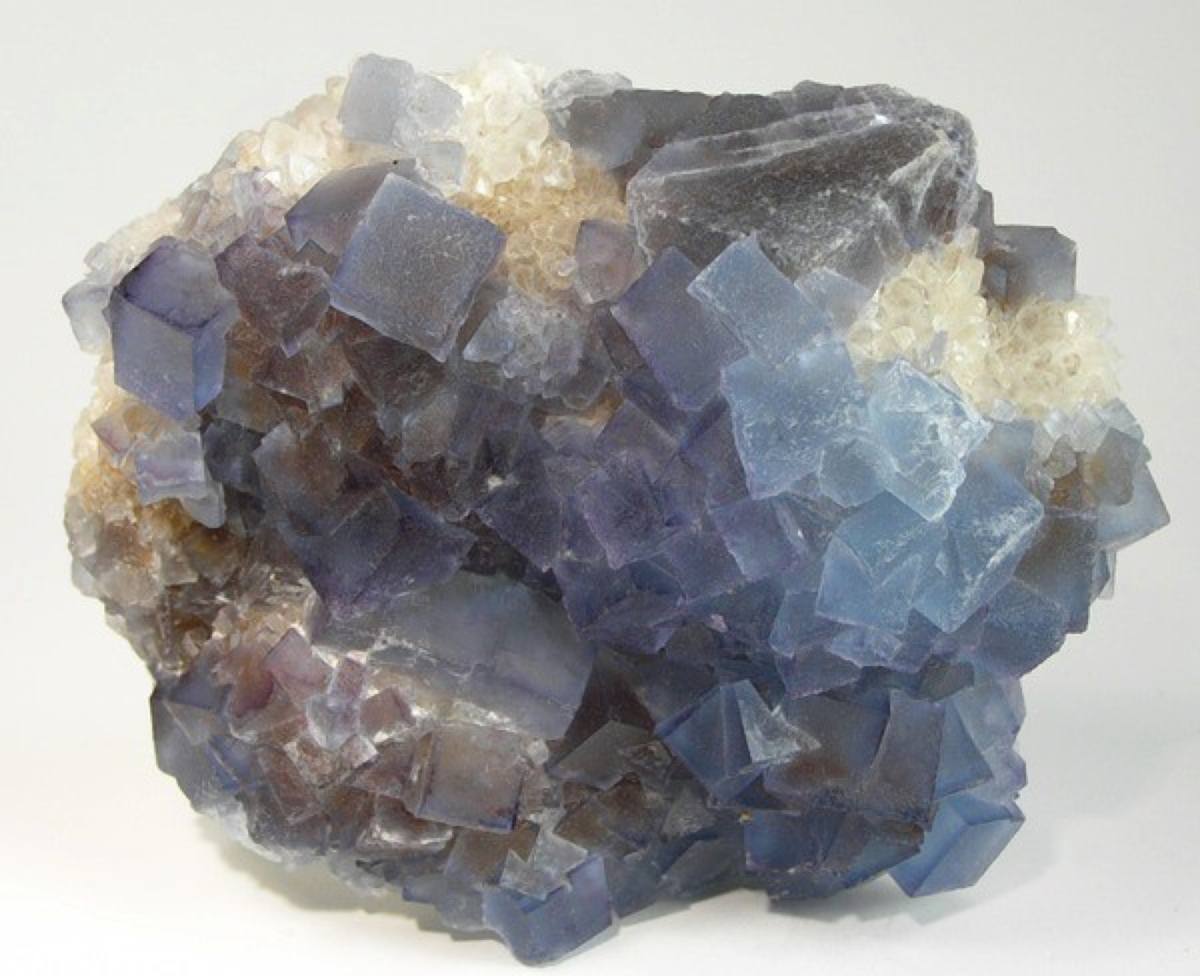
All properties
- Chemical formula
- (K,Na)(UO₂)(SiO₃OH)·1.5H₂O
- Mohs hardness
- 3.5-4
- Density
- 3.6 g/cm³
- Colors
- Streak
- White
- Luster
- Pearly; radial aggregates vitreous to silky; dull to earthy in microcrystalline pseudomorphs
- Transparency
- Transparent to translucent
- Crystal system
- Monoclinic
- Crystal habit
- Acicular or fibrous radial sprays
- Cleavage
- {010} perfect, {001} imperfect
- Fluorescence
- Dull green under SW and LW UV
- Rarity
- Rare
- Uses
- Collector
- Host rock
- In the outer silicate zone of alteration surrounding hydrated uranyl oxides incrusting primary uraninite; also filling fractures at some distance from primary uraninite
Where rockhounds find boltwoodite
1 mapped spotsClassic worldwide localities
- Delta mine, Emery Co., Utah, USA
- New Method mine, near Amboy, San Bernardino Co., California, USA
- Marshall Pass district, at the Little Indian No. 36 mine, Gunnison Co. and the Lookout No. 22 mine, Saguache Co., and in Unaweep Canyon, Mesa Co., Colorado, USA
- Green Monster mine, Goodsprings district, Clark Co., Nevada, USA
- Exceptionally developed at the Rössing mine, near Swakopmund, Namibia
- Dalbeattie, Kirkcudbrightshire, Scotland
Field-hunting tip
Where it forms: In the outer silicate zone of alteration surrounding hydrated uranyl oxides incrusting primary uraninite; also filling fractures at some distance from primary uraninite. If you start seeing uraninite, becquerelite, fourmarierite in float, you are in the right ground. Typical habit: acicular or fibrous radial sprays. Train your eye for that shape before scanning the outcrop. In the U.S., the densest reported localities are in California. Start trip planning there.
Common questions
How do you identify boltwoodite?+
Where is boltwoodite found?+
Can I find boltwoodite in the United States?+
Is boltwoodite safe to handle?+
What rocks look like boltwoodite?+
What minerals are found with boltwoodite?+
What kind of rock does boltwoodite form in?+
What is boltwoodite used for?+
Find boltwoodite on the map
RockHoundR shows mapped rockhounding spots, access rules, and lets you log every find.