Boulder opal is a variety of precious opal that occurs as thin veins or fillings within ironstone boulders. Collectors look for vibrant play-of-color contrasts against the dark, earthy host matrix, which often enhances the brilliance of the opal seams.
Spotting boulder opal in the field
Field marks- 1
Thin seams of opal running through brown ironstone host rock
- 2
Play of color sits in a narrow layer rather than through a solid stone
- 3
The dark ironstone backing makes the color read far more strongly
Boulder opal is Queensland's signature material, from Winton, Quilpie, Yowah and Koroit. The opal formed in cracks and cavities in ironstone concretions, so it is cut with the host rock left on as a natural backing. That backing is not a flaw and not a doublet: it is part of the stone, and a solid piece of boulder opal is worth more than an assembled stone that looks similar. Yowah nuts are the small ironstone nodules with opal centers from the same country.
Straight answers
- Is it worth cutting?
- Follow the seam rather than imposing a shape on it. Free-form cutting is the norm precisely because the opal layer dictates what is possible.
- What is it really worth?
- Moderate to high, and generally more stable than Virgin Valley material, which is part of why it is popular. Solid natural boulder opal outsells assembled stones considerably.
- Can you legally keep it?
- Australian material, mostly on mining leases. It reaches collectors through the trade rather than through public digging.
Often found alongside boulder opal
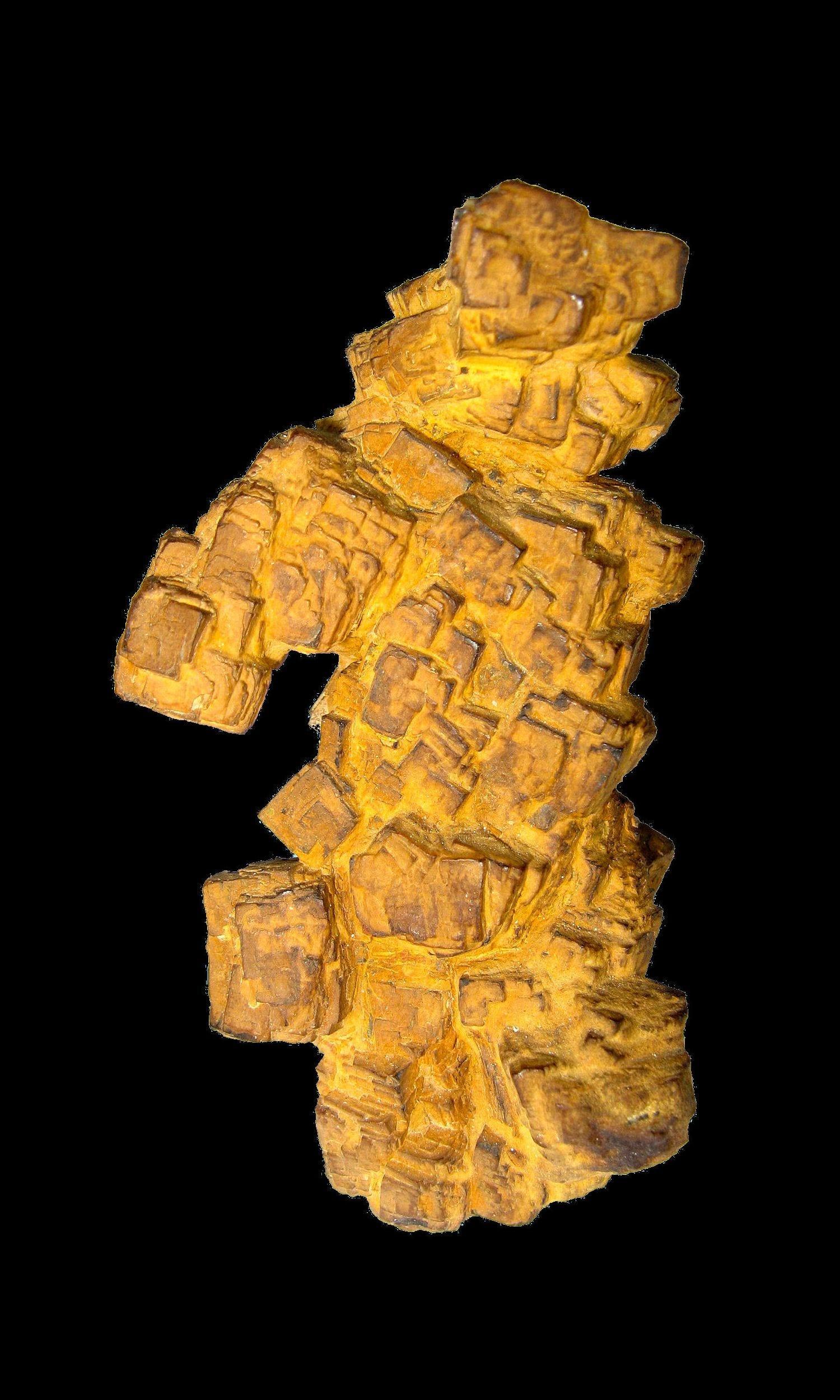
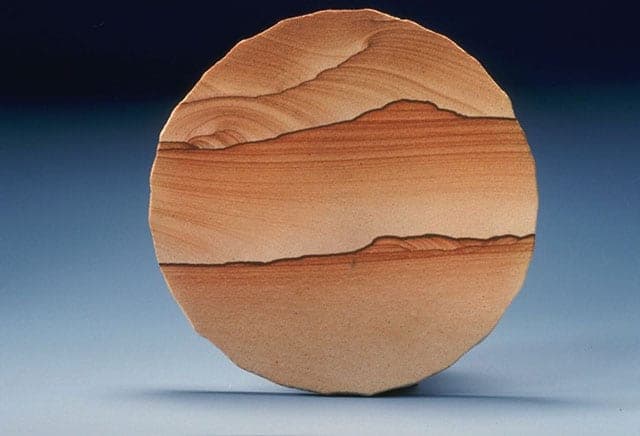
Minerals reported to co-occur with boulder opal. Spotting these in float or country rock is a strong cue you are in the right ground.
All properties
- Chemical formula
- SiO₂·nH₂O
- Mohs hardness
- 5.5-6.5
- Density
- 2.1-2.3 g/cm³
- Streak
- White
- Luster
- Vitreous
- Transparency
- Translucent
- Crystal system
- Amorphous
- Crystal habit
- Veins and patches in host ironstone
- Cleavage
- None
- Rarity
- Uncommon
- Uses
- Gemstone, Lapidary, Collector
- Host rock
- sedimentary ironstone concretions
Where rockhounds find boulder opal
Classic worldwide localities
- Queensland, Australia
- Winton, Australia
- Yowah, Australia
Field-hunting tip
Where it forms: sedimentary ironstone concretions. If you start seeing ironstone, limonite, sandstone in float, you are in the right ground. Typical habit: veins and patches in host ironstone. Train your eye for that shape before scanning the outcrop.
Common questions
How do you identify boulder opal?+
Where is boulder opal found?+
What minerals are found with boulder opal?+
What kind of rock does boulder opal form in?+
What is boulder opal used for?+
Find boulder opal on the map
RockHoundR shows mapped rockhounding spots, access rules, and lets you log every find.