
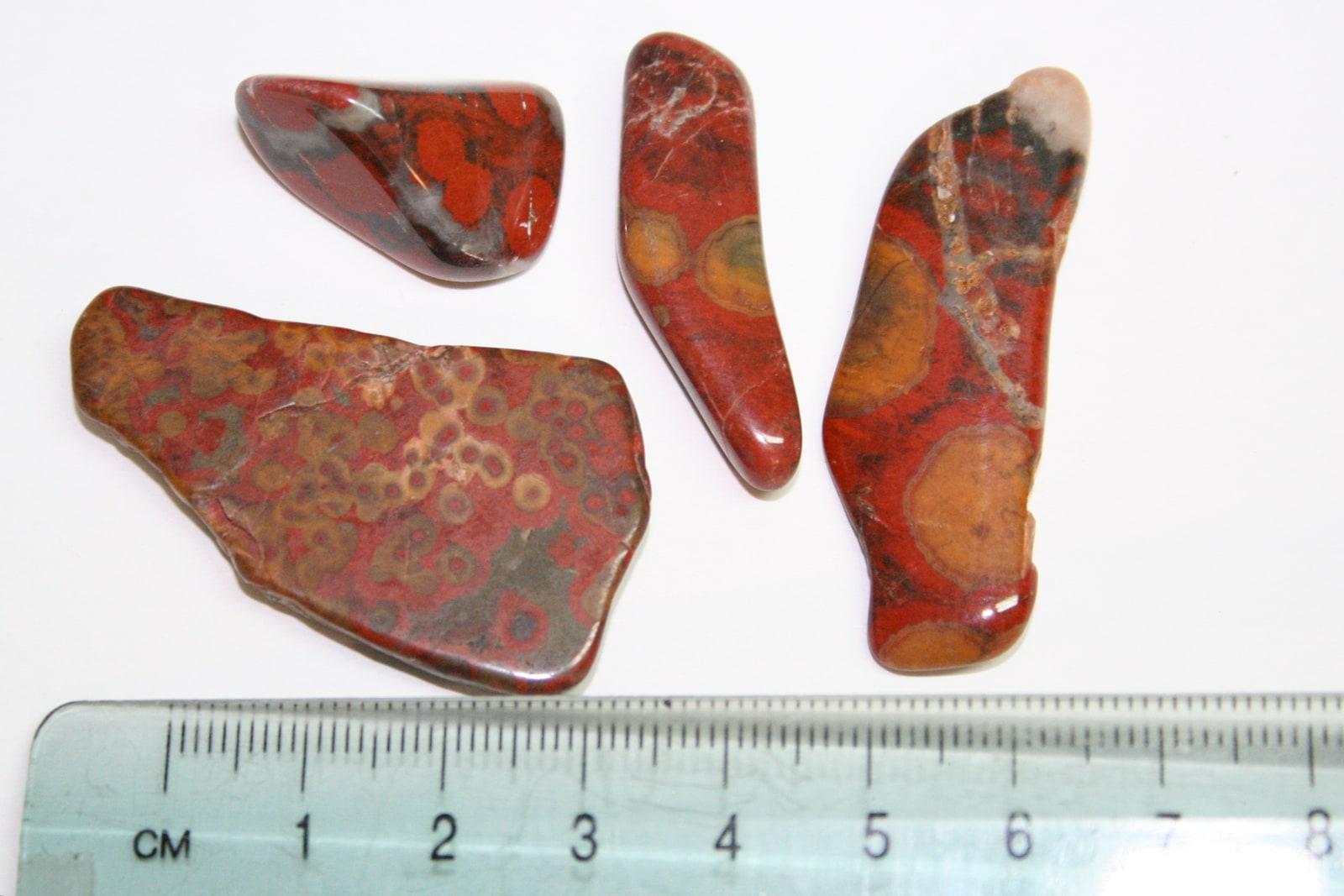
Brecciated Jasper is a distinct variety of jasper characterized by its fractured and cemented appearance, caused by tectonic or volcanic forces that break the rock and allow silica-rich fluids to fill the gaps. It features sharp, angular fragments of jasper held together by a contrasting matrix of quartz or chalcedony. It is a highly popular material for lapidary work due to its intricate, mosaic-like patterns and high polish.
Spotting brecciated jasper in the field
Field marks- 1
Angular fragments with sharp corners, cemented in a contrasting matrix
- 2
Fragments often fit back together visually, like a shattered plate reassembled
- 3
Matrix is usually quartz or a paler chalcedony that stands out against red fragments
Brecciated jasper is jasper that was broken by faulting or collapse and then re-cemented by silica-bearing fluid. The angularity is the whole diagnosis: if the pieces have sharp corners and you can trace how they once fitted together, it is breccia. It occurs anywhere jasper and structural movement coincide, so it turns up in many beds rather than one.
Straight answers
- Is it worth cutting?
- Check the cement before cutting. Where a breccia was healed with soft clay rather than silica, cabs undercut badly and can come apart on the wheel.
- What is it really worth?
- Generally inexpensive. Value rises with contrast between fragment and matrix.
- Can you legally keep it?
- Follows the locality.
Often confused with
Brecciated Jasper vs. its common look-alikes, and how to tell them apart in the field.
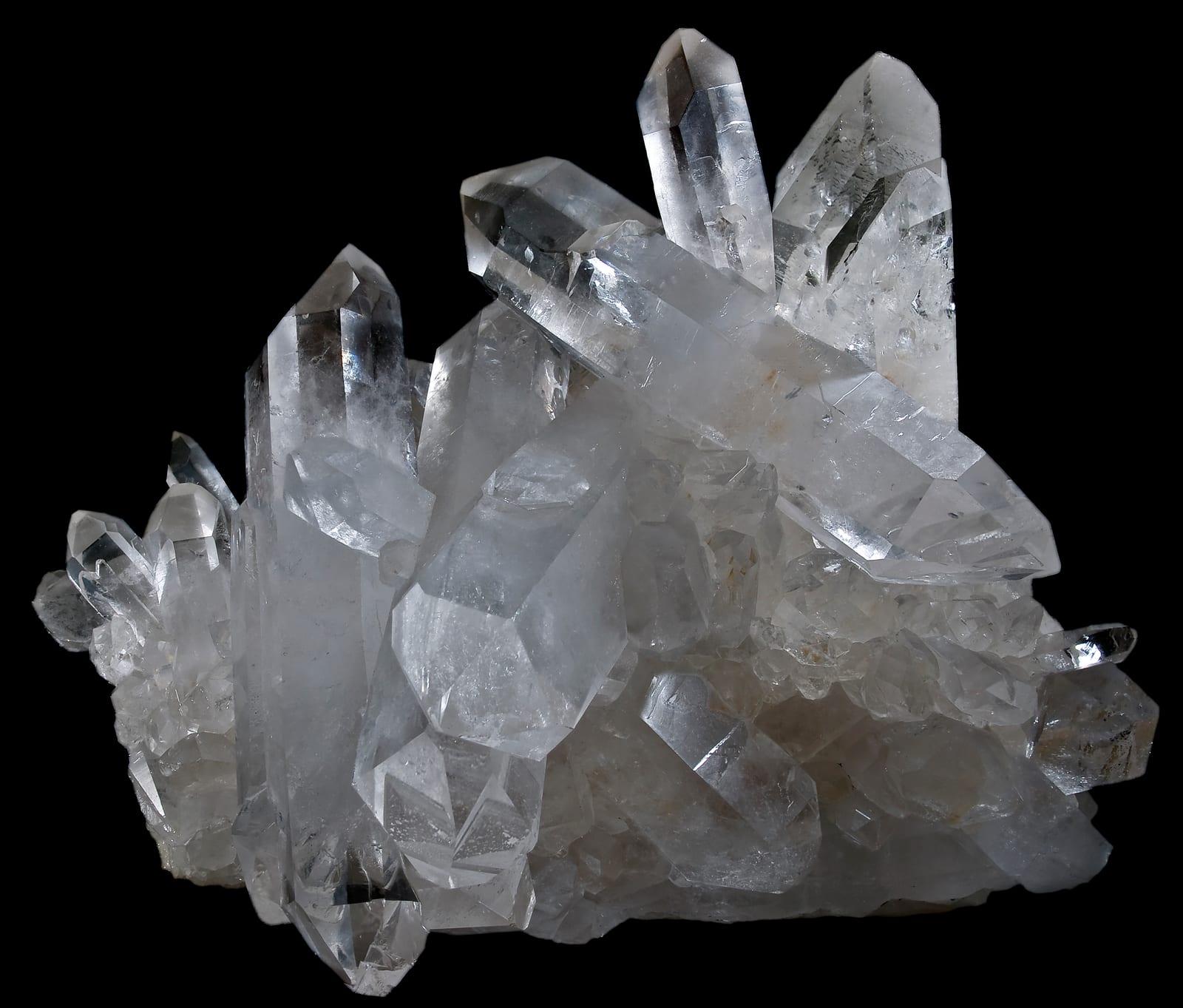
Often found alongside brecciated jasper
Minerals reported to co-occur with brecciated jasper. Spotting these in float or country rock is a strong cue you are in the right ground.
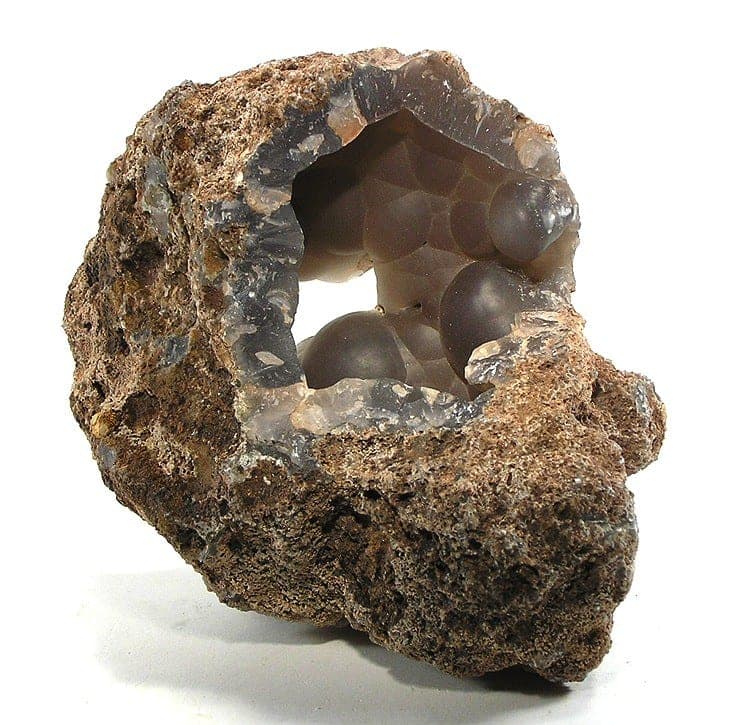
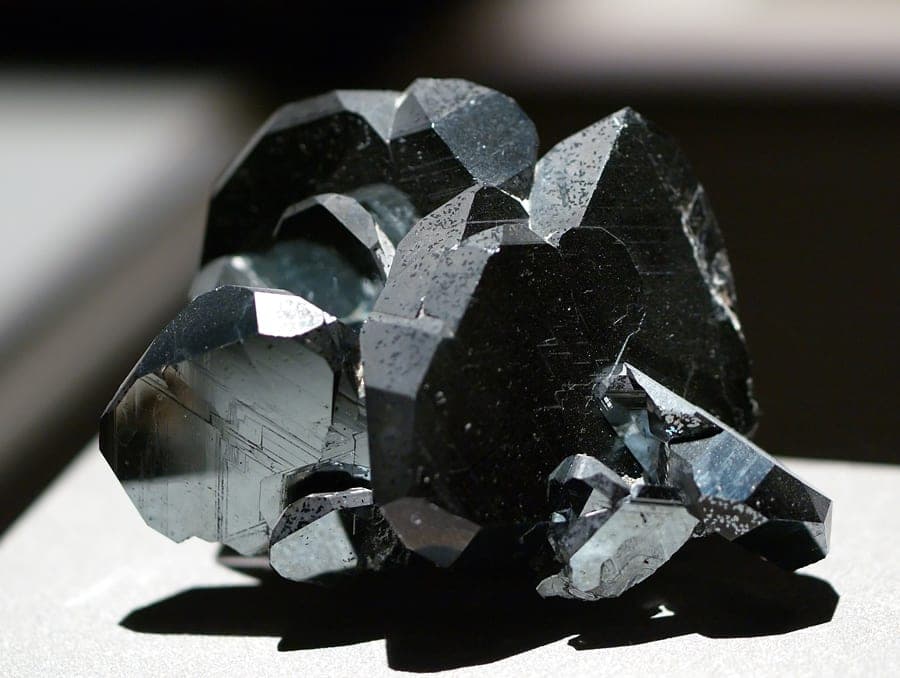
All properties
- Chemical formula
- SiO₂
- Mohs hardness
- 6.5-7
- Density
- 2.5-2.9 g/cm³
- Streak
- White
- Luster
- Waxy
- Transparency
- Opaque
- Crystal system
- Trigonal
- Crystal habit
- Massive
- Cleavage
- None
- Rarity
- Common
- Uses
- Lapidary, Decorative, Collector
- Host rock
- sedimentary or volcanic environments
Where rockhounds find brecciated jasper
1 mapped spotsClassic worldwide localities
- USA
- Mexico
- Madagascar
- Australia
Field-hunting tip
Where it forms: sedimentary or volcanic environments. If you start seeing quartz, chalcedony, hematite in float, you are in the right ground. Typical habit: massive. Train your eye for that shape before scanning the outcrop. In the U.S., the densest reported localities are in California. Start trip planning there.
Common questions
How do you identify brecciated jasper?+
Where is brecciated jasper found?+
Can I find brecciated jasper in the United States?+
What rocks look like brecciated jasper?+
What minerals are found with brecciated jasper?+
What kind of rock does brecciated jasper form in?+
What is brecciated jasper used for?+
Find brecciated jasper on the map
RockHoundR shows mapped rockhounding spots, access rules, and lets you log every find.

