Chert is a fine-grained, sedimentary silica rock that typically forms nodules or layers within limestone. It is known for its conchoidal fracture and was historically prized by early humans for fashioning into sharp-edged tools and arrowheads.
Spotting chert in the field
Field marks- 1
Opaque, dull to slightly waxy, in greys, tans, browns and greens
- 2
Conchoidal fracture with sharp edges
- 3
Occurs as beds and nodules in limestone, and as a huge share of any river gravel
Chert is the great false positive of rockhounding, and learning to reject it fast is a real skill that saves whole afternoons. It is the same silica as agate without the translucency or banding. Anywhere there is limestone there is chert, which is why river gravel across most of the country is largely made of it. Train the reflex: pick up, hold to the sky, drop if it stays dark.
Straight answers
- Is it worth cutting?
- Not generally worth cutting, with the exception of well-patterned colorful material where the distinction with jasper stops mattering.
- What is it really worth?
- None commercially.
- Can you legally keep it?
- Unrestricted, with the same archaeological caution as flint: worked chert artifacts on federal or tribal land are protected and must be left in place.
Often confused with
Chert vs. its common look-alikes, and how to tell them apart in the field.
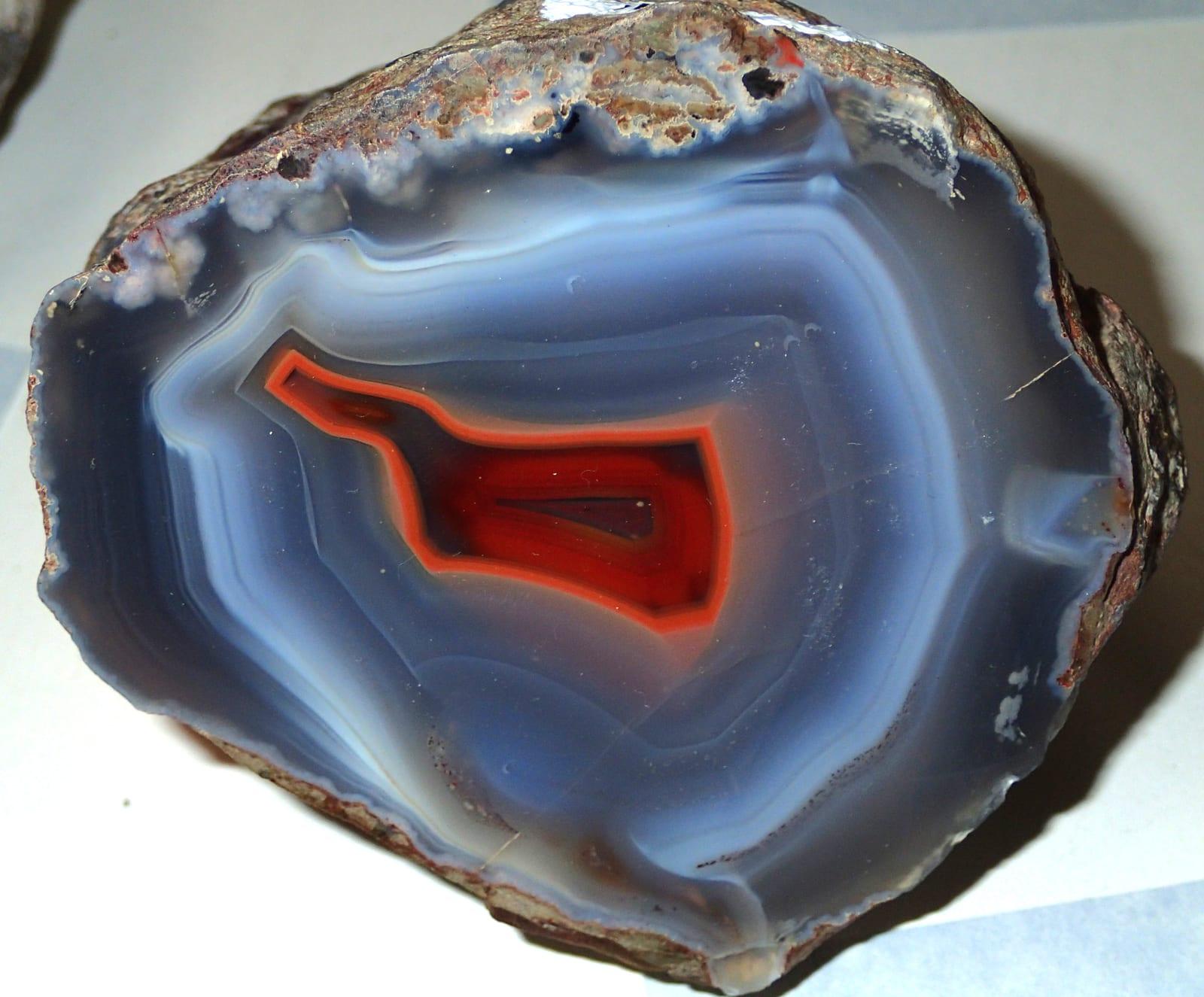
How to tell apart: Translucency. This one test resolves it every time.
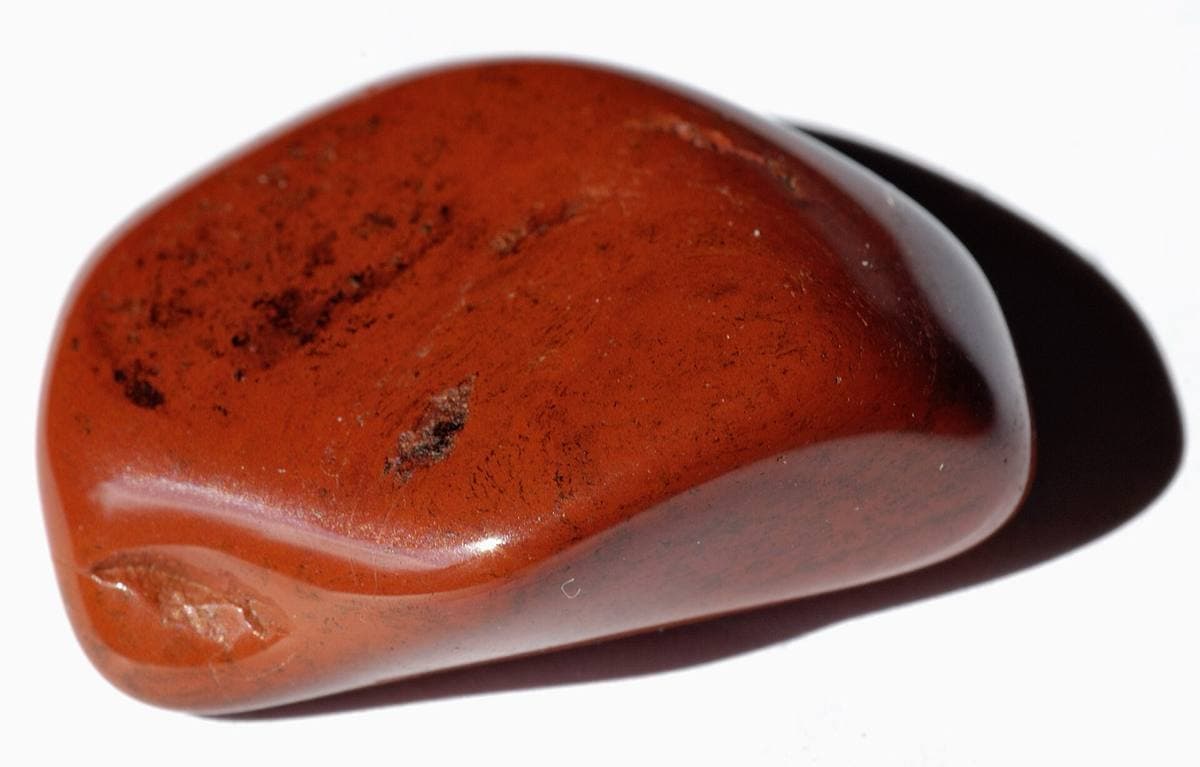
How to tell apart: Genuinely a fine line. Jasper is the term used when the material is strongly and attractively colored by iron; chert is what you call the dull stuff. Same silica.
Often found alongside chert
Minerals reported to co-occur with chert. Spotting these in float or country rock is a strong cue you are in the right ground.
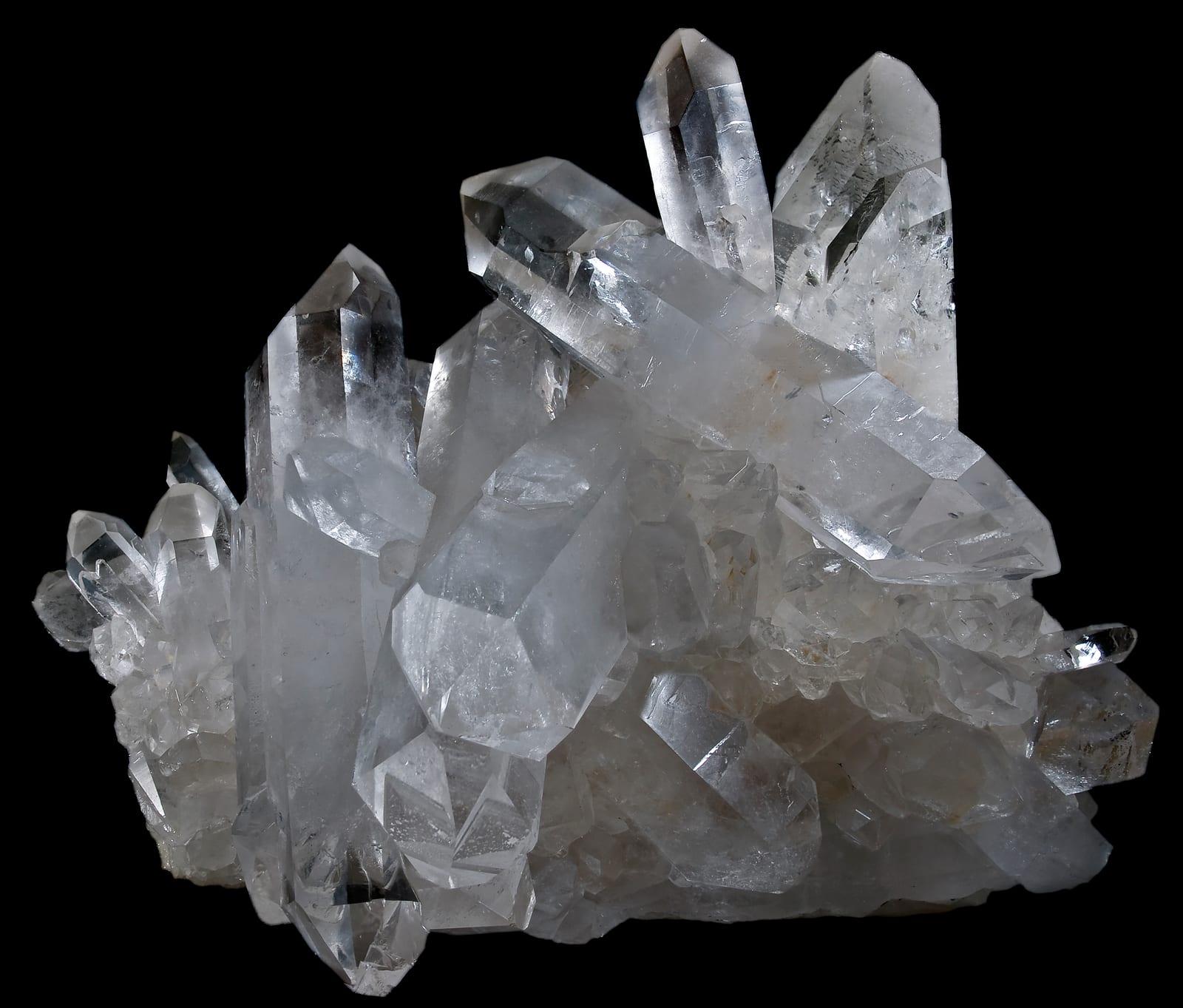
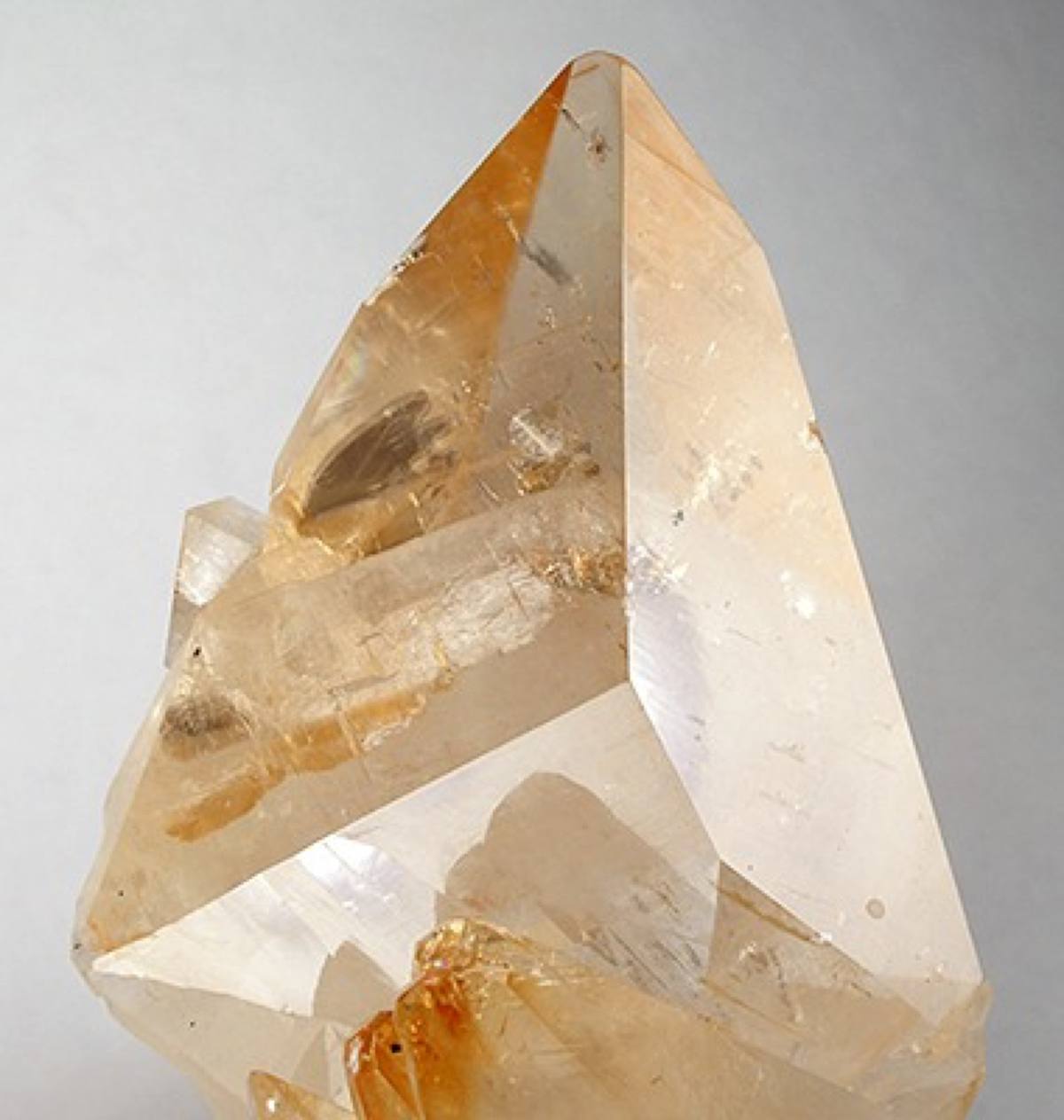
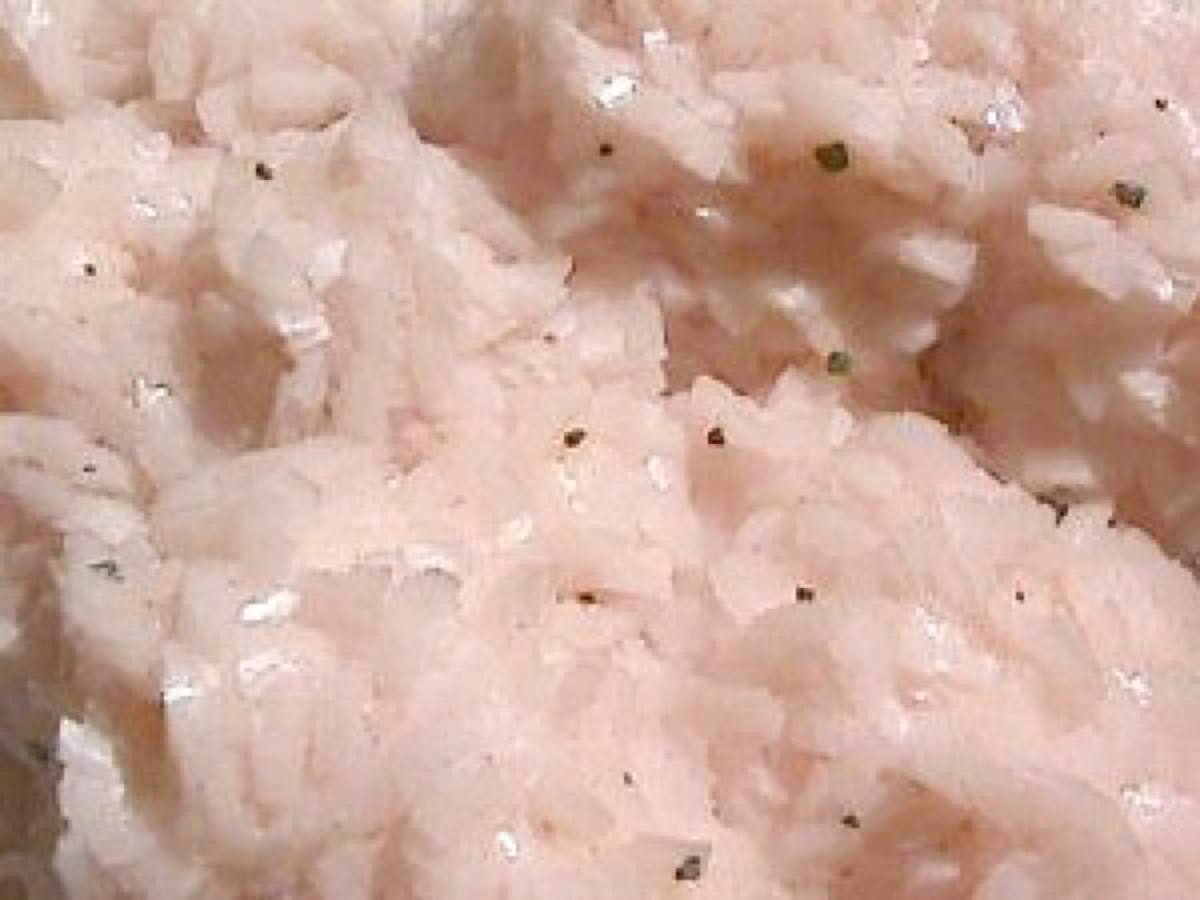
All properties
- Chemical formula
- SiO₂
- Mohs hardness
- 6.5-7
- Density
- 2.6-2.65 g/cm³
- Streak
- White
- Luster
- Waxy
- Transparency
- Translucent
- Crystal system
- Trigonal
- Crystal habit
- Massive
- Cleavage
- None
- Rarity
- Common
- Uses
- Lapidary, Historical tool making, Decorative
- Host rock
- sedimentary
Where rockhounds find chert
125 mapped spotsClassic worldwide localities
- United Kingdom
- France
- USA
- Denmark
- Poland
U.S. states with chert
Each link opens a state-specific list of mapped rockhounding spots that produce chert.
- Michigan23 spots
- Florida10 spots
- New Mexico9 spots
- Utah8 spots
- Missouri7 spots
- Pennsylvania7 spots
- Nevada6 spots
- Wyoming5 spots
Field-hunting tip
Where it forms: sedimentary. If you start seeing quartz, calcite, dolomite in float, you are in the right ground. Typical habit: massive. Train your eye for that shape before scanning the outcrop. In the U.S., the densest reported localities are in Michigan, Florida, New Mexico. Start trip planning there.
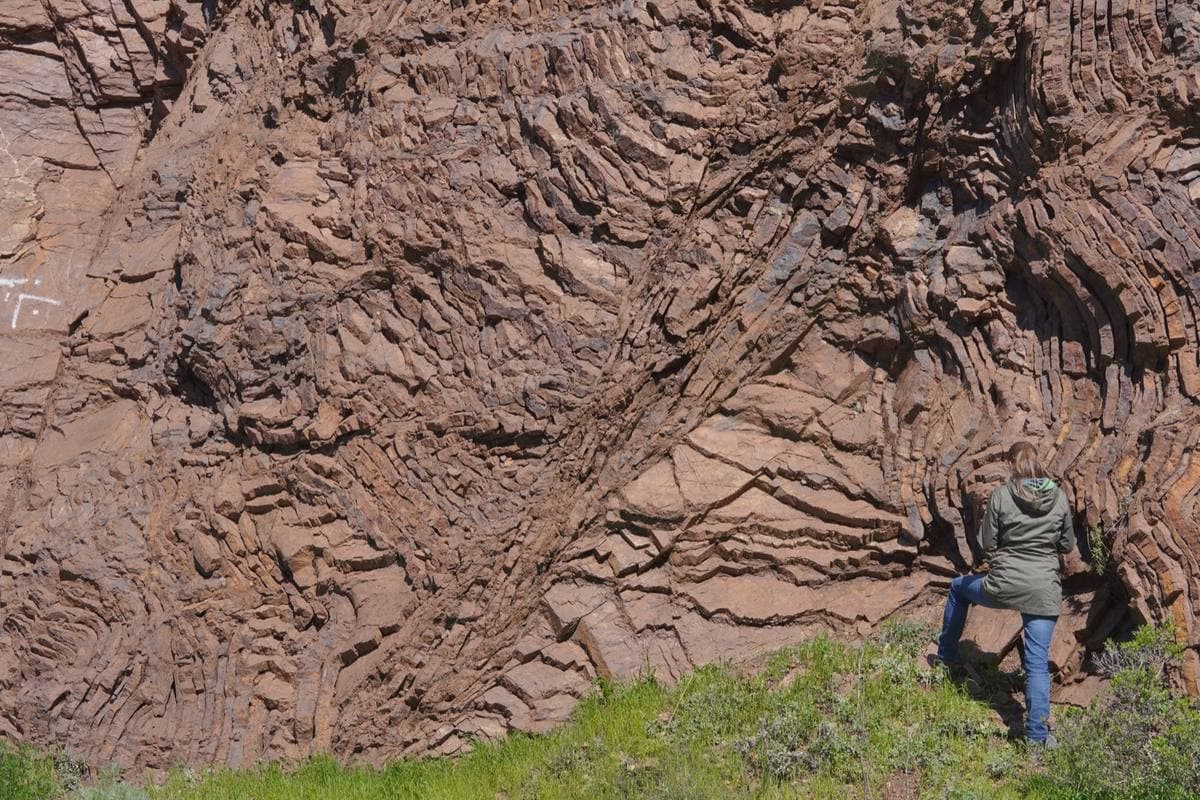
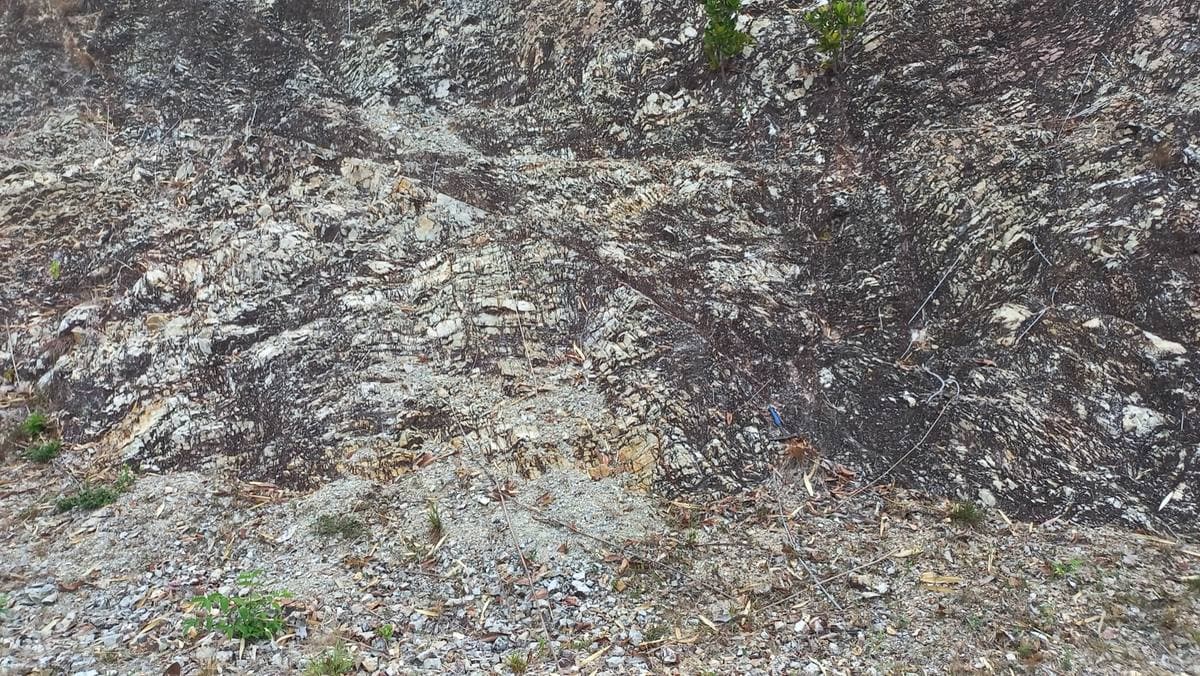
More chert photos
Common questions
How do you identify chert?+
Where is chert found?+
Can I find chert in the United States?+
What rocks look like chert?+
What minerals are found with chert?+
What kind of rock does chert form in?+
What is chert used for?+
Find chert on the map
RockHoundR shows mapped rockhounding spots, access rules, and lets you log every find.