
Chondrites are the most common type of stony meteorite, characterized by the presence of small spherical grains called chondrules. Collectors should look for a dark fusion crust on the exterior and small metallic flakes embedded within a silicate matrix.
Hardness
5-6
Mohs
Luster
Dull
Streak
None, or a weak grayish streak if pressed hard
Transparency
Opaque
Is this chondrite?
6-step field checkRun through these checks against the specimen in your hand. The more boxes tick, the more confident the ID.
- 1Test the hardnessTry to scratch chondrite with a known reference. Chondrite sits at Mohs 5-6, softer than the next harder reference, harder than the previous one.
- 2Read the textureLook at a fresh break with a hand lens. Texture: Contains chondrules, round grains formed as molten droplets in space.
- 3Pick out the mineralsComposition: Chondrules make up 20 to 80 percent by volume, with metallic iron-nickel, sulfides and silicate grains. Identify the two or three most abundant grains.
- 4Check the streakDrag the specimen across an unglazed porcelain plate. Streak: none, or a weak grayish streak if pressed hard.
- 5Read the lusterHold the specimen under a strong light. Luster: dull.
- 6Match the color rangeCompare against the expected color range: gray, brown, black.
Often found alongside chondrite
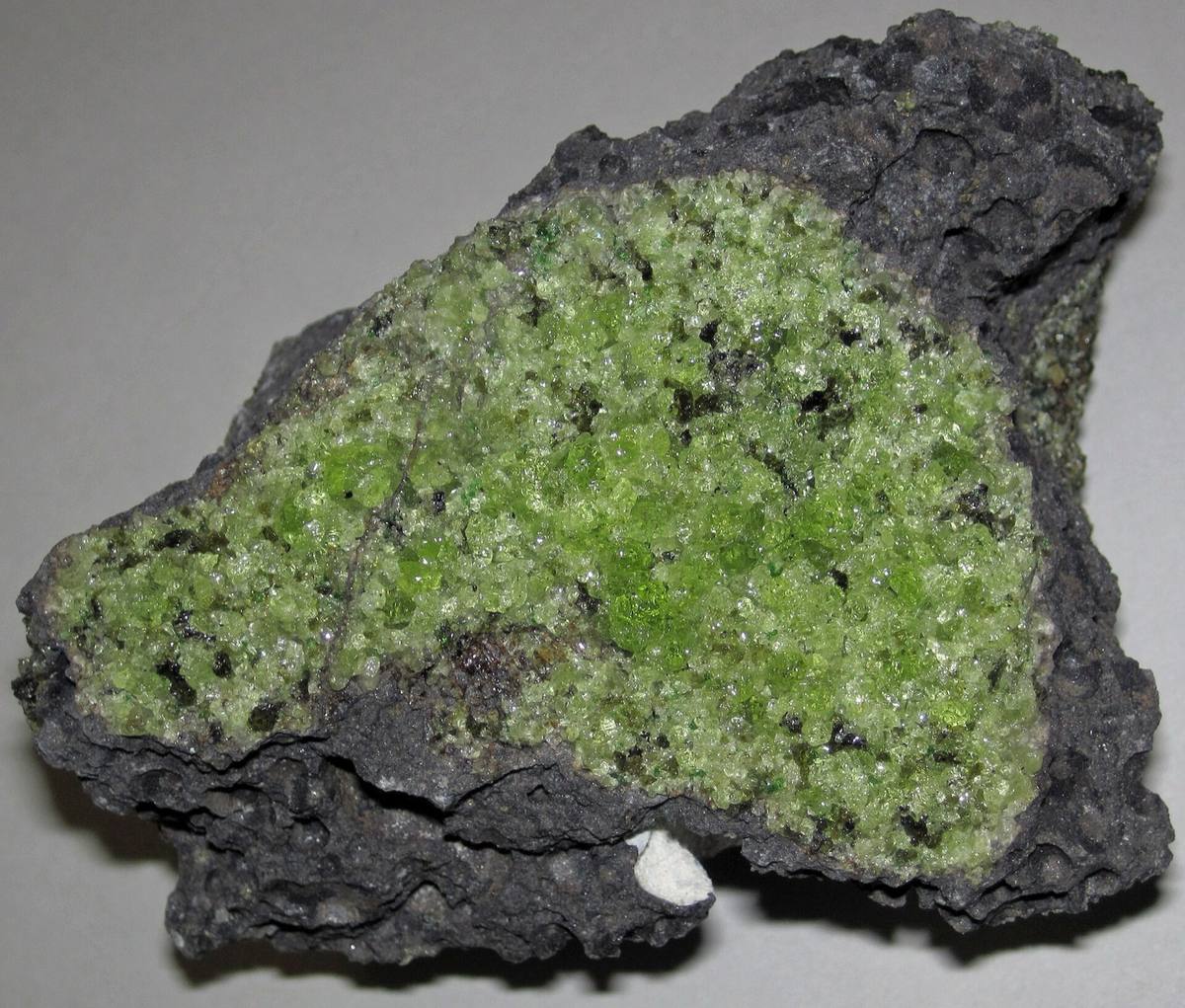
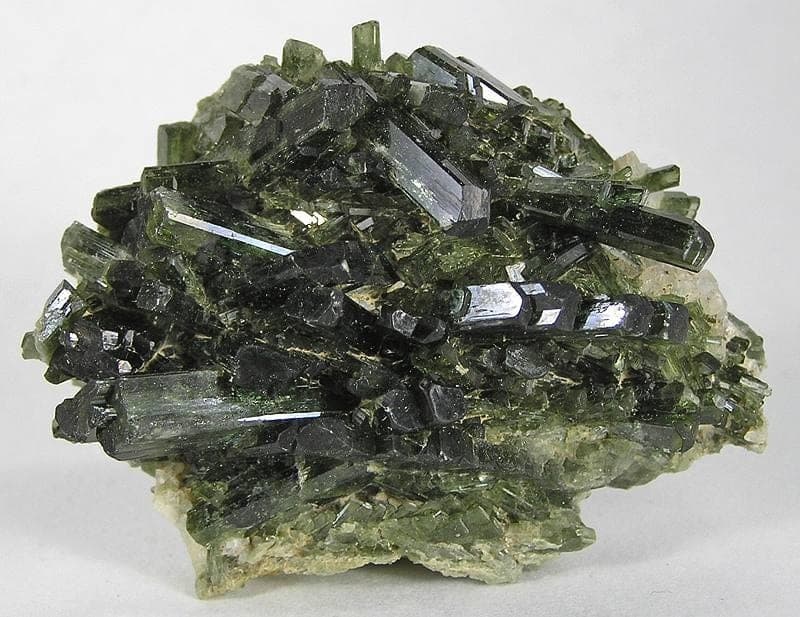
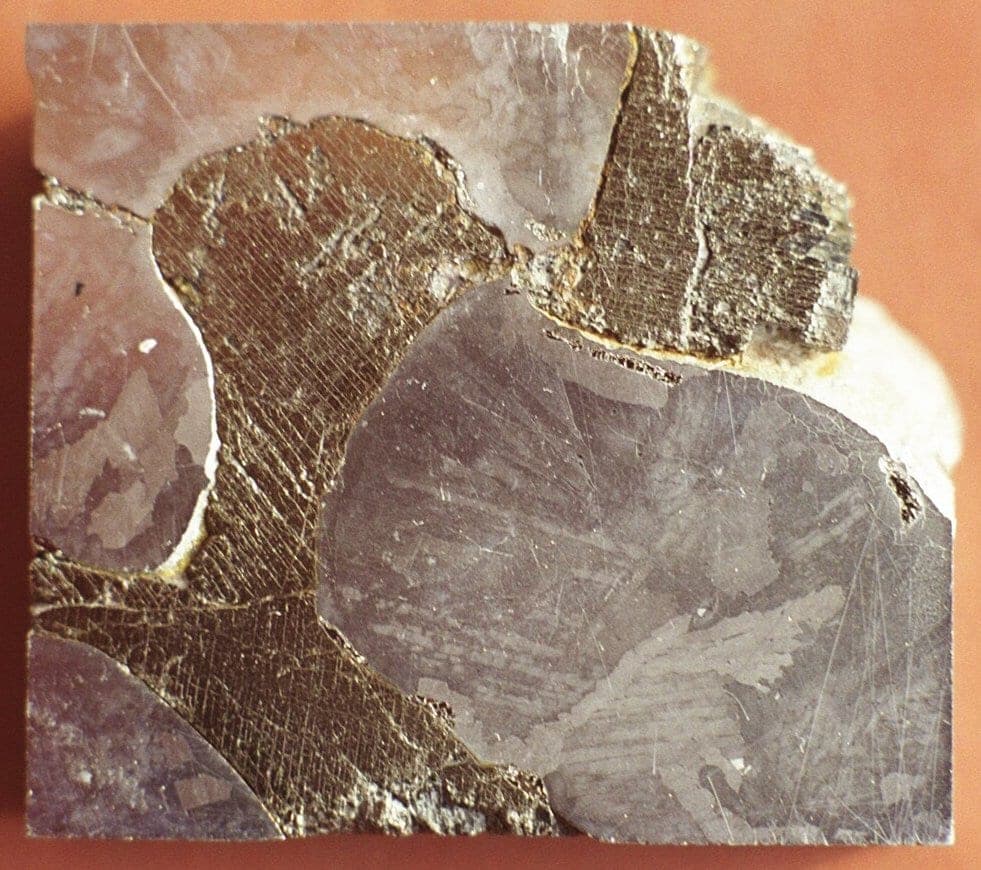
Minerals reported to co-occur with chondrite. Spotting these in float or country rock is a strong cue you are in the right ground.
All properties
- Mohs hardness
- 5-6
- Density
- 3.0-3.7 g/cm³
- Streak
- None, or a weak grayish streak if pressed hard
- Luster
- Dull
- Transparency
- Opaque
- Rarity
- Common
- Uses
- Collector, Scientific research
- Host rock
- extraterrestrial origin
- Texture
- Contains chondrules, round grains formed as molten droplets in space
- Composition
- Chondrules make up 20 to 80 percent by volume, with metallic iron-nickel, sulfides and silicate grains
Where rockhounds find chondrite
Classic worldwide localities
- Antarctica
- Sahara Desert
- Northwest Africa
- Atacama Desert
Field-hunting tip
Where it forms: extraterrestrial origin. If you start seeing olivine, pyroxene, iron-nickel alloy in float, you are in the right ground.
Common questions
How do you identify chondrite?+
Mohs hardness is 5-6. Texture: Contains chondrules, round grains formed as molten droplets in space. Composition: Chondrules make up 20 to 80 percent by volume, with metallic iron-nickel, sulfides and silicate grains. Luster: dull. The streak is none, or a weak grayish streak if pressed hard. Common colors include gray, brown, black.
Where is chondrite found?+
Notable localities include Antarctica; Sahara Desert; Northwest Africa; Atacama Desert.
What minerals are found with chondrite?+
Chondrite commonly co-occurs with olivine, pyroxene, iron-nickel alloy, troilite. Spotting any of these in float or country rock is a useful trip signal.
What kind of rock does chondrite form in?+
Where it forms: extraterrestrial origin. Working float back to the host body is the standard way to chase a fresh occurrence.
What is chondrite used for?+
Chondrite is used in collector, scientific research.
Find chondrite on the map
RockHoundR shows mapped rockhounding spots, access rules, and lets you log every find.

