Copalite is a semi-fossilized tree resin that is younger and less polymerized than true amber. It is commonly identified by its solubility in organic solvents like alcohol and its lower melting point, often showing a sticky surface when solvent is applied.
Hardness
2-2.5
Mohs
Luster
Resinous
Transparency
Transparent
Is this copalite?
3-step field checkRun through these checks against the specimen in your hand. The more boxes tick, the more confident the ID.
- 1Test the hardnessTry to scratch copalite with a known reference. Copalite sits at Mohs 2-2.5, softer than the next harder reference, harder than the previous one.
- 2Read the lusterHold the specimen under a strong light. Luster: resinous.
- 3Match the color rangeCompare against the expected color range: yellow, orange, brown.
Often confused with
Copalite vs. its common look-alikes, and how to tell them apart in the field.
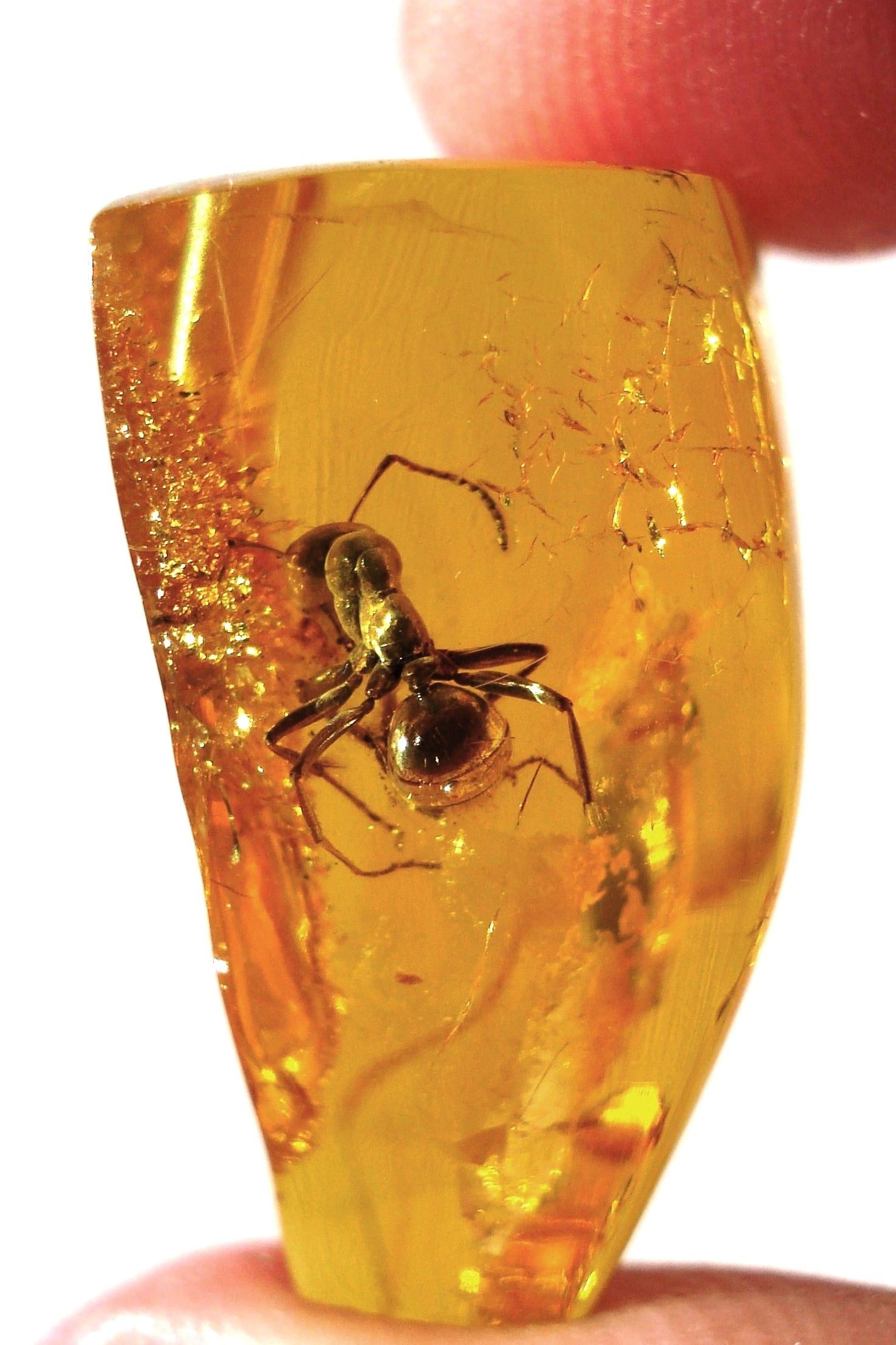
All properties
- Mohs hardness
- 2-2.5
- Density
- 1.05-1.07 g/cm³
- Luster
- Resinous
- Transparency
- Transparent
- Rarity
- Common
- Uses
- Collector, Decorative
- Host rock
- sedimentary deposits
Where rockhounds find copalite
1 mapped spotsClassic worldwide localities
- Colombia
- Madagascar
- Tanzania
- Dominican Republic
- United Kingdom
Field-hunting tip
Where it forms: sedimentary deposits. In the U.S., the densest reported localities are in Utah. Start trip planning there.
More copalite photos
Common questions
How do you identify copalite?+
Mohs hardness is 2-2.5. Luster: resinous. Common colors include yellow, orange, brown.
Where is copalite found?+
Notable localities include Colombia; Madagascar; Tanzania; Dominican Republic; United Kingdom.
Can I find copalite in the United States?+
RockHoundR maps 1 copalite rockhounding spots across 1 U.S. states. The top states are Utah.
What rocks look like copalite?+
Copalite is most often confused with Amber. A quick hardness test and a streak check separate the look-alikes faster than color alone.
What kind of rock does copalite form in?+
Where it forms: sedimentary deposits. Working float back to the host body is the standard way to chase a fresh occurrence.
What is copalite used for?+
Copalite is used in collector, decorative.
Find copalite on the map
RockHoundR shows mapped rockhounding spots, access rules, and lets you log every find.