Corrensite is a regular mixed-layer clay mineral composed of alternating chlorite and swelling trioctahedral smectite layers. It typically forms as an alteration product in volcanic or sedimentary rocks and is often identified via X-ray diffraction due to its subtle structural differences from standard chlorite.
Is this corrensite?
5-step field checkRun through these checks against the specimen in your hand. The more boxes tick, the more confident the ID.
- 1Test the hardnessTry to scratch corrensite with a known reference. Corrensite sits at Mohs 1-2, softer than the next harder reference, harder than the previous one.
- 2Check the streakDrag the specimen across an unglazed porcelain plate. Streak: white.
- 3Read the lusterHold the specimen under a strong light. Luster: dull, earthy.
- 4Match the color rangeCompare against the expected color range: white, pink, brown, gray, yellowish green.
- 5Look at form & habitCrystal system: orthorhombic. Typical habit: aggregates, microscopic crystals, platy.
Often confused with
Corrensite vs. its common look-alikes, and how to tell them apart in the field.
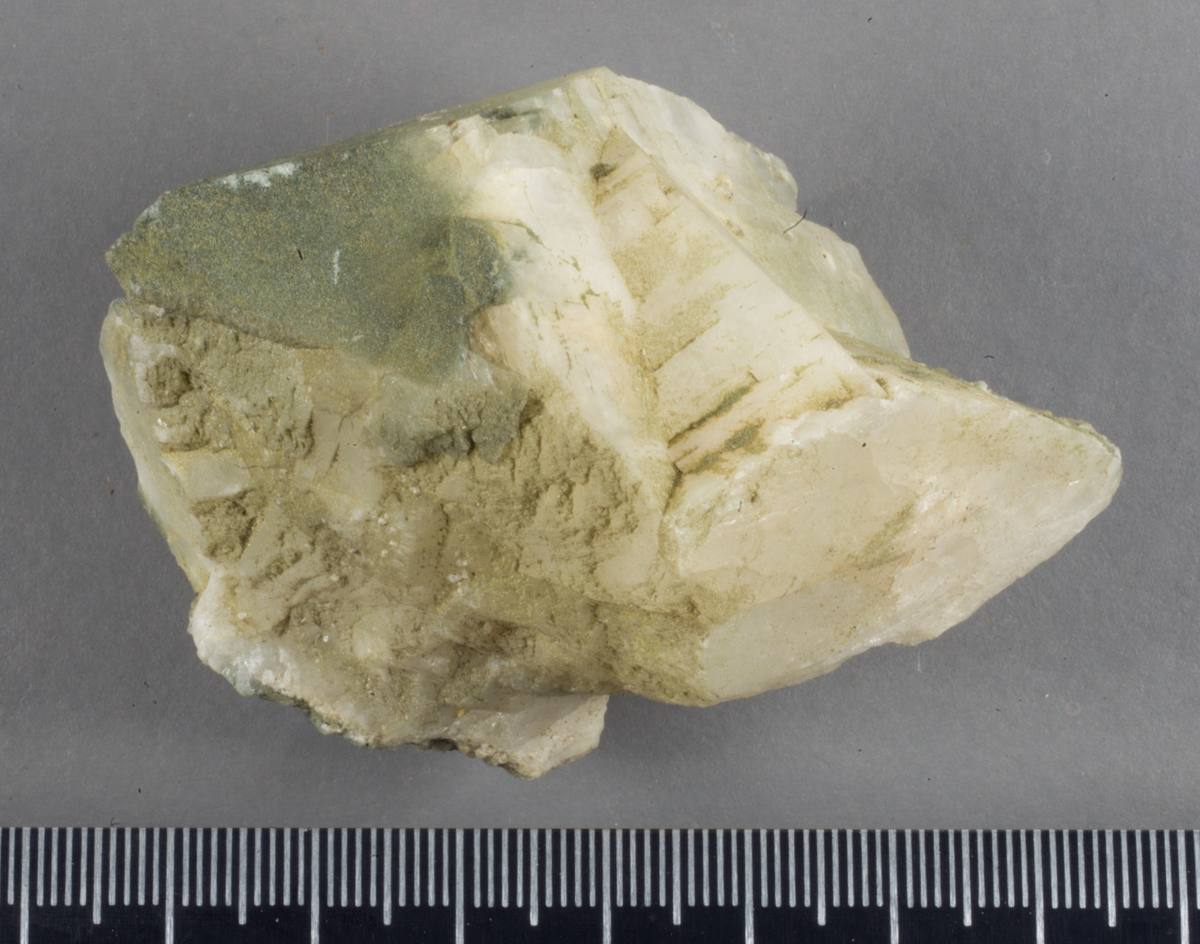
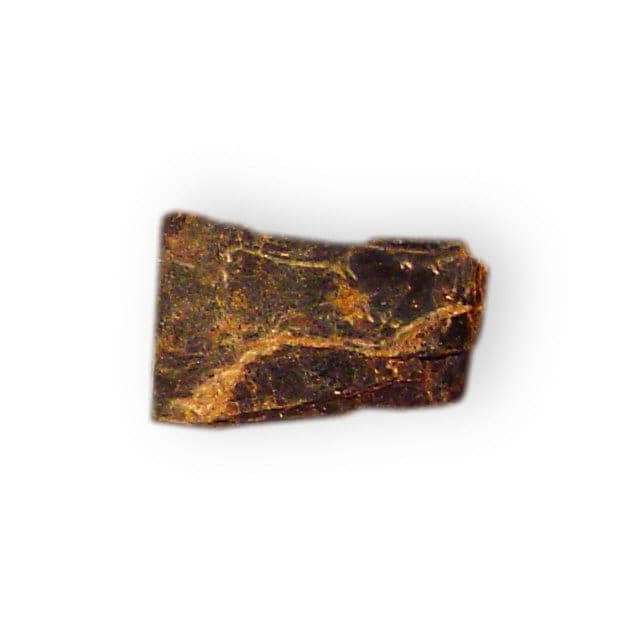
Often found alongside corrensite
Minerals reported to co-occur with corrensite. Spotting these in float or country rock is a strong cue you are in the right ground.
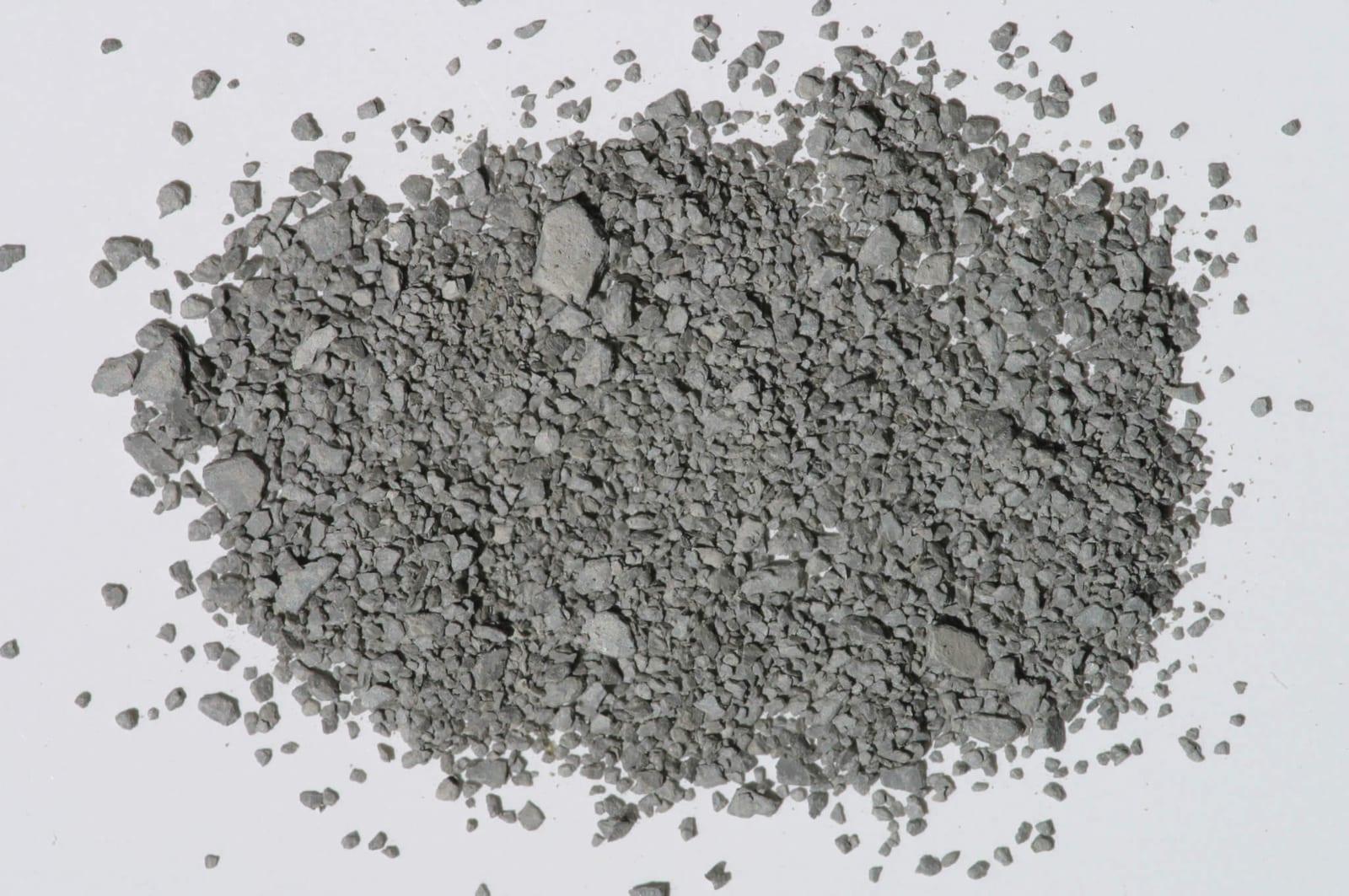
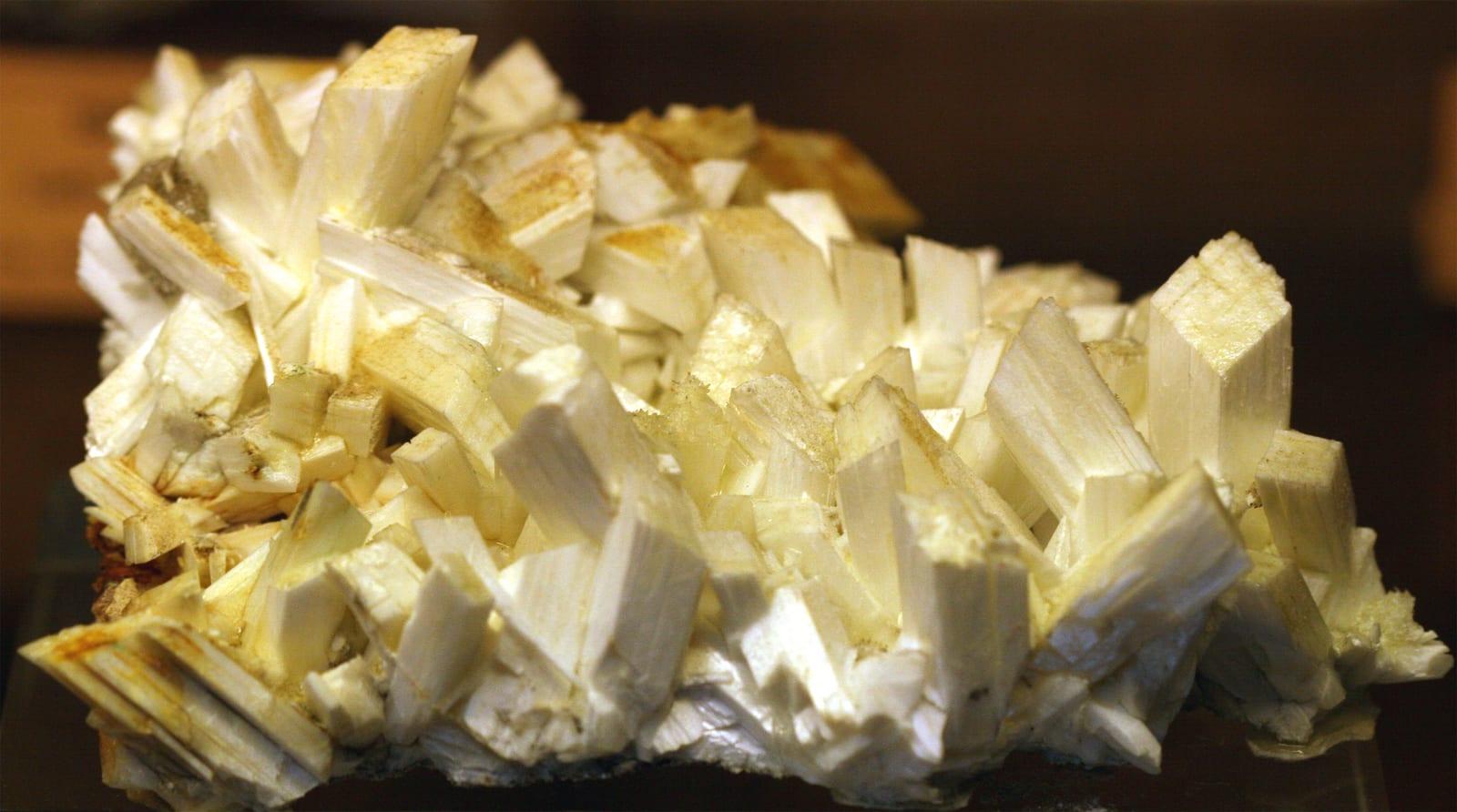
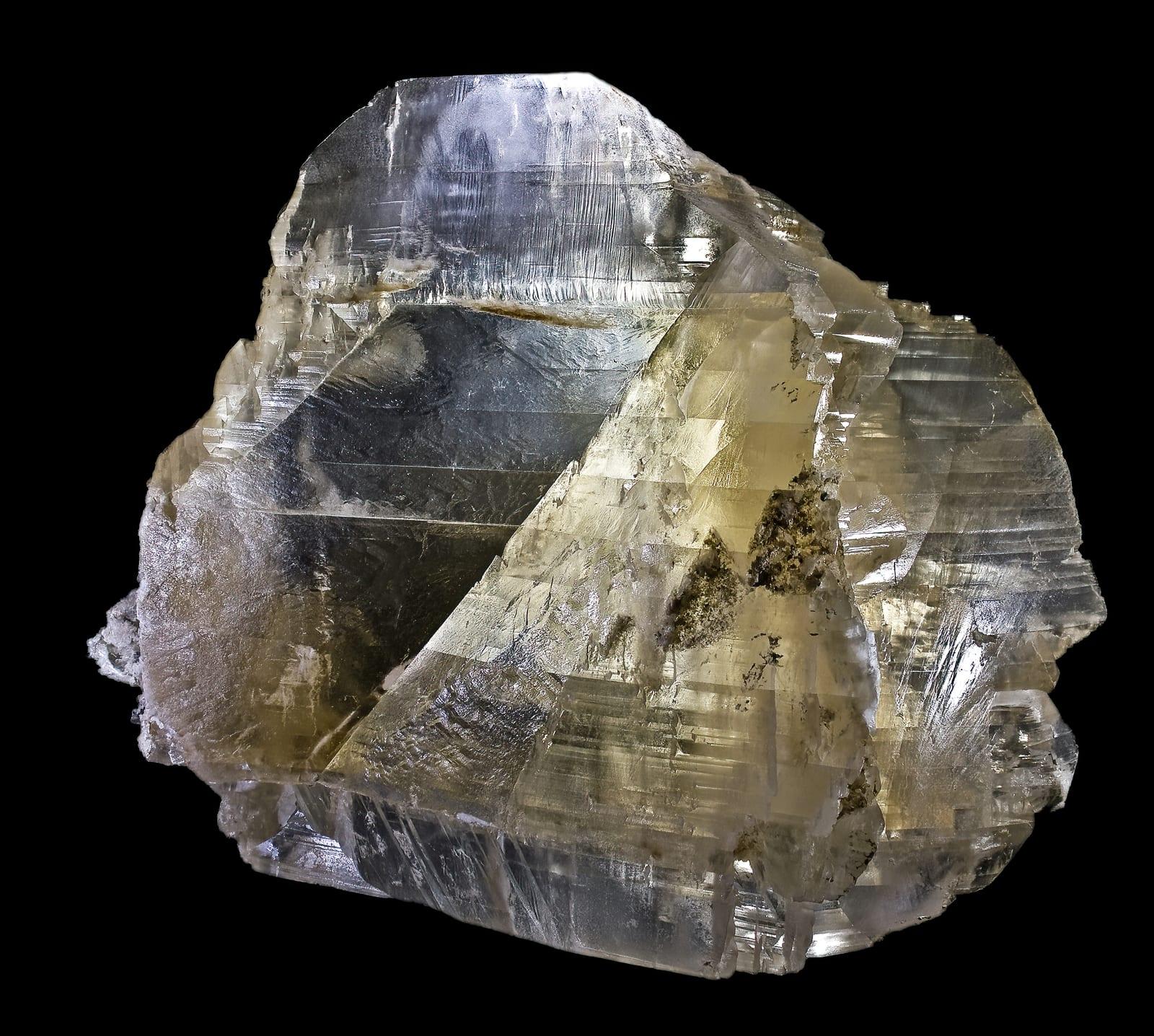
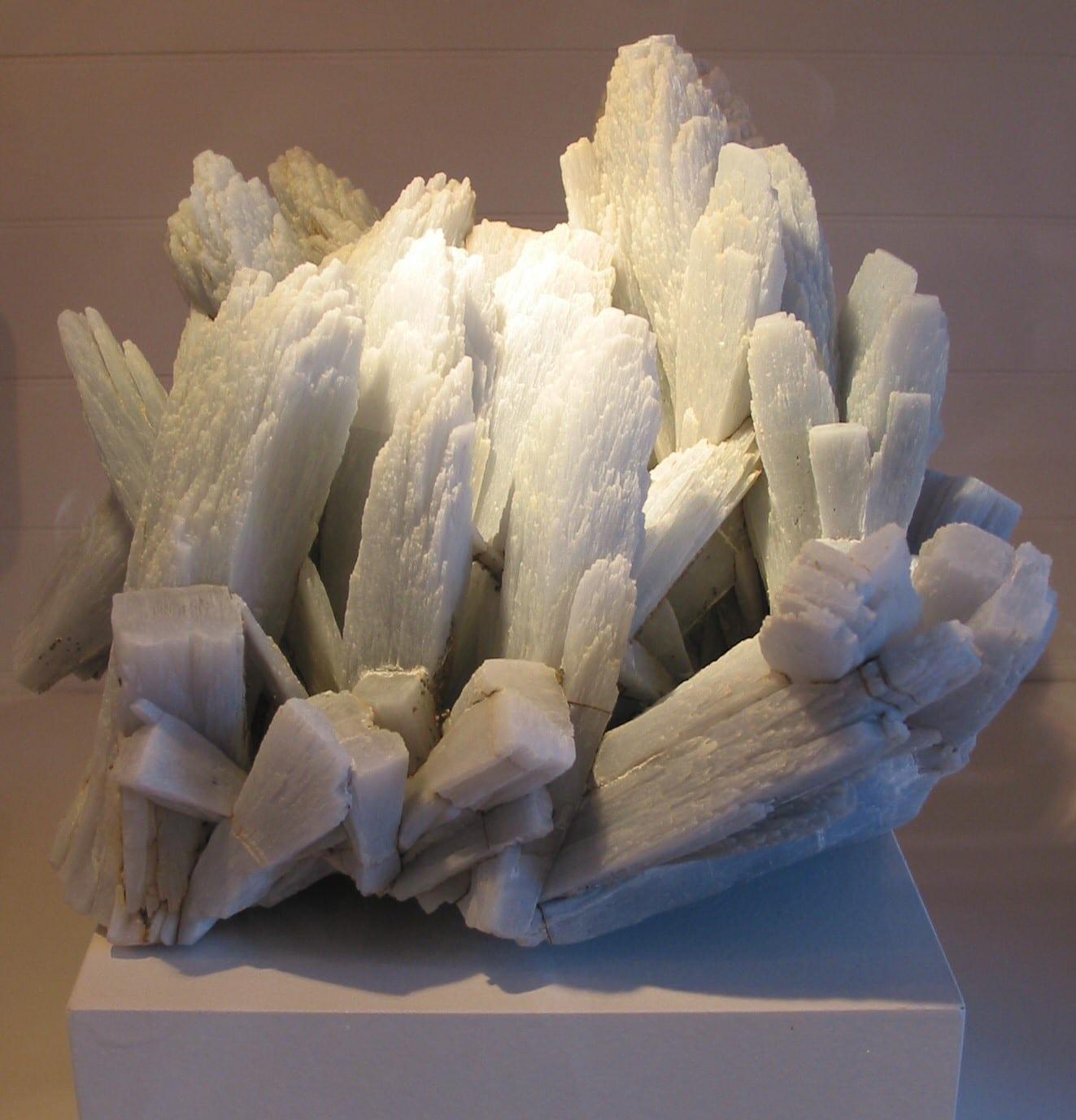
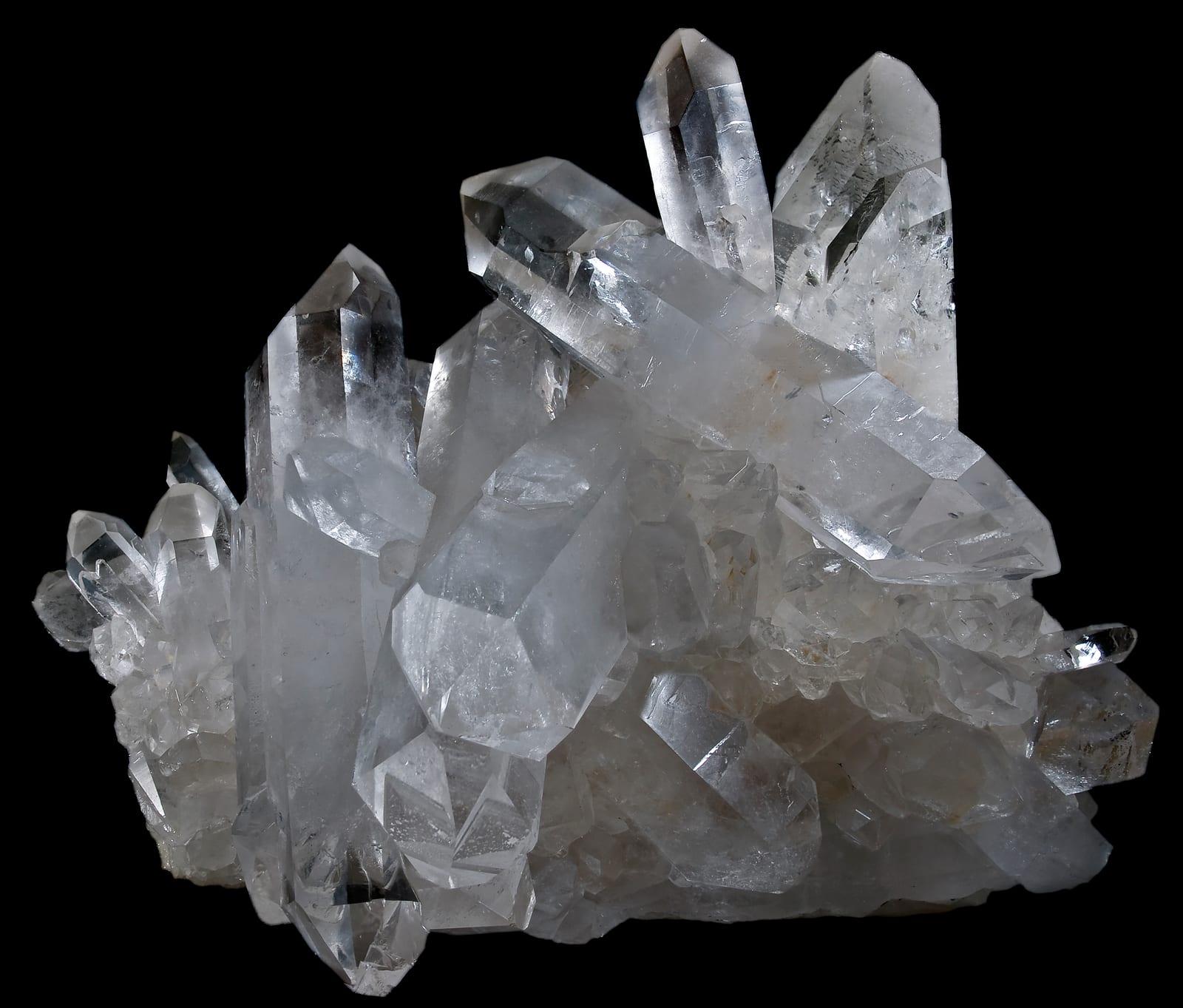
All properties
- Chemical formula
- (Ca,Na,K)₁-x(Mg,Fe,Al)₉(Si,Al)₈O₂₀(OH)₁₀·nH₂O
- Mohs hardness
- 1-2
- Density
- 2.4-2.8 g/cm³
- Streak
- White
- Luster
- Dull, earthy
- Transparency
- Semitransparent
- Crystal system
- Orthorhombic
- Crystal habit
- Aggregates, microscopic crystals, platy
- Cleavage
- Perfect basal
- Rarity
- Uncommon
- Uses
- Collector, Scientific research
- Host rock
- From diverse sedimentary environments, which produced clastic, carbonate, volcanoclastic, or evaporite rocks
Where rockhounds find corrensite
Classic worldwide localities
- Juniper Canyon, Moffat Co., Colorado, USA
- Wellington Formation, in Lyon Co., Kansas, USA
- County rock quarry, Sparta, White Co., Tennessee, USA
- A number of localities in west-central Montana, as between Bowman's Corner and Wolf Creek, Lewis and Clark Co., USA
- Zaiserweiher, three km from Maulbronn, Baden-Württemberg, and at the Hünstollen, near Holserode, Lower Saxony, Germany
- Wilkesley, near Audlem, Cheshire, England
Field-hunting tip
Where it forms: From diverse sedimentary environments, which produced clastic, carbonate, volcanoclastic, or evaporite rocks. If you start seeing illite, chlorite, laumontite in float, you are in the right ground. Typical habit: aggregates, microscopic crystals, platy. Train your eye for that shape before scanning the outcrop.
Common questions
How do you identify corrensite?+
Where is corrensite found?+
What rocks look like corrensite?+
What minerals are found with corrensite?+
What kind of rock does corrensite form in?+
What is corrensite used for?+
Find corrensite on the map
RockHoundR shows mapped rockhounding spots, access rules, and lets you log every find.