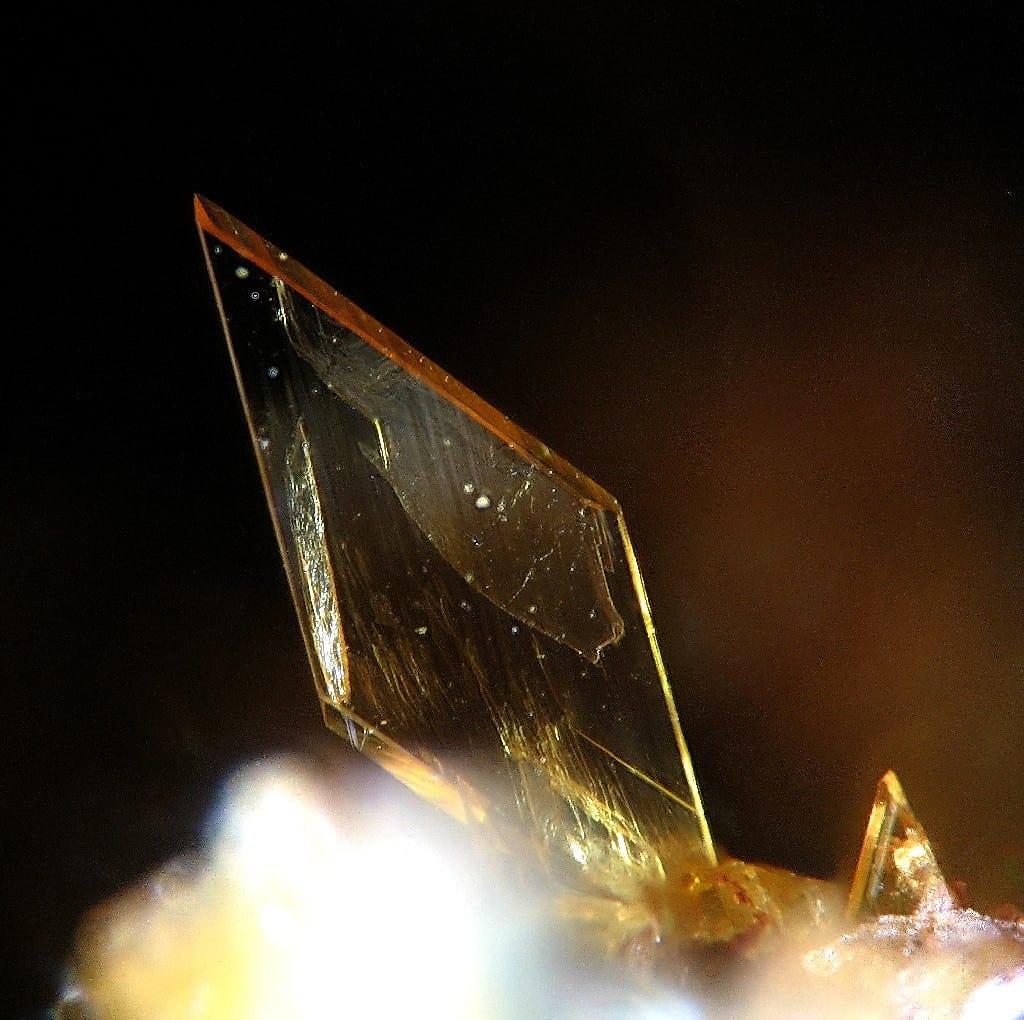
Fairfieldite is an attractive secondary phosphate mineral typically found as bladed crystals or radial sprays in granite pegmatites. It is prized by collectors for its delicate crystal forms, although it is quite brittle and should be handled with care.
Is this fairfieldite?
5-step field checkRun through these checks against the specimen in your hand. The more boxes tick, the more confident the ID.
- 1Test the hardnessTry to scratch fairfieldite with a known reference. Fairfieldite sits at Mohs 3.5, softer than the next harder reference, harder than the previous one.
- 2Check the streakDrag the specimen across an unglazed porcelain plate. Streak: white.
- 3Read the lusterHold the specimen under a strong light. Luster: pearly to subadamantine, vitreous on the {001} cleavage.
- 4Match the color rangeCompare against the expected color range: white, greenish white, light yellow.
- 5Look at form & habitCrystal system: triclinic. Typical habit: euhedral crystals, fibrous, foliated.
Often confused with
Fairfieldite vs. its common look-alikes, and how to tell them apart in the field.
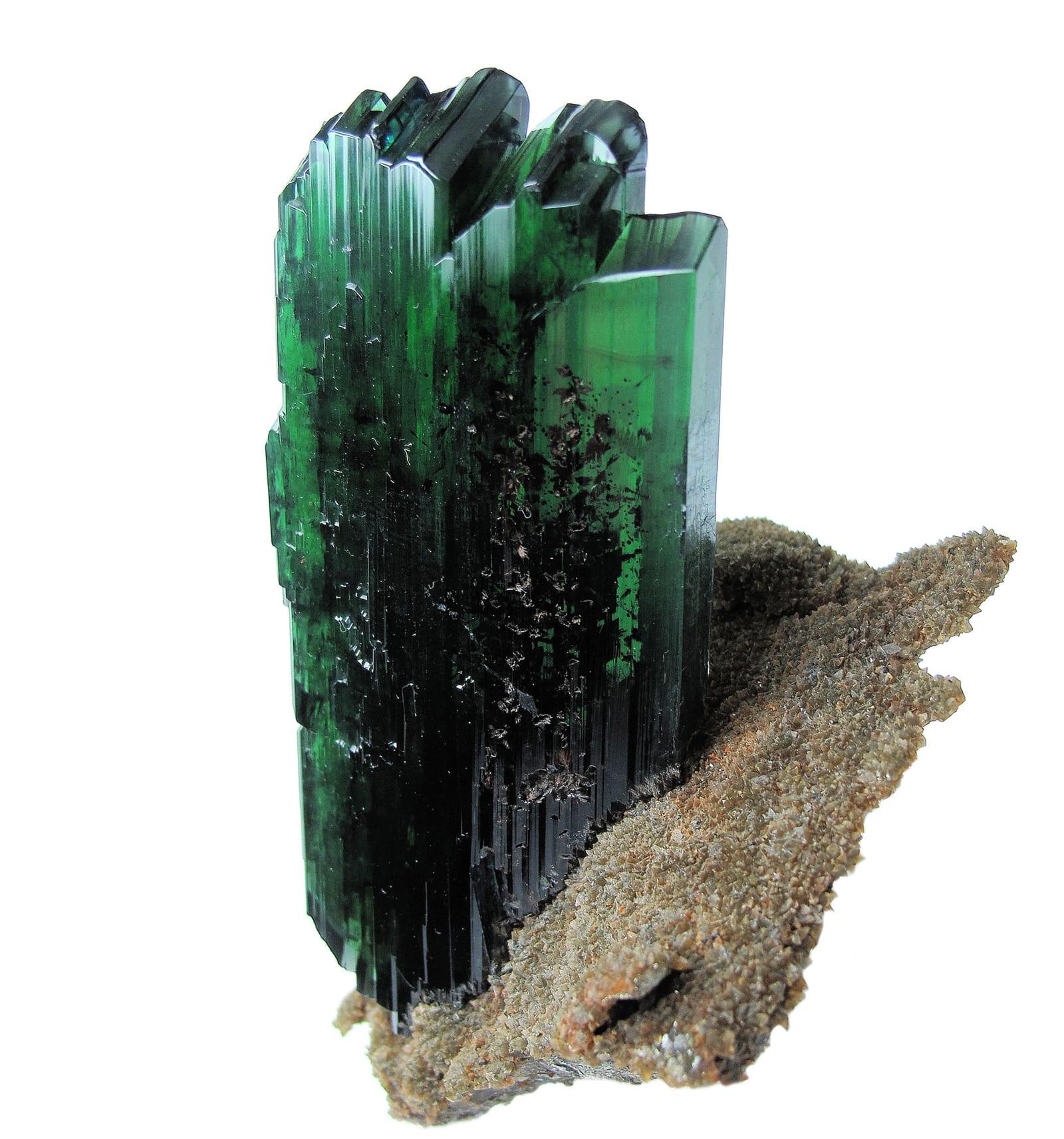
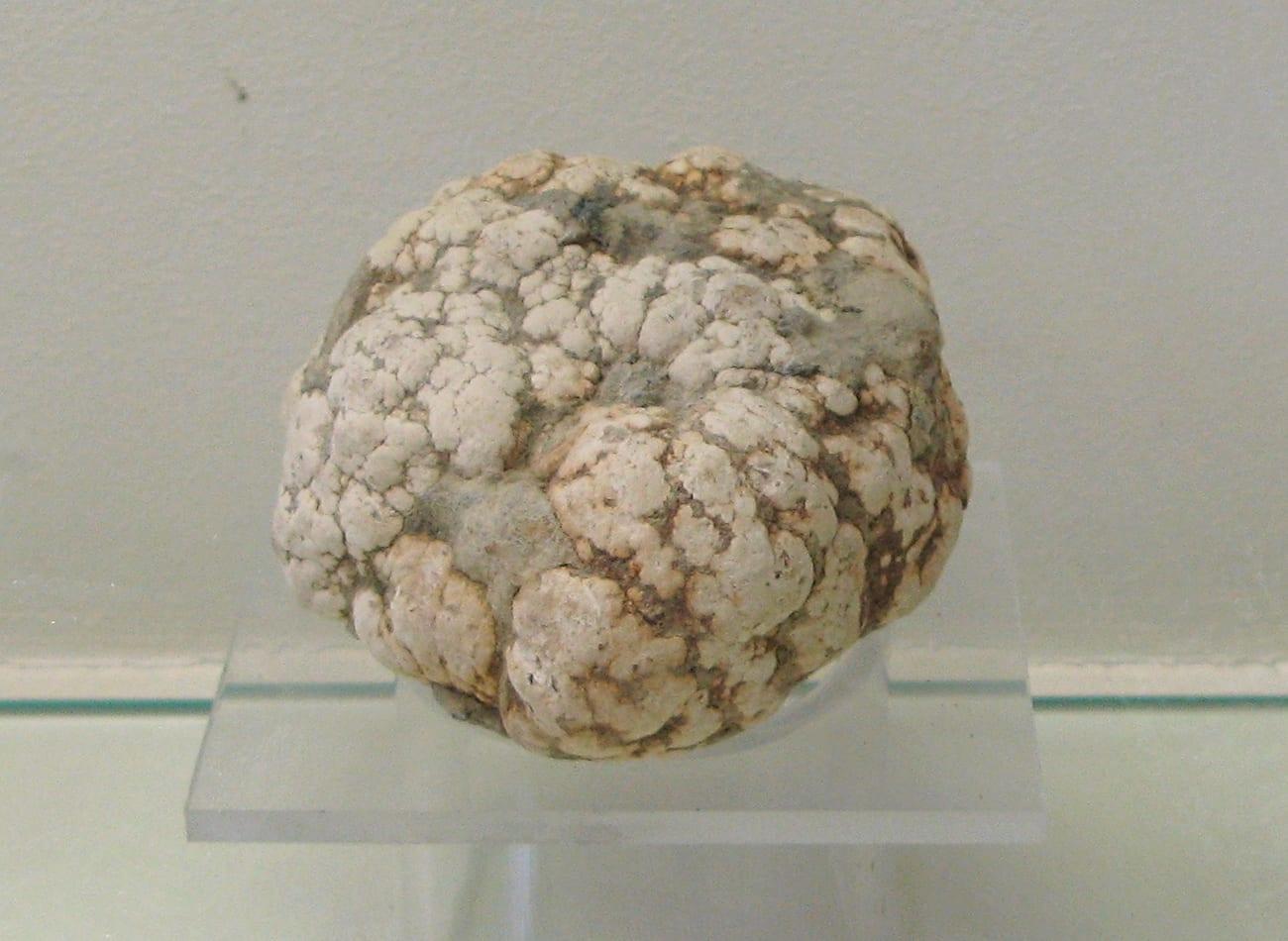
How to tell apart: Fairfieldite is noticeably harder (Mohs 3.5 vs. 1.5-2); luster reads pearly to subadamantine, vitreous on the {001} cleavage on Fairfieldite and vitreous, pearly on the cleavage, dull when earthy on Vivianite.
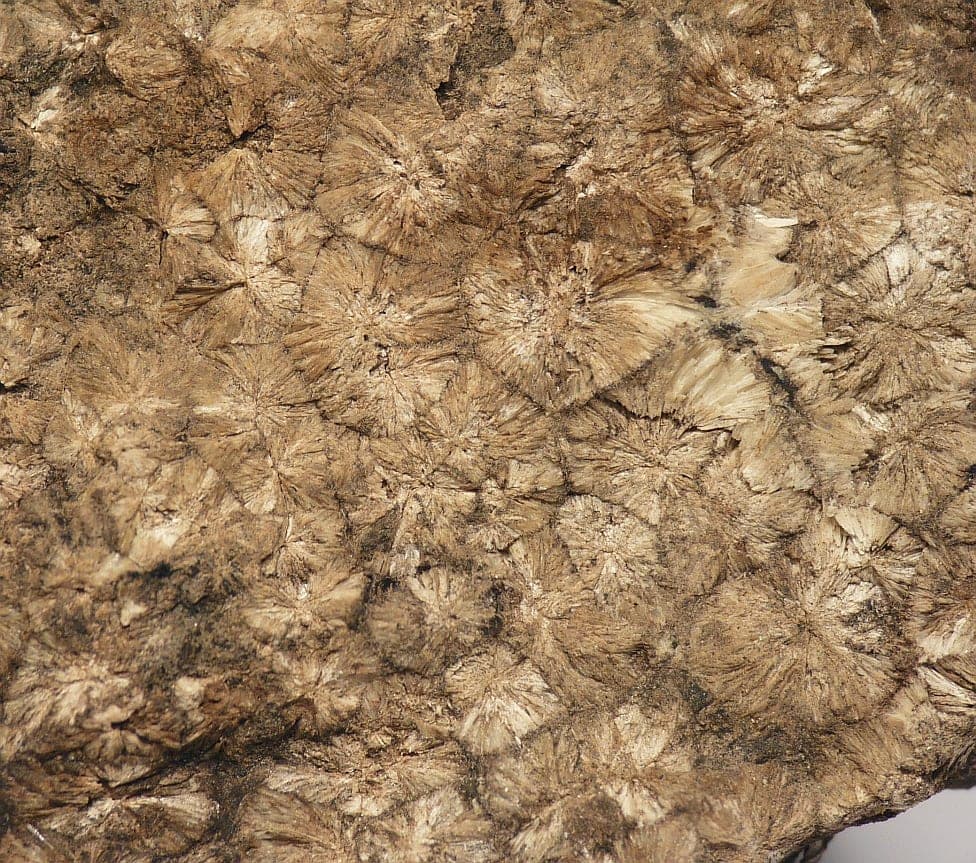
How to tell apart: Luster reads pearly to subadamantine, vitreous on the {001} cleavage on Fairfieldite and vitreous on Messelite.
Often found alongside fairfieldite
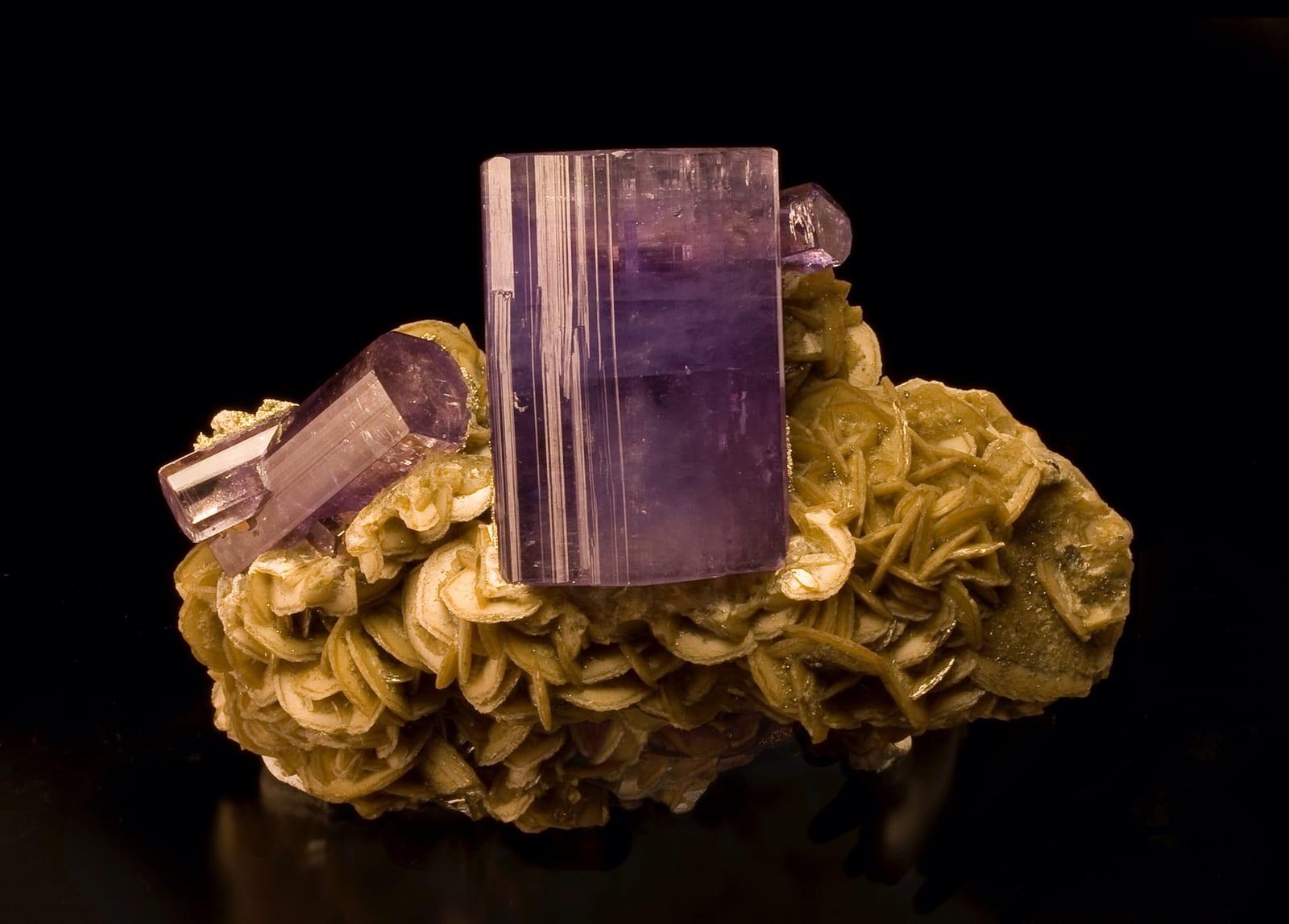
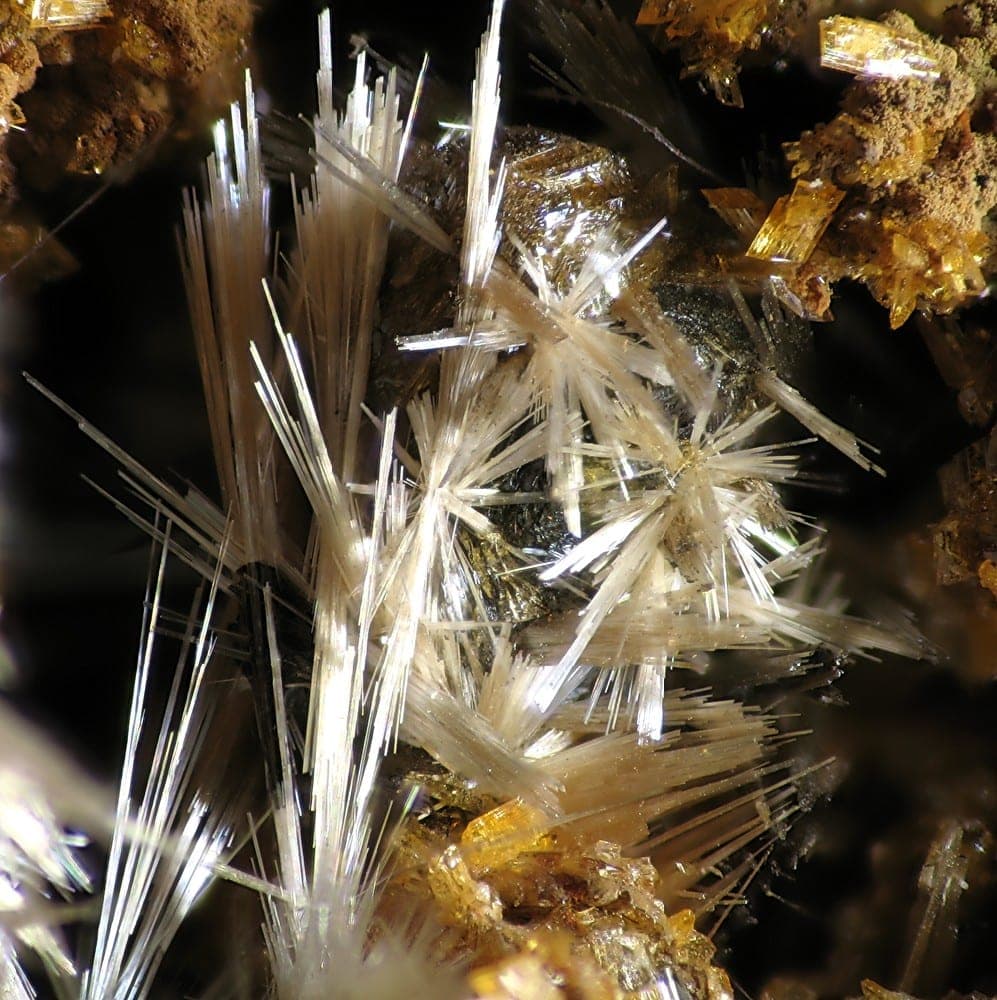
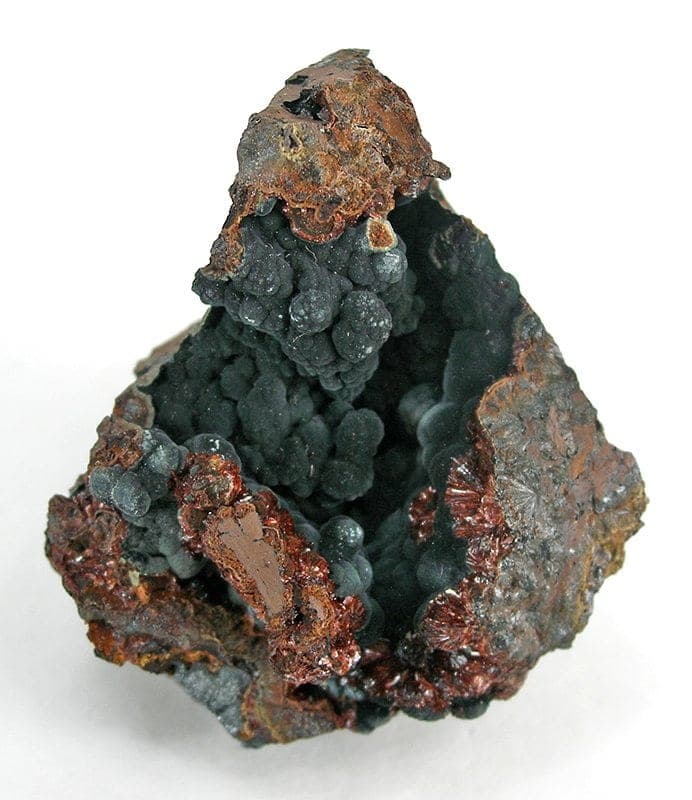
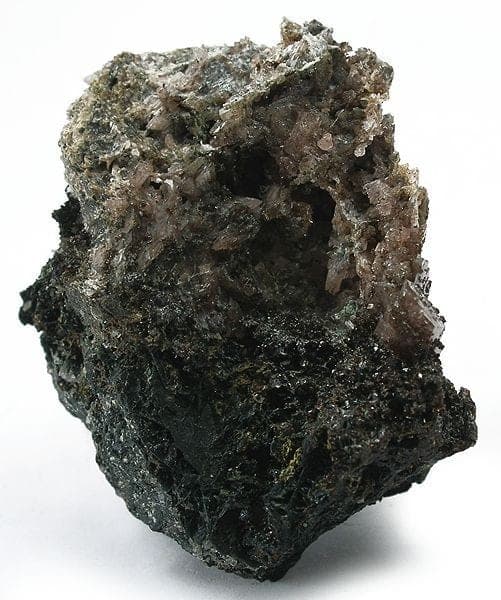
Minerals reported to co-occur with fairfieldite. Spotting these in float or country rock is a strong cue you are in the right ground.
All properties
- Chemical formula
- Ca₂Mn²⁺(PO₄)₂·2H₂O
- Mohs hardness
- 3.5
- Density
- 3.08-3.11 g/cm³
- Streak
- White
- Luster
- Pearly to subadamantine, vitreous on the {001} cleavage
- Transparency
- Transparent
- Crystal system
- Triclinic
- Crystal habit
- Euhedral crystals, fibrous, foliated
- Cleavage
- {001}, perfect; {010}, good; {110}, distinct
- Rarity
- Uncommon
- Uses
- Collector
- Host rock
- An accessory mineral in granite pegmatites
Where rockhounds find fairfieldite
Classic worldwide localities
- Branchville, Fairfield Co., Connecticut, USA
- Oxford Co., as Bennett quarry, Buckfield, in the Nevel quarry, around Newry, from the Emmons quarry, Greenwood, and from the Berry quarry, Poland, Androscoggin Co., Maine, USA
- Foote mine, Kings Mountain, Cleveland Co., North Carolina, USA
- Tip Top mine, 8.5 km southwest of Custer, and the Bull Moose mine, five km southeast of Custer, Custer Co., South Dakota, USA
- Hagendorf, and Hühnerkobel, near Zwiesel, Bavaria, Germany
- Mangualde pegmatite, near Mesquitela, Portugal
Field-hunting tip
Where it forms: An accessory mineral in granite pegmatites. If you start seeing apatite, strunzite, diadochite in float, you are in the right ground. Typical habit: euhedral crystals, fibrous, foliated. Train your eye for that shape before scanning the outcrop.
Common questions
How do you identify fairfieldite?+
Where is fairfieldite found?+
What rocks look like fairfieldite?+
What minerals are found with fairfieldite?+
What kind of rock does fairfieldite form in?+
What is fairfieldite used for?+
Find fairfieldite on the map
RockHoundR shows mapped rockhounding spots, access rules, and lets you log every find.