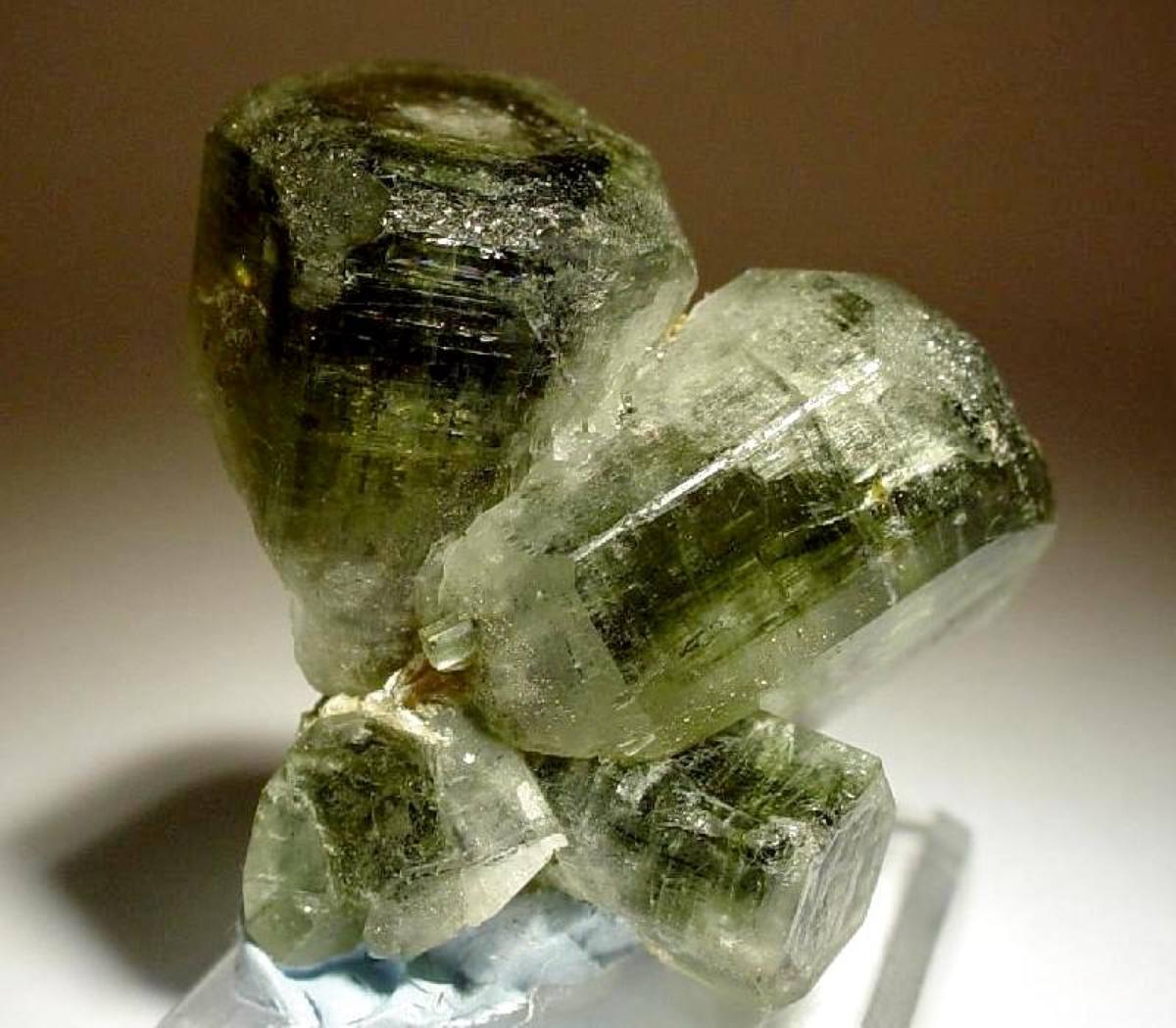
Apatite is a common phosphate mineral known for its wide range of vibrant colors and sharp, hexagonal prismatic crystals. It is a soft mineral, ranking 5 on the Mohs scale, which makes it popular among mineral collectors but challenging for daily-wear jewelry. It is frequently found in pegmatites and metamorphic limestones worldwide.
Spotting apatite in the field
Field marks- 1
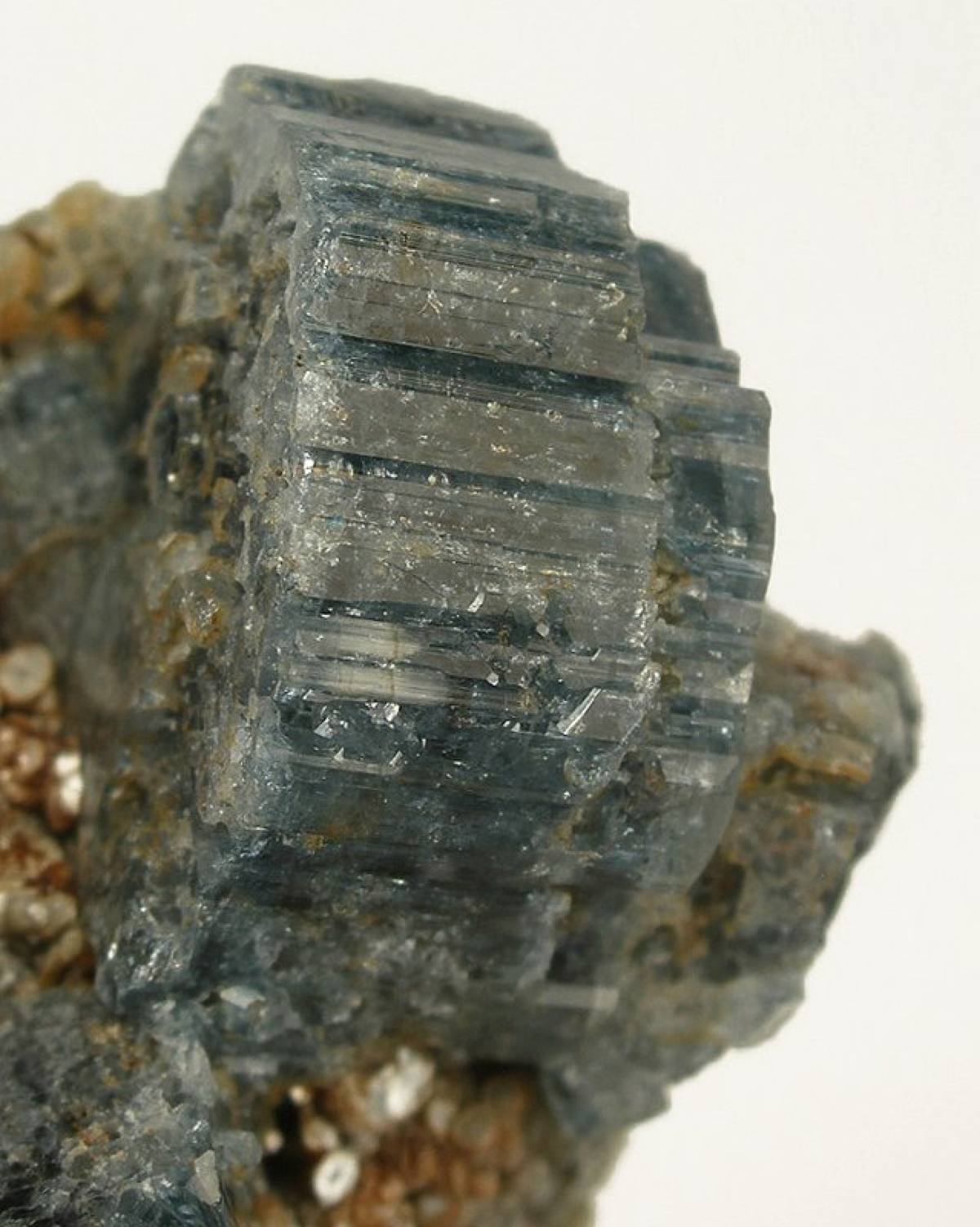
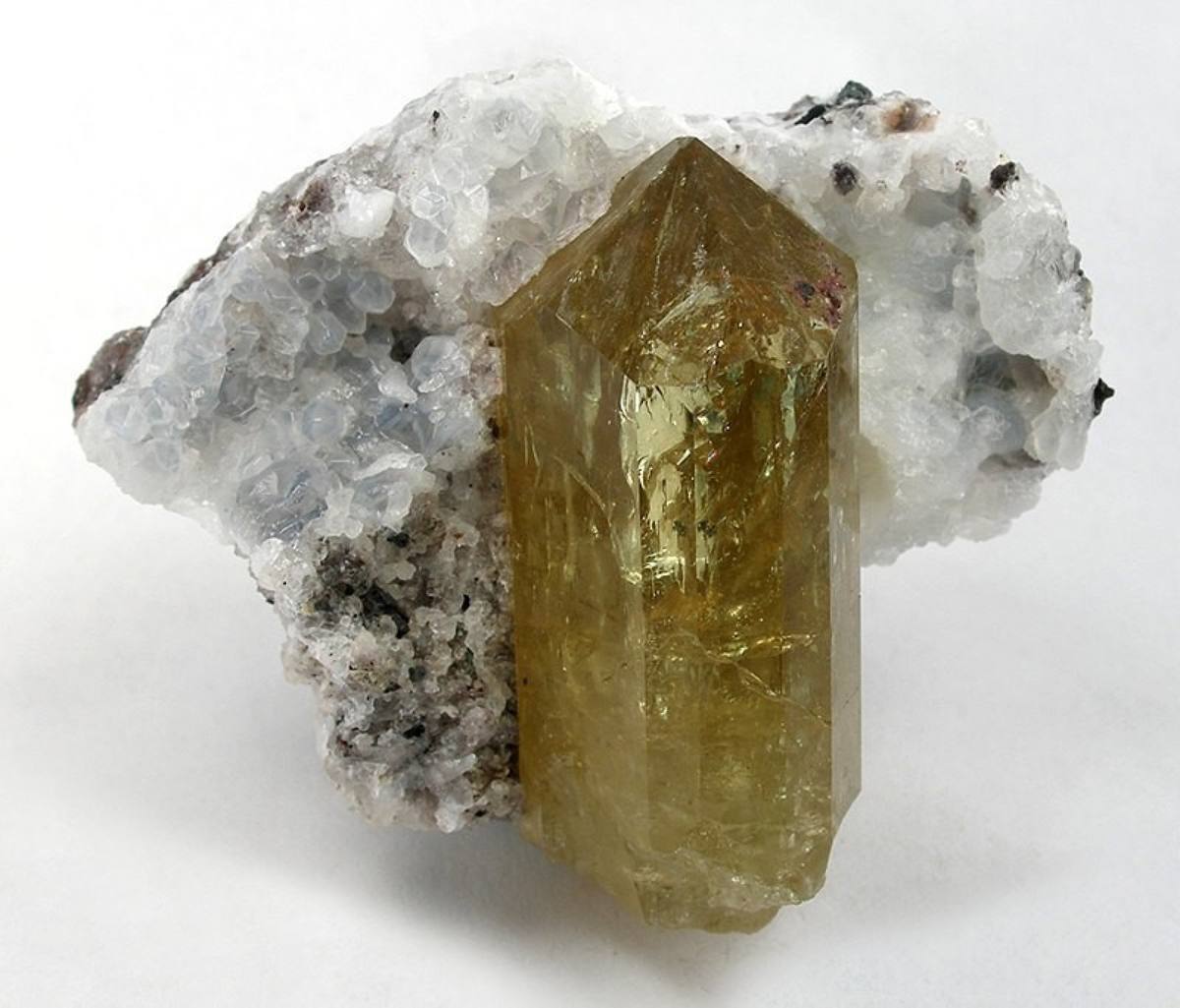
Hexagonal prisms in blue, green, yellow or purple, often glassy
- 2
Hardness 5, the reference mineral for that step, so a knife scratches it easily
- 3
Many specimens fluoresce yellow or orange under ultraviolet light
Apatite's hardness of 5 is its identity: it defines that rung of the Mohs scale, and a steel knife marks it without effort. That single test separates it from the beryl and tourmaline it often sits alongside in pegmatites. It also occurs in marble, skarn and phosphate deposits. Many specimens fluoresce, so a UV light is worth carrying where apatite is expected.
Straight answers
- Is it worth cutting?
- Facets nicely but at hardness 5 it is too soft for a ring that gets worn daily. Better suited to pendants, earrings and collection stones.
- What is it really worth?
- Inexpensive to moderate. Neon blue-green material from Madagascar and Brazil is the most sought after.
- Can you legally keep it?
- Ordinary personal-use collecting rules apply.
Often confused with
Apatite vs. its common look-alikes, and how to tell them apart in the field.
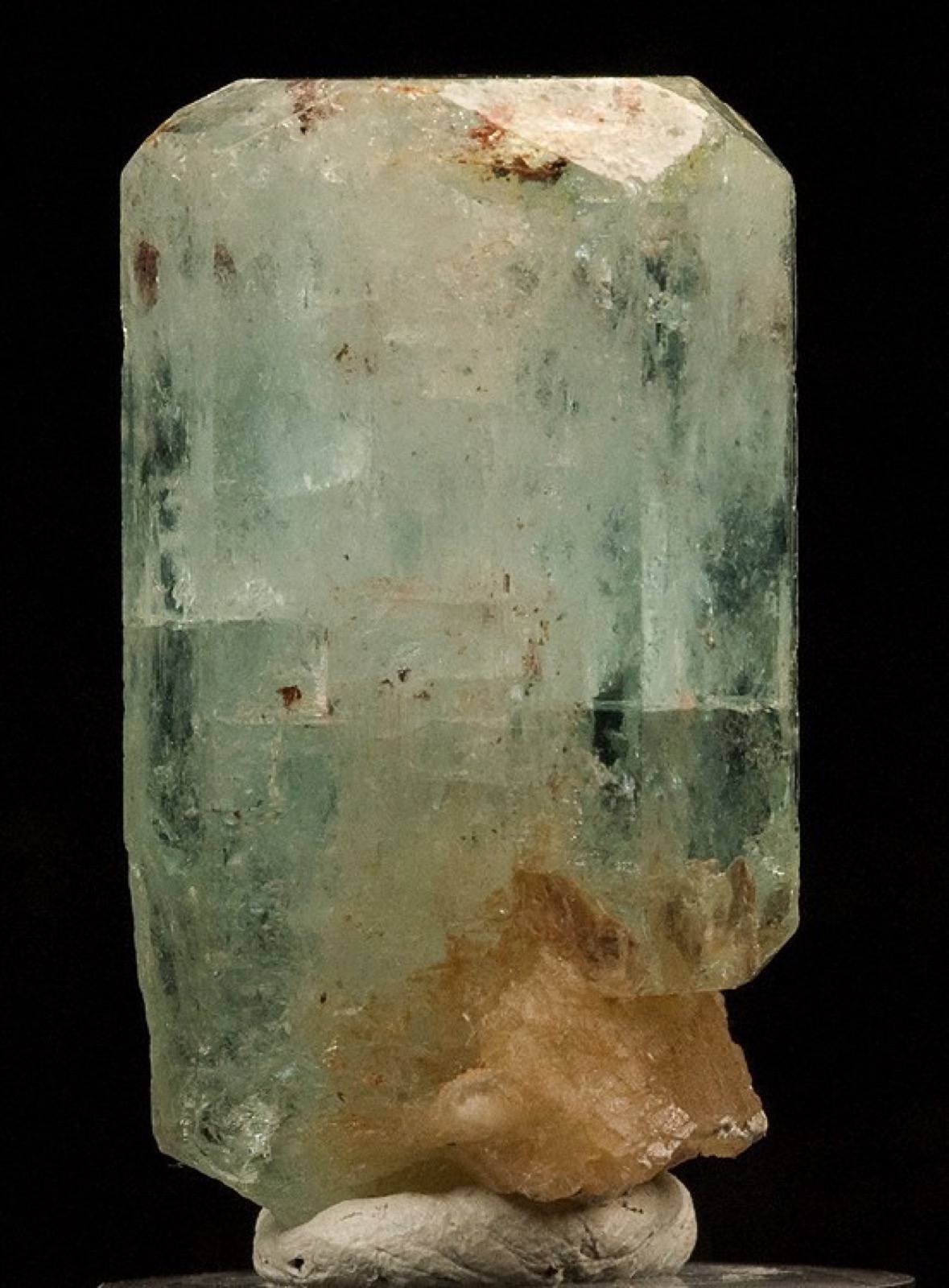
How to tell apart: The classic pegmatite confusion, and hardness settles it. Beryl at 7.5 to 8 resists a knife completely; apatite at 5 marks immediately.
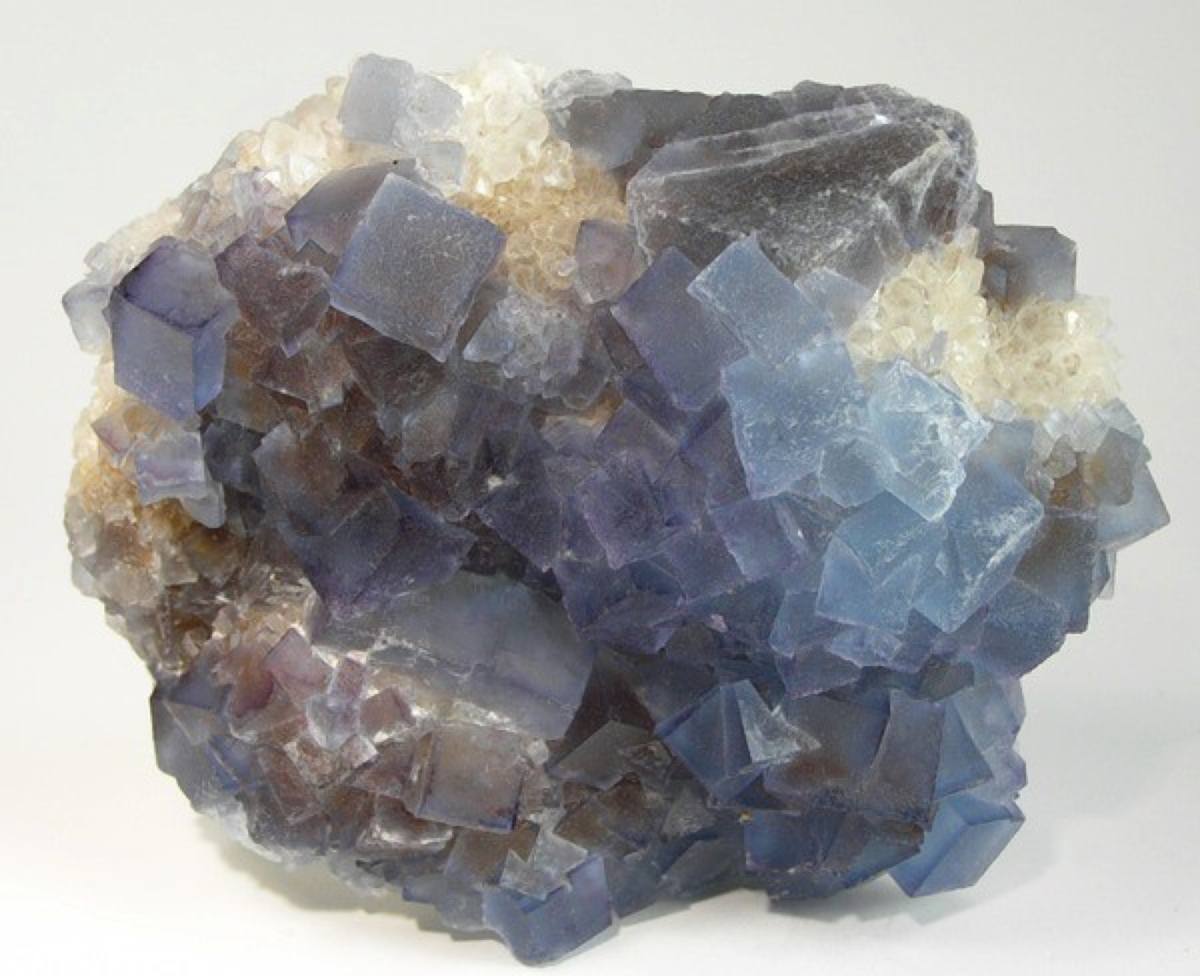
How to tell apart: Fluorite is softer at 4, forms cubes, and has perfect octahedral cleavage. Apatite forms hexagonal prisms with poor cleavage.
Often found alongside apatite
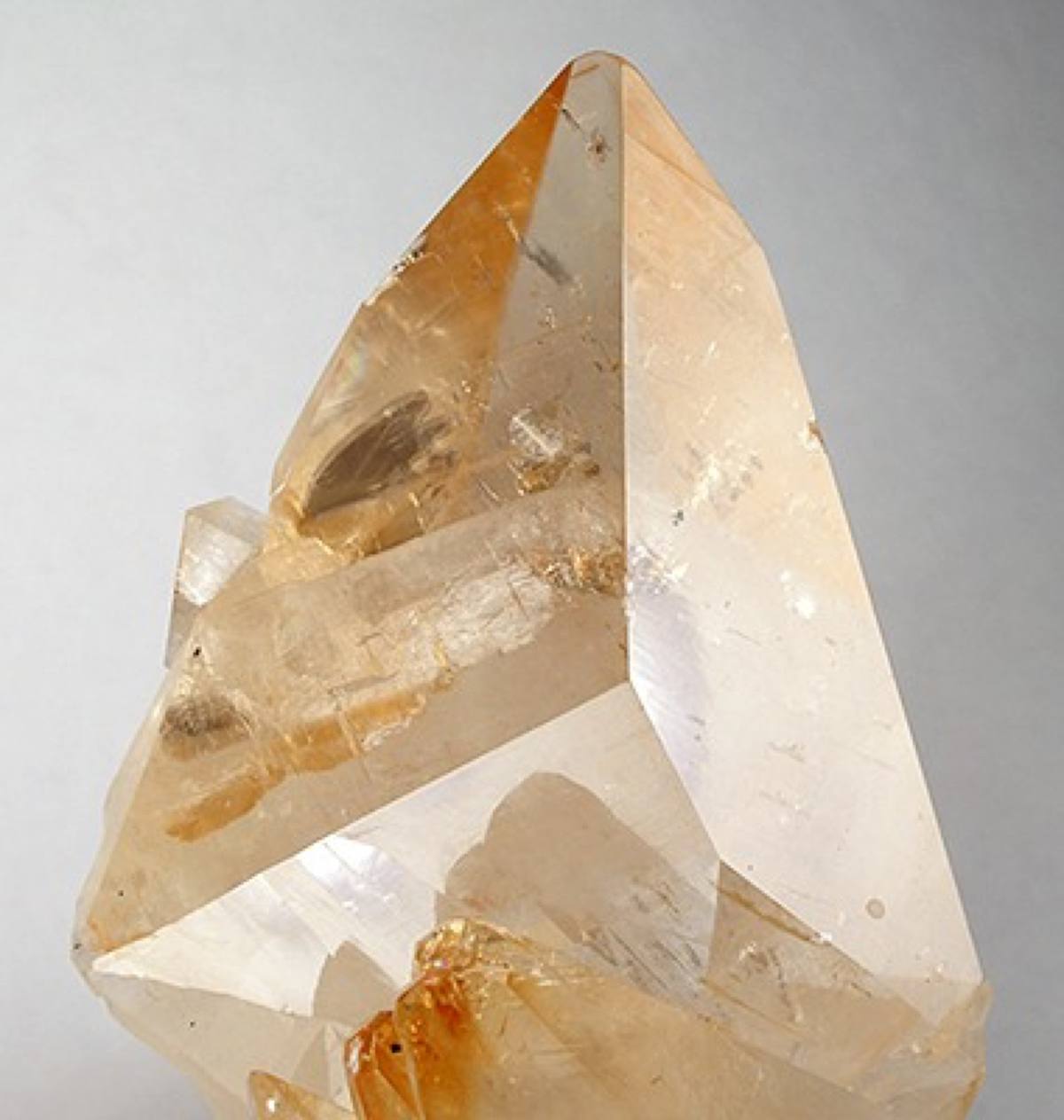
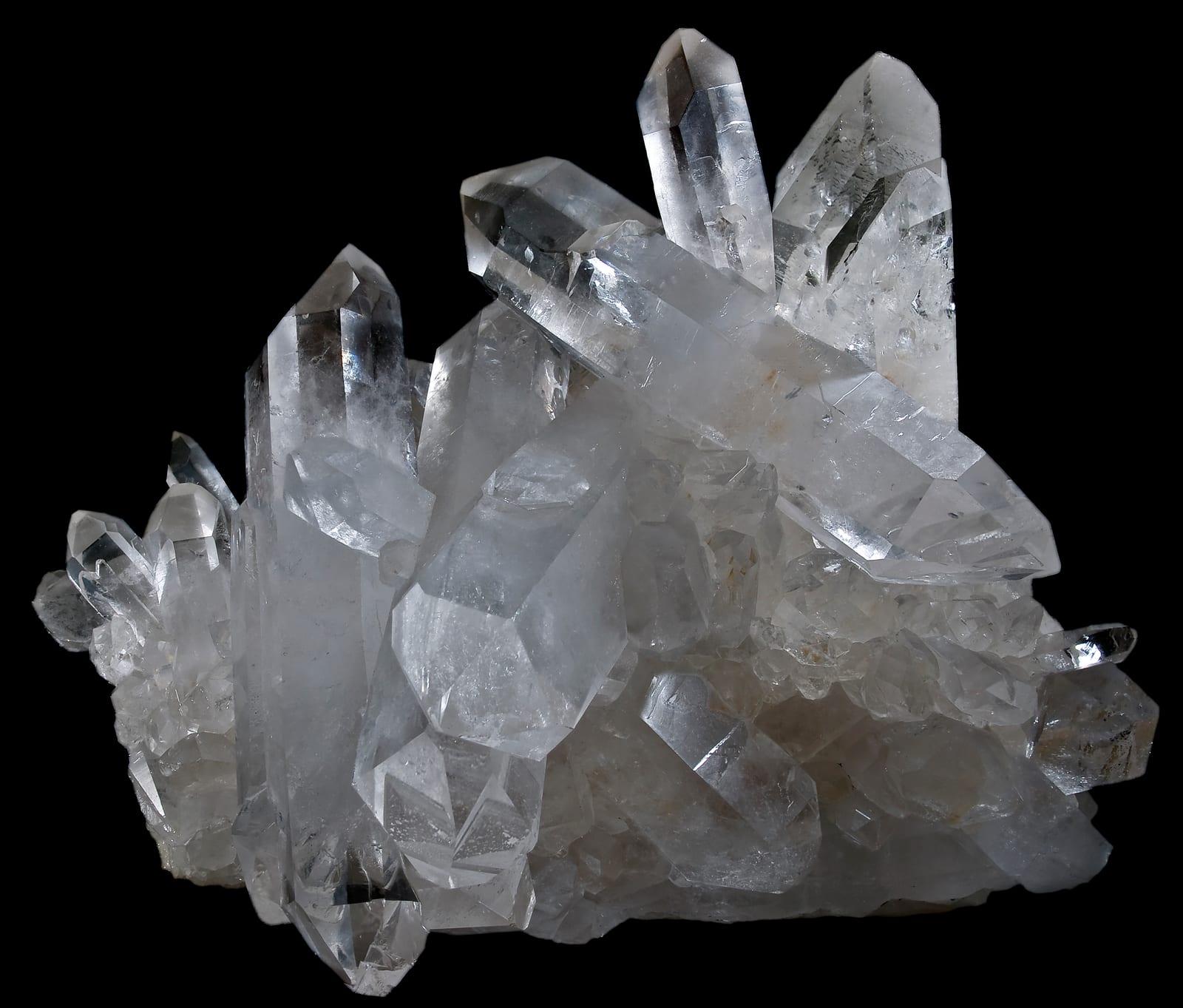
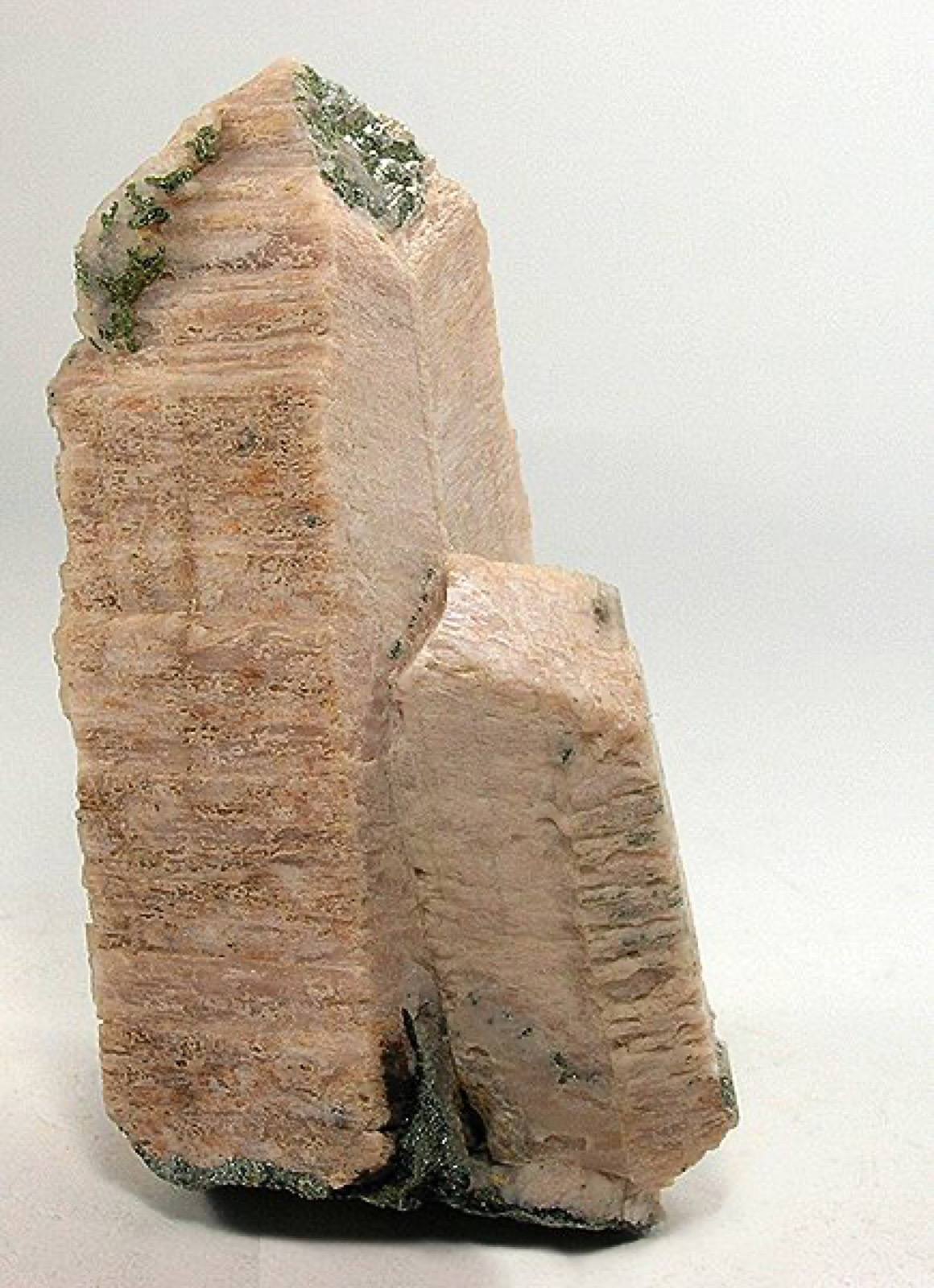
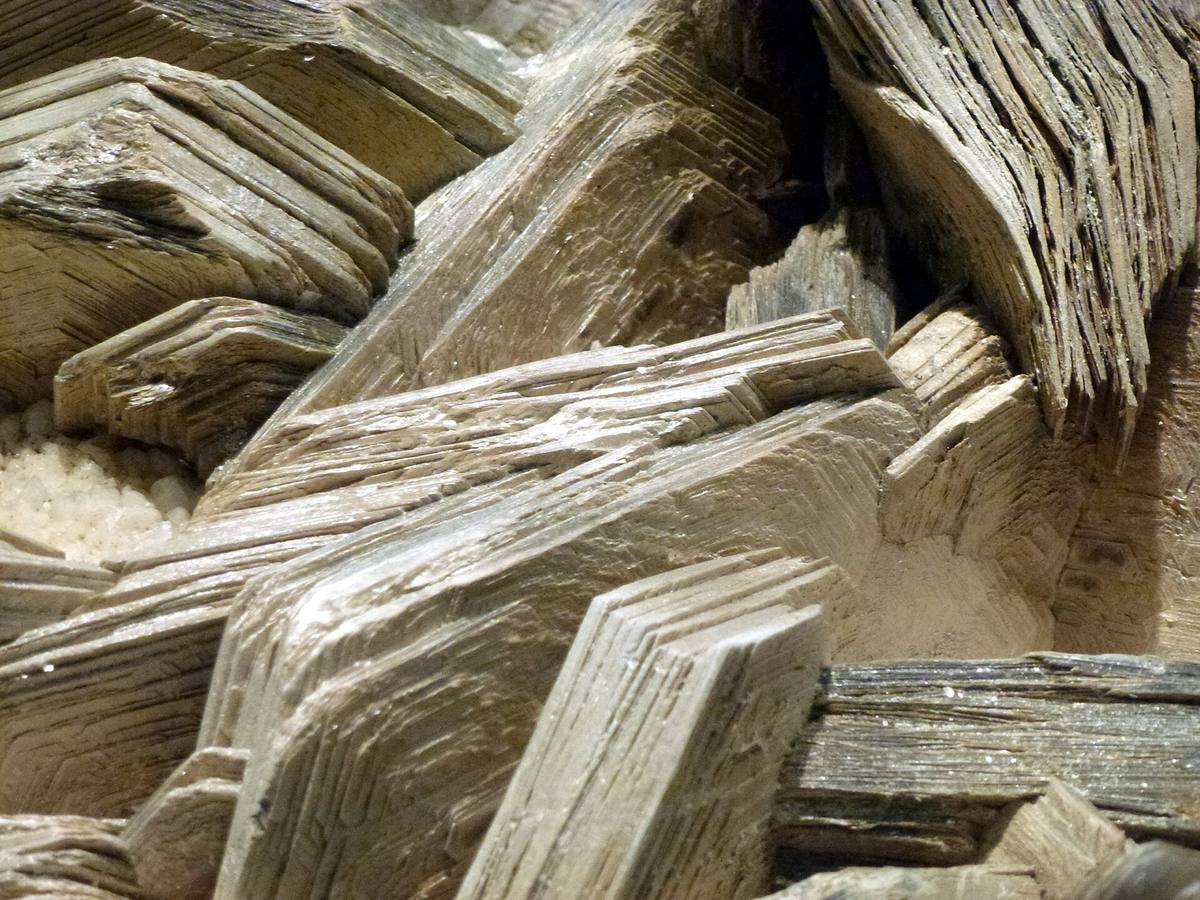
Minerals reported to co-occur with apatite. Spotting these in float or country rock is a strong cue you are in the right ground.
All properties
- Chemical formula
- Ca₅(PO₄)₃(F,Cl,OH)
- Mohs hardness
- 5
- Density
- 3.16-3.22 g/cm³
- Streak
- White
- Luster
- Vitreous
- Transparency
- Transparent
- Crystal system
- Hexagonal
- Crystal habit
- Prismatic crystals, tabular, massive, granular
- Cleavage
- Indistinct on {0001}; indistinct on {1010}
- Rarity
- Common
- Uses
- Collector, Gemstone, Fertilizer precursor
- Host rock
- Apatite is now a group name for a series of related minerals
Where rockhounds find apatite
56 mapped spotsClassic worldwide localities
- Durango, Mexico
- Ontario, Canada
- Madagascar
- Brazil
- Pakistan
- Russia
U.S. states with apatite
Each link opens a state-specific list of mapped rockhounding spots that produce apatite.
Field-hunting tip
Where it forms: Apatite is now a group name for a series of related minerals. If you start seeing calcite, quartz, feldspar in float, you are in the right ground. Typical habit: prismatic crystals, tabular, massive, granular. Train your eye for that shape before scanning the outcrop. In the U.S., the densest reported localities are in Utah, New Jersey, North Carolina. Start trip planning there.
More apatite photos
Common questions
How do you identify apatite?+
Where is apatite found?+
Can I find apatite in the United States?+
What rocks look like apatite?+
What minerals are found with apatite?+
What kind of rock does apatite form in?+
What is apatite used for?+
Find apatite on the map
RockHoundR shows mapped rockhounding spots, access rules, and lets you log every find.