Flint is a hard, cryptocrystalline form of quartz that commonly occurs as nodules in sedimentary rocks like chalk. It is famous for its conchoidal fracture, which creates razor-sharp edges used historically for tools and fire-starting.
Spotting flint in the field
Field marks- 1
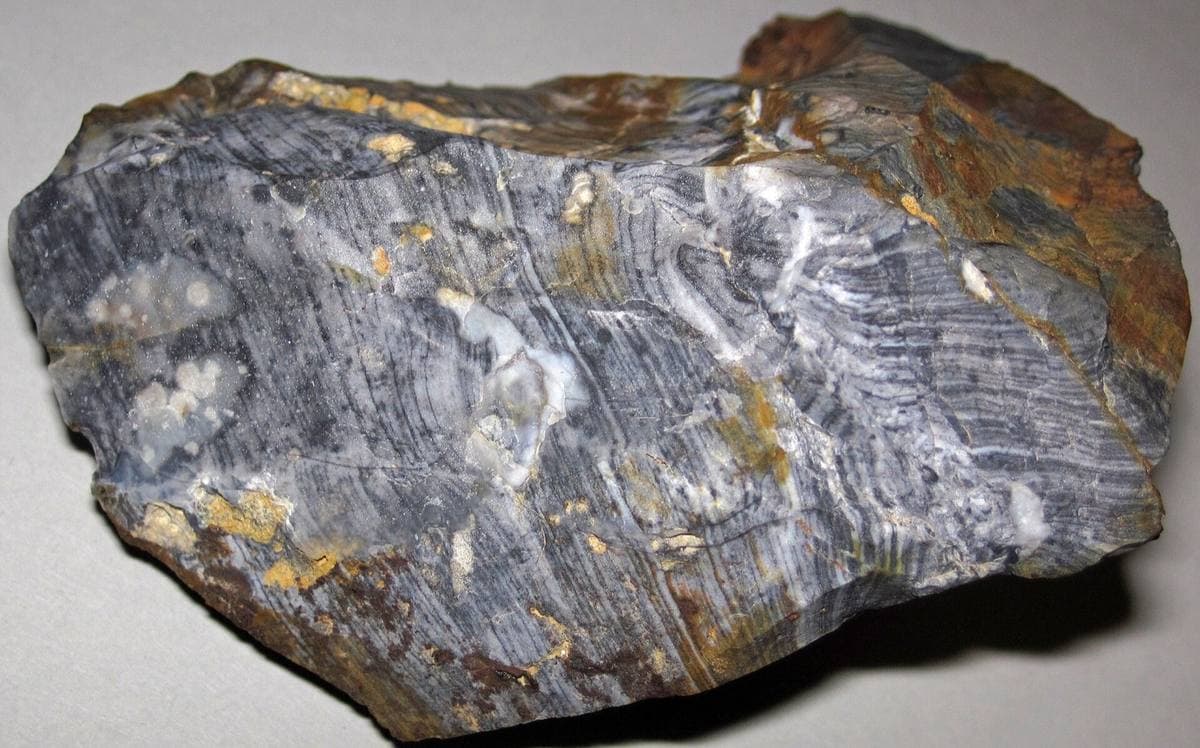
Dense, dark grey to black or brown, opaque, with a smooth waxy surface
- 2
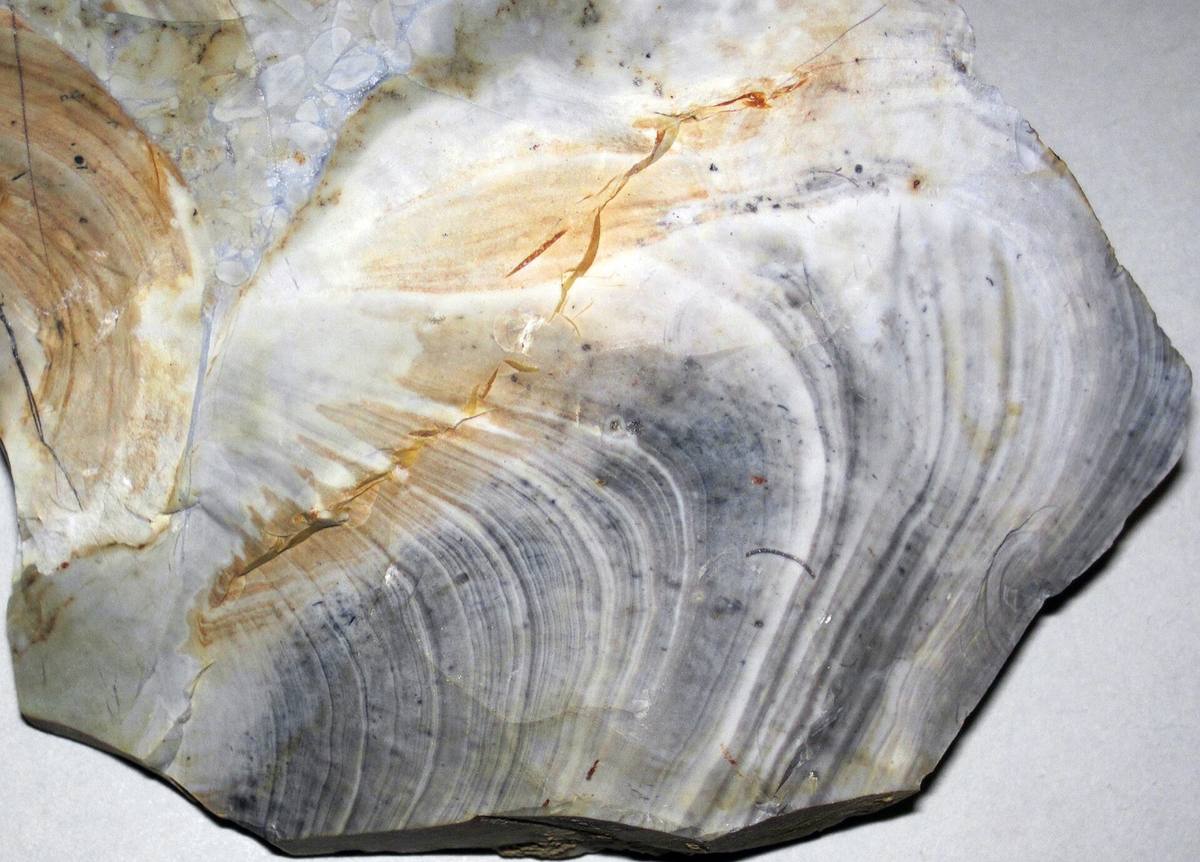
Breaks in clean conchoidal shells with edges sharp enough to cut
- 3
Often found as nodules with a white chalky cortex in limestone or chalk
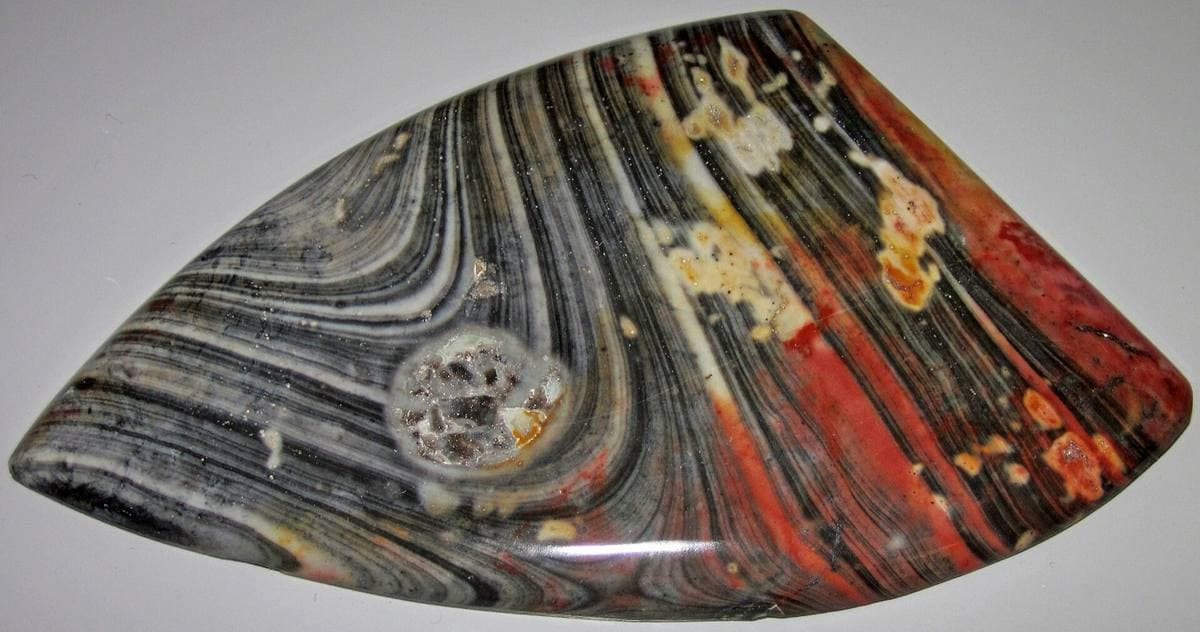
Flint and chert are the same material and the naming is largely regional habit: flint tends to mean the darker nodules from chalk, chert the paler bedded material from limestone. It is everywhere, which makes it the single most common thing beginners pick up thinking they have found agate. The test is translucency, and flint fails it. Ohio's Flint Ridge material, the state gemstone, is the striking exception, coming in reds, blues and greens that genuinely are worth cutting.
Before you collect
Flint was the raw material for stone tools, so worked pieces turn up constantly in the same ground. Arrowheads, blades and flakes on federal or tribal land are protected archaeological resources under the Archaeological Resources Protection Act, and picking one up is a federal offense. Photograph it, leave it, note the location.
Straight answers
- Is it worth cutting?
- Flint Ridge material cabs well and is worth the effort. Ordinary grey flint is not.
- What is it really worth?
- Effectively free, except for Flint Ridge and a handful of other colorful named deposits.
- Can you legally keep it?
- Collecting the rock is unrestricted in most places, but worked stone is another matter entirely. See the warning below.
Where it is worth going
- Flint RidgeLicking and Muskingum counties, Ohio
Ohio's state gemstone. Vividly colored flint, worked prehistorically and now collected at private fee-dig sites.
Often confused with
Flint vs. its common look-alikes, and how to tell them apart in the field.
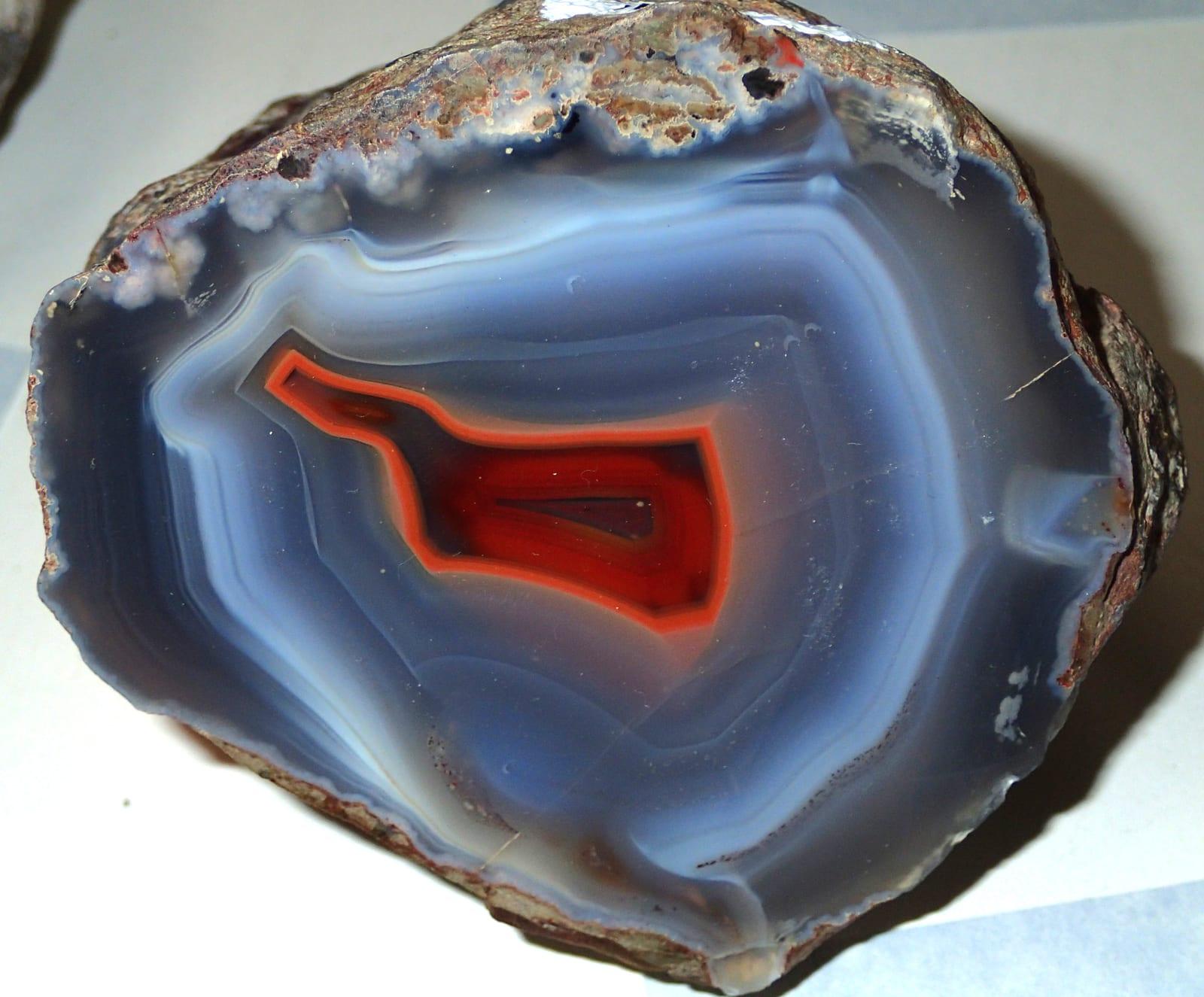
How to tell apart: The defining beginner test. Hold a thin edge to the sun: agate glows, flint stays dark.
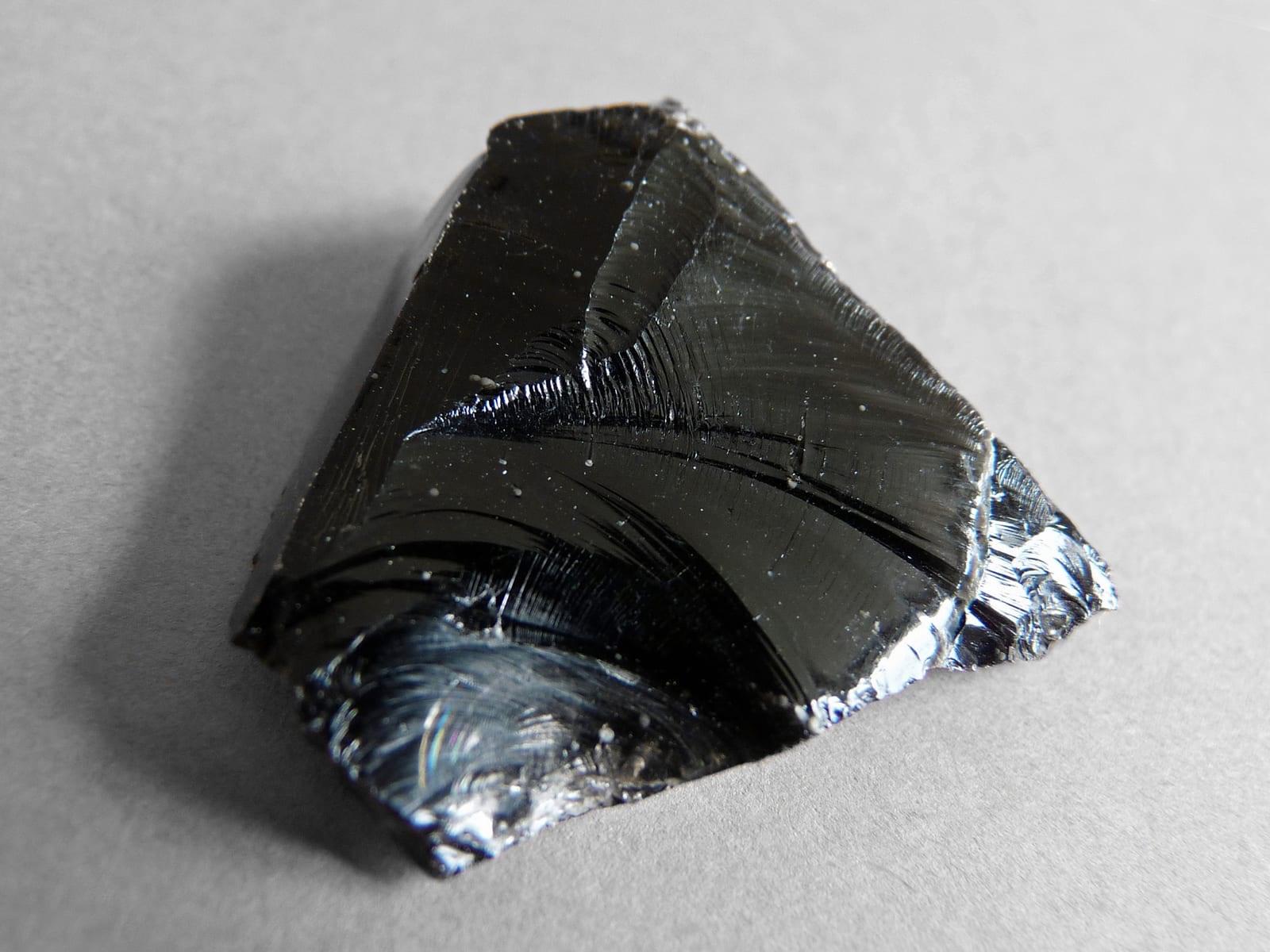
How to tell apart: Obsidian is volcanic glass, distinctly glassy rather than waxy, and lighter in the hand. Flint feels denser and duller.
Often found alongside flint
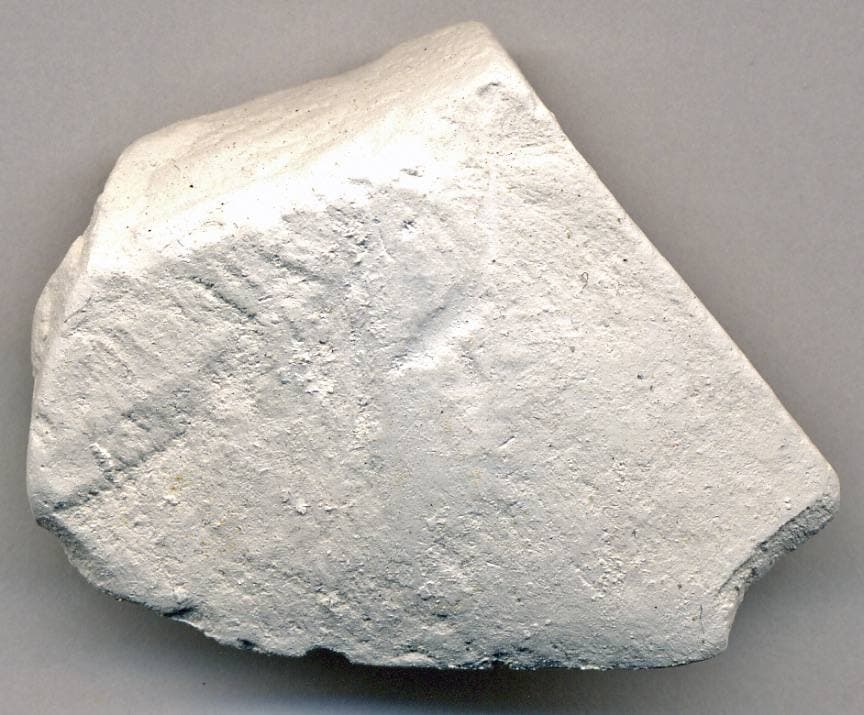
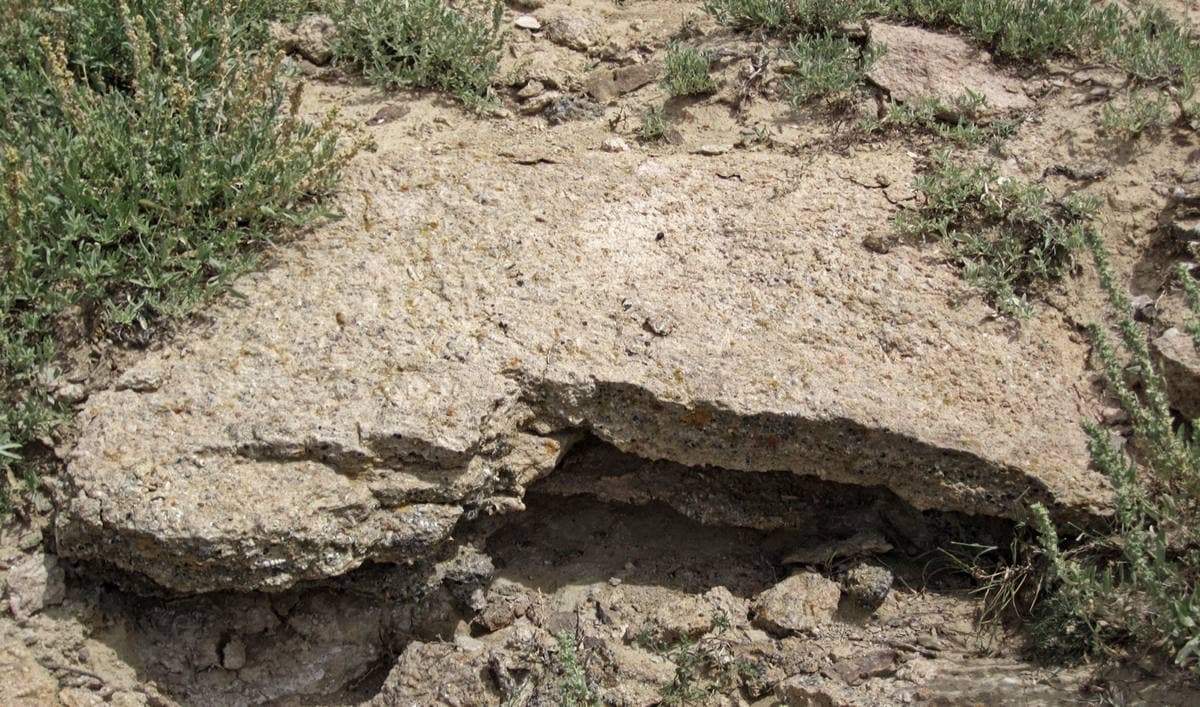
Minerals reported to co-occur with flint. Spotting these in float or country rock is a strong cue you are in the right ground.
All properties
- Chemical formula
- SiO₂
- Mohs hardness
- 7
- Density
- 2.6 g/cm³
- Streak
- White
- Luster
- Waxy
- Transparency
- Translucent
- Crystal system
- Trigonal
- Crystal habit
- Massive
- Cleavage
- None
- Rarity
- Common
- Uses
- Lapidary, Historical toolmaking, Decorative
- Host rock
- sedimentary environments within chalk and limestone formations
Where rockhounds find flint
17 mapped spotsClassic worldwide localities
- United Kingdom
- France
- Denmark
- United States
- Poland
U.S. states with flint
Each link opens a state-specific list of mapped rockhounding spots that produce flint.
Field-hunting tip
Where it forms: sedimentary environments within chalk and limestone formations. If you start seeing chalk, limestone in float, you are in the right ground. Typical habit: massive. Train your eye for that shape before scanning the outcrop. In the U.S., the densest reported localities are in Ohio, Nevada, Florida. Start trip planning there.
More flint photos
Common questions
How do you identify flint?+
Where is flint found?+
Can I find flint in the United States?+
What rocks look like flint?+
What minerals are found with flint?+
What kind of rock does flint form in?+
What is flint used for?+
Find flint on the map
RockHoundR shows mapped rockhounding spots, access rules, and lets you log every find.