Fluor-tsilaisite is a very rare member of the tourmaline group, characterized by high manganese content. It is typically found in complex granitic pegmatites where it appears as distinct yellow to yellow-green prismatic crystals. Collectors prize it for its unique chemical signature and its role in understanding the evolution of manganese-rich tourmaline species.
Is this fluor-tsilaisite?
5-step field checkRun through these checks against the specimen in your hand. The more boxes tick, the more confident the ID.
- 1Test the hardnessTry to scratch fluor-tsilaisite with a known reference. Fluor-tsilaisite sits at Mohs ~7, softer than the next harder reference, harder than the previous one.
- 2Check the streakDrag the specimen across an unglazed porcelain plate. Streak: white.
- 3Read the lusterHold the specimen under a strong light. Luster: vitreous.
- 4Match the color rangeCompare against the expected color range: greenish yellow.
- 5Look at form & habitCrystal system: trigonal. Typical habit: prismatic crystals.
Often confused with
Fluor-tsilaisite vs. its common look-alikes, and how to tell them apart in the field.
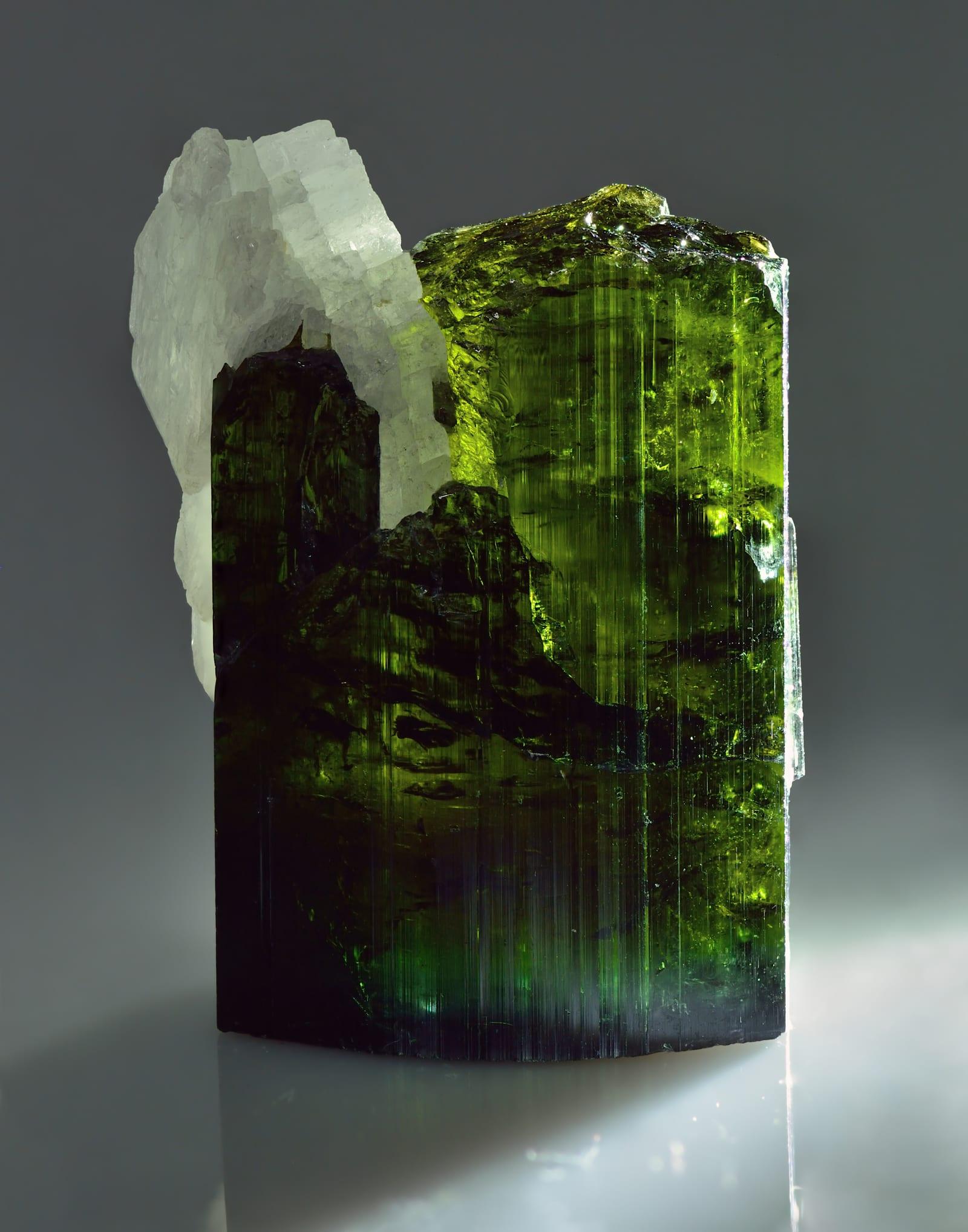
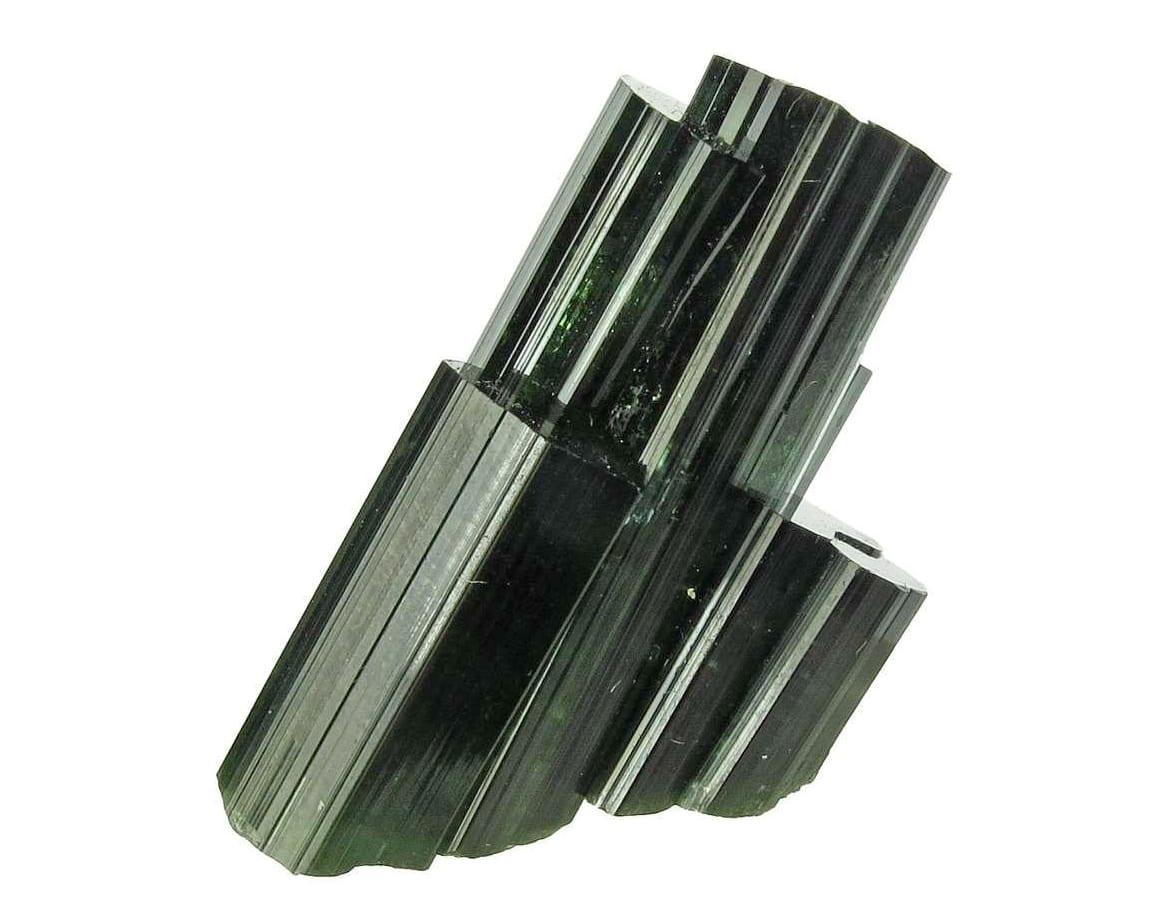
Often found alongside fluor-tsilaisite
Minerals reported to co-occur with fluor-tsilaisite. Spotting these in float or country rock is a strong cue you are in the right ground.
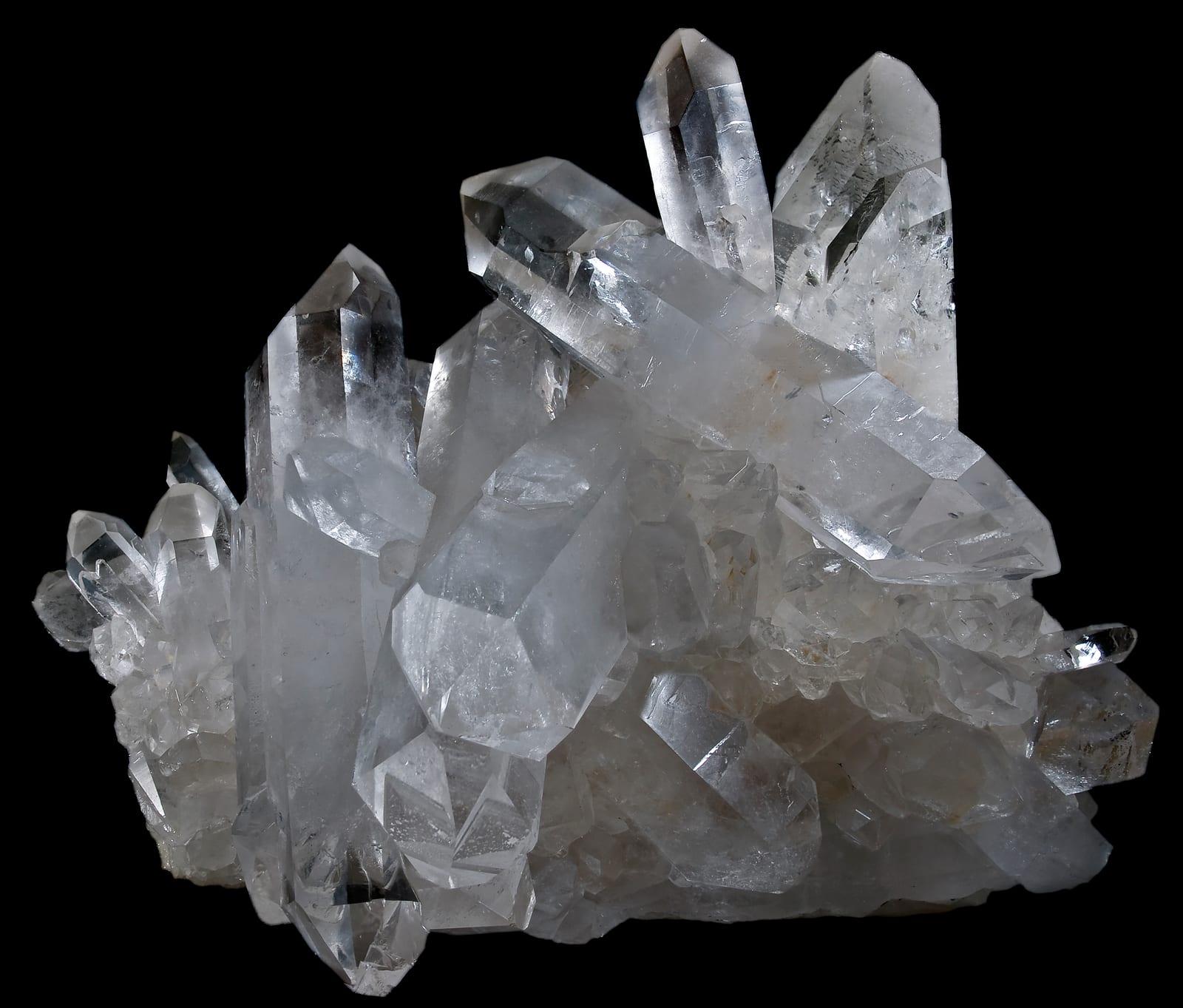
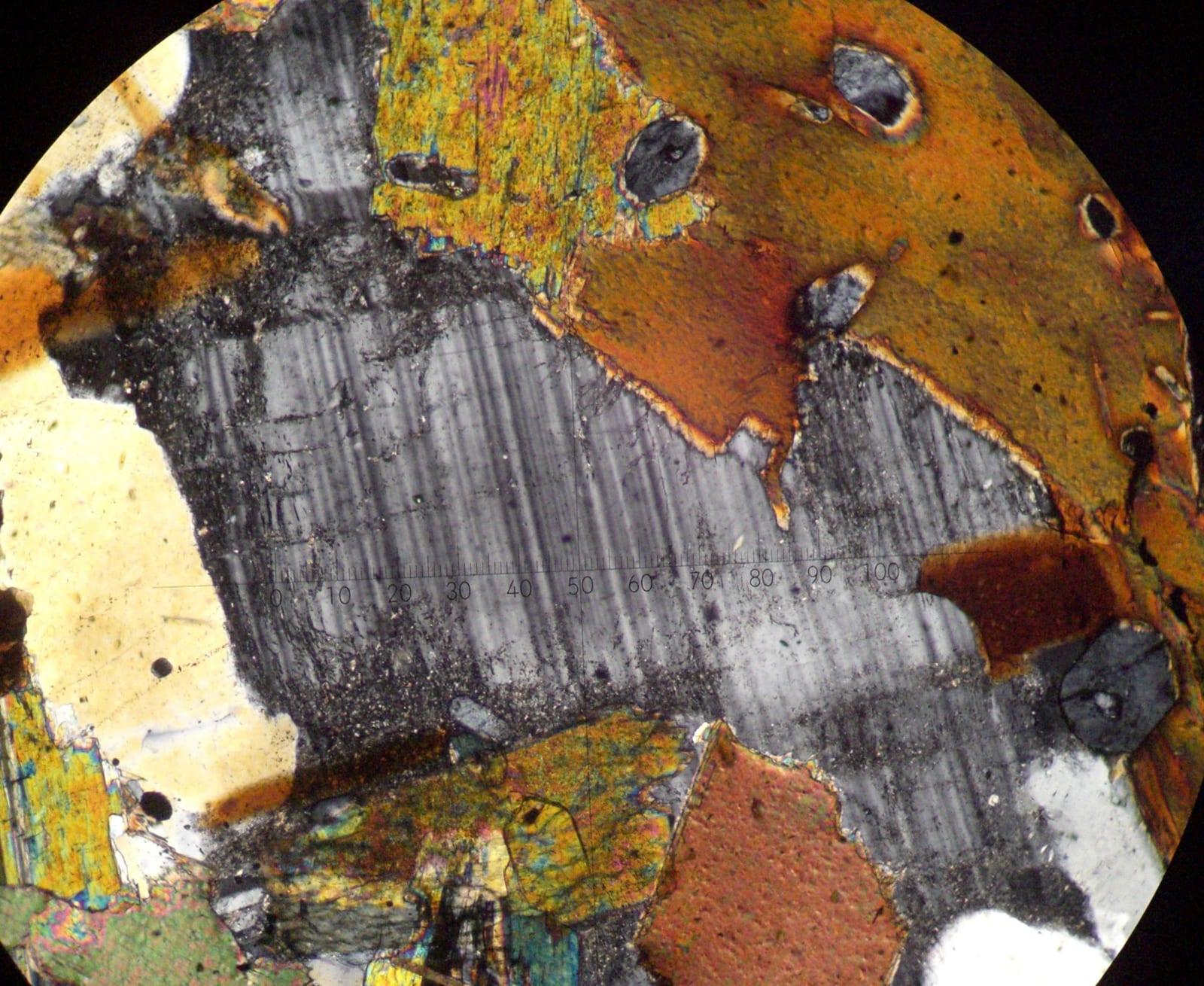
All properties
- Chemical formula
- Na(Mn₁ꓐAl₆)(Si₆O₁₈)(BO₃)₃(OH)₃F
- Mohs hardness
- ~7
- Density
- 3.134 g/cm³
- Colors
- Streak
- White
- Luster
- Vitreous
- Transparency
- Transparent
- Crystal system
- Trigonal
- Crystal habit
- Prismatic crystals
- Cleavage
- Imperfect on {112̄0} and {101̄1}; parting on {0001}
- Rarity
- Rare
- Uses
- Collector, Study
- Host rock
- As portion of a color-zoned tourmaline crystal in an aplitic dike of an LCT-type (lithium-, cesium- and tantalum-enriched) pegmatite body
Where rockhounds find fluor-tsilaisite
Classic worldwide localities
- Grotta d’Oggi, San Piero in Campo, Elba island, Italy
Field-hunting tip
Where it forms: As portion of a color-zoned tourmaline crystal in an aplitic dike of an LCT-type (lithium-, cesium- and tantalum-enriched) pegmatite body. If you start seeing quartz, k-feldspar, plagioclase in float, you are in the right ground. Typical habit: prismatic crystals. Train your eye for that shape before scanning the outcrop.
Common questions
How do you identify fluor-tsilaisite?+
Where is fluor-tsilaisite found?+
What rocks look like fluor-tsilaisite?+
What minerals are found with fluor-tsilaisite?+
What kind of rock does fluor-tsilaisite form in?+
What is fluor-tsilaisite used for?+
Find fluor-tsilaisite on the map
RockHoundR shows mapped rockhounding spots, access rules, and lets you log every find.