Garmite is a rare cesium lithium magnesium silicate. It was approved as a distinct mineral species in 2017. It was first described from Darai-Pioz glacier, Alai mountain range, Tien Shan, Rashtskiy district, Tajikistan.
Hardness
3.5
Mohs
Luster
Vitreous
Transparency
Transparent
Is this garmite?
4-step field checkRun through these checks against the specimen in your hand. The more boxes tick, the more confident the ID.
- 1Test the hardnessTry to scratch garmite with a known reference. Garmite sits at Mohs 3.5, softer than the next harder reference, harder than the previous one.
- 2Read the lusterHold the specimen under a strong light. Luster: vitreous.
- 3Match the color rangeCompare against the expected color range: white, colorless, gray.
- 4Look at form & habitCrystal system: monoclinic. Typical habit: tabular crystals.
Often found alongside garmite
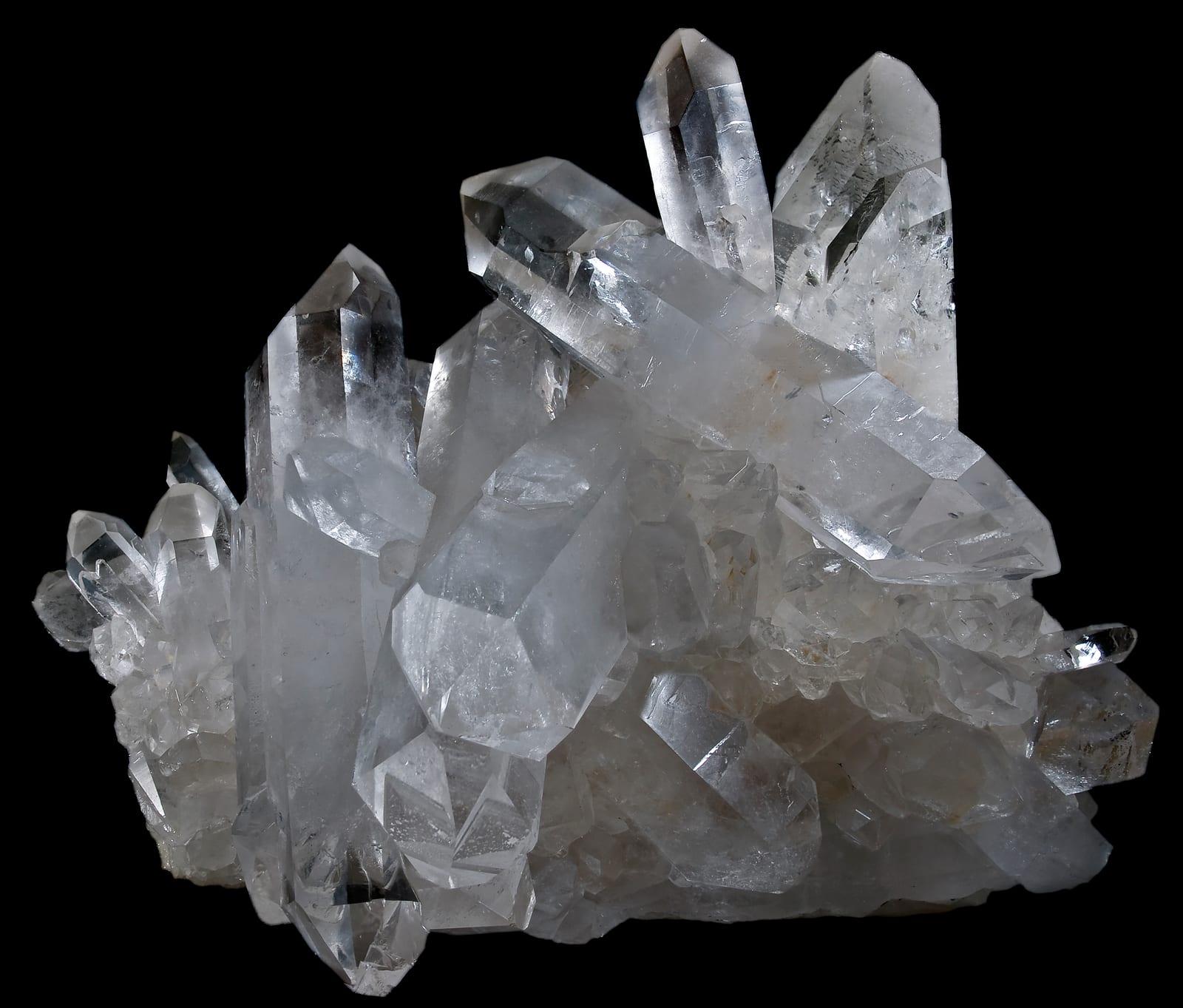
Minerals reported to co-occur with garmite. Spotting these in float or country rock is a strong cue you are in the right ground.
All properties
- Chemical formula
- CsLiMg₂(Si₄O₁₀)F₂
- Mohs hardness
- 3.5
- Luster
- Vitreous
- Transparency
- Transparent
- Crystal system
- Monoclinic
- Crystal habit
- Tabular crystals
- Rarity
- Rare
- Uses
- Collector
- Host rock
- alkaline pegmatites
Where rockhounds find garmite
Classic worldwide localities
- Darai-Pioz glacier, Alai mountain range, Tien Shan, Rashtskiy (formerly Garmskiy) district, Tajikistan
Field-hunting tip
Where it forms: alkaline pegmatites. If you start seeing quartz, k-feldspar in float, you are in the right ground. Typical habit: tabular crystals. Train your eye for that shape before scanning the outcrop.
Common questions
How do you identify garmite?+
Mohs hardness is 3.5. Luster: vitreous. Common colors include white, colorless, gray.
Where is garmite found?+
Notable localities include Darai-Pioz glacier, Alai mountain range, Tien Shan, Rashtskiy (formerly Garmskiy) district, Tajikistan.
What minerals are found with garmite?+
Garmite commonly co-occurs with Quartz, K-feldspar. Spotting any of these in float or country rock is a useful trip signal.
What kind of rock does garmite form in?+
Where it forms: alkaline pegmatites. Working float back to the host body is the standard way to chase a fresh occurrence.
What is garmite used for?+
Garmite is used in collector.
Find garmite on the map
RockHoundR shows mapped rockhounding spots, access rules, and lets you log every find.