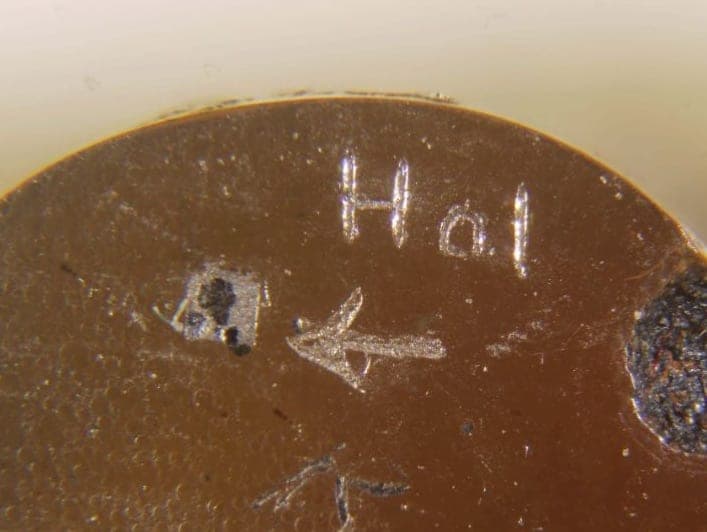
Geversite is a very rare platinum antimonide typically found as microscopic grains within massive sulfide ores. It is primarily identified through laboratory analysis of platinum-group mineral assemblages found in large ultramafic complexes. Collectors usually acquire this as part of a polished ore section or heavy mineral concentrate.
Is this geversite?
5-step field checkRun through these checks against the specimen in your hand. The more boxes tick, the more confident the ID.
- 1Test the hardnessTry to scratch geversite with a known reference. Geversite sits at Mohs 4.5-5, softer than the next harder reference, harder than the previous one.
- 2Check the streakDrag the specimen across an unglazed porcelain plate. Streak: black.
- 3Read the lusterHold the specimen under a strong light. Luster: metallic.
- 4Match the color rangeCompare against the expected color range: steel gray.
- 5Look at form & habitCrystal system: cubic. Typical habit: grains.
Often confused with
Geversite vs. its common look-alikes, and how to tell them apart in the field.
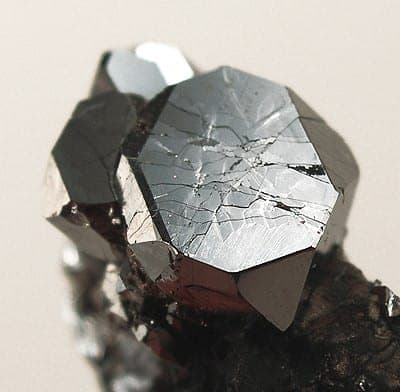
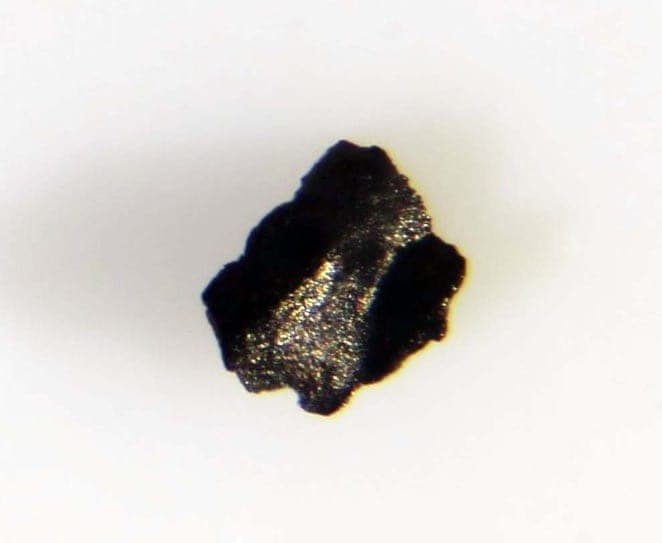
Often found alongside geversite
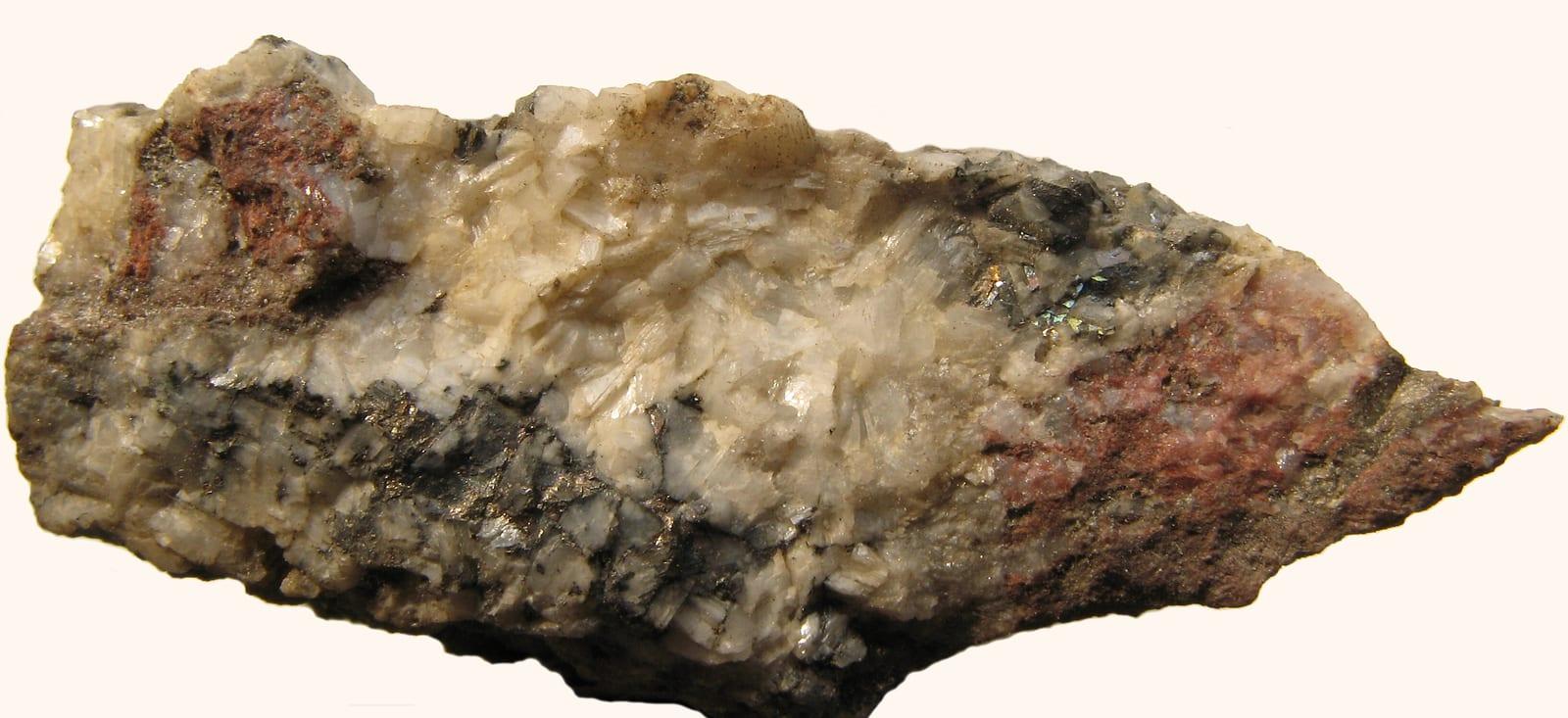
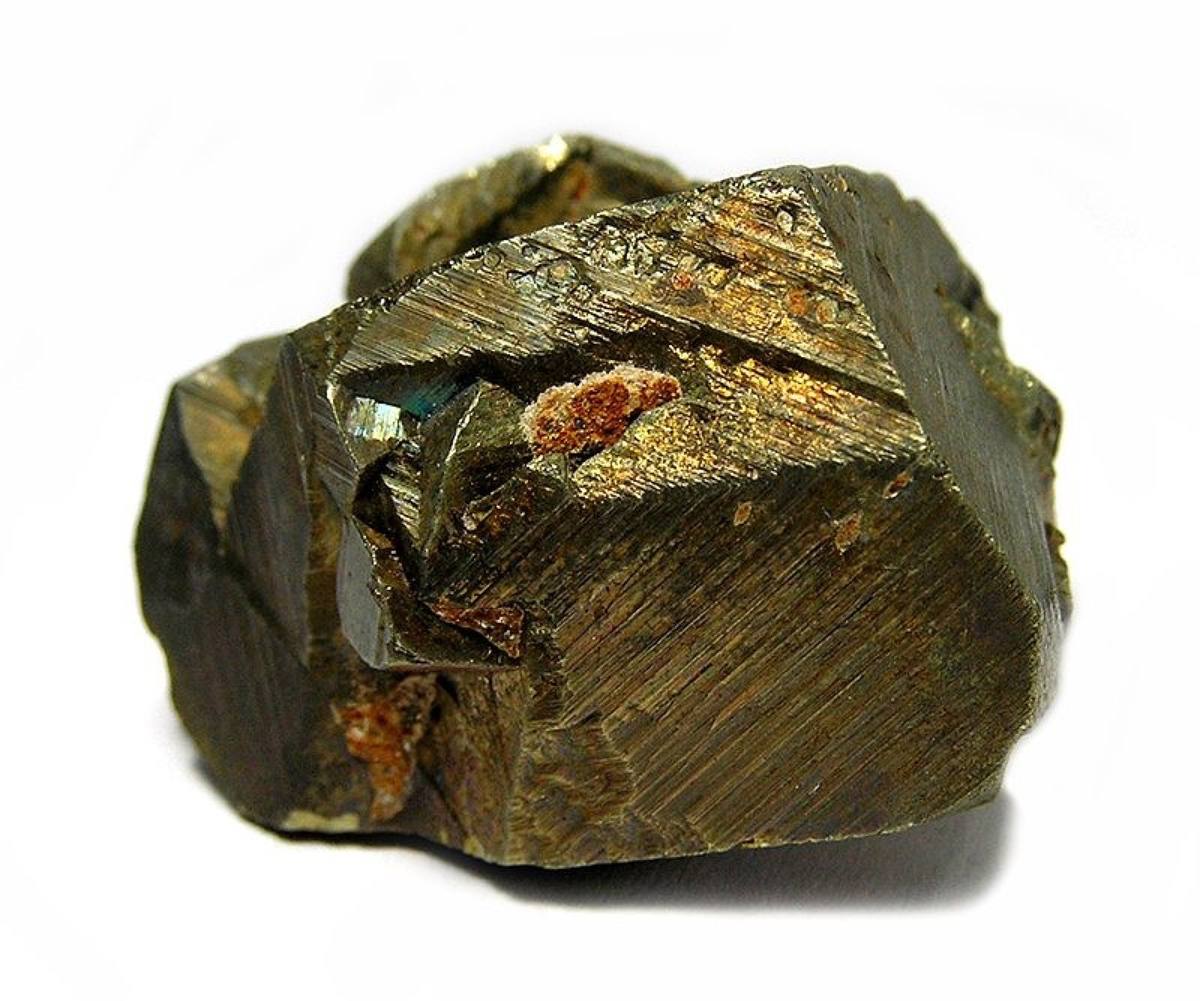
Minerals reported to co-occur with geversite. Spotting these in float or country rock is a strong cue you are in the right ground.
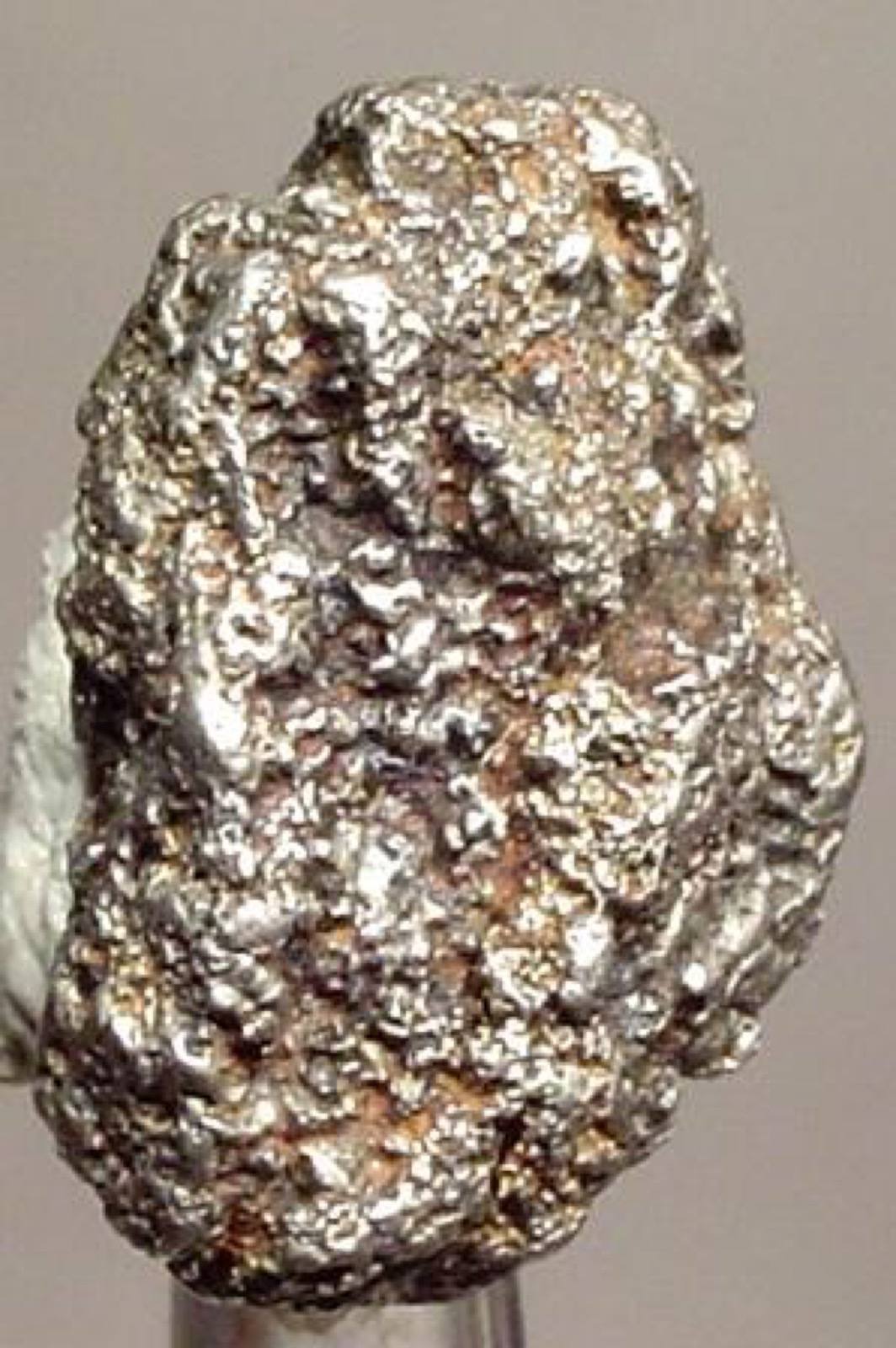
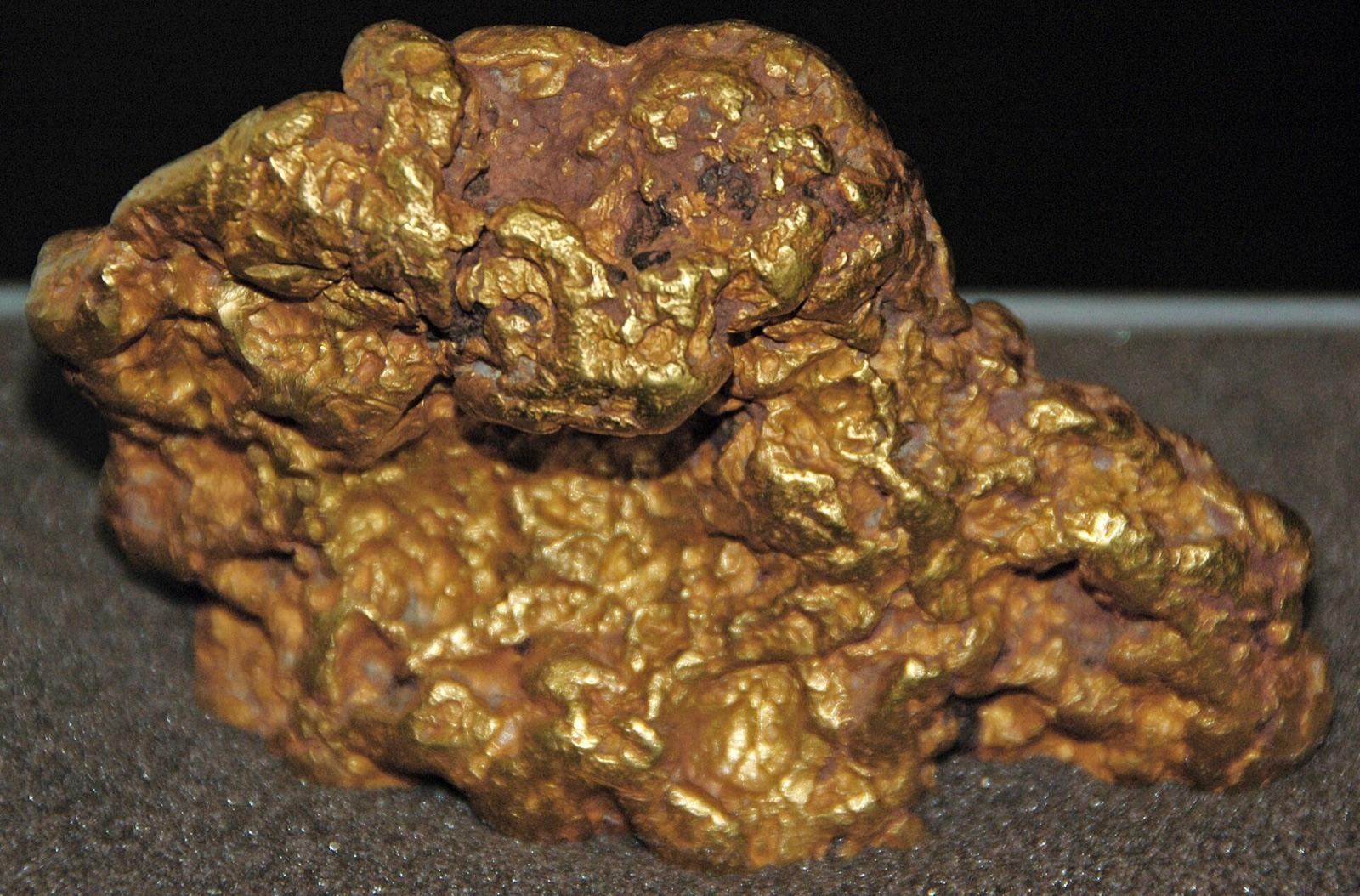
All properties
- Chemical formula
- PtSb₂
- Mohs hardness
- 4.5-5
- Density
- 10.97 g/cm³
- Colors
- Streak
- Black
- Luster
- Metallic
- Transparency
- Opaque
- Crystal system
- Cubic
- Crystal habit
- Grains
- Cleavage
- None
- Rarity
- Rare
- Uses
- Collector
- Host rock
- In concentrates of platinum minerals derived from Pt–Fe–Ni–Cu deposits in ultramafic rocks (Driekop mine, South Africa)
Where rockhounds find geversite
Classic worldwide localities
- Fox Gulch, Goodnews Bay, Alaska, USA
- Merensky Reef, Bushveld complex, Transvaal, in the Driekop (type locality) and Onverwacht mines, South Africa
- Morozova and Oktyabr mines, Talnakh area, Noril’sk region, western Siberia, and in the Vozhmin massif, Segezha district, central Karelia, Russia
- Kelvon Grove prospect, near Fifield, New South Wales, Australia
- Baula complex, Orissa, India
- Wellgreen Ni–Cu–PGM deposit, Yukon Territory, Canada
Field-hunting tip
Where it forms: In concentrates of platinum minerals derived from Pt–Fe–Ni–Cu deposits in ultramafic rocks (Driekop mine, South Africa). If you start seeing platinum, gold, hollingworthite in float, you are in the right ground. Typical habit: grains. Train your eye for that shape before scanning the outcrop.
Common questions
How do you identify geversite?+
Where is geversite found?+
Is geversite safe to handle?+
What rocks look like geversite?+
What minerals are found with geversite?+
What kind of rock does geversite form in?+
What is geversite used for?+
Find geversite on the map
RockHoundR shows mapped rockhounding spots, access rules, and lets you log every find.