
Platinum is a dense, malleable, and highly corrosion-resistant precious metal that typically occurs as metallic grains or nuggets in ultramafic rocks and placer deposits. Collectors should look for its characteristic silvery-white color and extreme heaviness compared to similarly colored iron minerals like magnetite. It is most commonly found associated with sulfide minerals in large layered igneous intrusions.
Spotting platinum in the field
Field marks- 1
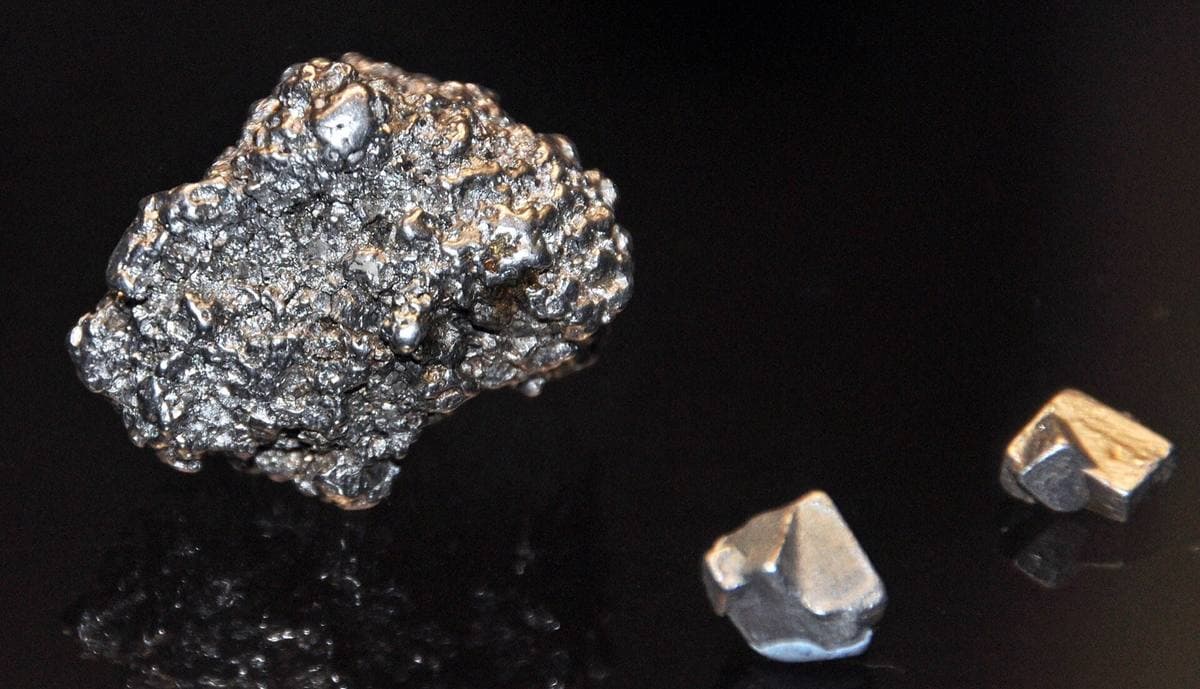
Steel grey to silver-white, metallic, and does not tarnish
- 2
Extraordinarily heavy, even heavier than gold in the pan
- 3
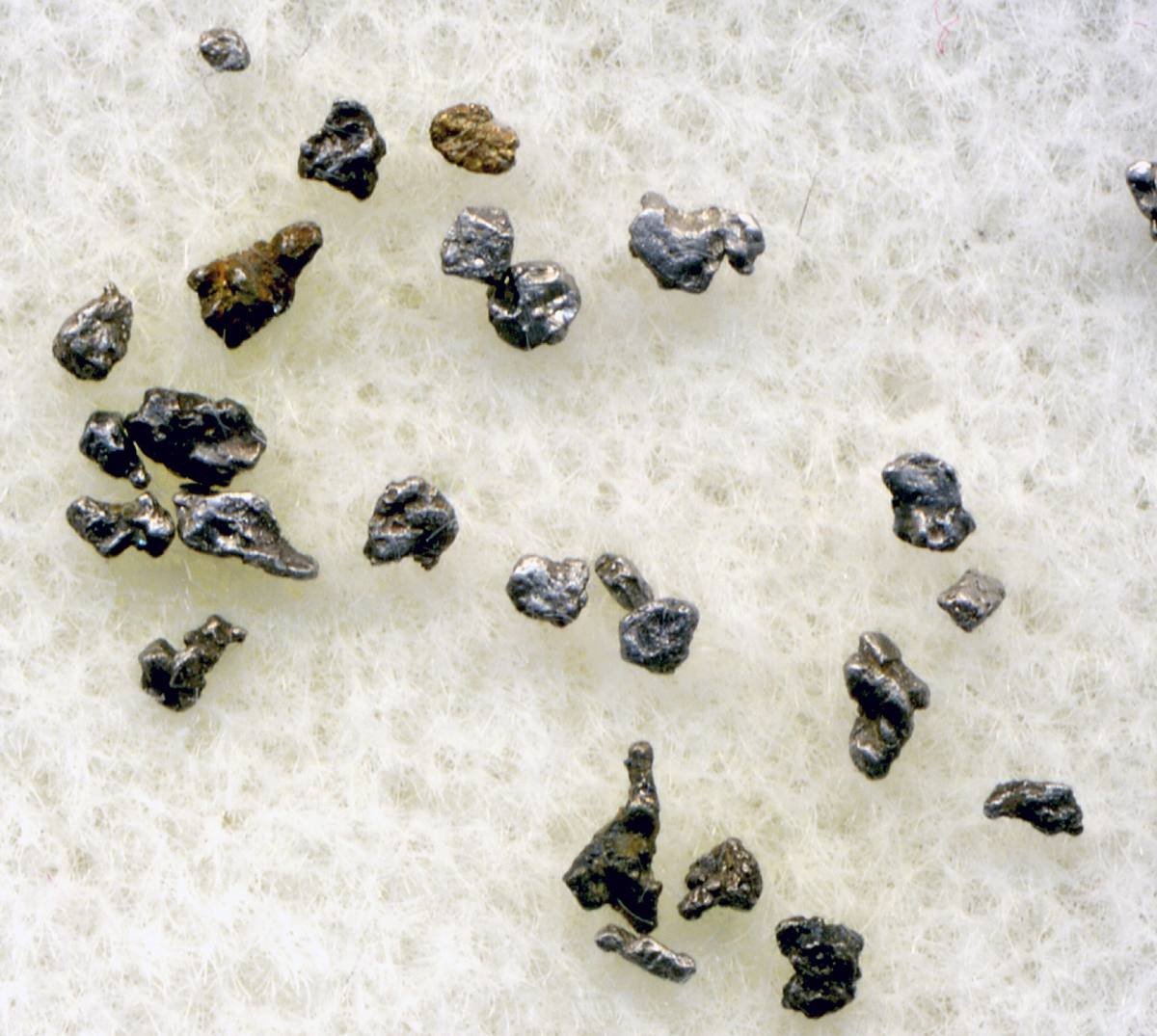
Usually small irregular grains and flakes rather than nuggets
Platinum is genuinely rare in placer and most rockhounds will never see it in the field. Where it does occur it concentrates with gold and black sands in the heaviest fraction of a pan, and it is distinguished by staying bright grey without tarnishing and by being even heavier than gold. Some platinum-group grains are weakly magnetic due to iron content, which is a useful sorting clue against the black sand around them. Goodnews Bay in Alaska is the significant American occurrence.
Straight answers
- Is it worth cutting?
- Not a lapidary material.
- What is it really worth?
- High by weight, but the practical reality is that placer platinum occurs in quantities too small for a hobbyist to accumulate meaningfully.
- Can you legally keep it?
- Same framework as gold: claims cover the productive ground, and state rules govern methods.
Often confused with
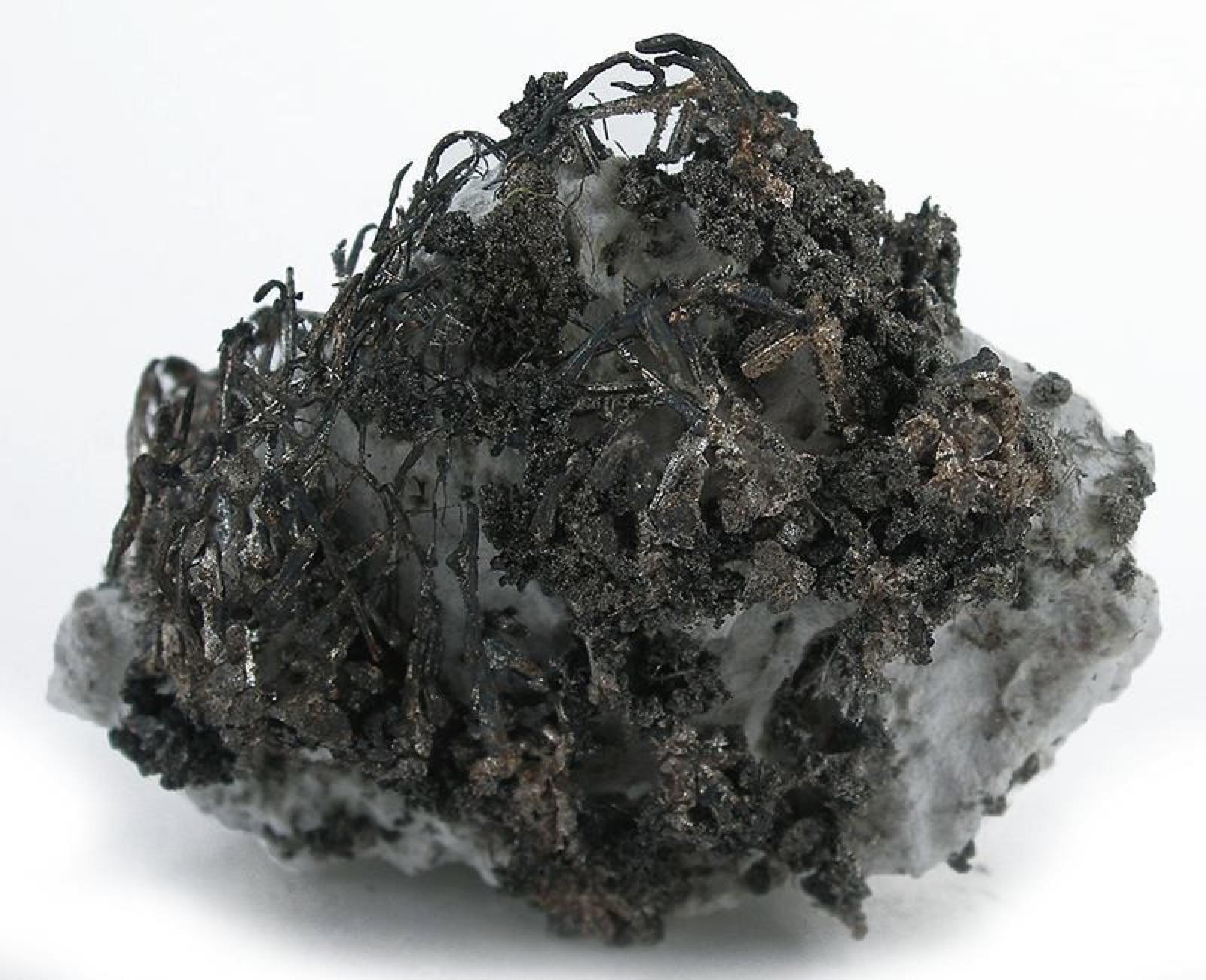
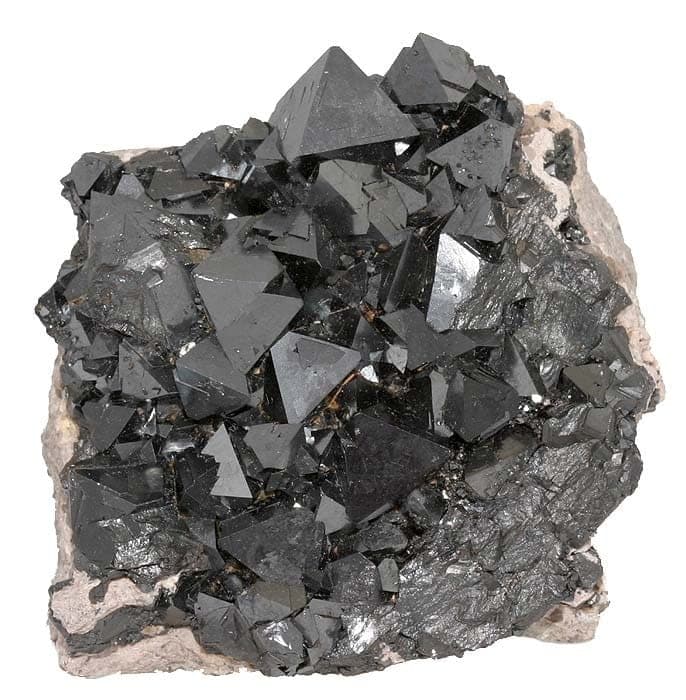
Platinum vs. its common look-alikes, and how to tell them apart in the field.
Often found alongside platinum
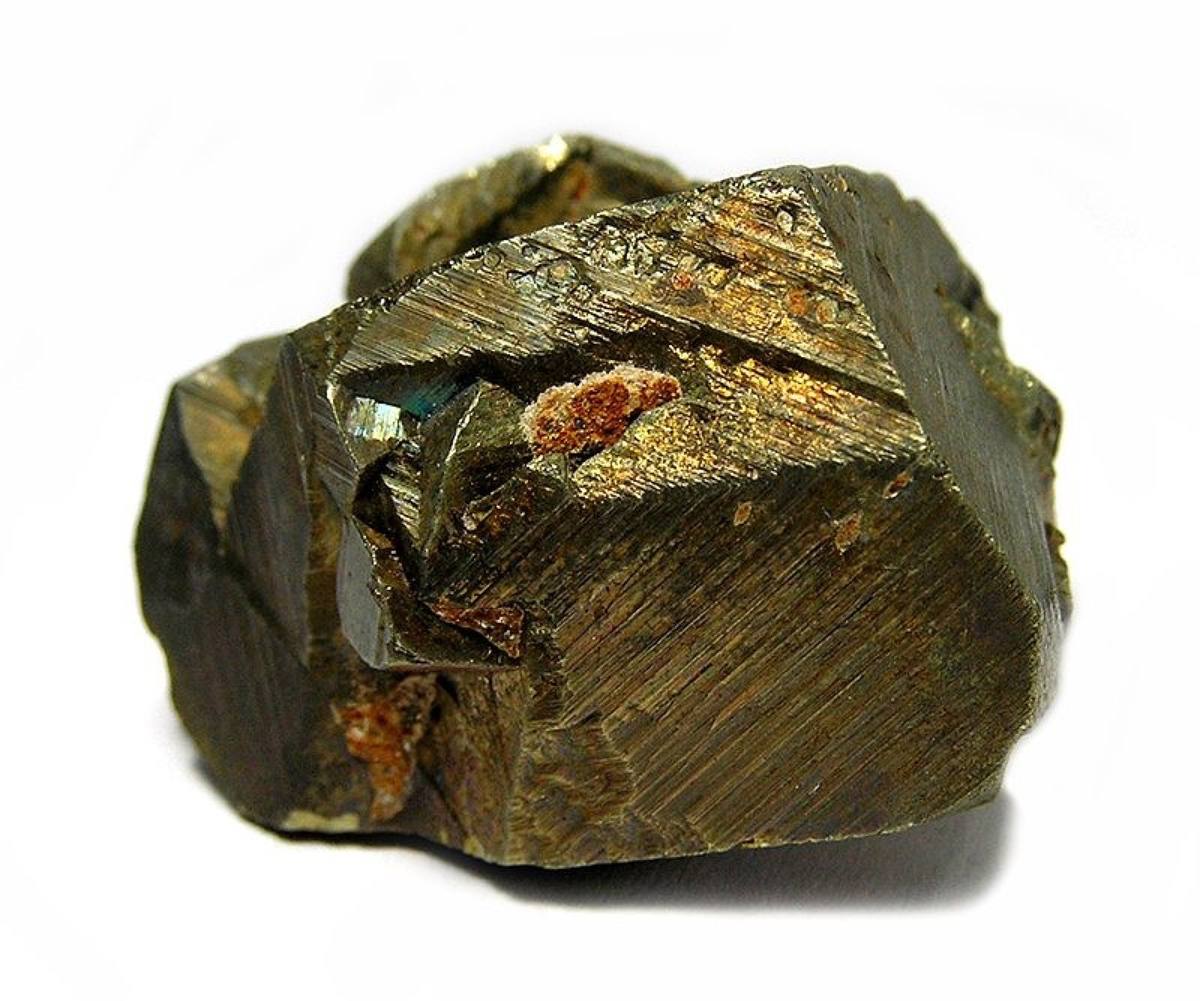
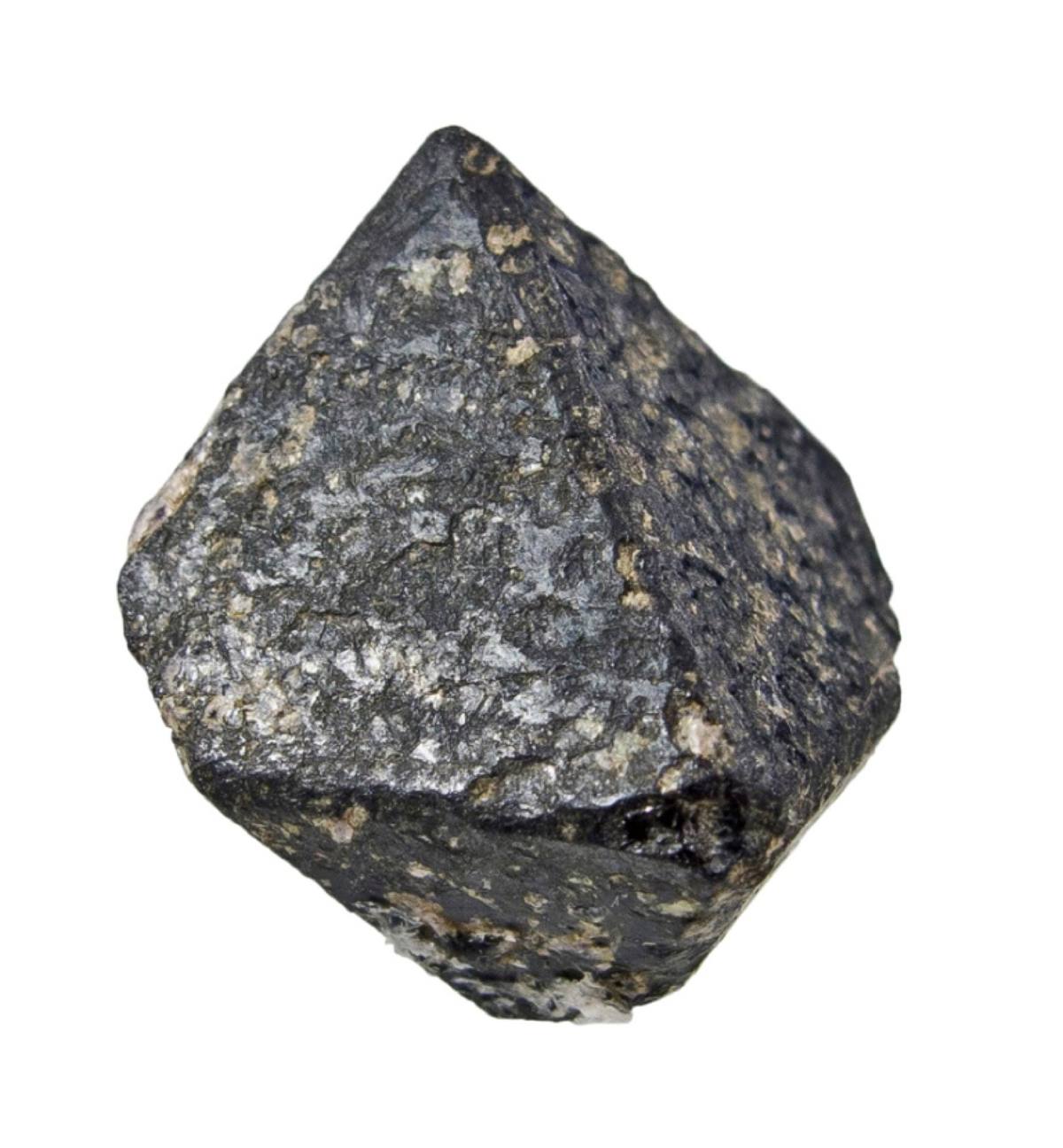
Minerals reported to co-occur with platinum. Spotting these in float or country rock is a strong cue you are in the right ground.
All properties
- Chemical formula
- Pt
- Mohs hardness
- 4-4.5
- Density
- 14-19 g/cm³
- Colors
- Streak
- Grayish white
- Luster
- Metallic
- Transparency
- Opaque
- Crystal system
- Cubic
- Crystal habit
- Nuggets, grains, cubes, octahedra
- Cleavage
- None
- Rarity
- Rare
- Uses
- Industrial, Investment, Jewelry, Collector
- Host rock
- Chiefly in placer deposits, or in mafic and ultramafic igneous rocks; rarely in hydrothermal quartz veins or contact metamorphic deposits
Where rockhounds find platinum
23 mapped spotsClassic worldwide localities
- Platinum Creek, Goodnews Bay, Alaska, USA
- A number of placers, as in Trinity Co., California, USA
- Oroville, Butte Co., California, USA
- Cape Blanco, Port Orford, Curry Co., Oregon, USA
- Pinto River, near Papayan, in the Department of Chocó, Cauca, Colombia (type locality)
- Rivière-du-Loup and Rivière des Plantes, Beauce Co., Quebec, Canada
U.S. states with platinum
Each link opens a state-specific list of mapped rockhounding spots that produce platinum.
Field-hunting tip
Where it forms: Chiefly in placer deposits, or in mafic and ultramafic igneous rocks; rarely in hydrothermal quartz veins or contact metamorphic deposits. If you start seeing pt–fe alloys, chalcopyrite, chromite in float, you are in the right ground. Typical habit: nuggets, grains, cubes, octahedra. Train your eye for that shape before scanning the outcrop. In the U.S., the densest reported localities are in Nevada, North Carolina, Oregon. Start trip planning there.
More platinum photos
Common questions
How do you identify platinum?+
Where is platinum found?+
Can I find platinum in the United States?+
What rocks look like platinum?+
What minerals are found with platinum?+
What kind of rock does platinum form in?+
What is platinum used for?+
Find platinum on the map
RockHoundR shows mapped rockhounding spots, access rules, and lets you log every find.

