Mahogany obsidian is a natural volcanic glass characterized by its distinct reddish-brown and black swirling patterns caused by iron oxide inclusions. It forms when lava cools so rapidly that crystalline structure is prevented, resulting in a smooth, glass-like texture that fractures conchoidally.
Spotting mahogany obsidian in the field
Field marks- 1
Black glass with rich red-brown patches and swirls
- 2
The brown comes from iron oxide inclusions in the glass
- 3
Visible in ordinary light, unlike rainbow sheen
Mahogany obsidian is easy to spot because the brown zones show under any light, and it often occurs as swirled bands where two slightly different melts mixed. Glass Buttes and other Oregon and California beds produce it in quantity. It is one of the more forgiving obsidians to hunt because you can identify it at a glance.
Before you collect
Sharp edges, same as all obsidian.
Straight answers
- Is it worth cutting?
- Cuts easily. Orient to get the strongest brown-black contrast on the dome, and go gently because it is as brittle as any obsidian.
- What is it really worth?
- Inexpensive. Strong contrast and well-defined swirling are the quality marks.
- Can you legally keep it?
- Open collecting at Glass Buttes and similar BLM beds.
Often confused with
Mahogany Obsidian vs. its common look-alikes, and how to tell them apart in the field.
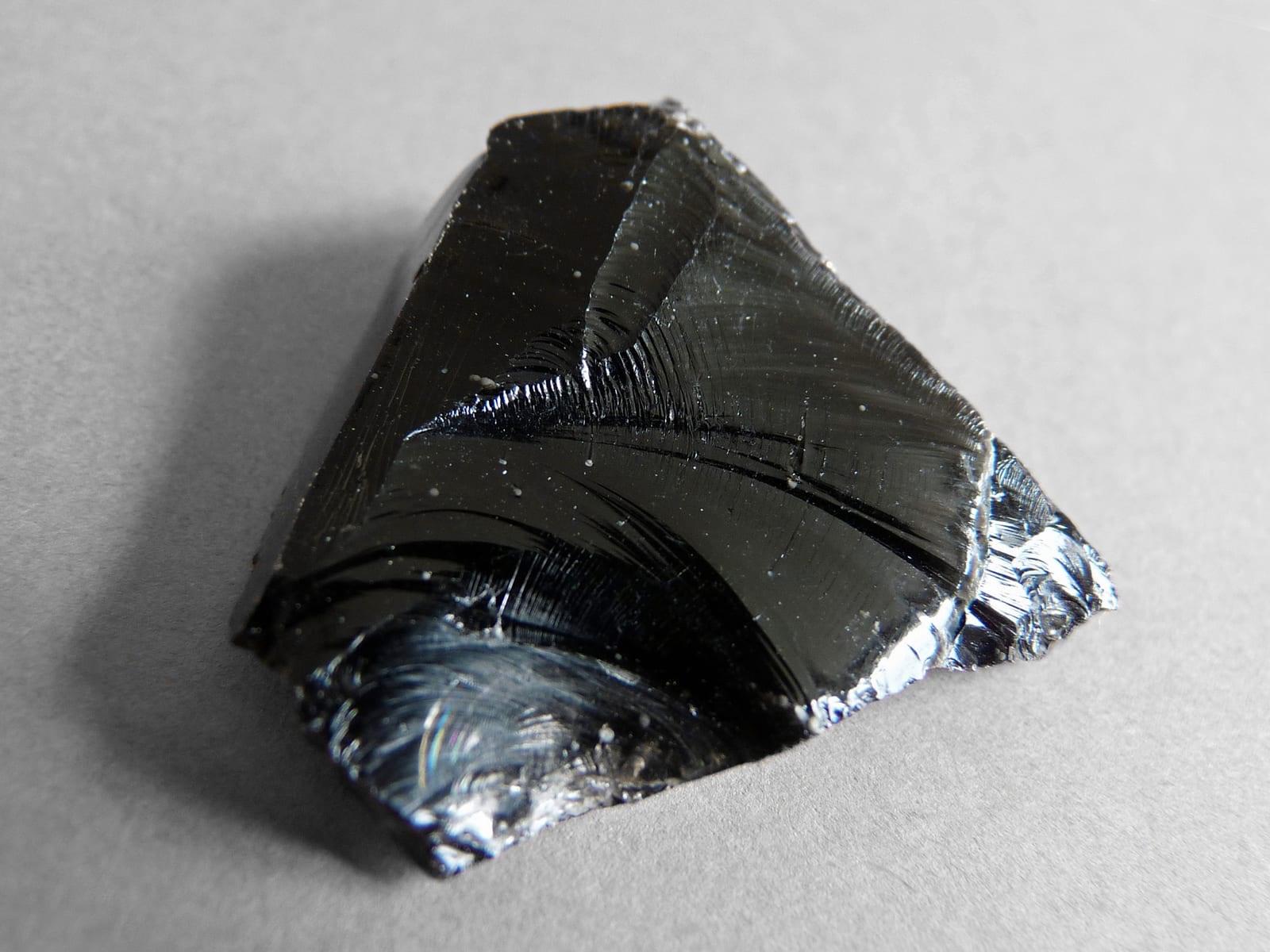
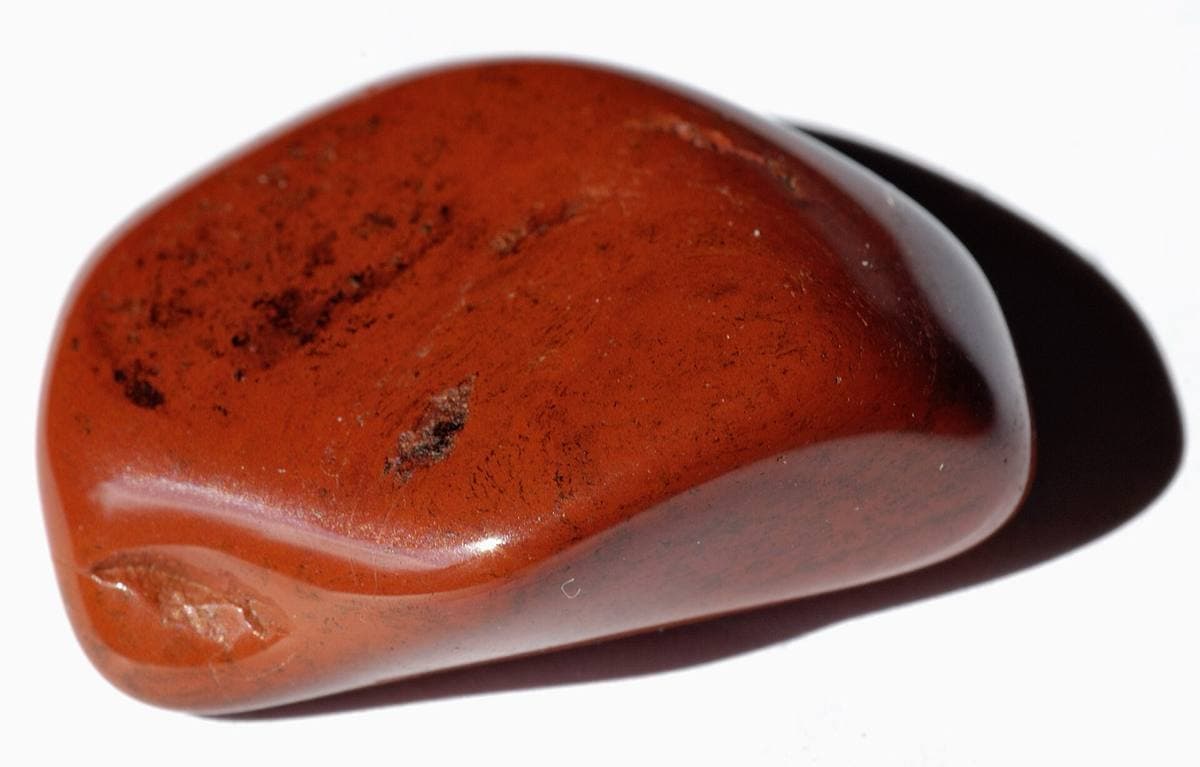
Often found alongside mahogany obsidian
Minerals reported to co-occur with mahogany obsidian. Spotting these in float or country rock is a strong cue you are in the right ground.
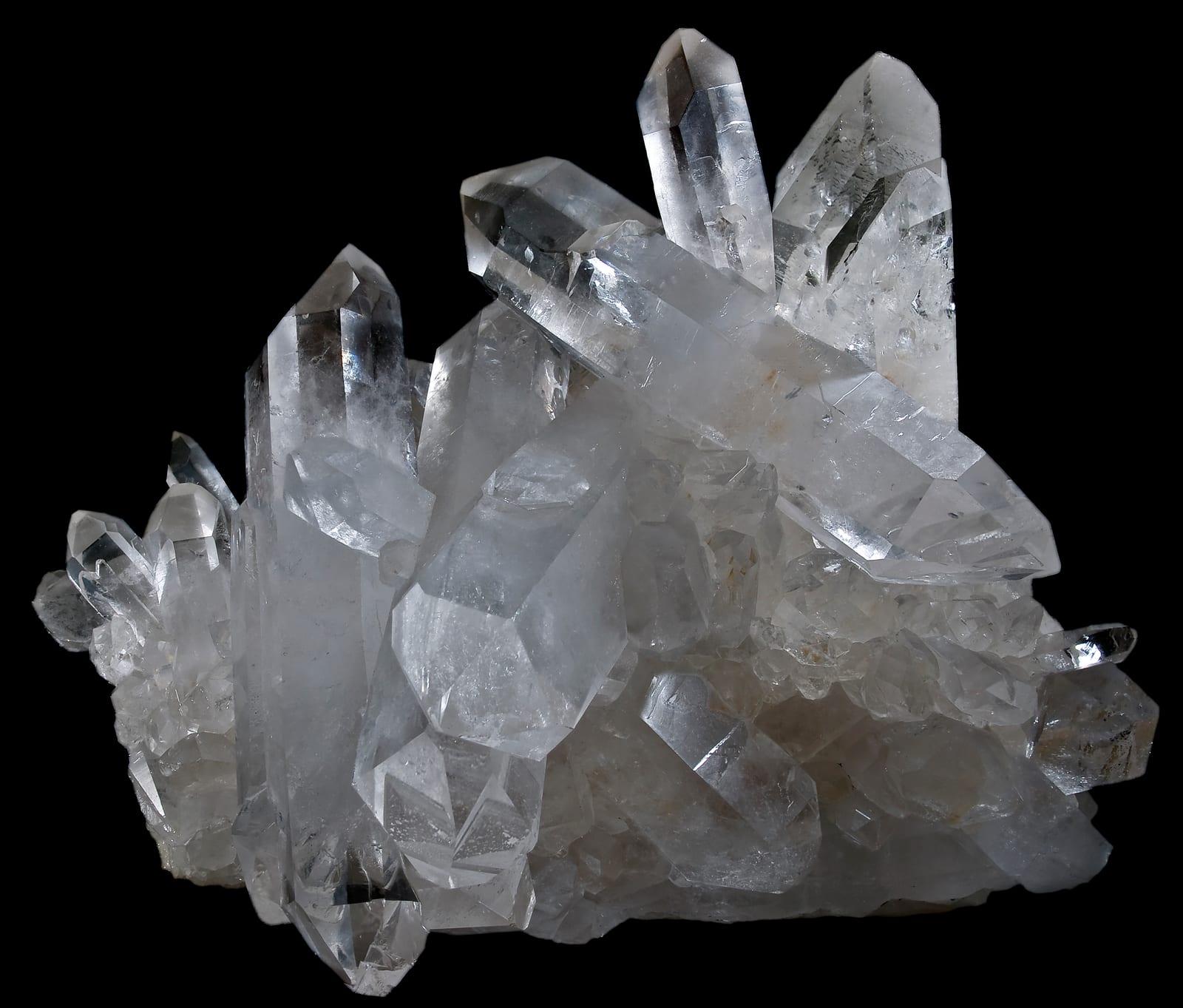
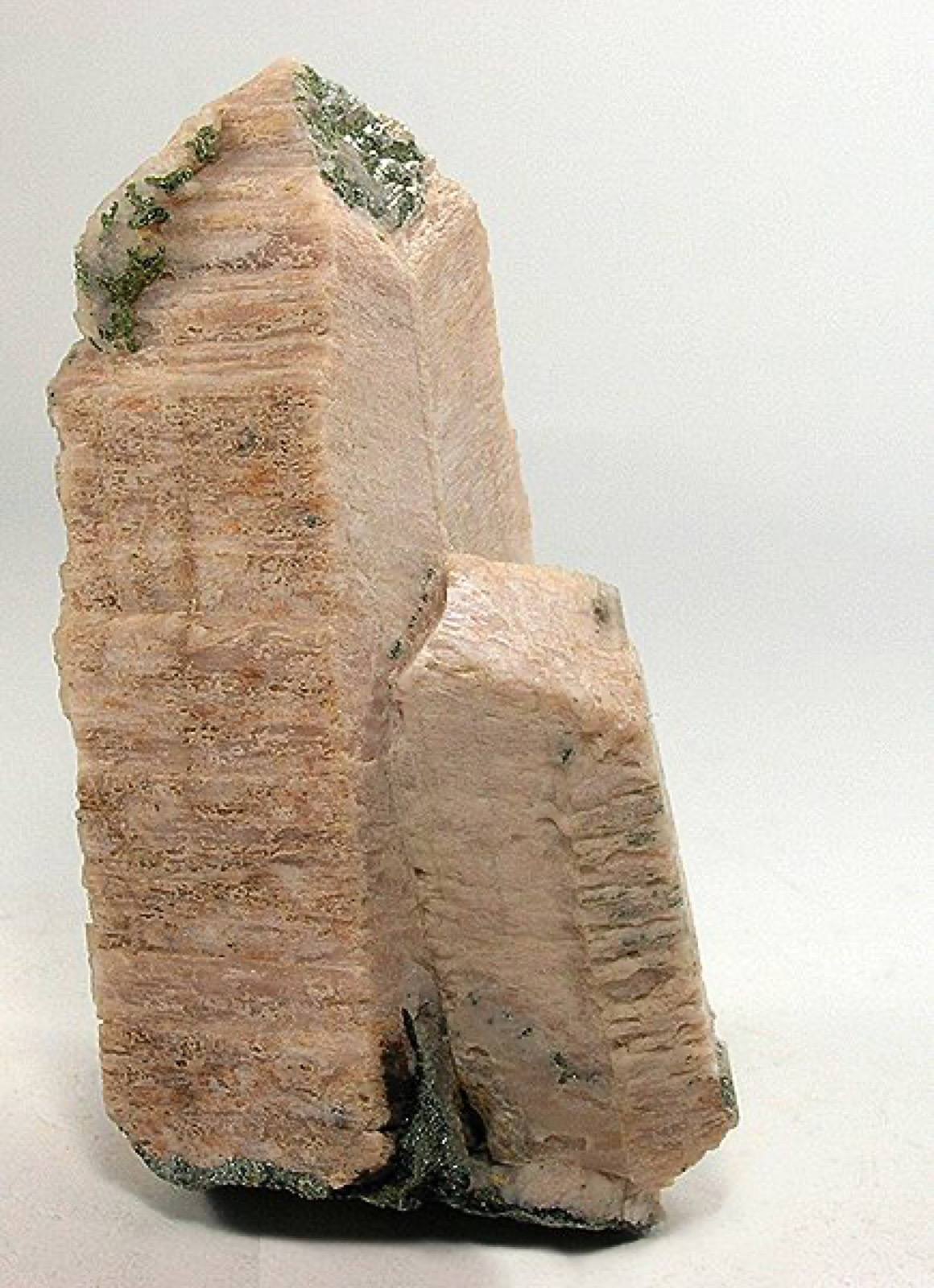
All properties
- Chemical formula
- SiO₂
- Mohs hardness
- 5-6
- Density
- 2.4 g/cm³
- Streak
- White
- Luster
- Vitreous
- Transparency
- Opaque
- Crystal habit
- Massive
- Cleavage
- None
- Rarity
- Common
- Uses
- Lapidary, Collector, Decorative
- Host rock
- volcanic rhyolite
Where rockhounds find mahogany obsidian
1 mapped spotsClassic worldwide localities
- Oregon, USA
- California, USA
- Mexico
Field-hunting tip
Where it forms: volcanic rhyolite. If you start seeing quartz, feldspar, cristobalite in float, you are in the right ground. Typical habit: massive. Train your eye for that shape before scanning the outcrop. In the U.S., the densest reported localities are in Oregon. Start trip planning there.
Common questions
How do you identify mahogany obsidian?+
Where is mahogany obsidian found?+
Can I find mahogany obsidian in the United States?+
What rocks look like mahogany obsidian?+
What minerals are found with mahogany obsidian?+
What kind of rock does mahogany obsidian form in?+
What is mahogany obsidian used for?+
Find mahogany obsidian on the map
RockHoundR shows mapped rockhounding spots, access rules, and lets you log every find.