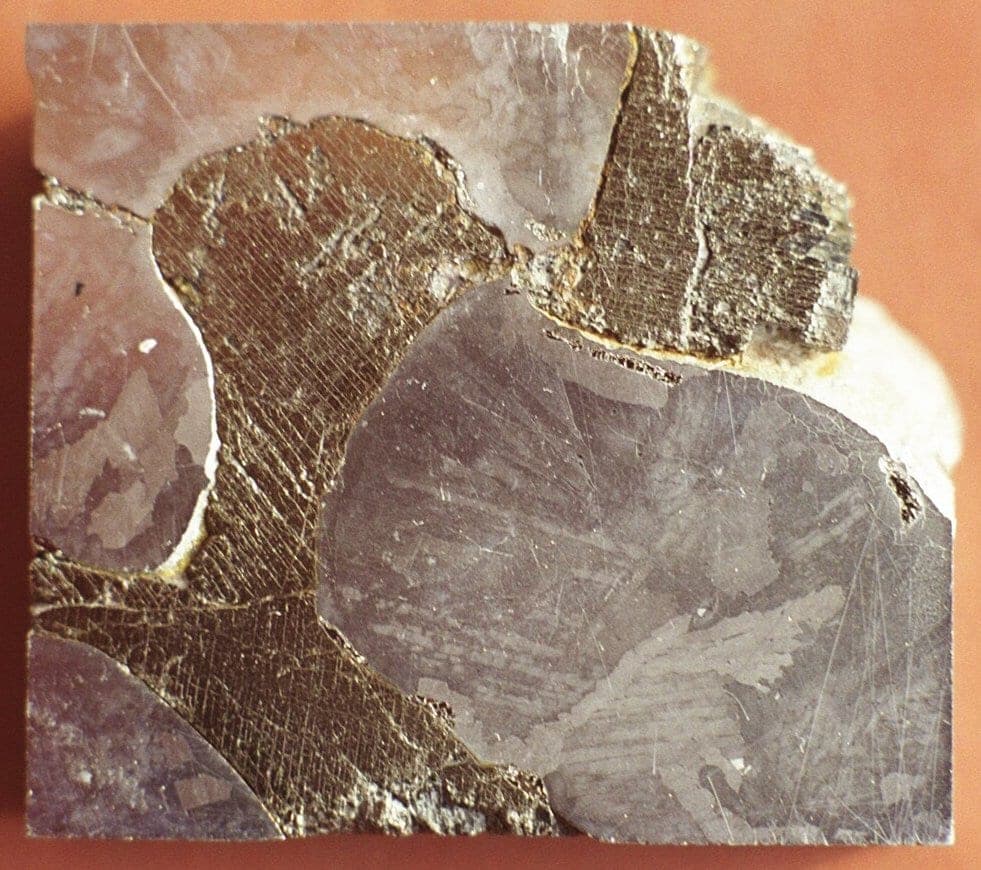
Mesosiderites are a complex class of stony-iron meteorites characterized by an approximately equal mixture of silicate minerals and metallic nickel-iron. They are easily identified by their brecciated appearance, featuring dark, angular silicate fragments embedded within a bright, metallic matrix. Collectors should look for their distinct high density compared to terrestrial rocks and the characteristic Widmanstätten patterns sometimes visible in the iron components.
Is this mesosiderite?
6-step field checkRun through these checks against the specimen in your hand. The more boxes tick, the more confident the ID.
- 1Test the hardnessTry to scratch mesosiderite with a known reference. Mesosiderite sits at Mohs 5-6, softer than the next harder reference, harder than the previous one.
- 2Read the textureLook at a fresh break with a hand lens. Texture: Breccia; metal and silicate as lumps, pebbles and fine intergrowths.
- 3Pick out the mineralsComposition: About equal parts nickel-iron metal and silicate (olivine, pyroxenes and calcium-rich feldspar). Identify the two or three most abundant grains.
- 4Check the streakDrag the specimen across an unglazed porcelain plate. Streak: none, or a weak grayish streak if pressed hard.
- 5Read the lusterHold the specimen under a strong light. Luster: metallic.
- 6Match the color rangeCompare against the expected color range: silver, gray, black, brown.
Often confused with
Mesosiderite vs. its common look-alikes, and how to tell them apart in the field.
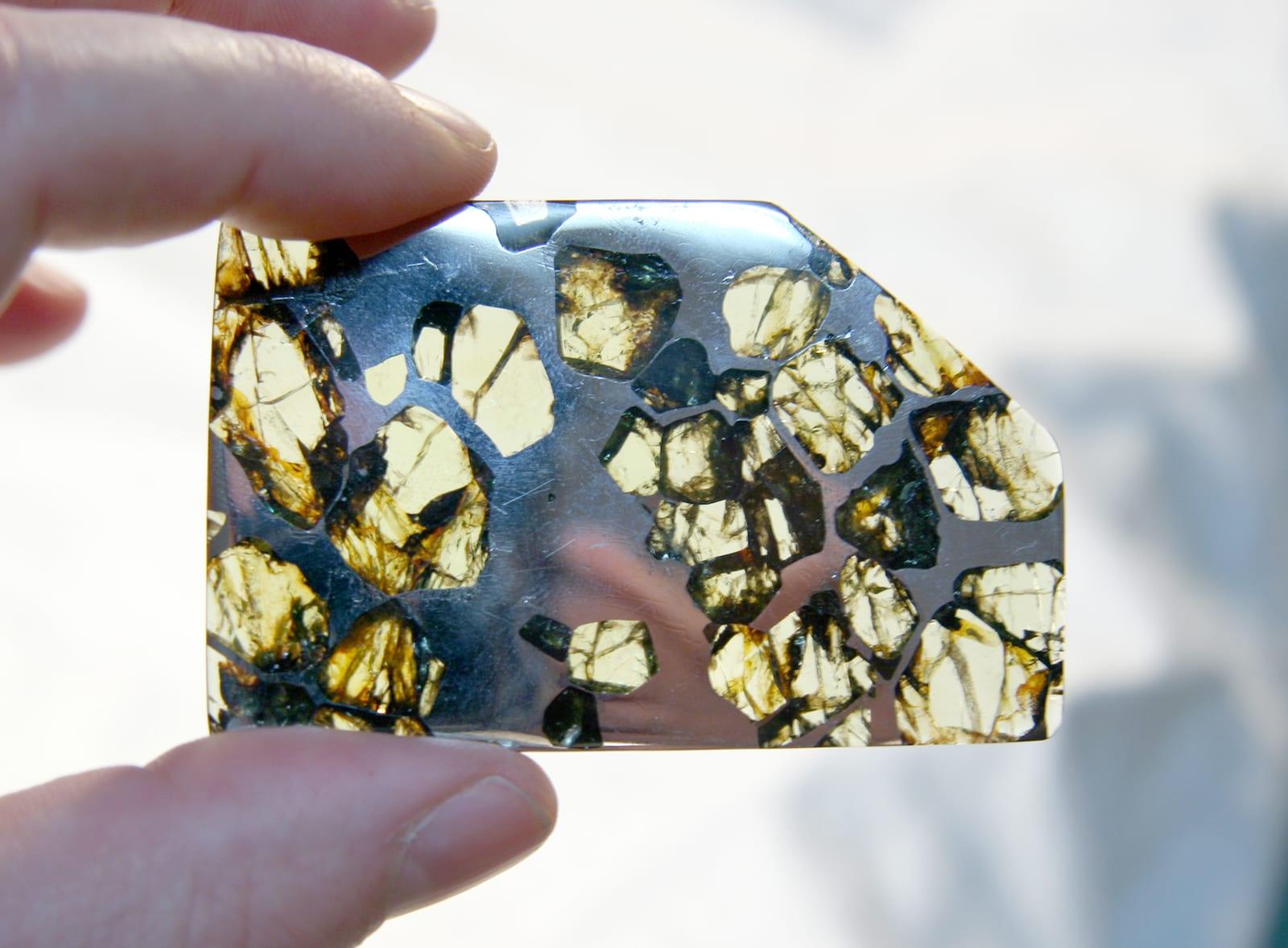
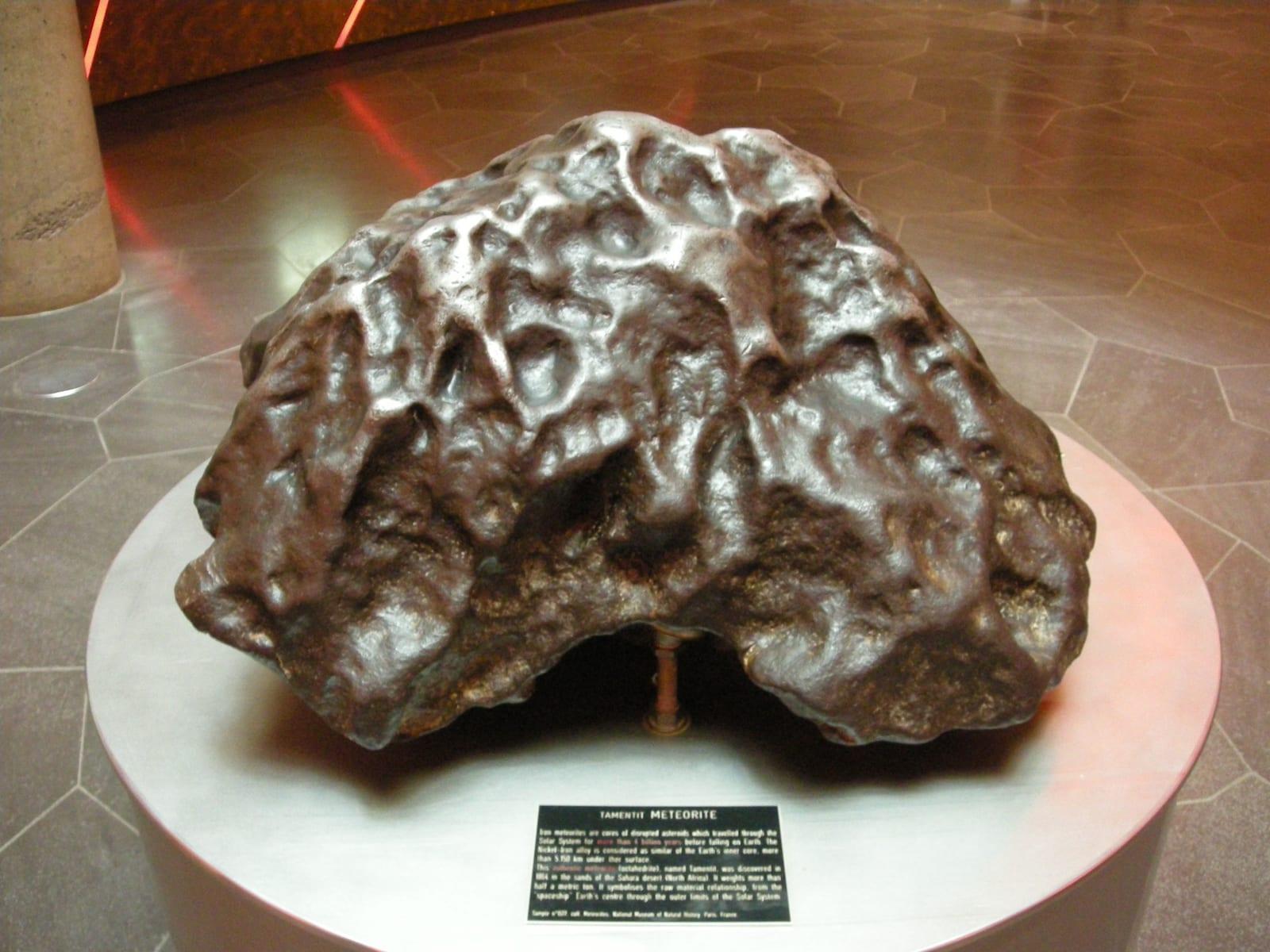
Often found alongside mesosiderite
Minerals reported to co-occur with mesosiderite. Spotting these in float or country rock is a strong cue you are in the right ground.
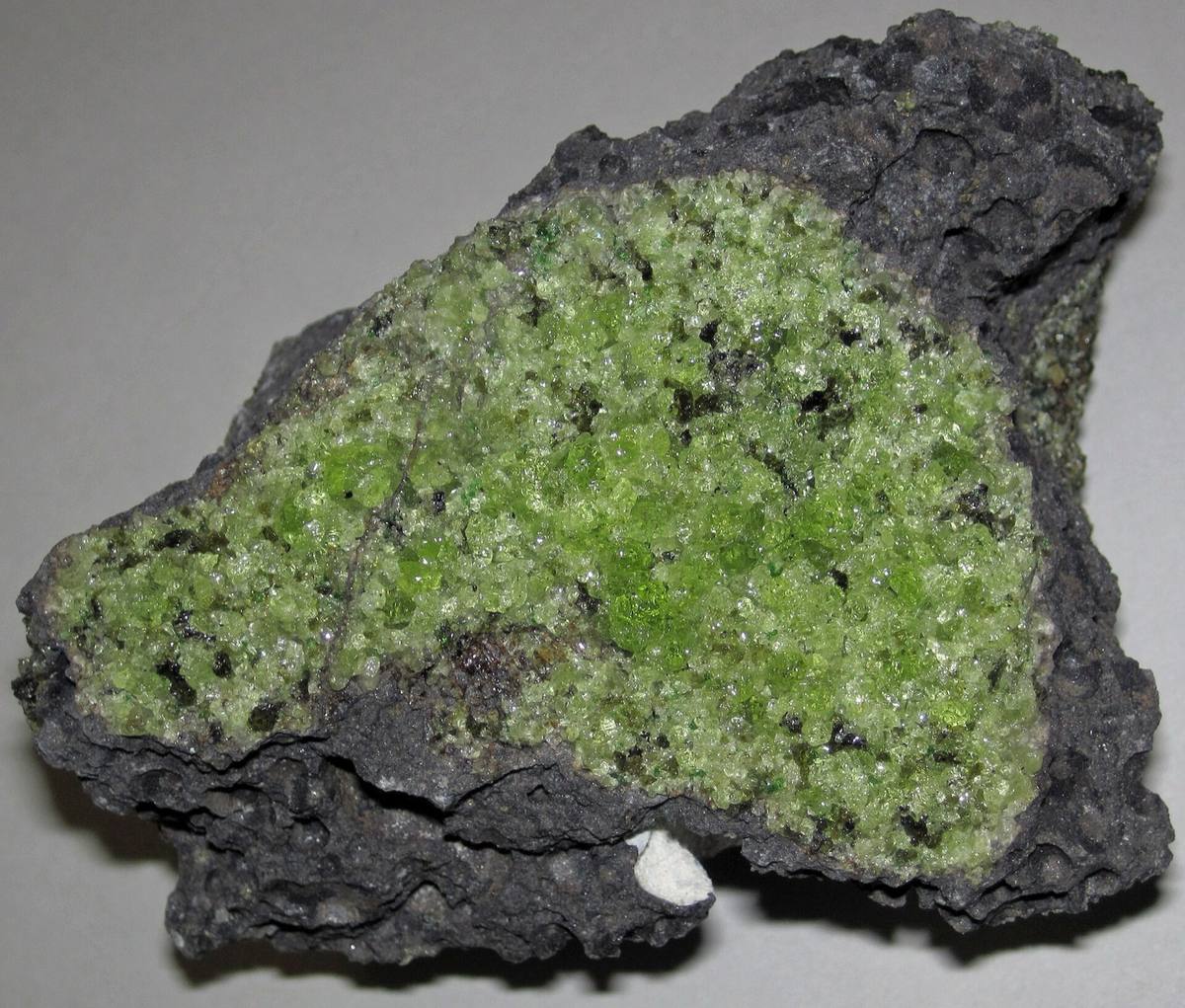
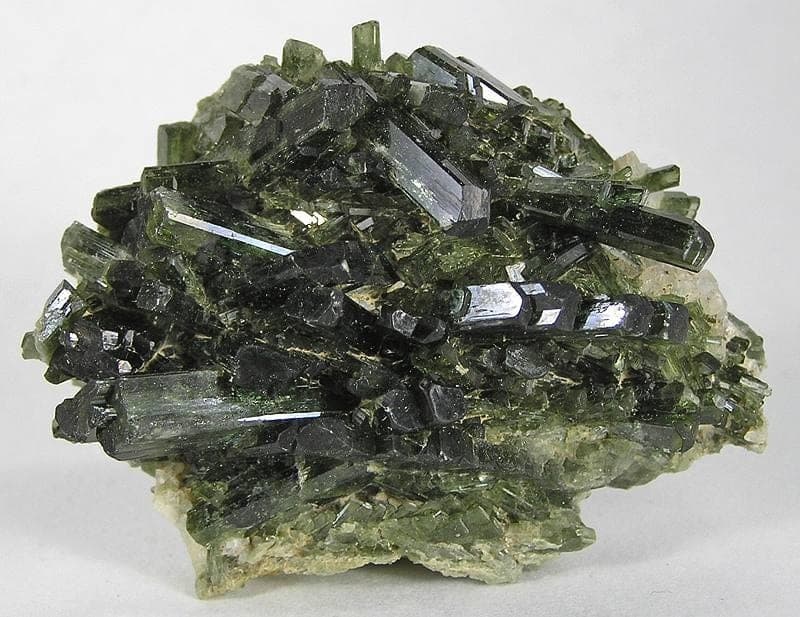
All properties
- Mohs hardness
- 5-6
- Density
- 4.2-4.8 g/cm³
- Streak
- None, or a weak grayish streak if pressed hard
- Luster
- Metallic
- Transparency
- Opaque
- Rarity
- Rare
- Uses
- Collector, Scientific research
- Host rock
- Stony-Iron Meteorite
- Texture
- Breccia; metal and silicate as lumps, pebbles and fine intergrowths
- Composition
- About equal parts nickel-iron metal and silicate (olivine, pyroxenes and calcium-rich feldspar)
Where rockhounds find mesosiderite
Classic worldwide localities
- Vaca Muerta (Chile)
- Estherville (USA)
- Lowicz (Poland)
- Patwar (India)
Field-hunting tip
Where it forms: Stony-Iron Meteorite. If you start seeing olivine, pyroxene, nickel-iron in float, you are in the right ground.
Common questions
How do you identify mesosiderite?+
Where is mesosiderite found?+
What rocks look like mesosiderite?+
What minerals are found with mesosiderite?+
What kind of rock does mesosiderite form in?+
What is mesosiderite used for?+
Find mesosiderite on the map
RockHoundR shows mapped rockhounding spots, access rules, and lets you log every find.