Metatyuyamunite is a secondary uranium mineral formed by the dehydration of tyuyamunite in arid environments. It is characterized by its bright yellow to yellow-green color and intense fluorescence under UV light, typically appearing as delicate crusts or microscopic plates.
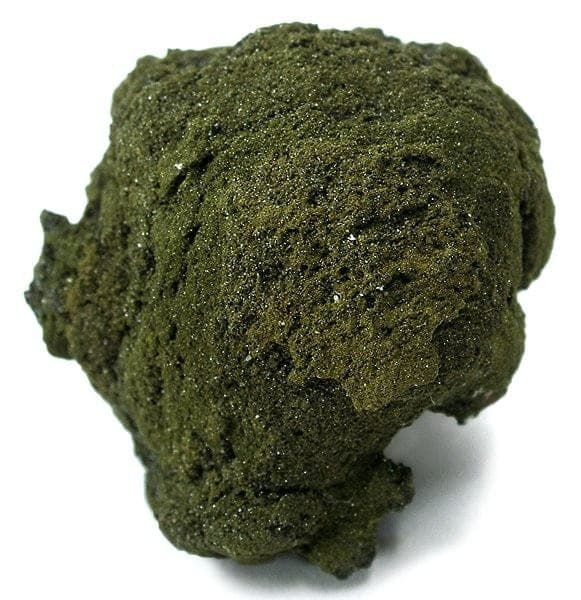
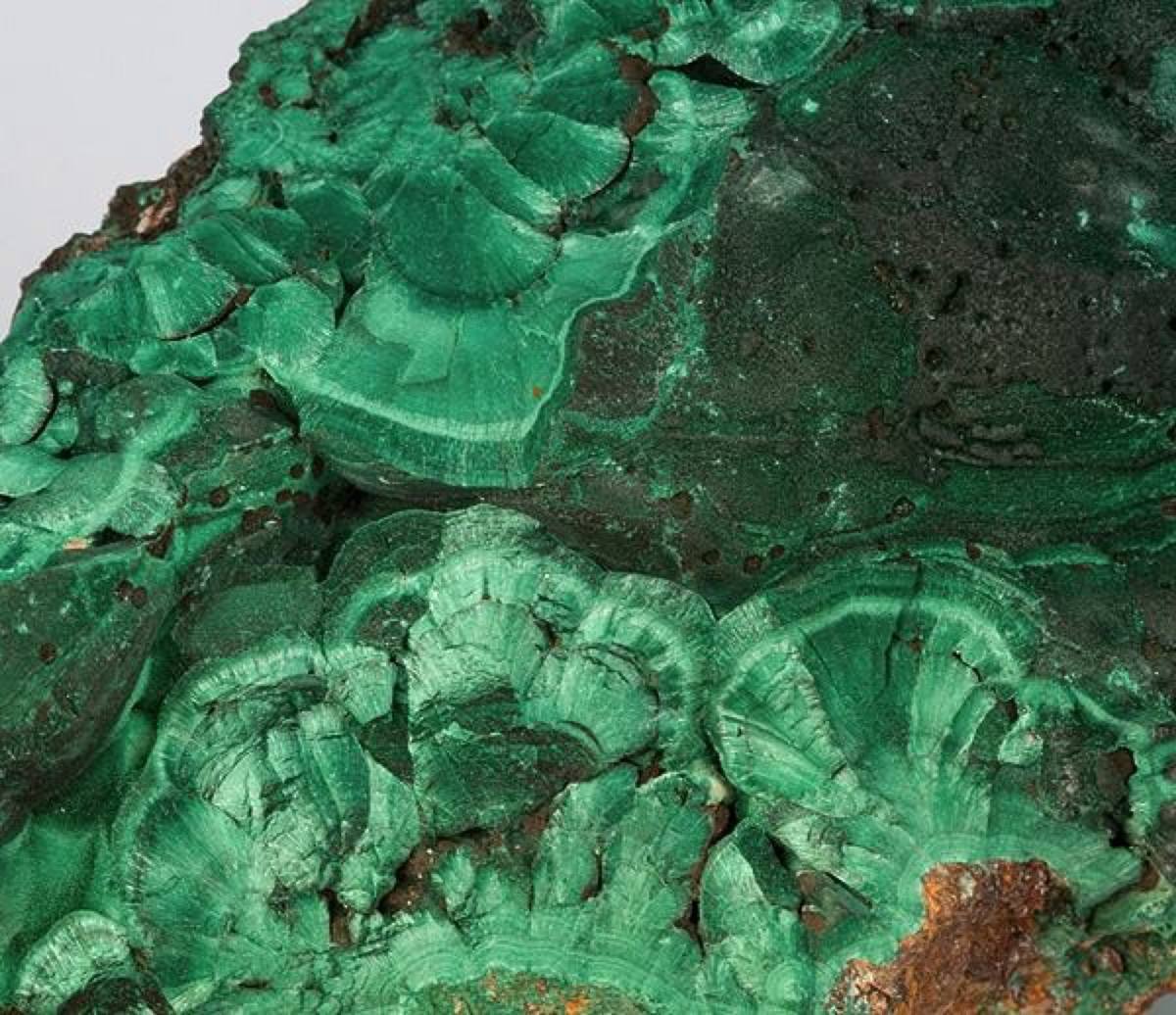
Is this metatyuyamunite?
5-step field checkRun through these checks against the specimen in your hand. The more boxes tick, the more confident the ID.
- 1Test the hardnessTry to scratch metatyuyamunite with a known reference. Metatyuyamunite sits at Mohs ~2, softer than the next harder reference, harder than the previous one.
- 2Check the streakDrag the specimen across an unglazed porcelain plate. Streak: light yellow.
- 3Read the lusterHold the specimen under a strong light. Luster: adamantine, waxy if massive.
- 4Match the color rangeCompare against the expected color range: yellow, greenish yellow, yellow green, dark green.
- 5Look at form & habitCrystal system: orthorhombic. Typical habit: platy crystals, crusts, or pulverulent masses.
Often confused with
Metatyuyamunite vs. its common look-alikes, and how to tell them apart in the field.
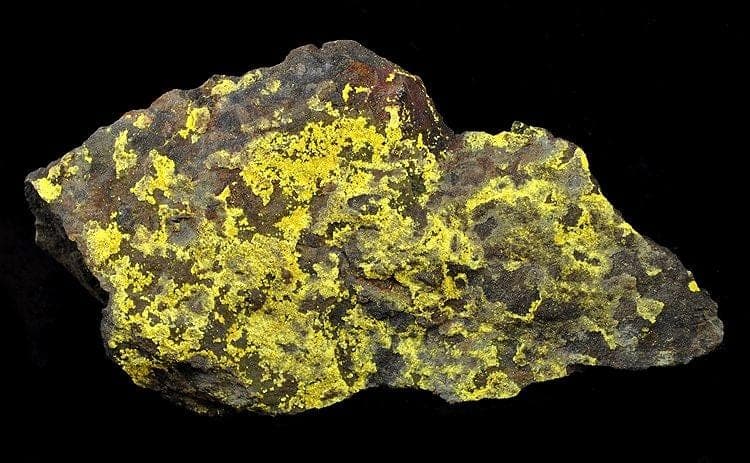
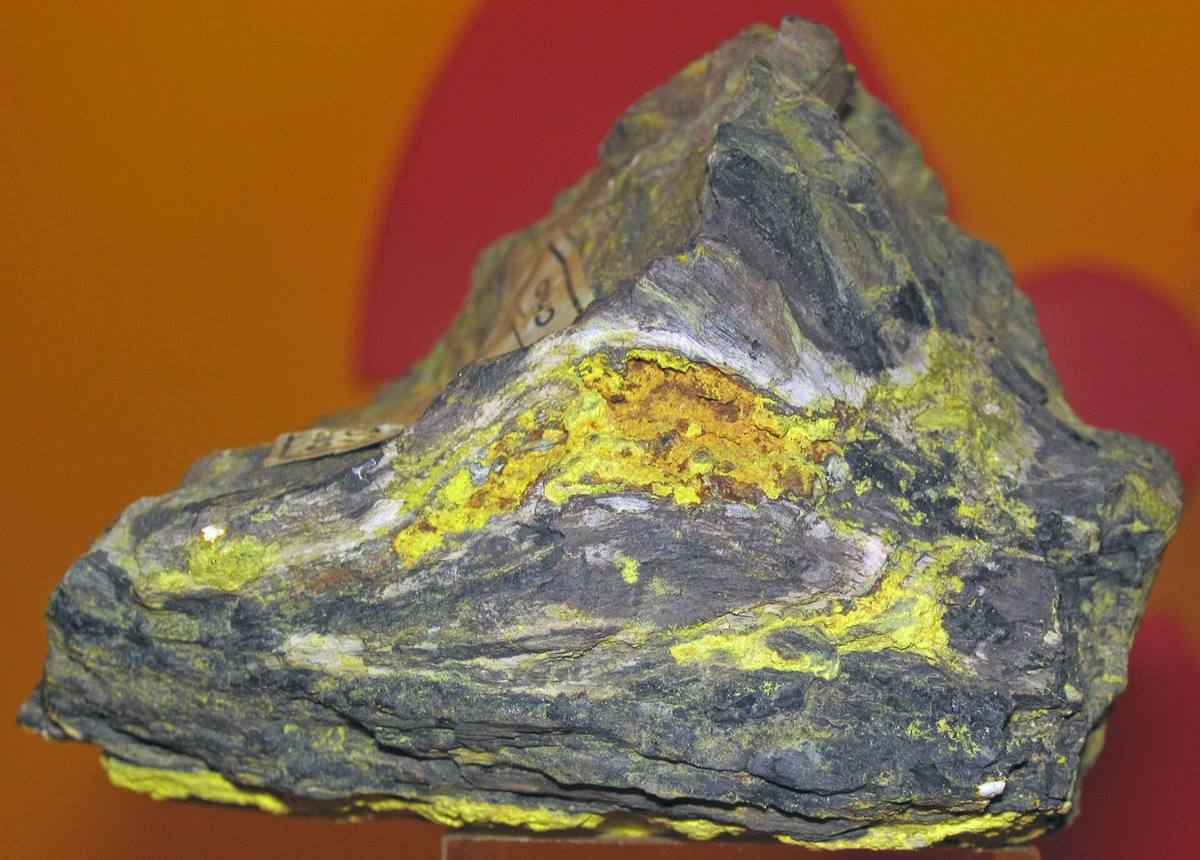
How to tell apart: Streak differs, so Metatyuyamunite leaves light yellow, Carnotite leaves strontian-yellow; luster reads adamantine, waxy if massive on Metatyuyamunite and dull, earthy; silky when crystalline on Carnotite.
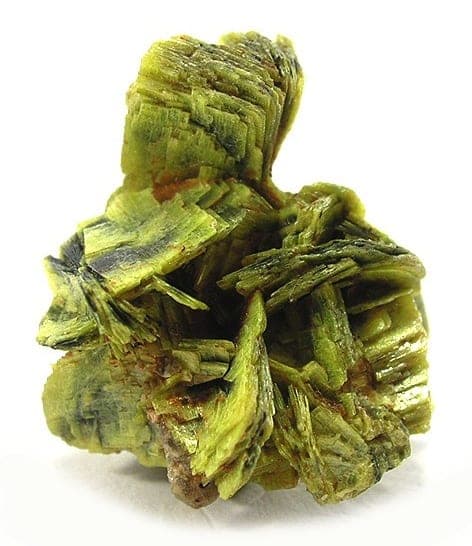
How to tell apart: Streak differs, so Metatyuyamunite leaves light yellow, Autunite leaves pale yellow; luster reads adamantine, waxy if massive on Metatyuyamunite and vitreous, pearly on {001} on Autunite.
Often found alongside metatyuyamunite
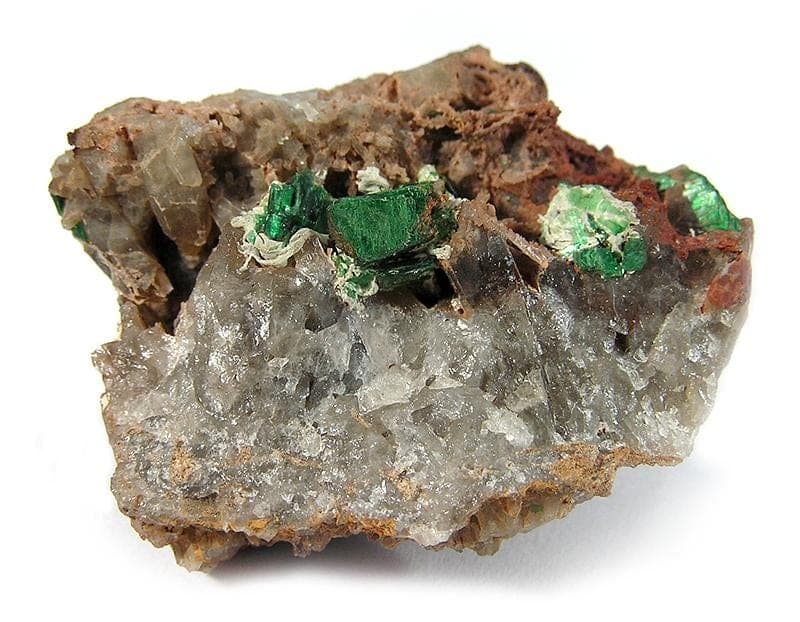
Minerals reported to co-occur with metatyuyamunite. Spotting these in float or country rock is a strong cue you are in the right ground.
All properties
- Chemical formula
- Ca(UO₂)₂(VO₄)₂·(5-8)H₂O
- Mohs hardness
- ~2
- Density
- 3.81-3.93 g/cm³
- Streak
- Light yellow
- Luster
- Adamantine, waxy if massive
- Transparency
- Transparent to translucent
- Crystal system
- Orthorhombic
- Crystal habit
- Platy crystals, crusts, or pulverulent masses
- Cleavage
- Perfect on {001}; indistinct on {010} and {100}
- Fluorescence
- Bright yellow-green under SW UV
- Rarity
- Rare
- Uses
- Collector
- Host rock
- A common dehydration product of tyuyamunite in Colorado Plateau-type U–V deposits
Where rockhounds find metatyuyamunite
Classic worldwide localities
- First fully characterized from the Jo Dandy mine, Montrose Co., and the Small Spot and May Day mines, Calamity Mesa, Mesa Co., Colorado, USA
Field-hunting tip
Where it forms: A common dehydration product of tyuyamunite in Colorado Plateau-type U–V deposits. If you start seeing tyuyamunite, carnotite, volborthite in float, you are in the right ground. Typical habit: platy crystals, crusts, or pulverulent masses. Train your eye for that shape before scanning the outcrop.
Common questions
How do you identify metatyuyamunite?+
Where is metatyuyamunite found?+
Is metatyuyamunite safe to handle?+
What rocks look like metatyuyamunite?+
What minerals are found with metatyuyamunite?+
What kind of rock does metatyuyamunite form in?+
What is metatyuyamunite used for?+
Find metatyuyamunite on the map
RockHoundR shows mapped rockhounding spots, access rules, and lets you log every find.