
Milky quartz is a common variety of quartz distinguished by its cloudy, opaque white appearance caused by tiny fluid inclusions trapped during growth. It is found globally in a wide variety of geologic environments and frequently forms massive veins or large, chunky crystal clusters.
Spotting milky quartz in the field
Field marks- 1
Opaque white, cloudy throughout, from countless microscopic fluid inclusions
- 2
Common as vein material and as blocky white float on hillsides
- 3
Hardness 7, glassy on a fresh break despite the cloudiness
Milky quartz is the white rubble you see scattered across half the hillsides in mining country, and it is worth paying attention to for a reason that has nothing to do with the quartz itself: it is the classic host for gold. Prospectors follow milky quartz float uphill to find the vein it came from. Look at broken surfaces for rusty iron staining and any bright specks, and remember that gold in quartz is usually far less showy than people expect.
Straight answers
- Is it worth cutting?
- Little value as a cutting material on its own. It matters as a matrix for other minerals.
- What is it really worth?
- None as material. Its worth is as an indicator of vein systems and, occasionally, of gold.
- Can you legally keep it?
- Collecting the rock is unrestricted on open public land. Prospecting for gold is a separate matter and most productive ground is under active mining claim.
Often confused with
Milky Quartz vs. its common look-alikes, and how to tell them apart in the field.
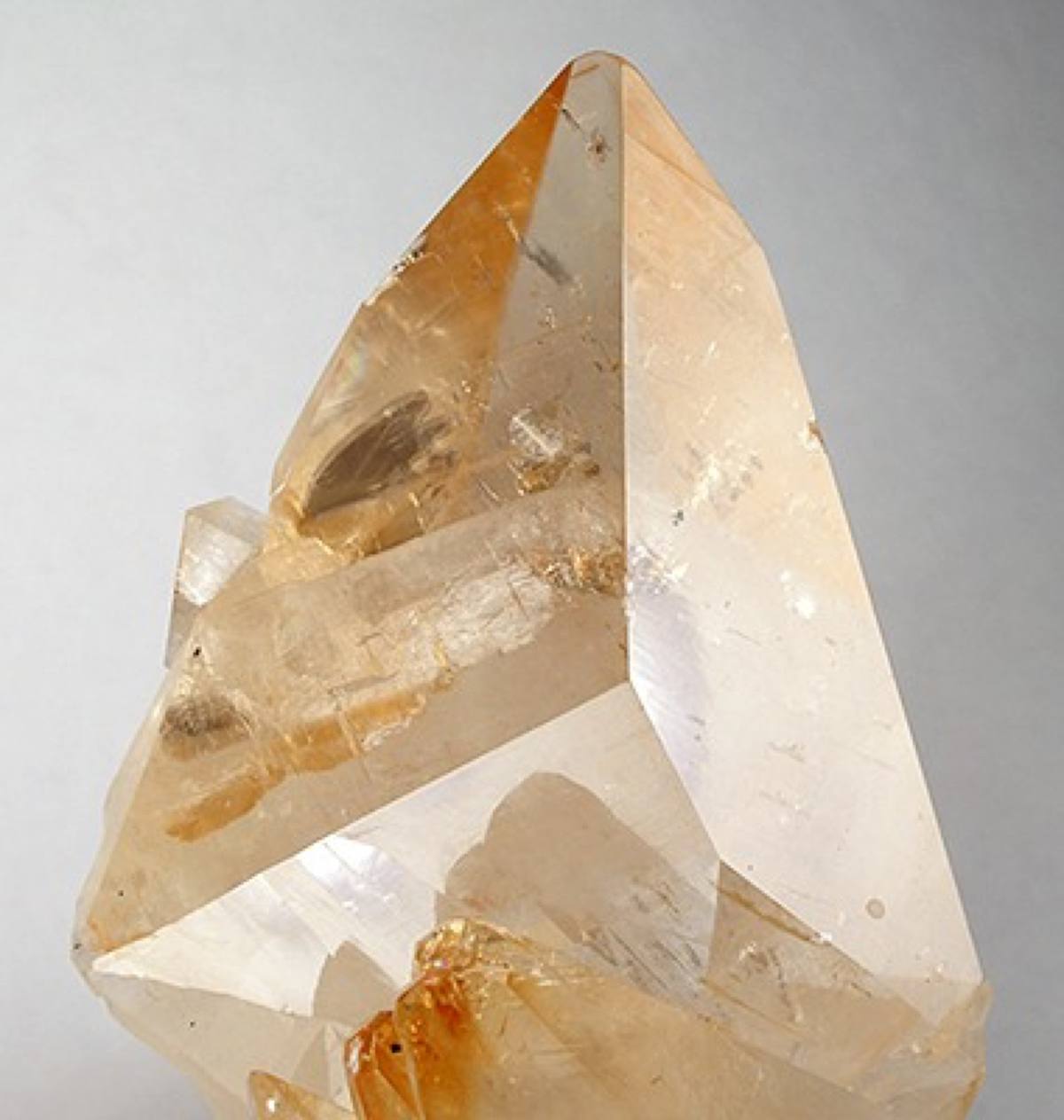
How to tell apart: White calcite veins look similar from a distance. Calcite is soft, marks with a knife and fizzes in dilute acid.
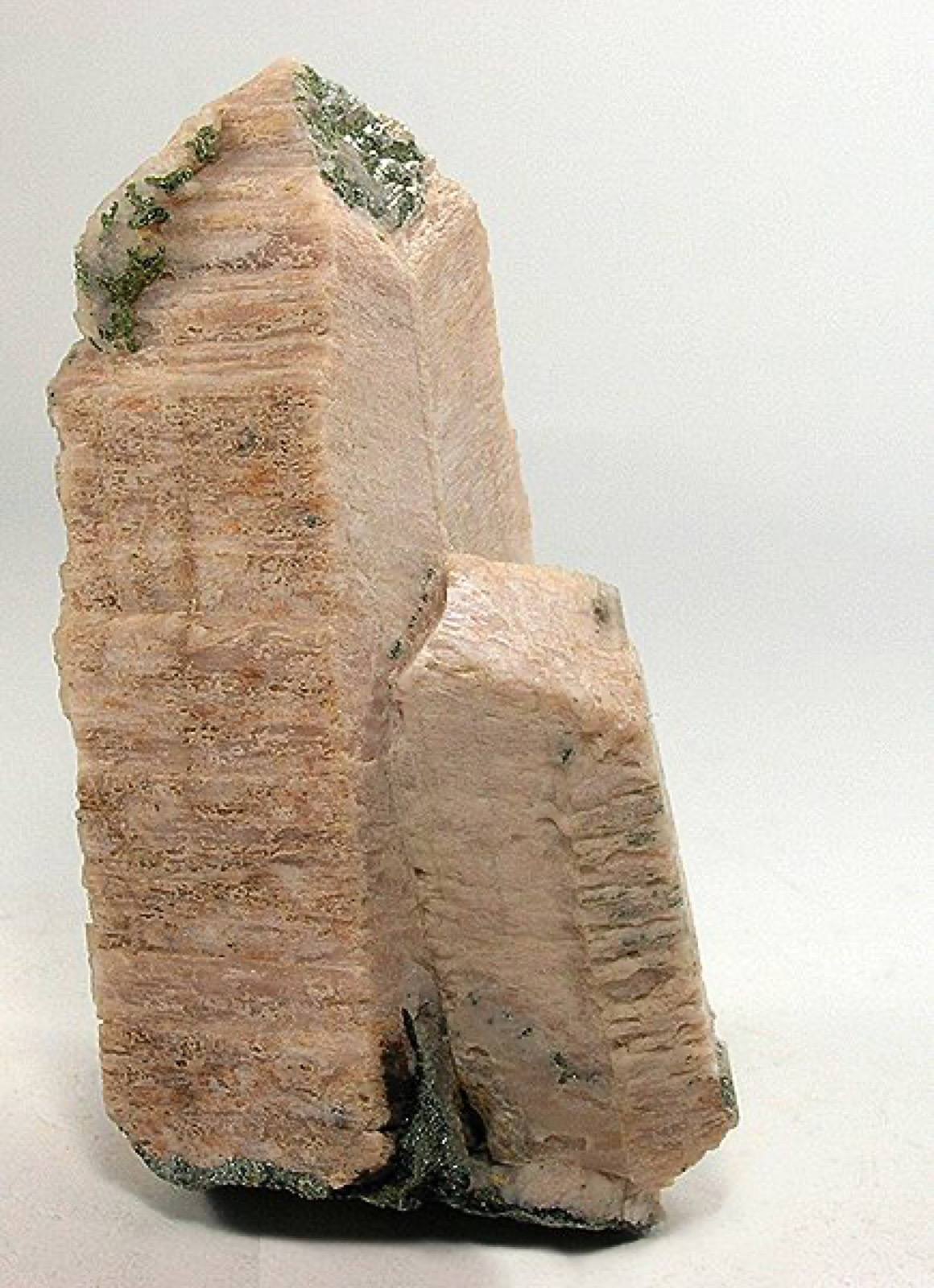
How to tell apart: Feldspar has flat cleavage faces that catch the light as bright flashes. Quartz breaks in curved shells with no flat planes.
Often found alongside milky quartz
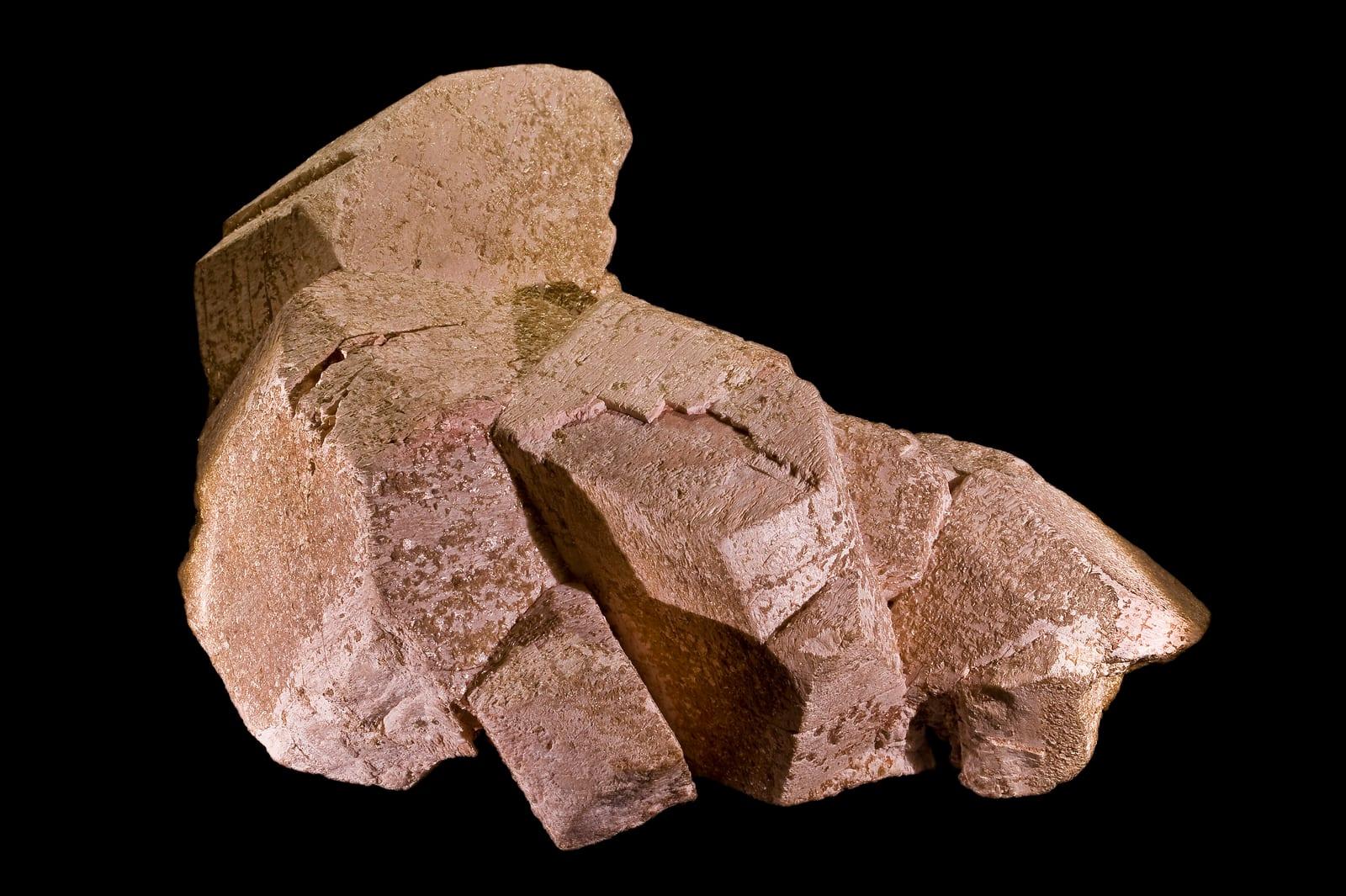
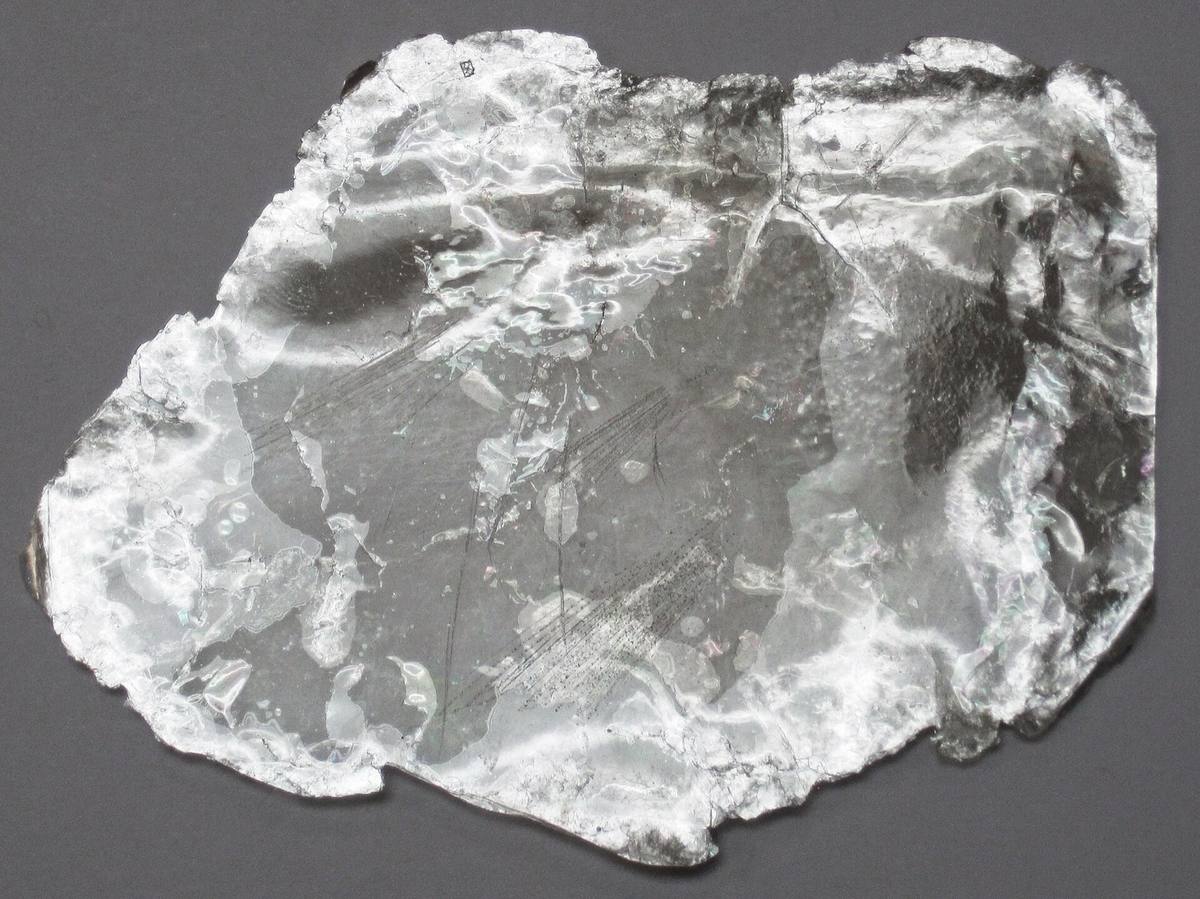
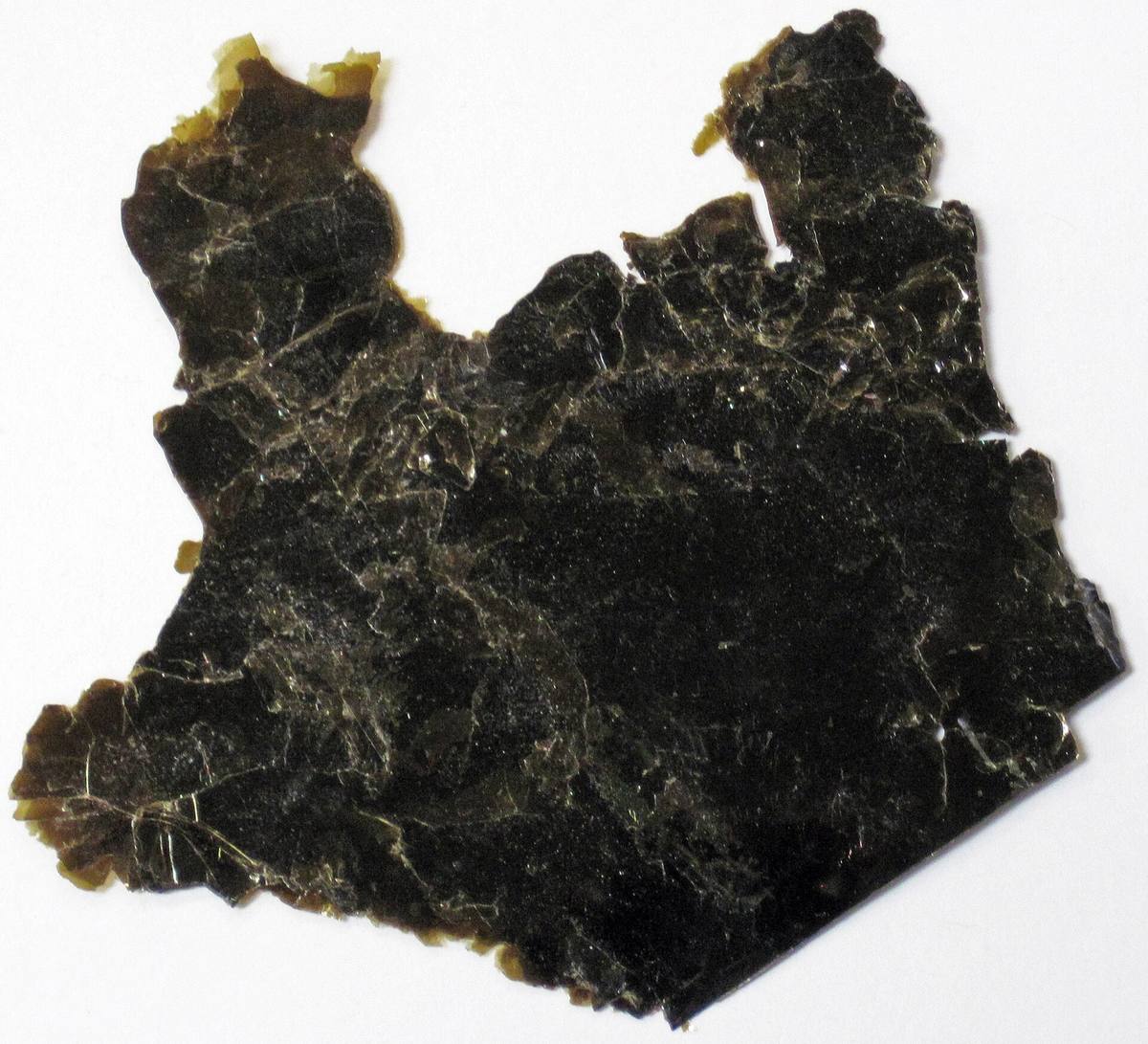
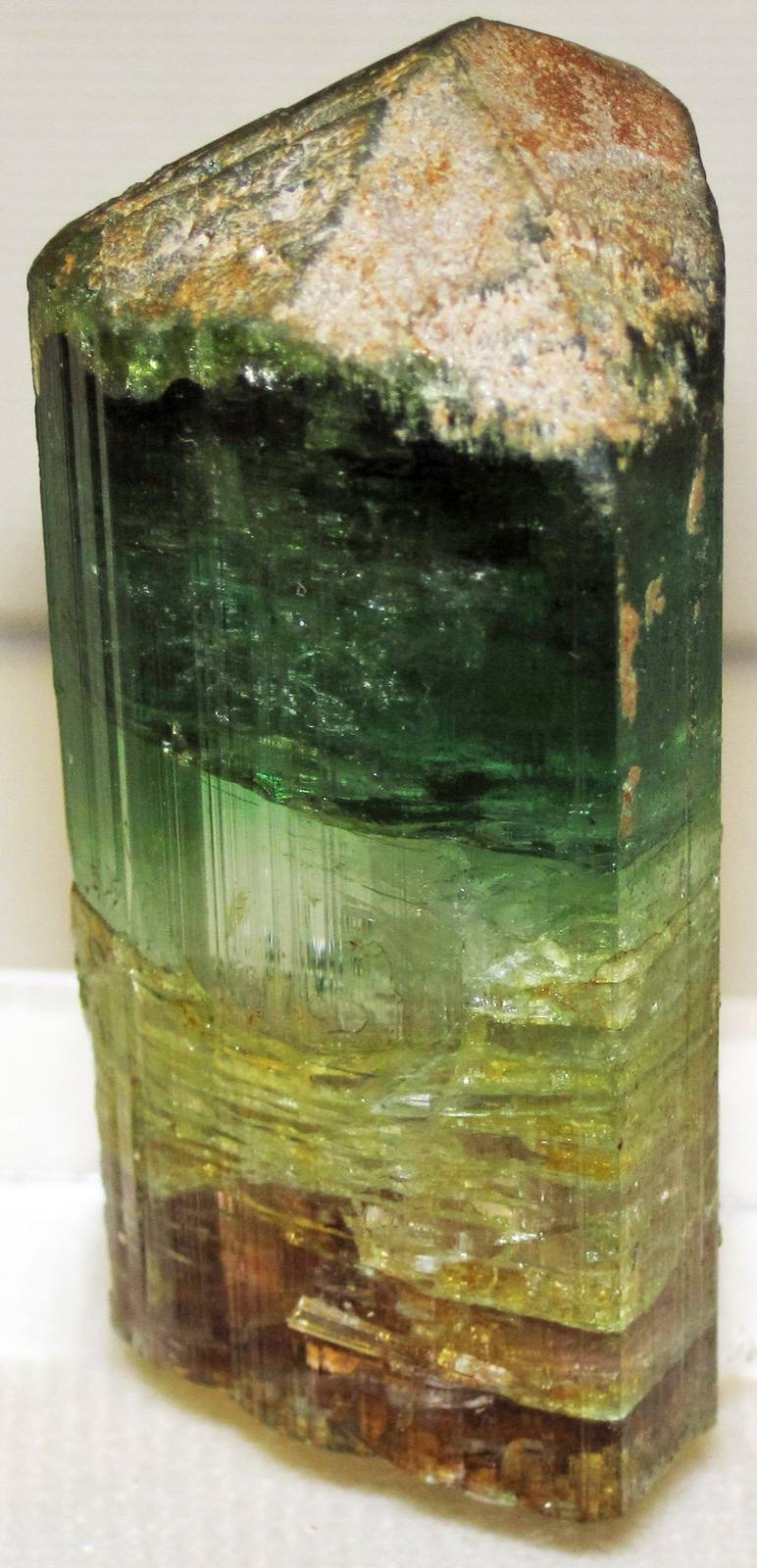
Minerals reported to co-occur with milky quartz. Spotting these in float or country rock is a strong cue you are in the right ground.
All properties
- Chemical formula
- SiO₂
- Mohs hardness
- 7
- Density
- 2.65 g/cm³
- Colors
- Streak
- White
- Luster
- Vitreous
- Transparency
- Opaque
- Crystal system
- Trigonal
- Crystal habit
- Massive, prismatic crystals
- Cleavage
- None
- Rarity
- Common
- Uses
- Collector, Decorative
- Host rock
- granite pegmatites, hydrothermal veins
Where rockhounds find milky quartz
Classic worldwide localities
- Brazil
- USA
- Madagascar
- India
- Alpine regions
Field-hunting tip
Where it forms: granite pegmatites, hydrothermal veins. If you start seeing orthoclase, muscovite, biotite in float, you are in the right ground. Typical habit: massive, prismatic crystals. Train your eye for that shape before scanning the outcrop.
Common questions
How do you identify milky quartz?+
Where is milky quartz found?+
What rocks look like milky quartz?+
What minerals are found with milky quartz?+
What kind of rock does milky quartz form in?+
What is milky quartz used for?+
Find milky quartz on the map
RockHoundR shows mapped rockhounding spots, access rules, and lets you log every find.

