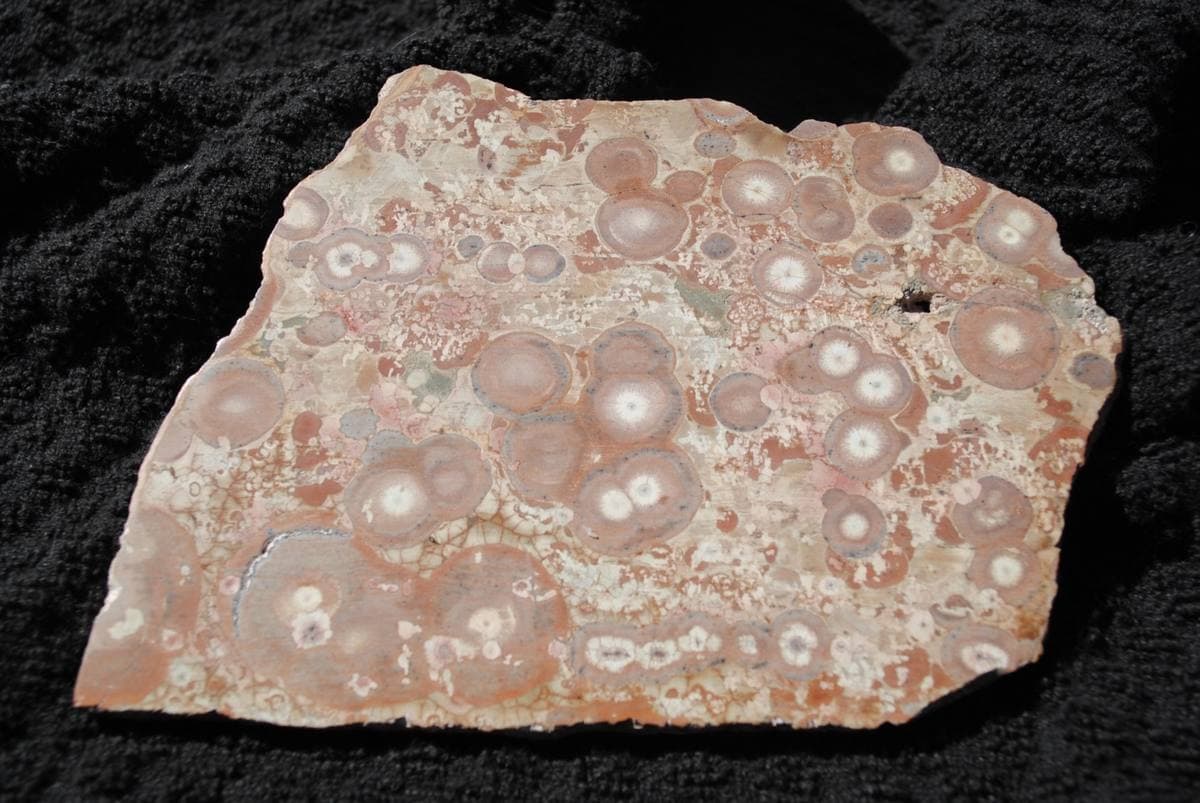
Morrisonite is a picture jasper from a remote private claim above the Owyhee River in Malheur County, Oregon. It shows bold swirls and orbs in blue-green, cream, brown and lavender with a strong three-dimensional depth, and it is dense, opaque and very fine grained. The deposit has produced very little for decades, and when people talk about the finest jasper in the world this is usually the rock they mean.
Spotting morrisonite in the field
Field marks- 1
Bold swirls and orbs in blue-green, cream, brown and lavender
- 2
Strong three-dimensional depth, with patterns that look painted rather than layered
- 3
Dense, opaque, very fine grained
Morrisonite came out of a remote claim above the Owyhee River in Malheur County, Oregon, reached by a road that discouraged casual visitors even when the mine was active. The deposit is on private claim and has produced very little for decades. Like Bruneau, it earns its place here because it sets the standard: when people talk about the finest jasper in the world, this is usually the rock they mean.
Straight answers
- Is it worth cutting?
- Cut with great care and plan every slab. At current prices a careless saw cut is an expensive mistake.
- What is it really worth?
- Among the most expensive jaspers in existence, sold by the slab and often by the gram for top material. Misattribution is common, so provenance matters more than appearance when buying.
- Can you legally keep it?
- Private claim, not open to collecting.
Often confused with
Morrisonite vs. its common look-alikes, and how to tell them apart in the field.
Often found alongside morrisonite
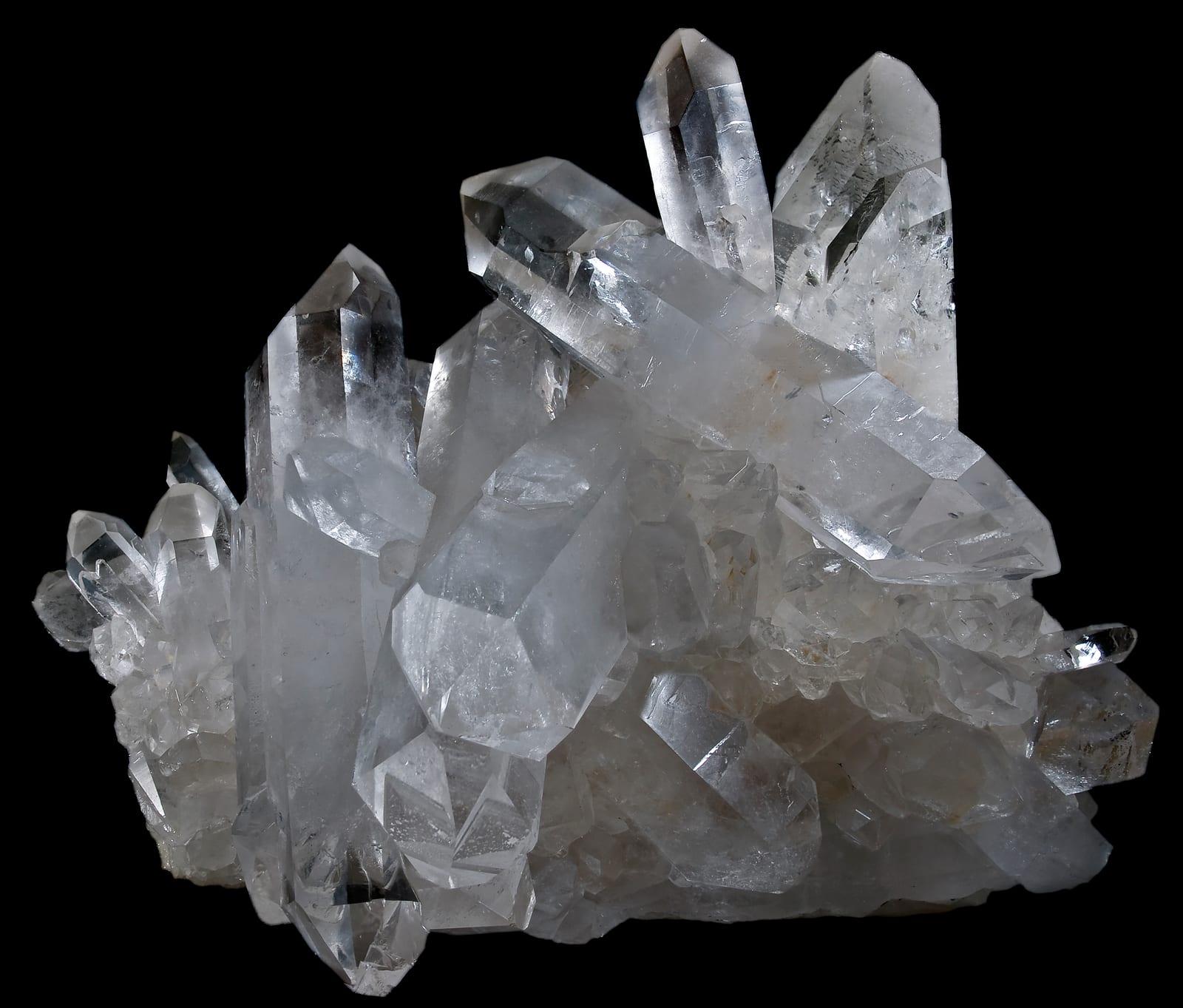
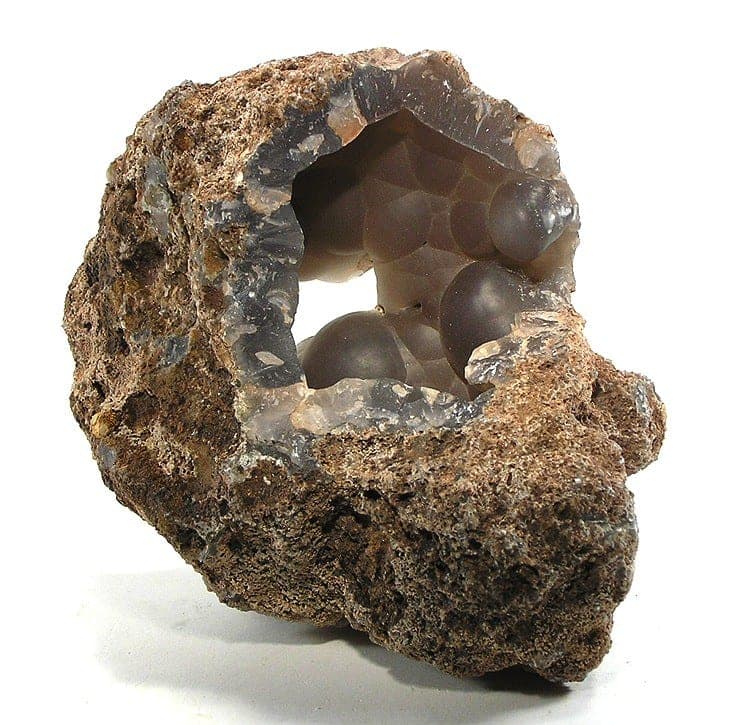
Minerals reported to co-occur with morrisonite. Spotting these in float or country rock is a strong cue you are in the right ground.
All properties
- Chemical formula
- SiO₂
- Mohs hardness
- 6.5-7
- Density
- 2.5-2.9 g/cm³
- Streak
- White
- Luster
- Waxy
- Transparency
- Opaque
- Crystal system
- Trigonal
- Crystal habit
- Massive
- Cleavage
- None
- Rarity
- Rare
- Uses
- Lapidary, Collector, Decorative
- Host rock
- rhyolitic volcanic deposits
Where rockhounds find morrisonite
Classic worldwide localities
- Malheur County, Oregon, USA
Field-hunting tip
Where it forms: rhyolitic volcanic deposits. If you start seeing quartz, chalcedony in float, you are in the right ground. Typical habit: massive. Train your eye for that shape before scanning the outcrop.
Common questions
How do you identify morrisonite?+
Where is morrisonite found?+
What rocks look like morrisonite?+
What minerals are found with morrisonite?+
What kind of rock does morrisonite form in?+
What is morrisonite used for?+
Find morrisonite on the map
RockHoundR shows mapped rockhounding spots, access rules, and lets you log every find.