
Oligoclase is a common plagioclase feldspar that represents a solid solution between albite and anorthite. It is frequently found in igneous rocks and can exhibit a unique schiller effect known as aventurescence, especially in the variety called sunstone.
Is this oligoclase?
5-step field checkRun through these checks against the specimen in your hand. The more boxes tick, the more confident the ID.
- 1Test the hardnessTry to scratch oligoclase with a known reference. Oligoclase sits at Mohs 6-6.5, softer than the next harder reference, harder than the previous one.
- 2Check the streakDrag the specimen across an unglazed porcelain plate. Streak: white.
- 3Read the lusterHold the specimen under a strong light. Luster: vitreous to pearly.
- 4Match the color rangeCompare against the expected color range: white, colorless, gray, pale yellow, pale green, reddish, brown, greenish, yellowish.
- 5Look at form & habitCrystal system: triclinic. Typical habit: euhedral crystals, granular.
Often confused with
Oligoclase vs. its common look-alikes, and how to tell them apart in the field.
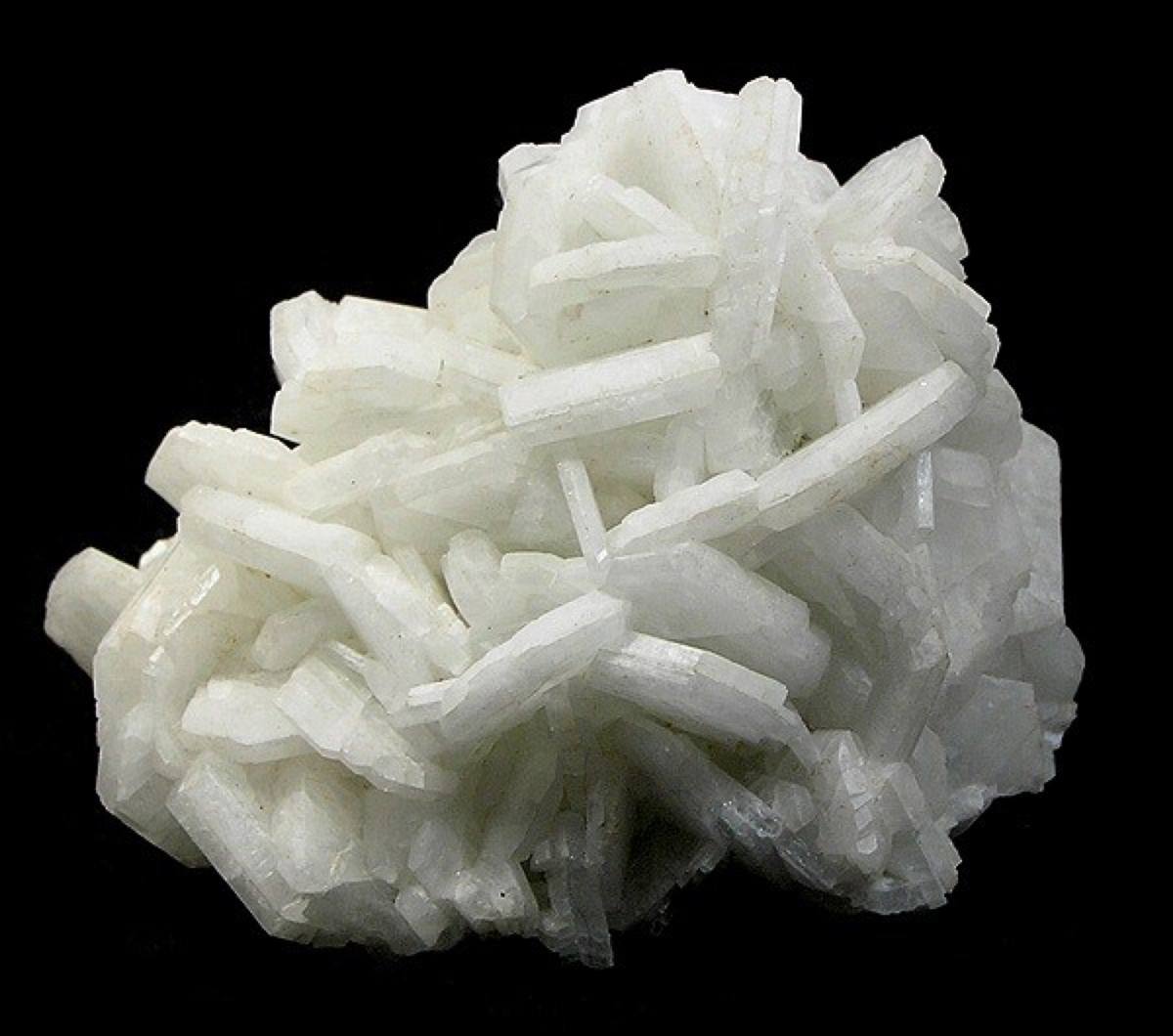
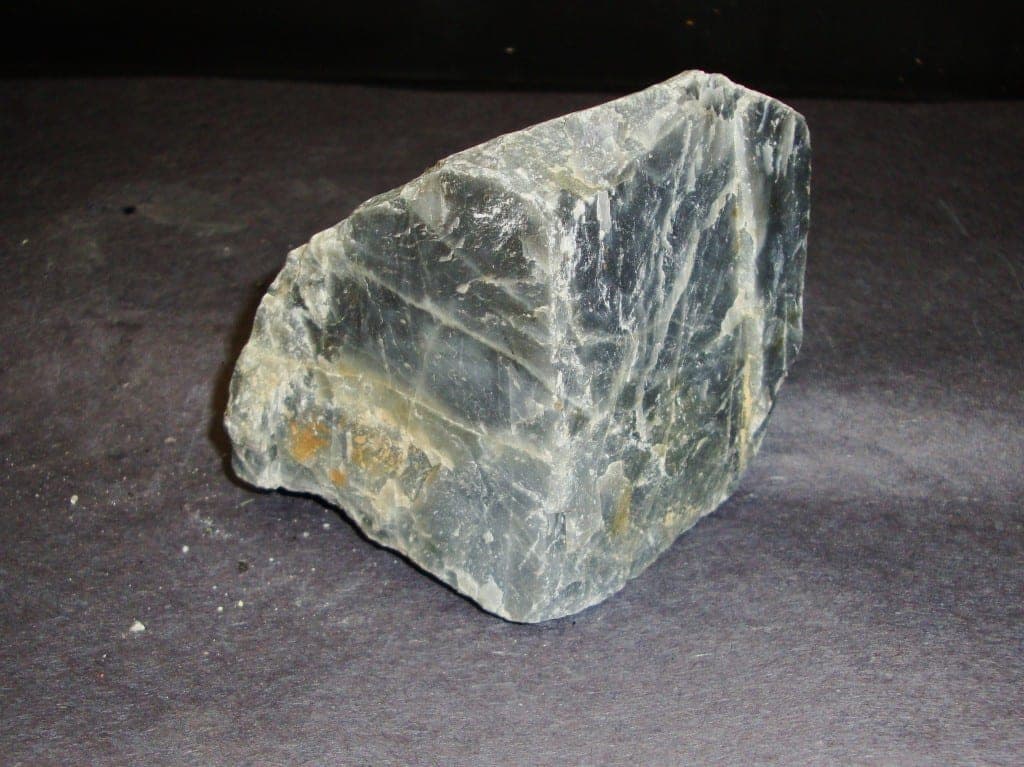
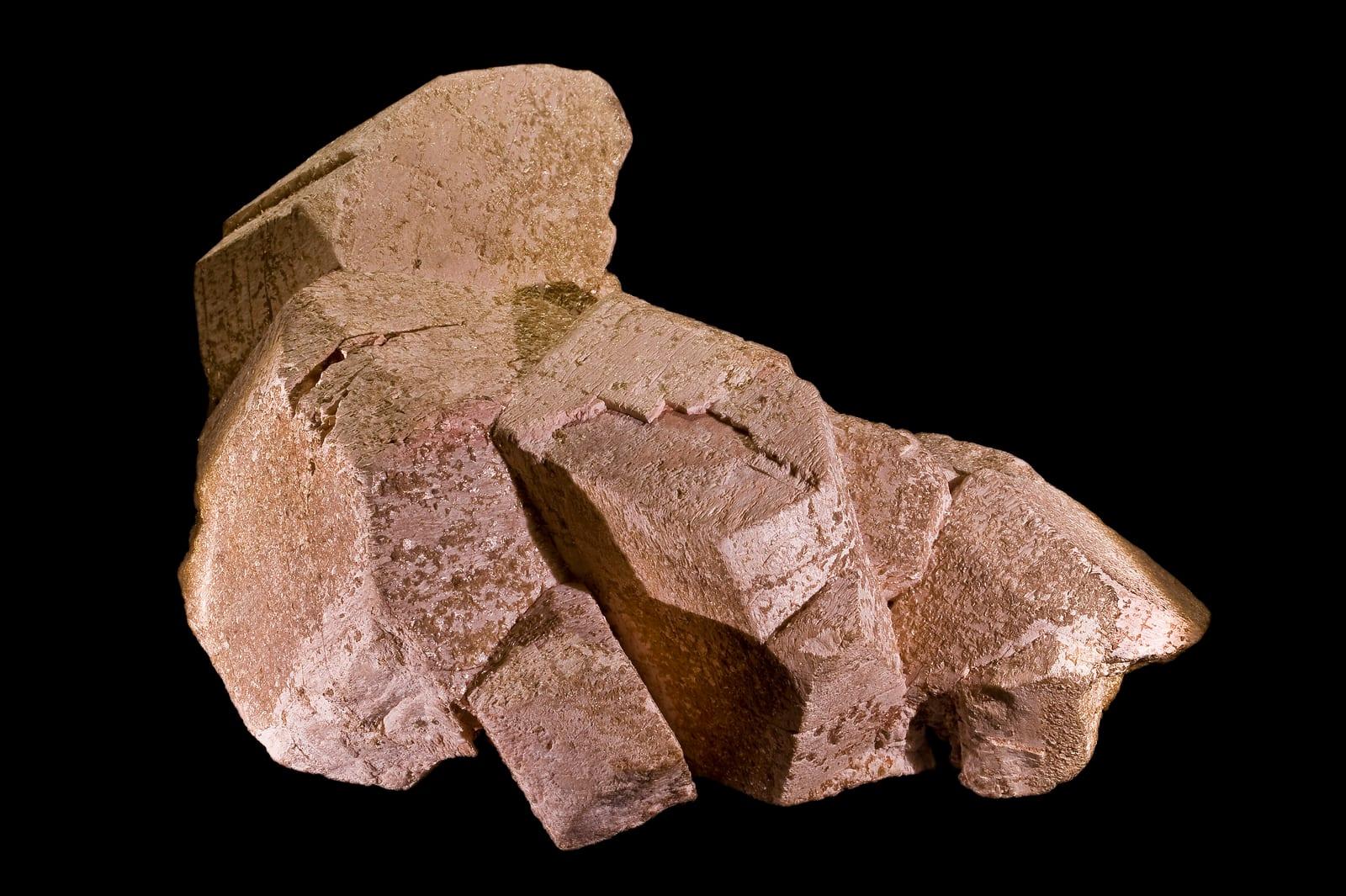
Often found alongside oligoclase
Minerals reported to co-occur with oligoclase. Spotting these in float or country rock is a strong cue you are in the right ground.
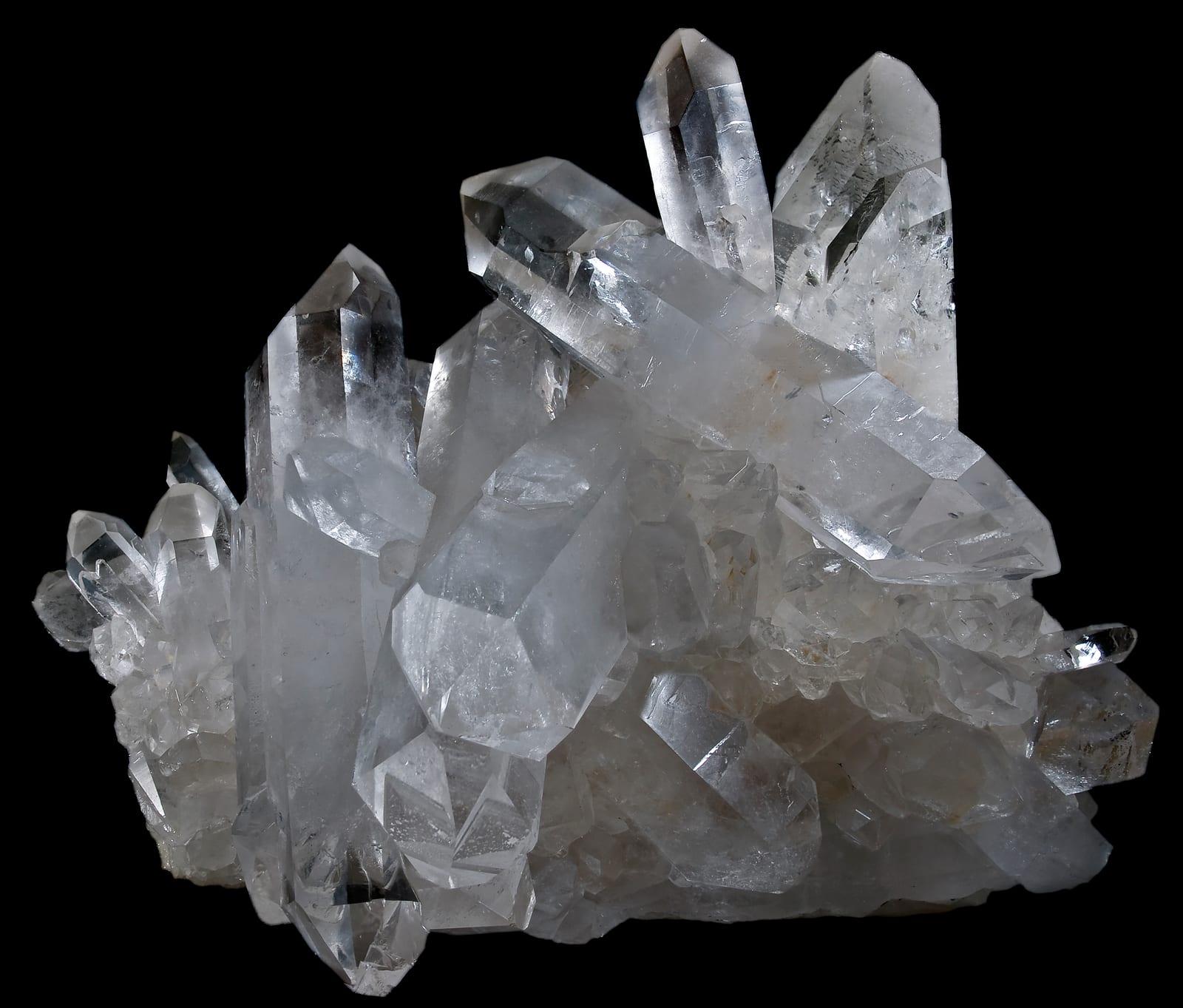
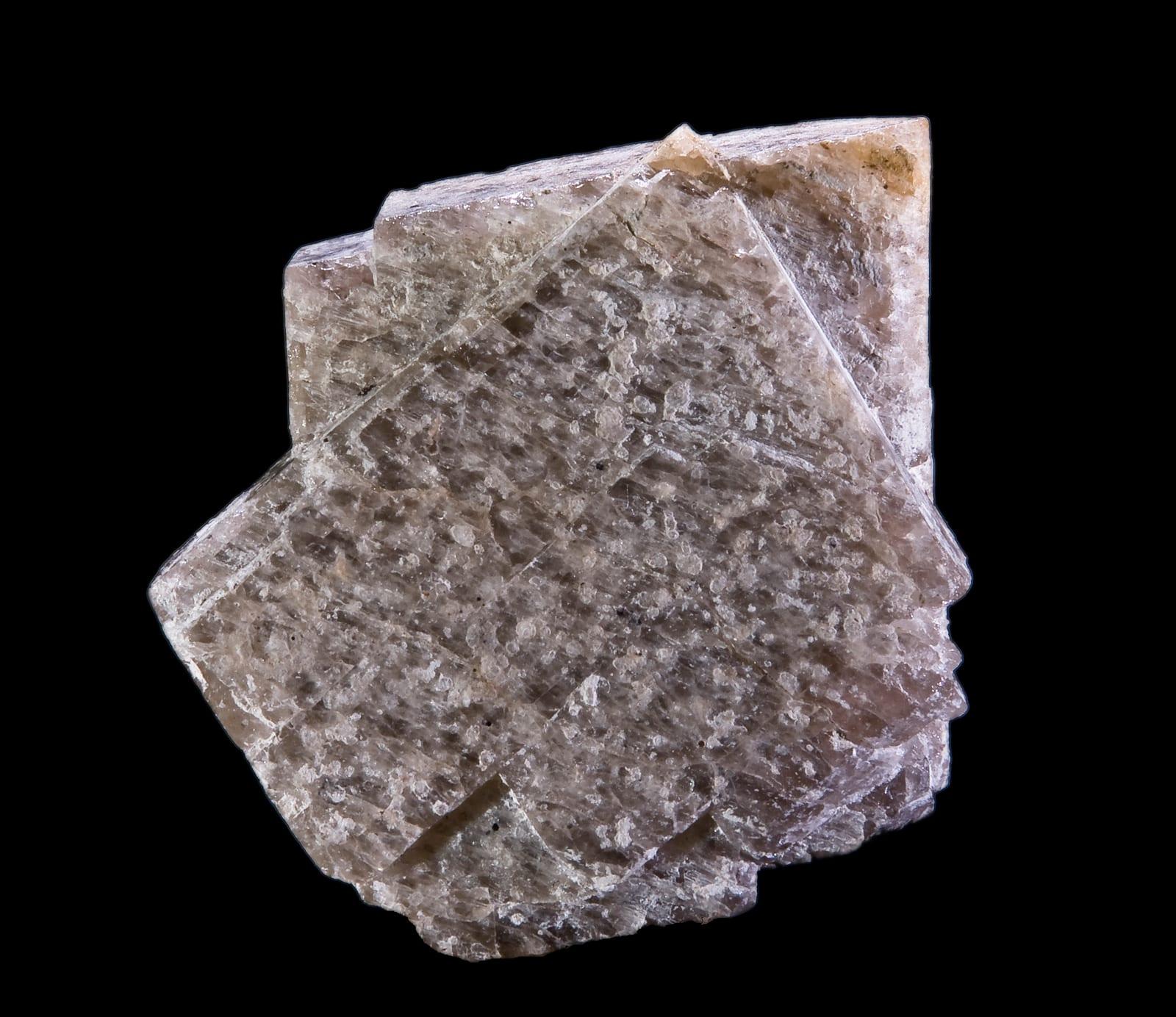
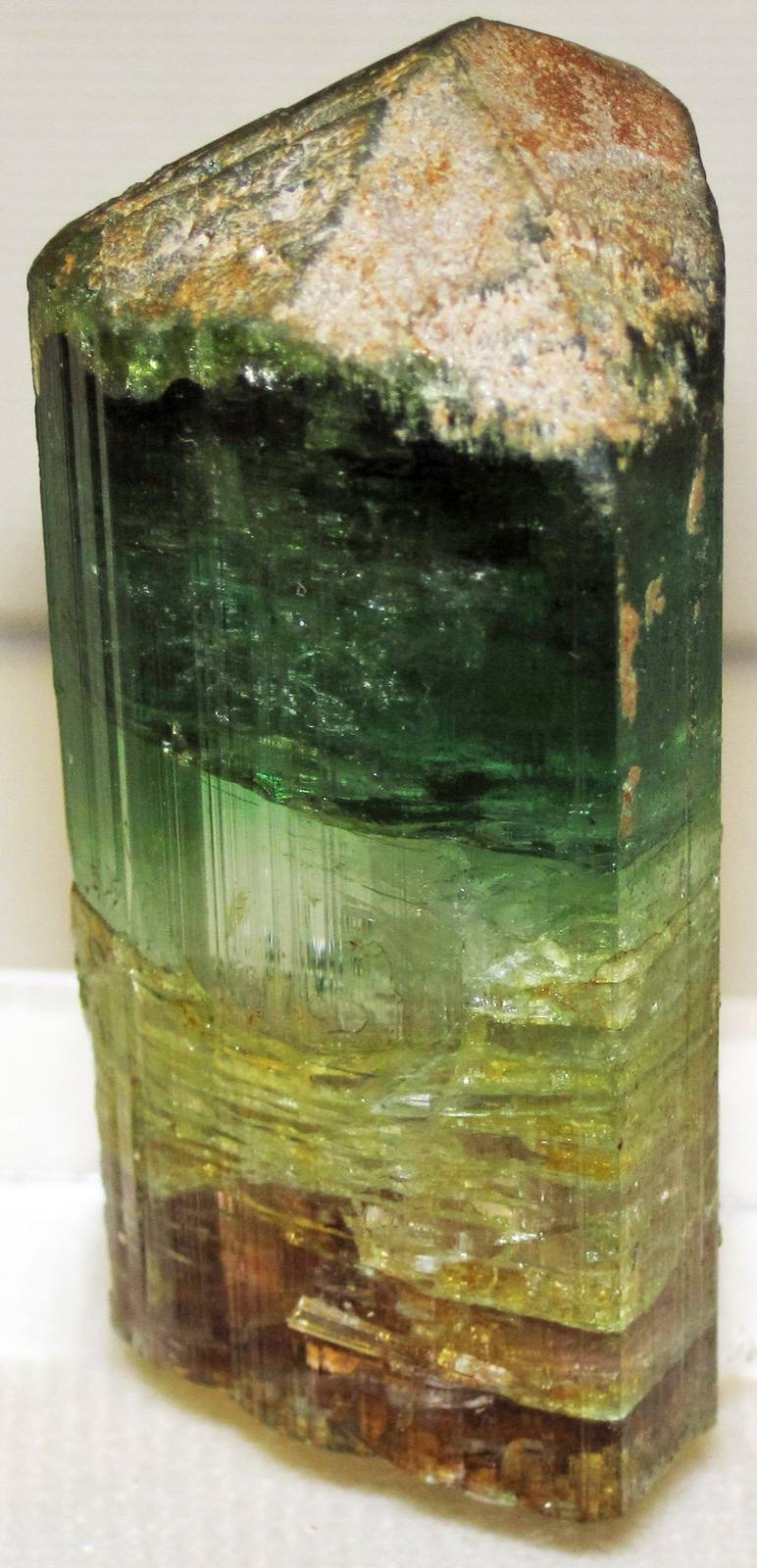
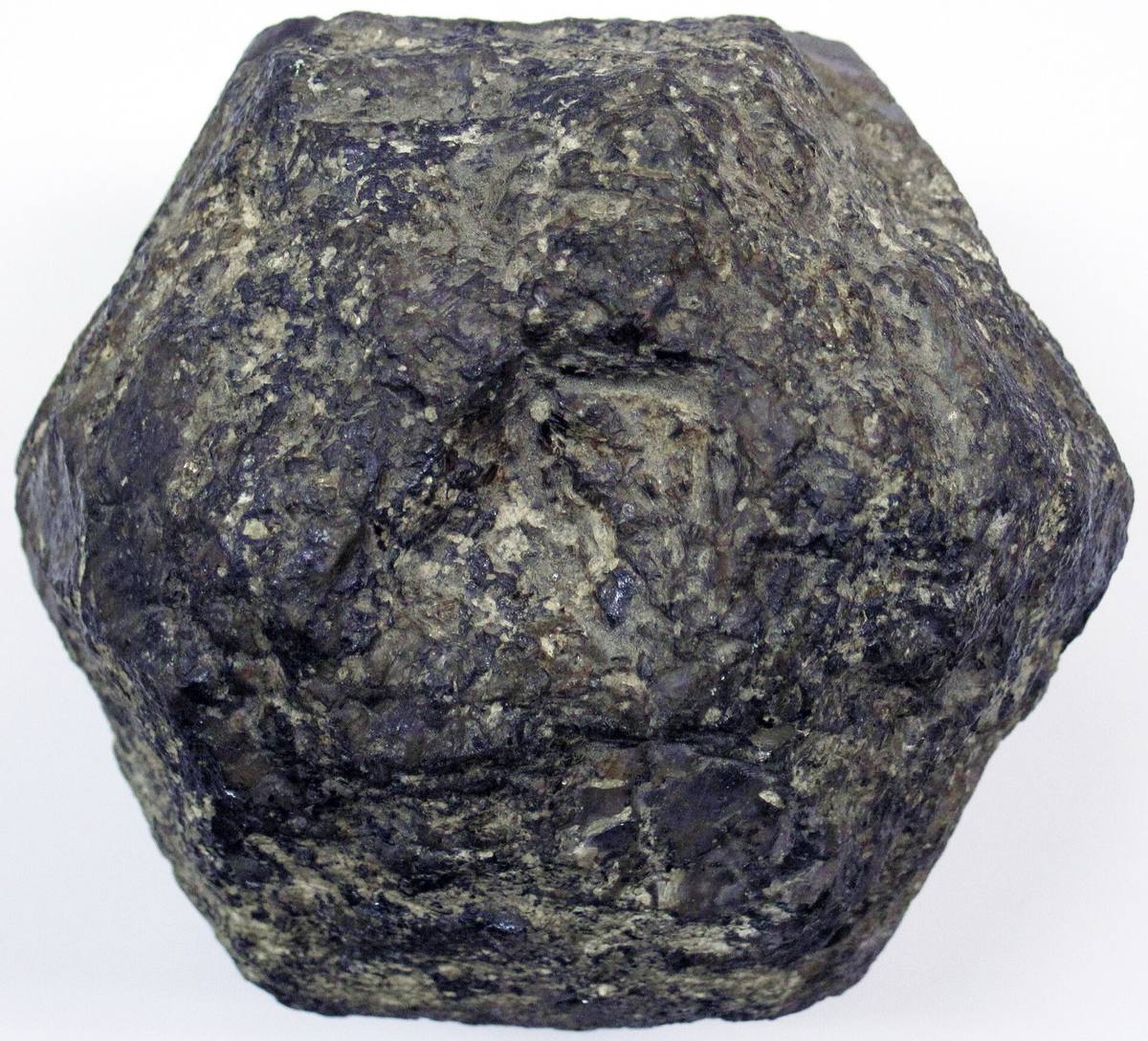
All properties
- Chemical formula
- (Na,Ca)(Si,Al)₄O₈
- Mohs hardness
- 6-6.5
- Density
- 2.63-2.66 g/cm³
- Streak
- White
- Luster
- Vitreous to pearly
- Transparency
- Transparent to translucent
- Crystal system
- Triclinic
- Crystal habit
- Euhedral crystals, granular
- Cleavage
- Perfect on {001}, less perfect on {010}, imperfect on {110}, (001) ^ (010) ~94°
- Fluorescence
- Yellow under LW UV
- Rarity
- Common
- Uses
- Collector, Petrological studies, Lapidary
- Host rock
- Common in granite, syenite, nepheline syenite, and their pegmatites; in diorite, rhyolite, andesite
Where rockhounds find oligoclase
Classic worldwide localities
- Fine and Macomb, St. Lawrence Co., New York, USA
- Corundum Hill, Chester Co., and at Media, Delaware Co., Pennsylvania, USA
- Hawk, east of Bakersville, Mitchell Co., North Carolina, USA
- Danviken, near Stockholm, Sweden
- Arendal, on Tromöy Island at Alve, Tvedestrand, Norway
- Ytterby, Sweden
Field-hunting tip
Where it forms: Common in granite, syenite, nepheline syenite, and their pegmatites; in diorite, rhyolite, andesite. If you start seeing quartz, orthoclase, sanidine in float, you are in the right ground. Typical habit: euhedral crystals, granular. Train your eye for that shape before scanning the outcrop.
Common questions
How do you identify oligoclase?+
Where is oligoclase found?+
What rocks look like oligoclase?+
What minerals are found with oligoclase?+
What kind of rock does oligoclase form in?+
What is oligoclase used for?+
Find oligoclase on the map
RockHoundR shows mapped rockhounding spots, access rules, and lets you log every find.

